
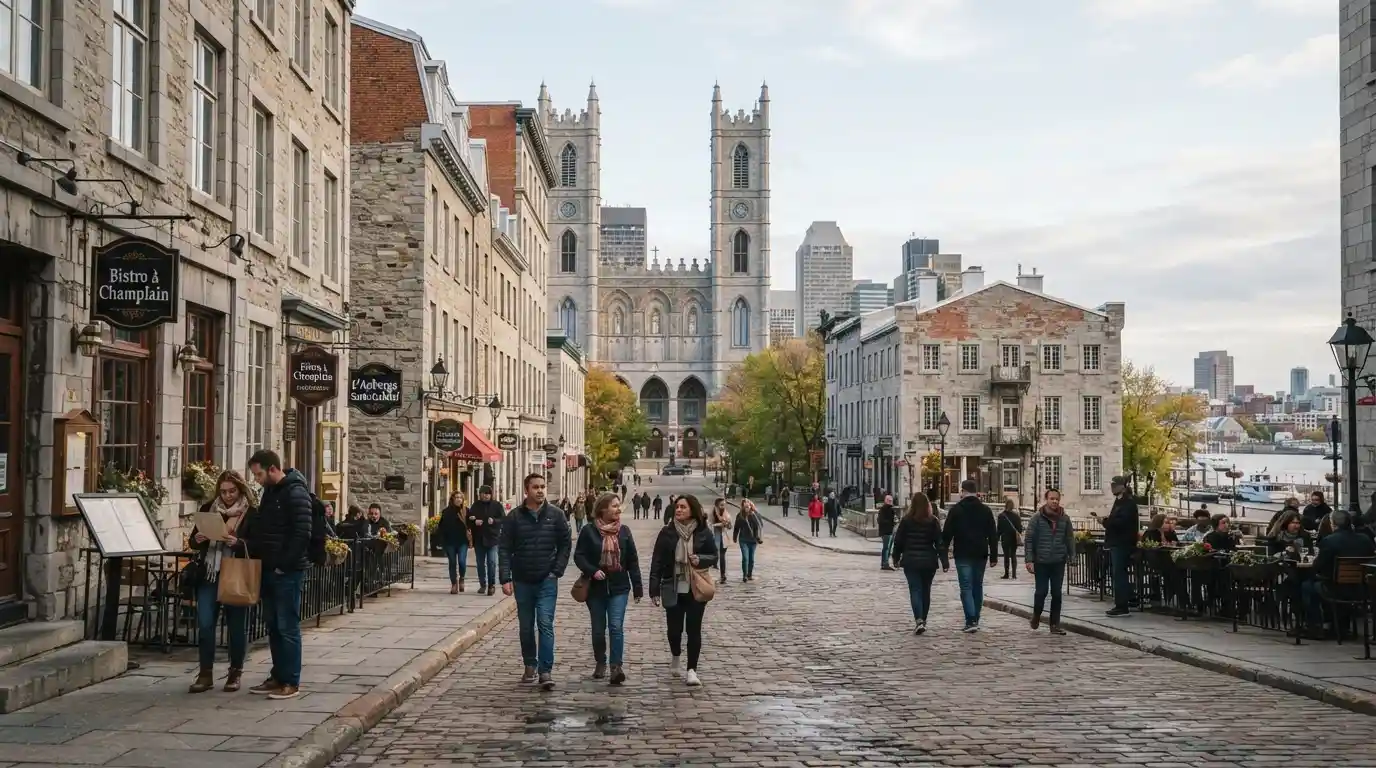
From the cobblestone streets of Old Montreal to the panoramic views from Mount Royal, the best places to visit in Montreal offer a mix of history, culture, nature, shopping, entertainment, and local character. This guide highlights the attractions and neighborhoods that deserve a place on your itinerary while also helping you decide when to visit and how to organize your time.
If you enjoy building trips around destinations and experiences, you can also explore our guides to places to visit in the Eastern US, Kelowna, BC, and Calgary in summer for more travel inspiration.
Why Montreal Is Worth Visiting
Montreal stands out because it does not feel like a typical North American city. French remains a major part of everyday life, historic districts sit alongside modern neighborhoods, and public parks provide easy escapes from the urban core.
The city is also relatively easy to explore by combining walking, public transportation, cycling, and short rides between neighborhoods. This makes it possible to experience several different sides of Montreal during a single trip.
Travelers who enjoy comparing destinations can also find inspiration from our guides to Ireland’s scenic and historic destinations and unique places to visit in Japan.
Best Places to Visit in Montreal
1. Old Montreal
Old Montreal, or Vieux-Montréal, is the natural starting point for many first-time visitors. Its historic streets, stone buildings, public squares, cafes, galleries, and waterfront setting create an atmosphere that feels different from the rest of the city.
Walking is one of the best ways to experience the district. Take your time exploring the narrow streets, admire the historic architecture, stop at a cafe, and leave room for spontaneous discoveries.
2. Notre-Dame Basilica of Montreal
Notre-Dame Basilica is one of Montreal’s most recognizable landmarks. Its elaborate interior, detailed woodwork, dramatic lighting, and Gothic Revival design make it particularly impressive for travelers interested in architecture and history.
The basilica is located in Old Montreal, so it can easily be combined with a walking tour of the historic district.
3. Mount Royal
Mount Royal is one of the best places in Montreal for panoramic city views and outdoor recreation. The mountain’s wooded paths and open spaces offer a welcome break from busy downtown streets.
The lookout is especially appealing around sunrise, sunset, or during colorful autumn weather. Visitors who enjoy photography should allow extra time because the scenery changes considerably with the seasons.
4. Mount Royal Park
Mount Royal Park gives visitors more opportunities to experience the city’s natural side. The park is suitable for walking, relaxing, sightseeing, and enjoying seasonal outdoor activities.
It is also a useful addition to an itinerary for travelers who do not want every part of their Montreal trip to revolve around museums and historic buildings.
5. Old Port of Montreal
The Old Port stretches along the St. Lawrence River and provides one of the city’s most enjoyable waterfront experiences. The area is ideal for walking and taking in views of the river and surrounding architecture.
Depending on the season, visitors can find different outdoor activities and events around the waterfront. It is particularly enjoyable when combined with Old Montreal because the two areas are close together.
6. Jean-Talon Market
Jean-Talon Market is a great choice for travelers who want to experience Montreal through food. Vendors offer fresh produce, baked goods, specialty foods, prepared meals, and seasonal products.
Rather than treating the market as a quick sightseeing stop, consider visiting when you have enough time to browse, sample local flavors, and explore the surrounding neighborhood.
7. Montreal Botanical Garden
The Montreal Botanical Garden is one of the city’s top attractions for visitors who enjoy plants, landscaped spaces, and peaceful outdoor environments. Its extensive gardens provide a different experience throughout the year.
It is particularly appealing during the warmer months, although seasonal exhibitions and changing landscapes can make other times of year interesting as well.
8. Montreal Museum of Fine Arts
The Montreal Museum of Fine Arts is an excellent choice for art lovers. Its collections cover a broad range of periods, artistic styles, and cultural traditions.
Allow several hours if you want to explore the museum carefully. It can also be a useful rainy-day activity when outdoor sightseeing is less comfortable.
9. Pointe-à-Callière
Pointe-à-Callière offers visitors an opportunity to explore Montreal’s archaeological and historical roots. Its exhibits help explain how the city developed and how its historic waterfront became an important part of Montreal’s identity.
History-focused travelers can pair this attraction with Old Montreal for a deeper understanding of the city’s past.
10. Saint Joseph’s Oratory
Saint Joseph’s Oratory is an impressive religious and architectural landmark on the slopes of Mount Royal. Its large scale and elevated location make it one of the city’s most recognizable sites.
The surrounding area also provides opportunities for quiet reflection and photography, making the oratory worthwhile even for visitors primarily interested in architecture rather than religious tourism.
11. Plateau Mont-Royal
Plateau Mont-Royal is one of Montreal’s most recognizable neighborhoods. Colorful homes, outdoor staircases, independent businesses, cafes, restaurants, and creative spaces give the area a distinctly local personality.
This is a good neighborhood to explore without following a strict checklist. Walk the streets, stop for food, and look for the architectural details that make the district memorable.
12. Mile End
Mile End is another neighborhood worth adding to a Montreal itinerary, particularly for travelers interested in food, music, art, independent shops, and local culture.
The neighborhood has a relaxed atmosphere and works well for an afternoon or evening of casual exploration. It can also be combined with Plateau Mont-Royal because of their proximity.
13. Lachine Canal
The Lachine Canal offers a more relaxed side of Montreal. The waterfront route is popular with people walking, cycling, and enjoying the outdoors.
It is a strong option for travelers who want to combine sightseeing with physical activity. Bring comfortable shoes and allow time to enjoy the surroundings rather than rushing from one point to another.
14. Parc Jean-Drapeau
Parc Jean-Drapeau provides another opportunity to experience Montreal’s outdoor spaces. Located on islands in the St. Lawrence River, the park offers open areas, waterfront scenery, and recreational opportunities.
The park is particularly useful for travelers looking for more space and fresh air after spending time in the denser central neighborhoods.
15. La Fontaine Park
La Fontaine Park is a peaceful urban green space in the Plateau area. It is a good place for a leisurely walk, a relaxed afternoon, or a break between neighborhood explorations.
Its location makes it convenient for visitors who are already exploring Plateau Mont-Royal and want to add some outdoor time to their day.
Best Montreal Neighborhoods to Explore
Montreal becomes much easier to understand when you explore it by neighborhood rather than visiting attractions in isolation.
- Old Montreal: Best for historic architecture, major landmarks, and first-time visitors.
- Old Port: Best for waterfront walks and river views.
- Plateau Mont-Royal: Best for colorful architecture, cafes, restaurants, and local atmosphere.
- Mile End: Best for independent businesses, food, arts, and neighborhood culture.
- Downtown: Best for shopping, museums, hotels, business travel, and convenient transportation.
- Griffintown: Best for modern architecture, restaurants, and an evolving urban atmosphere.
For accommodation planning, our guide to the best place to stay while visiting Montreal can help you think about which area fits your itinerary.
Best Time to Visit Montreal
The best time to visit Montreal depends heavily on what you want to do.
Spring
Spring brings milder weather and gradually increasing outdoor activity. It can be a good choice for travelers who prefer a quieter trip and want to explore parks and neighborhoods as the city moves into the warmer season.
Summer
Summer is one of the most active periods in Montreal. Outdoor events, patios, markets, festivals, and parks make the city especially lively. It is a strong choice for travelers who want to spend significant time outside.
Fall
Fall is particularly appealing for visitors who enjoy changing foliage, comfortable sightseeing weather, and seasonal scenery. Mount Royal and the city’s parks can be especially attractive during this period.
Winter
Winter transforms Montreal into a completely different destination. Snow, cold temperatures, seasonal activities, and winter events create a distinctive experience, but visitors should plan carefully for weather and dress appropriately.
If you enjoy seasonal travel planning, you may also want to explore our guide to the best places to visit in New England during winter and our guide to winter destinations in the Northeast.
How Many Days Do You Need in Montreal?
A three-day trip is enough to experience many of Montreal’s major attractions without making the itinerary excessively rushed.
Day 1: Focus on Old Montreal, Notre-Dame Basilica, the Old Port, and the waterfront.
Day 2: Explore Mount Royal, Plateau Mont-Royal, Mile End, and nearby attractions.
Day 3: Choose museums, markets, the Botanical Garden, Saint Joseph’s Oratory, or another neighborhood based on your interests.
With four or five days, you can slow down, revisit favorite neighborhoods, explore additional museums, and enjoy more of Montreal’s food scene.
Montreal Travel Tips for First-Time Visitors
- Wear comfortable walking shoes because many of the city’s most interesting areas are best explored on foot.
- Learn a few basic French phrases, although visitors can generally find English-speaking services in many tourist areas.
- Group attractions by neighborhood to reduce unnecessary travel time.
- Check seasonal opening hours before visiting major attractions.
- Leave some unscheduled time for cafes, markets, parks, and neighborhood exploration.
- Dress according to the season, especially if you plan to spend significant time outdoors.
- Use public transportation when it makes more sense than driving and parking downtown.
More Travel Inspiration
Montreal can also work well as part of a larger North American travel itinerary. If you are comparing destinations, our guides to Vermont family destinations, North Padre Island, places near Denver, and winter destinations near Sacramento provide additional ideas.
For travelers planning a broader North American vacation, you can also explore popular places to visit in Los Angeles, must-visit places in San Diego, and summer destinations in Calgary.
Final Thoughts
The best places to visit in Montreal are not limited to a handful of famous landmarks. The city’s appeal comes from the way historic districts, cultural attractions, parks, markets, neighborhoods, and waterfront spaces fit together.
For a first visit, prioritize Old Montreal, Notre-Dame Basilica, Mount Royal, the Old Port, Jean-Talon Market, and at least one of the city’s major museums. Then leave room to wander through Plateau Mont-Royal or Mile End and experience Montreal beyond its most photographed attractions.
Whether you visit in the warm energy of summer, the colorful atmosphere of fall, the fresh feeling of spring, or the snowy character of winter, Montreal offers enough variety to make a well-planned trip memorable.