
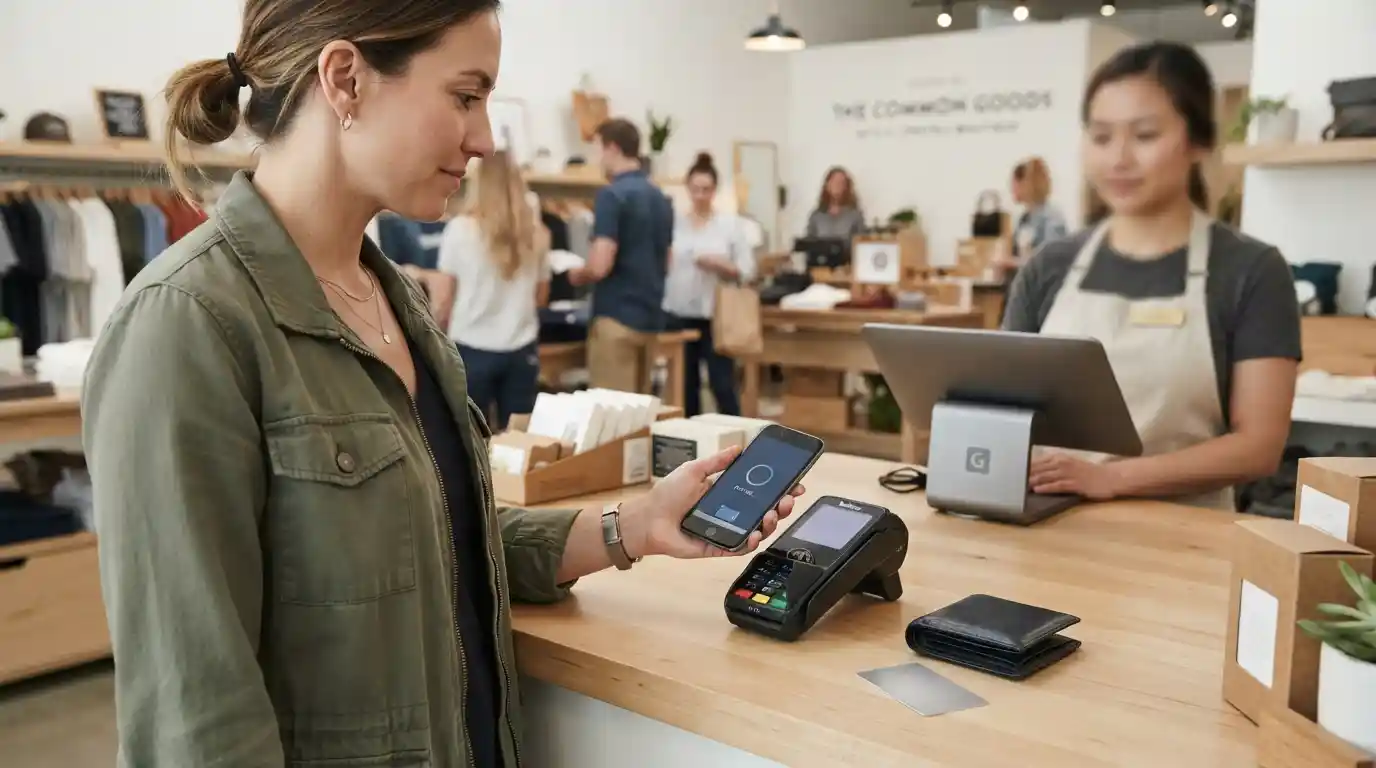
In recent years, the global financial landscape has experienced a dramatic transformation, shifting away from physical cash and traditional leather billfolds toward sleek, smartphone-based applications. A digital payment wallet allows users to store credit cards, debit cards, loyalty programs, and transit passes securely in one virtual space.
While this modern technological shift promises unprecedented speed and convenience, it also introduces unique challenges regarding privacy, technology dependency, and financial security.
Evaluating whether to abandon physical currency entirely requires a balanced look at both sides of the digital ledger. Understanding the mechanics of modern transactional systems, much like exploring enterprise integrations such as enterprise it marketing integration strategy, highlights how tightly woven technology has become in daily consumer and business operations. Here is a comprehensive guide to the pros and cons of switching to a fully digital payment wallet.
1. The Major Advantages of Digital Payment Wallets
Adopting a cashless lifestyle through virtual wallets comes with a myriad of tangible benefits designed to streamline daily financial activities.
Unmatched Convenience and Portability
The most immediate benefit is the elimination of bulky physical wallets. With a smartphone or smartwatch, users can complete transactions with a simple tap. Whether you are buying groceries, paying for public transportation, or splitting a bill with a friend, everything happens instantly.
Managing transactions digitally requires smooth network communication and streamlined protocols, mirroring the efficiency found in first alliance logistics management revolutionizing supply chain efficiency.
Enhanced Physical Security and Fraud Prevention
Contrary to popular belief, a digital wallet can often be safer than a physical wallet stuffed with cash and credit cards. If your physical wallet is stolen, anyone can spend your money.
In contrast, digital wallets utilize advanced tokenization, biometric authentication (such as Face ID or fingerprint scanning), and passcodes. If your phone is lost, your financial data remains locked behind layers of encryption.
Seamless Expense Tracking and Budgeting
Digital wallets automatically log every transaction, categorizing spending habits in real-time. This automated data collection makes it significantly easier to monitor monthly budgets, track cash flow, and identify unnecessary expenditures without manually saving paper receipts.
Key Insight: Digital wallets employ tokenization, meaning your actual credit card number is never shared with merchants during a transaction, drastically reducing the risk of data theft.
2. The Notable Disadvantages and Risks
Despite the glowing benefits, transitioning exclusively to a digital wallet presents certain drawbacks that consumers must carefully consider.
Technological Dependency and Battery Failure
A digital wallet is entirely dependent on technology. If your smartphone battery dies, your phone breaks, or the local payment terminal loses internet connectivity, you are completely stranded without a means to pay. This reliance introduces vulnerability during emergencies or infrastructure outages.
Privacy Concerns and Digital Surveillance
Every digital transaction leaves a digital footprint. Unlike cash transactions, which offer complete anonymity, digital payments are tracked by banks, financial institutions, and app providers. For privacy-conscious individuals, the continuous tracking of consumer behavior and purchase history can be a significant deterrent.
Cybersecurity Threats and Phishing Scams
While physical pickpockets are less of a threat, cybercriminals have evolved. Phishing attacks, malware, and unauthorized account takeovers target digital banking systems. If a user falls victim to a sophisticated scam or uses an unsecured public Wi-Fi network improperly, their entire financial portfolio can be compromised.
3. Navigating the Transition Safely
If you are considering making the leap to a fully digital payment system, adopting best practices can help mitigate risks while maximizing convenience:
- Enable Strong Biometrics: Always utilize multi-factor authentication, face recognition, or secure passcodes on your mobile device.
- Avoid Unsecured Networks: Never access your financial applications or link new cards while connected to public, unsecured Wi-Fi hotspots.
- Keep a Backup Option: Even the most enthusiastic digital advocates recommend keeping a single physical credit card or a small amount of emergency cash hidden safely away for technical emergencies. Ensuring reliable backup care for your personal tech and assets is as vital as maintaining home infrastructure, similar to the principles discussed in triumph home services reviews why customers trust this leading home service provider.
- Stay Informed on Fintech Trends: Understanding how technology continuously innovates can help you protect your assets. Keeping up with modern digital growth strategies, such as those covered in algort technologies revolutionizing business innovation and growth today, provides valuable insight into consumer tech safety.
Frequently Asked Questions
1. Are digital payment wallets completely safe from hackers?
2. Can I use a digital wallet without an internet connection?
3. What happens to my digital wallet if my phone is stolen?
4. Is cash completely becoming obsolete due to digital wallets?
5. Do merchants charge extra fees for using digital wallets?
Conclusion
Switching to a fully digital payment wallet offers a glimpse into the future of seamless, efficient, and secure financial management. The convenience of leaving your house with just a smartphone, coupled with advanced fraud protection, makes it an attractive option for modern consumers. However, the risks of technical dependency and privacy concerns mean that users must remain vigilant and prepared.
By balancing digital convenience with smart security habits, you can successfully navigate the cashless evolution. For broader perspectives on global lifestyle shifts and modern trends, you can also explore insights on why Japan’s hidden villages are 2025’s top destination.