
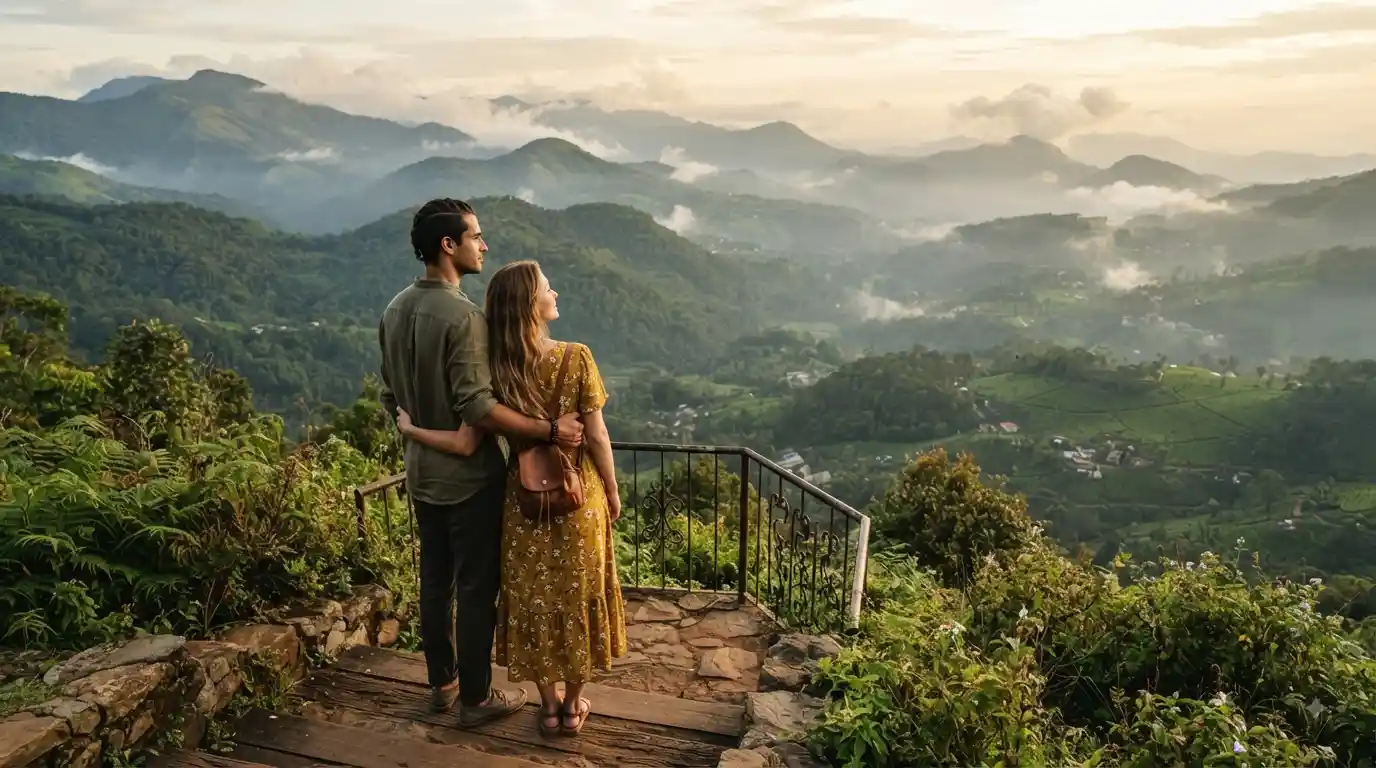
From the trails of Spencer Butte and the gardens of Hendricks Park to the cultural attractions around the University of Oregon, the city works well for weekend getaways, family vacations, road trips, and longer Oregon adventures. Travel Oregon highlights Eugene’s combination of arts, culture, shopping, dining, sports, cycling, outdoor recreation, and nearby natural attractions.
This guide covers the top places to visit in Eugene, Oregon, including scenic parks, cultural attractions, family-friendly destinations, and places that make Eugene especially worth adding to a Pacific Northwest itinerary.
Why Visit Eugene, Oregon?
Eugene has a distinctive balance between an active college-town atmosphere and easy access to nature. Travelers can spend the morning hiking, the afternoon exploring a museum or local market, and the evening enjoying restaurants, live entertainment, or a relaxed walk beside the river.
The city is also a useful base for exploring the broader Willamette Valley and nearby Cascade landscapes. If you are planning a wider regional trip, you can pair Eugene with other destinations featured in our guides to the best places to visit on the West Coast or explore additional unique places to visit in North America.
1. Hendricks Park
Hendricks Park is one of the best places to begin exploring Eugene’s natural side. Located in the city’s southeast hills, the park is known for its rhododendron garden, native plant garden, forested paths, and connections to the Ridgeline trail system.
The City of Eugene describes Hendricks Park as the city’s oldest city park. Its trails pass through mature Douglas firs, ferns, wildflowers, and extensive ornamental plantings. The park is especially appealing during spring when the rhododendrons create a colorful landscape.
Hikers and nature lovers can also use the area as a starting point for exploring Eugene’s broader network of natural areas and trails. Before visiting, check current park information and any temporary restrictions through the City of Eugene Parks and Open Space.
2. Spencer Butte
For travelers who want a more active experience, Spencer Butte is one of Eugene’s signature outdoor destinations. The prominent summit south of the city provides hiking opportunities and rewarding views across the surrounding landscape.
The trail is a good choice for visitors who want to experience Eugene’s relationship with the surrounding hills rather than staying entirely within the urban center. Bring appropriate footwear, water, and enough time to enjoy the route rather than treating the hike as a quick photo stop.
If hiking is a major part of your itinerary, consider combining Spencer Butte with other outdoor destinations in the region. Eugene’s extensive park system includes numerous trails, natural areas, and viewpoints.
3. Alton Baker Park
Alton Baker Park is a large urban green space along the Willamette River and an excellent choice for travelers who want outdoor recreation without leaving Eugene.
The park provides access to walking and cycling opportunities and connects visitors with Eugene’s riverfront environment. It is also associated with Pre’s Trail, making it particularly interesting for runners and sports enthusiasts.
Because the park hosts community activities and environmental projects, it can feel different depending on the season and day of your visit. The city’s park and trail maps are useful when planning a route.
4. Museum of Natural and Cultural History
The Museum of Natural and Cultural History at the University of Oregon is a strong choice for travelers who want to understand Oregon’s natural environment and cultural heritage.
The museum’s collections cover archaeology, anthropology, fossils, biological specimens, and other aspects of Oregon’s past. The University of Oregon describes it as the state’s official repository for publicly owned collections, making it more than a conventional tourist attraction.
Current visitor information, admission details, accessibility information, and opening hours should be checked directly on the Museum of Natural and Cultural History visitor page before your trip.
5. University of Oregon Campus
The University of Oregon gives Eugene much of its identity as a lively college town. Even travelers who are not visiting for a sporting event can enjoy walking around campus, seeing its architecture, and experiencing the surrounding neighborhood.
The campus also places visitors close to several cultural and recreational attractions. For travelers interested in sports, Eugene’s association with track and field adds another dimension to the city’s tourism appeal.
If you enjoy destinations where education, culture, and local life overlap, Eugene’s university district is worth including in your itinerary.
6. Skinner Butte Park
Skinner Butte is another popular outdoor destination within Eugene. The butte rises near the Willamette River and offers an easy way to add views and outdoor time to a city-focused itinerary.
The surrounding park area is useful for travelers who want a short nature break without committing to a longer day hike. It can also work well as part of a broader downtown and riverfront exploration.
For visitors building a multi-stop outdoor itinerary, Eugene’s official parks and natural areas guide provides a useful overview of the city’s public spaces.
7. Owen Rose Garden
Owen Rose Garden is a peaceful attraction along the Willamette River and a natural choice for travelers interested in gardens, photography, and leisurely walks.
The garden is particularly appealing during the blooming season, when its rose collections provide a colorful setting. It is also a good complement to Eugene’s more rugged hiking destinations because it offers a slower-paced outdoor experience.
Visitors who enjoy gardens should also consider pairing Owen Rose Garden with Hendricks Park for a day focused on Eugene’s horticultural attractions.
8. Cascades Raptor Center
The Cascades Raptor Center offers a different type of wildlife experience. It focuses on birds of prey and provides visitors with an opportunity to learn about native raptors and wildlife rehabilitation.
This attraction can be particularly interesting for families and travelers who enjoy combining outdoor tourism with educational experiences. Check current visitor information before going because animal-care facilities may operate differently from conventional attractions.
9. 5th Street Public Market
Travel does not have to revolve around hiking and museums. 5th Street Public Market is a useful stop for visitors who want to explore Eugene’s food, shopping, and local lifestyle scene.
The market and surrounding district provide opportunities to eat, browse shops, and take a break between outdoor activities. It can fit naturally into an itinerary that combines downtown Eugene with riverfront attractions.
Food-focused travelers can also use Eugene as a starting point for exploring the broader Willamette Valley’s culinary scene.
10. Hult Center for the Performing Arts
The Hult Center brings a cultural dimension to a Eugene trip. Depending on the schedule, visitors may find concerts, performances, theater productions, and other events.
Checking the event calendar before your trip can help you decide whether to reserve an evening for a performance. This is especially useful if you are visiting Eugene for more than a day and want something to do after spending daylight hours outdoors.
11. Eugene’s Riverfront
The Willamette River is an important part of Eugene’s character. Riverfront paths and parks create opportunities for walking, cycling, photography, and simply enjoying the landscape.
A riverfront outing can be combined with Alton Baker Park, Owen Rose Garden, or other nearby attractions. Travelers who prefer flexible itineraries may find this area particularly convenient because it does not require committing to a single attraction.
12. Ridgeline Trail System
The Ridgeline system is ideal for travelers who want more hiking options beyond individual city parks. The trail network follows Eugene’s southern edge and connects several natural areas.
Hendricks Park is connected to this broader trail environment, making it possible to build a more substantial hiking day around multiple destinations.
Before setting out, use current trail maps and local information rather than relying exclusively on old travel posts. Conditions, access points, and temporary closures can change.
13. Eugene’s Downtown and Local Food Scene
Downtown Eugene is worth exploring between major attractions. Independent restaurants, cafes, shops, galleries, and community spaces give the city a distinctive local character.
One of Eugene’s strengths is that visitors do not have to choose between a traditional sightseeing itinerary and local experiences. A day can easily combine a morning hike, an afternoon museum visit, and an evening spent discovering restaurants or cultural venues.
14. Amazon Park
Amazon Park provides another option for travelers looking for accessible outdoor recreation. It is part of Eugene’s broader collection of community parks and can be useful for families or visitors who want a less intensive outdoor stop.
Rather than trying to visit every park in the city, choose parks according to your interests and available time. Eugene’s official park directory makes it easier to compare different public spaces and amenities.
15. Nearby Willamette Valley Experiences
One of the biggest advantages of visiting Eugene is its location. The city works as a gateway to the wider southern Willamette Valley, where travelers can find wineries, farms, covered bridges, scenic drives, forests, and outdoor recreation.
Travel Oregon also recommends Eugene as a base for exploring nearby attractions, including the McKenzie River and surrounding outdoor destinations. That makes Eugene especially useful for travelers planning an Oregon road trip rather than a single-city vacation.
If you are building a larger North American itinerary, you can compare Eugene with other destinations in our guides to top places to visit around the world and 25 places in the world to visit.
Best Time to Visit Eugene, Oregon
The best time to visit depends on what you want to do. Spring is attractive for gardens and greenery, while summer generally works well for outdoor recreation, hiking, cycling, and exploring the city’s parks.
Fall brings changing foliage and cooler temperatures, which can be appealing for travelers who prefer scenic walks and fewer summer crowds. Winter is wetter and cooler, but museums, restaurants, cultural attractions, and other indoor activities remain useful options.
If you enjoy seasonal travel, compare Eugene with other destinations in our guide to top places to visit in the fall or explore winter destinations in the Northeast for a completely different seasonal experience.
How Many Days Do You Need in Eugene?
A weekend can be enough to experience several of Eugene’s major attractions, especially if you organize your itinerary by area.
One day: Focus on a combination of Hendricks Park, the University of Oregon area, a museum or cultural attraction, and downtown.
Two days: Add Spencer Butte, Alton Baker Park, the riverfront, Owen Rose Garden, or another outdoor destination.
Three or more days: Use Eugene as a base for exploring the surrounding Willamette Valley and nearby Cascade landscapes.
Tips for Planning a Eugene Trip
- Check official attraction information: Hours, events, admission policies, and access can change.
- Plan around the weather: Outdoor attractions are much easier to enjoy when you have appropriate clothing and footwear.
- Combine nearby attractions: Group parks, museums, downtown attractions, and riverfront stops to reduce unnecessary driving.
- Leave room for local experiences: Do not fill every hour with scheduled attractions. Eugene is a city where cafes, markets, parks, and neighborhoods are part of the experience.
- Use official trail information: Current maps are especially important when planning longer hikes.
- Book popular events ahead: Concerts, performances, and special events may require advance planning.
Frequently Asked Questions
What is Eugene, Oregon, best known for?
Eugene is known for its outdoor recreation, University of Oregon, track-and-field culture, arts scene, food and craft culture, parks, and access to the Willamette Valley and Cascade region.
Is Eugene worth visiting for a weekend?
Yes. A weekend gives visitors enough time to combine several parks and outdoor attractions with museums, local food, shopping, and cultural experiences.
What are the best outdoor places to visit in Eugene?
Hendricks Park, Spencer Butte, Alton Baker Park, Skinner Butte, the riverfront, and the Ridgeline trail system are among the strongest choices for outdoor-focused travelers.
Is Eugene good for families?
Yes. Families can choose from parks, gardens, museums, wildlife experiences, riverfront areas, and accessible community attractions. The best choices depend on children’s ages and the season.
Can Eugene be part of an Oregon road trip?
Absolutely. Eugene’s location makes it a practical stop for travelers exploring the Willamette Valley, the Cascades, and other Oregon destinations.
Final Thoughts
The best places to visit in Eugene, Oregon, are not limited to one type of attraction. The city combines forested hills, riverfront parks, gardens, museums, university culture, food, shopping, wildlife experiences, and performing arts in a relatively easy-to-explore destination.
For first-time visitors, Hendricks Park, Spencer Butte, Alton Baker Park, the Museum of Natural and Cultural History, the University of Oregon area, and the Willamette River provide an excellent starting point. Add downtown experiences, gardens, wildlife attractions, or nearby Willamette Valley adventures based on your interests.
Whether you are planning a short weekend or using Eugene as part of a longer Pacific Northwest road trip, the city offers enough variety to make the journey worthwhile.