
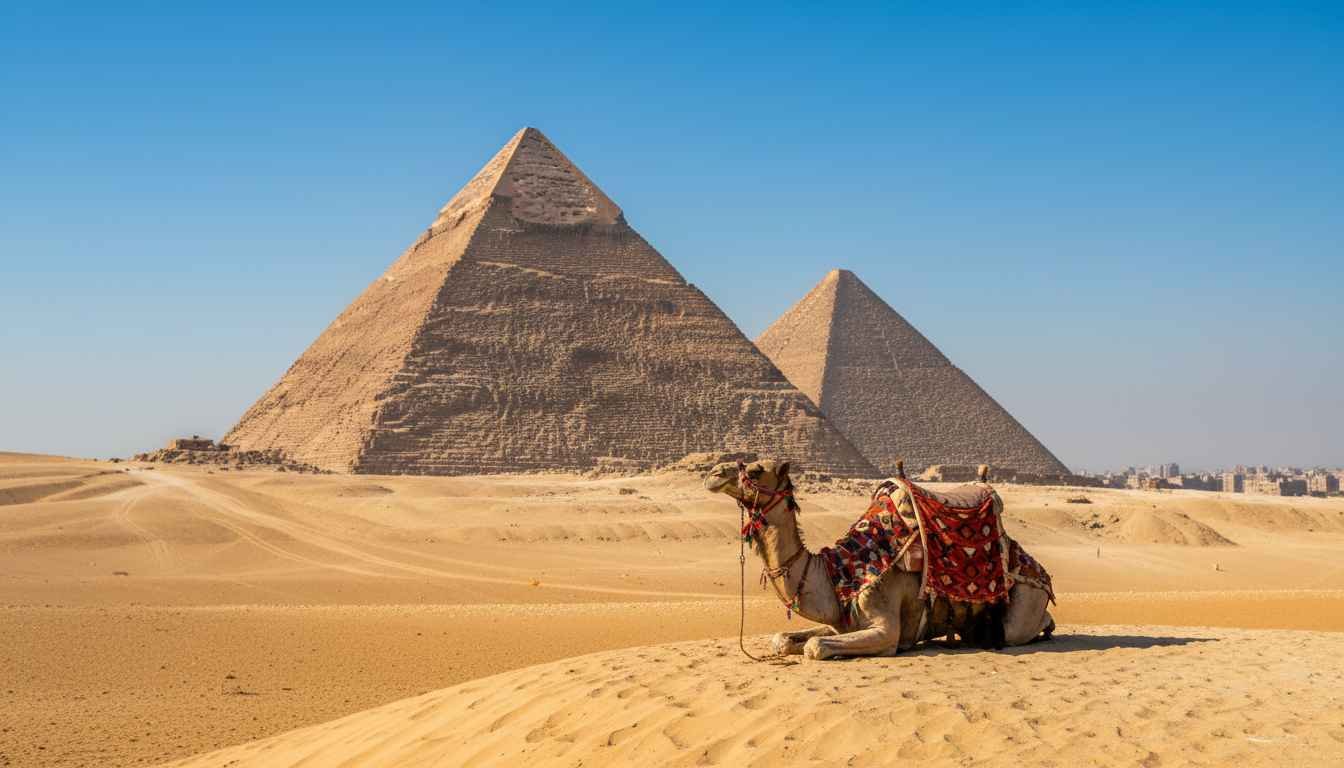
AFew destinations on planet Earth command the historical weight, mysterious allure, and timeless fascination of Egypt. Standing at the crossroads of Africa, the Middle East, and the Mediterranean, Egypt is a land where ancient history is not locked away quietly in distant museum cabinets, but written large across sun-baked deserts, monumental stone temples, and the eternal, life-giving waters of the River Nile. For generations, travelers have asked a singular, compelling question when planning their dream expedition: Where is the best place to visit in Egypt?
The truth is that Egypt is not a single-destination experience; rather, it is a vast, multi-layered tapestry encompassing ancient dynastic wonders, bustling Islamic and Coptic architectural marvels, vibrant coral reefs, and tranquil desert oases. Whether you are an archaeology enthusiast seeking the secrets of the pharaohs, a beach lover looking for crystal-clear Red Sea diving spots, or a cultural explorer eager to navigate the labyrinthine alleys of historic Cairo, Egypt offers breathtaking rewards. This comprehensive guide breaks down the absolute best places to visit across Egypt, helping you curate an unforgettable itinerary tailored to your ultimate travel aspirations.
1. Giza and Cairo: The Monumental Clash of Antiquity and Modernity
No journey to Egypt is complete without beginning in its sprawling, energetic capital. Cairo—often affectionately called the City of a Thousand Minarets—is a sensory overload of sound, color, and fragrance. Directly on Cairo’s western edge sits Giza, home to the last surviving Wonder of the Ancient World.
- The Pyramids of Giza and the Great Sphinx: Standing before the colossal stone blocks of the Pyramids of Khufu, Khafre, and Menkaure invokes an overwhelming sense of awe. Guarded by the enigmatic Great Sphinx, these monuments have stood for over 4,500 years as testaments to human engineering and imperial ambition.
- Historic Islamic Cairo and Khan el-Khalili Bazaar: Step back into the medieval era by exploring the winding, lantern-lit alleys of Islamic Cairo. Lose yourself in the historic Khan el-Khalili bazaar, where merchants have traded spices, copperware, perfumes, and textiles for centuries.
- The Grand Egyptian Museum (GEM): Housing the complete treasures of King Tutankhamun alongside thousands of newly curated artifacts, this architectural masterpiece serves as the world’s premier archaeological showcase.
Navigating bustling metropolitan hubs and managing complex travel itineraries requires robust logistical planning, mirroring the structural precision found in modern commercial frameworks like enterprise digital integrations.
2. Luxor: The World’s Greatest Open-Air Museum
If Cairo represents the monumental scale of ancient power, Luxor—located roughly 500 miles south along the Nile—represents the spiritual heart of the New Kingdom. Ancient Thebes, as Luxor was once known, contains an astonishing concentration of monuments that defy imagination.
- The Valley of the Kings: Carved into the stark limestone cliffs of the West Bank, this hidden royal necropolis served as the final resting place for legendary pharaohs including Ramesses II and Tutankhamun. The subterranean tombs feature vibrant, perfectly preserved hieroglyphic wall paintings detailing the journey to the afterlife.
- Karnak Temple: Spanning over 200 acres, Karnak is the largest religious building ever constructed. Walking through the breathtaking Hypostyle Hall, surrounded by 134 colossal sandstone columns carved with intricate reliefs, leaves visitors speechless.
- Luxor Temple and Hot Air Balloons: Illuminated dramatically at night, Luxor Temple sits right on the Nile bank. For a magical perspective, catching a sunrise hot air balloon flight over the West Bank reveals the sprawling scale of temples and agricultural fields from the clouds.
Key Insight: Luxor is best experienced slowly. Splitting your time evenly between the monumental temples of the East Bank and the mystical royal tombs of the West Bank allows you to fully absorb ancient Egyptian cosmology.
3. Aswan and Nubia: Tranquility Along the Nile
Further south, where the Nile flows more gently through sweeping desert dunes and polished granite boulders, lies Aswan. Known for its laid-back atmosphere, vibrant Nubian culture, and stunning river scenery, Aswan offers a refreshing contrast to the bustling energy of Cairo and Luxor.
- Philae Temple: Dedicated to the goddess Isis, this exquisite temple complex was meticulously relocated stone-by-stone to Agilkia Island to save it from rising waters caused by the Aswan High Dam construction.
- Abu Simbel: Located further south near the Sudanese border, Ramses II’s rock-cut temples at Abu Simbel feature four colossal 66-foot-tall statues of the pharaoh carved directly into the mountainside. Twice a year, sunlight illuminates the innermost sanctuary in a stunning architectural alignment.
- Nubian Villages: Sail traditional wooden *felucca* boats across the Nile to colorful Nubian settlements, where vibrant houses painted in brilliant hues showcase a warm, welcoming community culture.
4. Alexandria: The Mediterranean Jewel of Egypt
Founded by Alexander the Great in 331 BCE, Alexandria served as the intellectual capital of the ancient Mediterranean and home to the legendary Great Library and the Lighthouse of Pharos, one of the Seven Wonders of the Ancient World.
Today, Alexandria retains a distinctly European, breezy Mediterranean atmosphere. Visitors can explore the modern Bibliotheca Alexandrina—a stunning architectural tribute to the ancient library—stroll along the sweeping seafront Corniche, tour the medieval maritime stronghold of Qaitbay Citadel, and explore catacombs blending Pharaonic and Roman architectural styles.
5. Sharm El-Sheikh and Dahab: The Red Sea Diving Paradise
For travelers seeking world-class marine life, pristine beaches, and underwater adventure, Egypt’s Red Sea coast is an absolute paradise. Sharm El-Sheikh offers luxurious resort amenities, high-end dining, and proximity to Ras Mohamed National Park, renowned globally for its dramatic coral walls and teeming marine ecosystems.
Just up the coast, the bohemian town of Dahab provides a laid-back, adventurous alternative. Famous for the Blue Hole—a legendary submarine sinkhole offering breathtaking deep-water diving and snorkeling—Dahab attracts windsurfers, rock climbers, and travelers seeking relaxed desert-by-the-sea vibes.
Frequently Asked Questions
1. When is the best time of year to visit Egypt?
2. Is it safe to travel to Egypt as a tourist?
3. How many days are needed to see the best of Egypt?
4. Do I need a visa to enter Egypt?
Conclusion: Crafting Your Egyptian Odyssey
Determining the single best place to visit in Egypt ultimately depends on what kind of traveler you are. If you crave deep history, Giza and Luxor will leave you spellbound. If you seek serenity and vibrant culture, Aswan and Nubia offer unmatched grace. Relaxation and marine adventure call your name, the Red Sea coast delivers pristine aquatic wonders. By combining several of these iconic regions into a cohesive itinerary, you unlock an unforgettable journey through one of the world’s most magnificent and enduring civilizations.