
For decades, the traditional lifecycle of car ownership remained largely unchanged: you either saved up to purchase a vehicle outright, took out a multi-year auto loan, or entered into a rigid two-to-three-year leasing contract. While these conventional models served generations of drivers well, modern consumer preferences—particularly among younger demographics—have shifted dramatically toward flexibility, convenience, and digital-first experiences.
In an era where everything from entertainment to software is accessed via monthly subscriptions, the automotive industry has undergone a radical transformation with the explosive rise of car subscription services.
Car subscription services offer drivers temporary access to a vehicle through a flexible, all-inclusive monthly fee that typically covers insurance, maintenance, roadside assistance, and registration. This innovative model eliminates the traditional friction points of vehicle ownership, such as unexpected repair costs and long-term financial commitments.
Understanding this operational paradigm shift mirrors the strategic optimizations seen in modern corporate frameworks, such as those analyzed in enterprise IT marketing integration strategy. In this comprehensive guide, we explore why car subscription services are rapidly capturing the modern automotive market.
1. The Ultimate Pursuit of Consumer Flexibility
The primary driver behind the explosive popularity of car subscriptions is the modern consumer’s craving for ultimate flexibility. Traditional auto loans lock buyers into five to seven years of debt for a depreciating asset, while long-term leases impose strict mileage caps and heavy financial penalties for early termination.
In contrast, car subscriptions operate on a month-to-month basis or allow drivers to swap vehicle models with minimal notice. Need an efficient compact sedan for city commuting during the week, but a rugged SUV for a weekend camping trip? Many subscription tiers allow you to exchange vehicles seamlessly.
This agility in mobility management shares operational principles with modern supply chain efficiencies, much like the logistical precision highlighted in first alliance logistics management revolutionizing supply chain efficiency.
2. All-Inclusive Pricing and Financial Predictability
Managing the hidden costs of vehicle ownership can be a constant source of stress. Beyond the monthly car payment, owners must budget for comprehensive auto insurance, routine maintenance, tire rotations, annual registration fees, and unpredictable mechanical repairs.
Car subscription models bundle all of these ancillary expenses into a single, predictable monthly payment. Knowing that insurance and maintenance are completely taken care of provides immense peace of mind. This predictable, customer-centric service model mirrors the reliability and trust valued in premium consumer sectors, such as those examined in triumph home services reviews why customers trust this leading home service provider.
Key Insight: By bundling insurance, maintenance, and registration into one monthly fee, subscriptions remove the financial surprises that usually accompany traditional car ownership.
3. Technological Integration and the Rise of Digital Platforms
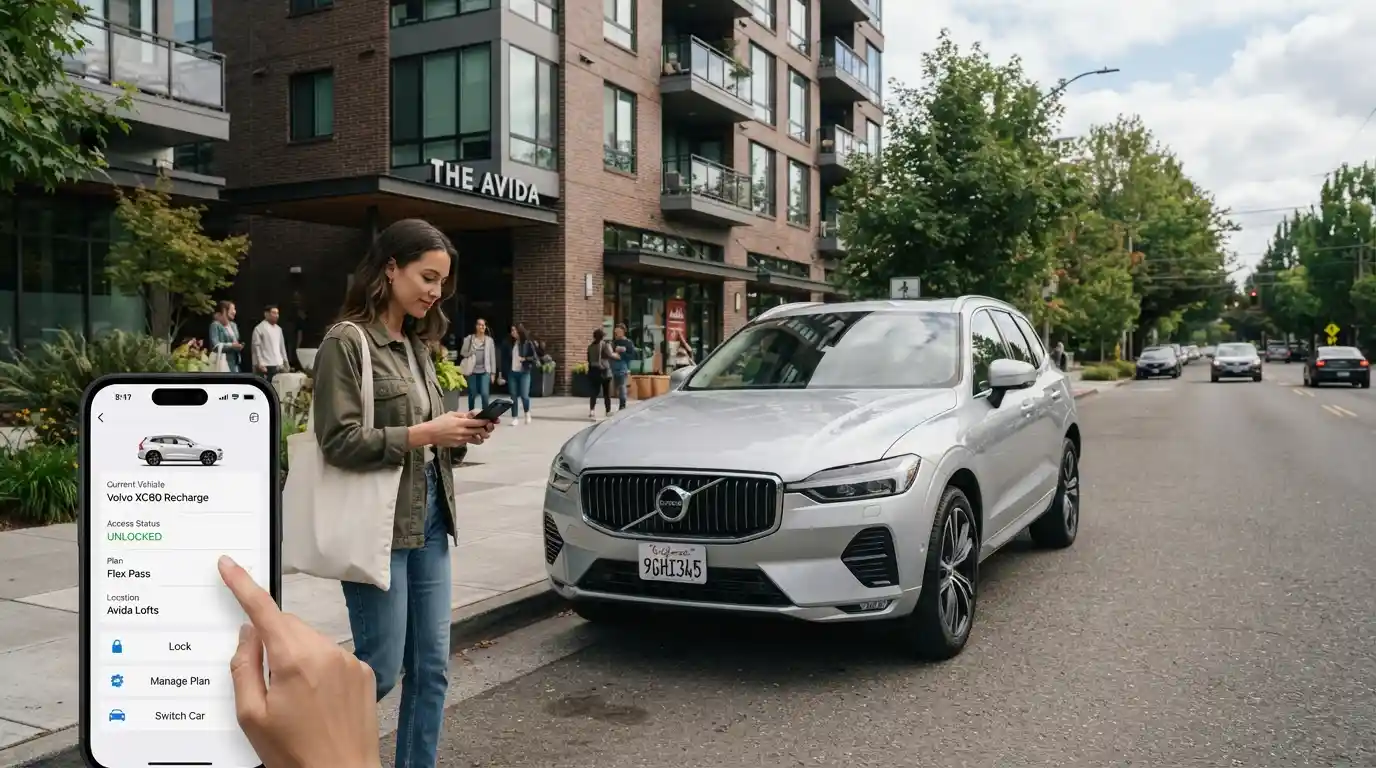
Today’s consumers expect frictionless, app-based interactions for every aspect of their lives—from ordering food to managing investments. Car subscription services capitalize heavily on this digital-first expectation by moving the entire purchasing and management journey online.
Users can browse available vehicle fleets via a smartphone app, select their desired tier, upload verification documents digitally, and schedule doorstep delivery or contactless pickup within hours. This seamless technological integration represents the kind of digital transformation driving modern industries forward, similar to the advancements discussed in algort technologies revolutionizing business innovation and growth today.
4. The Shift from Ownership to Access Economy
Societal values have undergone a measurable pivot away from material accumulation toward experiential access. Younger generations—particularly Millennials and Gen Z—place a higher value on freedom, mobility, and avoiding long-term liabilities than on the traditional milestone of owning a physical vehicle.
Furthermore, subscriptions serve as a low-risk stepping stone for drivers wanting to experiment with electric vehicles (EVs) or hybrid models without committing to a permanent purchase.
If you are exploring broader global trends in lifestyle shifts and sustainable mobility, examining cultural movements like why Japan’s hidden villages are 2025’s top destination provides fascinating context on how modern preferences favor experiential freedom over rigid structures.
Frequently Asked Questions
1. How do car subscriptions differ from traditional car leasing?
2. Is auto insurance included in a car subscription payment?
3. Can I switch or swap my car during a subscription period?
4. Are there mileage limits on car subscription services?
5. Who pays for fuel or EV charging costs in a subscription?
Conclusion
The rapid rise of car subscription services is much more than a passing industry trend; it represents a fundamental evolution in how modern society approaches mobility. By prioritizing ultimate flexibility, all-inclusive financial predictability, and digital-first convenience, subscriptions successfully eliminate the historic hassles of vehicle ownership.
As automotive manufacturers and independent tech platforms continue to refine these offerings, car subscriptions are poised to become a permanent, dominant fixture of the future transportation landscape.