
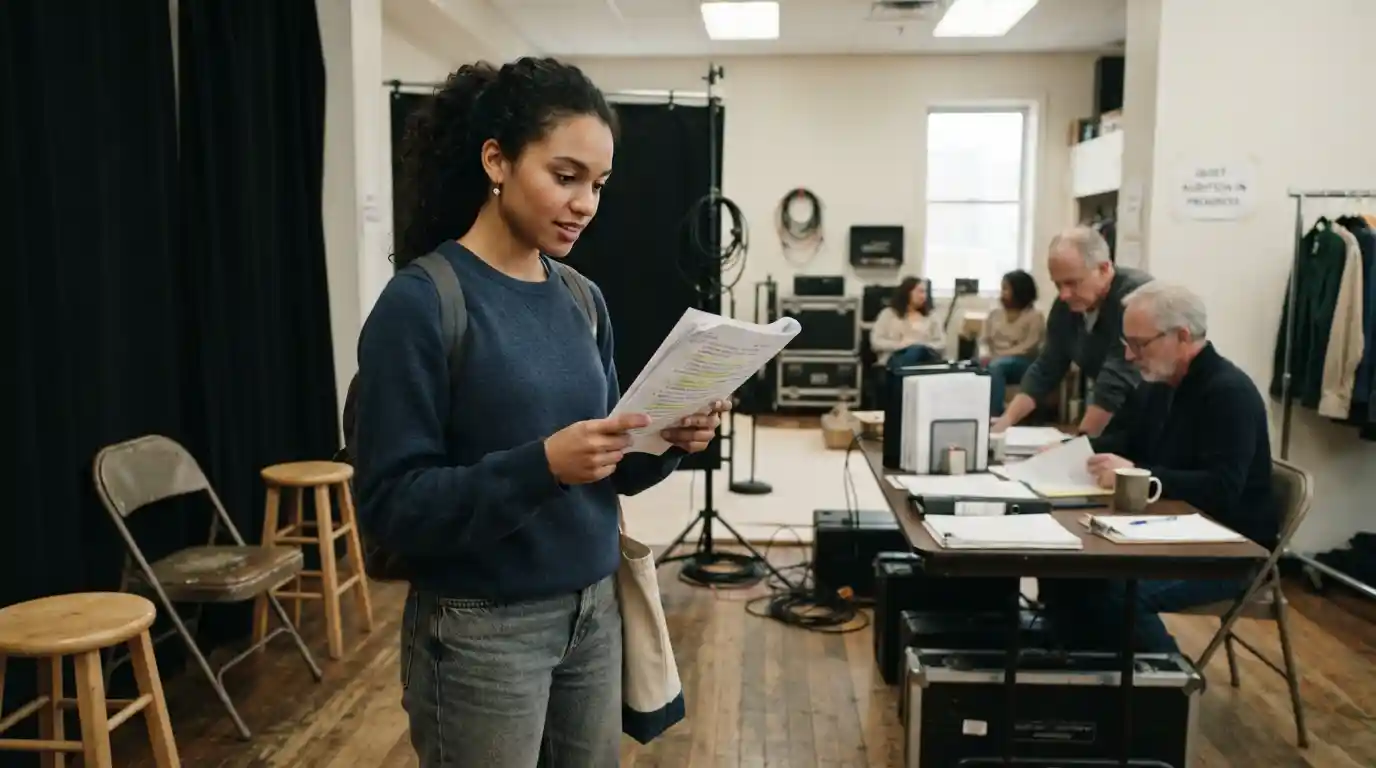
However, finding an opportunity is only the first step. Successful applicants need to understand casting expectations, prepare professional materials, recognize legitimate opportunities, and approach auditions with confidence.
This guide explains how aspiring talent can discover backroom casting opportunities, prepare for auditions, improve their chances of being noticed, and build a sustainable path toward entertainment work.
What Are Backroom Casting Opportunities?
The phrase “backroom casting” can refer to casting activity that happens behind the scenes of entertainment productions, talent searches, independent projects, commercial work, and other opportunities where performers are evaluated before roles are finalized.
These opportunities may involve actors, background performers, extras, models, presenters, musicians, or other creative professionals. Some are associated with established productions, while others may come from independent filmmakers, production companies, agencies, or local creative teams.
For aspiring talent, the important point is to understand exactly what a casting notice is offering before applying. A professional-looking advertisement does not automatically mean an opportunity is legitimate.
Why Casting Opportunities Matter for New Talent
Getting an early opportunity can help performers develop practical experience while learning how professional productions operate. Even smaller roles can introduce aspiring talent to auditions, rehearsals, production environments, directors, casting professionals, and other members of the entertainment industry.
Experience can also help performers become more comfortable in front of cameras and production teams. That confidence can become particularly valuable when competing for more demanding roles later in a career.
Where to Look for Casting Opportunities
Aspiring performers should avoid relying on a single source when searching for opportunities. Casting notices can appear through production companies, talent agencies, entertainment communities, professional casting platforms, local creative organizations, and industry networking.
It is also useful to develop broader knowledge of the entertainment industry. For example, understanding film and entertainment careers can help new performers recognize the different types of productions where their skills may be relevant.
Entertainment-related trends can also influence the kinds of projects being produced. Keeping an eye on movie and entertainment developments can help aspiring talent better understand the market they want to enter.
Prepare a Professional Casting Profile
Before applying for casting opportunities, make sure your basic professional materials are ready. Depending on the role, this may include a current headshot, resume, acting credits, performance experience, measurements, portfolio images, demo reel, or other requested material.
Your information should be accurate and easy to review. Avoid exaggerating experience or claiming skills you cannot demonstrate during an audition.
If you are still developing your professional background, education and training can also strengthen your preparation. Learning how to build skills and communicate professionally is useful across creative careers, just as it is in other fields.
For additional perspective on education and career development, see adult education and employment opportunities.
Build Skills Before the Audition
Preparation should go beyond having attractive photographs. Casting professionals may evaluate how well you understand instructions, interpret material, communicate, take direction, and perform under pressure.
Actors should regularly practice reading scripts, memorizing dialogue, developing characters, and performing naturally. Presenters can work on voice and delivery, while models may focus on movement, posing, and camera awareness.
Creative professionals can also benefit from studying the wider entertainment landscape. Resources covering entertainment history and memorabilia can provide useful context about how performers and entertainment properties develop long-term cultural value.
How to Evaluate a Casting Notice
Not every casting advertisement deserves an application. Before submitting personal information, review the notice carefully.
- Check whether the production or casting organization is clearly identified.
- Look for specific information about the role and production.
- Review audition instructions carefully.
- Confirm what materials are being requested.
- Be cautious when payment is demanded simply to audition.
- Never ignore serious concerns about personal safety or inappropriate requests.
- Research unfamiliar organizations before sharing sensitive information.
A legitimate casting process should provide enough information for applicants to understand what they are applying for. Vague promises of guaranteed fame, immediate celebrity status, or guaranteed employment should be treated cautiously.
Be Careful With Casting Scams
Aspiring talent can be especially vulnerable to scams because entertainment careers often involve competitive auditions and strong ambitions. Fraudulent opportunities may use impressive language to create urgency or ask applicants for unnecessary payments and personal information.
Be particularly careful when someone promises guaranteed representation, guaranteed roles, or instant success in exchange for money. A professional opportunity should be evaluated based on its actual production details rather than exaggerated promises.
Privacy also matters. Do not provide highly sensitive personal information unless there is a legitimate reason and you understand who is receiving it.
Create a Strong First Impression
Your first communication with a casting team should be professional and concise. Follow the requested submission format instead of sending large amounts of unnecessary information.
Use a professional email address, check your spelling, and make sure your attachments are clearly named. If the casting notice requests a specific subject line, use it exactly.
Your social profiles may also contribute to your overall professional presence. A consistent public image can make it easier for people in the entertainment industry to understand your interests and experience.
Entertainment and fashion can overlap, particularly for performers who work across television, film, advertising, modeling, and promotional campaigns. Understanding trends such as fashion and style trends can therefore be useful for talent working in visually focused roles.
Networking Can Lead to Future Opportunities
Casting is not only about submitting applications. Relationships and professional networking can also help aspiring talent learn about future productions.
Attend legitimate industry events, workshops, performances, and creative gatherings where appropriate. Be respectful of professionals’ time and focus on building genuine relationships rather than immediately asking for a job.
Entertainment communities can be broad. A person you meet through one project may later work on another production and remember performers who were reliable, prepared, and professional.
Following broader entertainment developments, including current movie and entertainment activity, can also help you understand where production demand may be developing.
Consider Different Types of Roles
New talent sometimes focuses exclusively on starring roles. A more practical strategy is to consider different opportunities that match your current experience and skills.
Depending on your background, possibilities may include background acting, independent films, commercials, promotional work, modeling, theater, voice work, digital productions, or supporting roles.
Each experience can teach something different. Background work may provide insight into production environments, while smaller speaking roles can help develop on-camera experience and audition confidence.
Use Entertainment Knowledge to Your Advantage
Understanding the entertainment industry can help applicants make better career decisions. Study successful productions, performers, genres, audiences, and changing media habits.
For example, learning about entertainment personalities and their careers can provide useful perspective. Content such as Cedric the Entertainer’s cinematic career demonstrates how performers can build careers across multiple areas of entertainment.
Likewise, entertainment merchandise and memorabilia can reveal how audiences connect with recognizable personalities and franchises. The site’s coverage of music and entertainment culture provides another example of the broader ecosystem surrounding performers.
How to Prepare for a Casting Audition
Once you receive an audition opportunity, preparation becomes critical. Read the instructions carefully and determine exactly what the casting team expects.
- Read the role description several times.
- Research the production when reliable information is available.
- Practice the provided material.
- Prepare appropriate clothing for the role.
- Arrive early when attending an in-person audition.
- Test your camera, microphone, and internet connection for virtual auditions.
- Stay calm and respond professionally to direction.
Do not try to create an entirely different personality simply because you believe casting professionals want a particular type. Focus on delivering the requested material naturally while demonstrating your own strengths.
Virtual Casting and Digital Submissions
Digital auditions can make casting more accessible because performers may submit from locations far from a production center. They also require careful technical preparation.
Record in a quiet environment with sufficient lighting and clear audio. Keep the background simple and remove unnecessary distractions. Follow the requested file format, length, framing, and submission instructions.
Before submitting, watch the recording from beginning to end. Make sure your performance is visible and audible and that no technical problems interfere with the presentation.
Keep Improving After Every Audition
Not receiving a role does not necessarily mean the audition was unsuccessful. Casting decisions depend on many factors, including the specific requirements of a production, timing, appearance, chemistry, experience, availability, and creative direction.
Use auditions as opportunities to improve. Note what went well, identify areas where preparation could be stronger, and continue practicing.
Developing a sustainable entertainment career requires patience. Consistency often matters more than a single successful audition.
Protect Your Professional Reputation
Your reputation can become one of your most valuable career assets. Be punctual, respectful, prepared, and honest about your abilities.
Do not accept inappropriate behavior simply because you believe an opportunity is important. Professional boundaries and personal safety should remain priorities throughout the casting process.
Also be cautious about publicly criticizing productions or casting teams after unsuccessful auditions. Maintaining professionalism can help preserve relationships and future opportunities.
Turn Casting Opportunities Into Long-Term Career Progress
The best casting strategy is not simply to apply to as many opportunities as possible. Instead, focus on finding suitable roles, improving your skills, developing professional materials, and building relationships within the industry.
Keep your resume and portfolio current. Add meaningful credits as they become available and update your headshots when your appearance changes significantly.
It can also help to understand adjacent creative industries. Talent may eventually expand into presenting, commercial work, modeling, content creation, voice performance, or other entertainment-related roles.
Final Thoughts on Backroom Casting Opportunities
Backroom casting opportunities can provide aspiring talent with valuable pathways into the entertainment industry, but finding the right opportunity requires more than simply responding to advertisements.
Prepare professional materials, develop practical skills, research opportunities carefully, protect your personal information, and approach every audition professionally. Most importantly, treat your career as a long-term process rather than expecting one casting call to change everything.
With consistent preparation and a careful approach to legitimate opportunities, aspiring performers can build experience, confidence, professional relationships, and a stronger foundation for future entertainment work.