
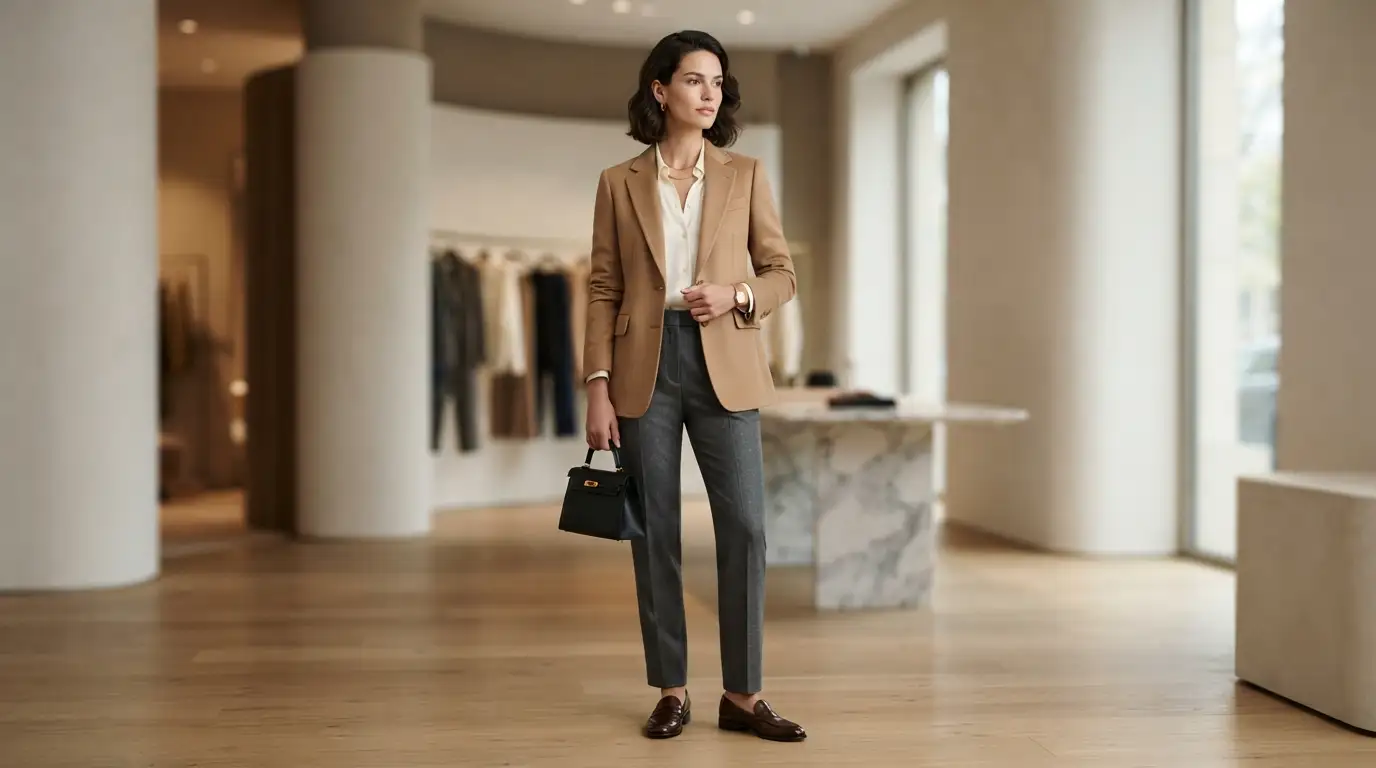
Exclusive Fashion: Unveiling the Secrets of Elite Style and Timeless Trends
Exclusive fashion is not simply about wearing expensive clothing. True elite style comes from understanding proportion, fabric, craftsmanship, color, fit, and personal identity well enough to create a wardrobe that feels distinctive without appearing forced.
The most influential wardrobes rarely depend entirely on short-lived trends. Instead, they combine carefully chosen classics with contemporary details, allowing personal style to evolve while maintaining a recognizable visual identity. The result is a more refined approach to dressing—one that values quality, intention, versatility, and confidence.
From modern tailoring and statement accessories to heritage-inspired silhouettes and carefully considered beauty choices, today’s luxury style landscape rewards individuality. Current runway coverage also shows how designers are reworking familiar wardrobe foundations through new proportions, expressive color, layering, and unexpected styling. Current 2026 fashion trend coverage illustrates how classic pieces can be reinterpreted without losing their everyday appeal.
What Makes Fashion Feel Exclusive?
Exclusivity in fashion is often associated with luxury labels, limited collections, or high prices, but those factors alone do not create sophisticated style. What makes a look feel exclusive is usually the combination of thoughtful choices.
A well-constructed jacket can look more impressive than a heavily branded garment. A perfectly proportioned outfit can appear more polished than an expensive ensemble assembled without a clear direction. Fabric quality, tailoring, restraint, and consistency often communicate luxury more effectively than visible logos.
The fashion industry itself is built around creative identity. The Council of Fashion Designers of America represents leading American designers across apparel, jewelry, eyewear, and accessories, highlighting the importance of creative excellence and long-term design influence.
The Difference Between Fashion and Personal Style
Fashion changes constantly. Personal style develops over time.
Someone who follows every trend may own a fashionable wardrobe but still struggle to create a consistent appearance. Someone with a strong personal style can use a single seasonal trend and make it feel completely individual.
Elite style therefore begins with knowing what works for you. Consider your preferred silhouettes, colors, lifestyle, climate, professional environment, and the occasions you regularly dress for. Once these foundations are clear, trends become optional tools rather than requirements.
This principle also explains why classic styles continue to return. From minimalist tailoring to elegant dresses and structured outerwear, familiar shapes can remain relevant when styled with fresh details.
Build a Timeless Foundation First
A sophisticated wardrobe should have a dependable foundation before it introduces statement pieces. The goal is not to own hundreds of garments but to create combinations that work across different settings.
- A well-fitted blazer
- A crisp button-down shirt
- Quality denim
- Tailored trousers
- A versatile neutral coat
- A refined dress or evening option
- Classic loafers or polished footwear
- A structured everyday bag
- Minimal jewelry
- A versatile silk scarf or similar accessory
These pieces can be adapted to different aesthetics. A blazer may become corporate with tailored trousers, relaxed with denim, or evening-ready with a sleek dress and statement jewelry.
For additional inspiration, our guide to latest saree blouse designs demonstrates how traditional silhouettes can incorporate contemporary details while preserving their cultural character.
Why Fit Matters More Than Price
Fit is one of the strongest indicators of polished dressing. Even premium clothing can look ordinary when shoulders, sleeves, trousers, or waistlines are poorly proportioned.
Tailoring helps clothing work with the wearer’s body rather than simply sitting on it. Small adjustments can change the visual balance of an outfit, particularly with jackets, trousers, coats, and formalwear.
When evaluating an expensive purchase, therefore, consider construction and alteration potential alongside the original price. A garment with excellent fabric and structure can become significantly more valuable when properly fitted.
Fabric Is a Quiet Luxury Signal
Luxury is often communicated through texture rather than branding. Wool, silk, cashmere, linen, fine cotton, leather, and carefully engineered technical fabrics can create depth and movement that cheaper materials may struggle to reproduce.
Fabric choice should also match the purpose of the garment. Breathable linen may work beautifully for warm-weather dressing, while wool and cashmere provide structure and warmth in cooler conditions. Silk can add softness and visual richness to evening or formal looks.
The Metropolitan Museum of Art’s Costume Institute demonstrates how clothing can be understood as both design and cultural history. Its collection spans centuries of fashionable dress, showing how materials, craftsmanship, silhouettes, and social context influence style over time.
Use Color With Intention
Color can transform an otherwise simple outfit. A neutral foundation provides flexibility, while one carefully selected accent can create visual interest.
Black, white, navy, cream, camel, gray, and brown can serve as dependable foundations. From there, a wardrobe can introduce burgundy, emerald, cobalt, soft pastels, rich reds, or other expressive shades according to personal preference.
Recent runway reporting shows that fashion is moving beyond rigid minimalism toward more expressive combinations while still retaining wearable foundations. That makes color an especially useful way to update an established wardrobe without replacing everything.
Our coverage of the unexpected color dominating Paris Fashion Week provides another example of how a single color direction can influence wider style conversations.
Accessories Create the Finishing Layer
Accessories can change the character of an outfit without requiring a complete wardrobe overhaul. A belt can define proportions, a scarf can add movement, and jewelry can introduce personality to a minimalist look.
Current accessory trends also show how small additions can refresh familiar wardrobe staples. Scarves, sculptural jewelry, distinctive eyewear, statement belts, and carefully chosen bags can all create a more deliberate appearance.
The key is editing. Too many competing accessories can weaken an otherwise sophisticated outfit. Choose one or two elements that reinforce the overall look rather than competing for attention.
For style inspiration beyond conventional womenswear and menswear, Fashion by Mirabeau offers another example of how elegance and distinctive design can work together.
Designer Fashion Is About More Than a Logo
Designer fashion becomes more meaningful when shoppers understand what they are actually paying for. Design development, fabric selection, pattern construction, craftsmanship, finishing, creative direction, and brand heritage can all contribute to the final garment.
Rather than buying a recognizable logo simply for status, consider whether the design has a silhouette, material, construction detail, or creative identity that genuinely appeals to you.
Our article exploring the fashion designer Posen crossword connects fashion culture with the names and creative identities that shape the industry.
Emerging designers are equally important. The CCAD fashion show highlights how new creative talent contributes fresh ideas to the future of fashion.
How to Mix Trends With Timeless Pieces
The safest way to experiment with trends is to use them as accents rather than allowing them to dominate your entire wardrobe.
For example, a classic blazer can be paired with a current silhouette. Neutral trousers can work with a seasonal color. A traditional dress can be updated with modern footwear. A timeless handbag can be paired with contemporary accessories.
This approach extends the life of your existing wardrobe and reduces the pressure to replace clothes every season.
The same philosophy appears in current fashion coverage, where designers are revisiting familiar garments through proportion, layering, texture, and styling instead of abandoning classic foundations altogether.
Luxury Fashion and Cultural Influence
Elite fashion has never developed in isolation. Designers draw inspiration from architecture, art, music, film, travel, heritage, street culture, and regional dress.
That cultural exchange is one reason fashion remains dynamic. Traditional garments can influence contemporary silhouettes, while streetwear can reshape luxury collections.
For example, Calico Critters fashion and styling may appear playful and niche, but it also demonstrates how clothing, character identity, color, and storytelling intersect.
Similarly, music and entertainment-inspired fashion shows how cultural identity can influence what people wear and how they communicate personality through clothing.
Fashion, Beauty, and the Complete Look
Personal style does not stop at clothing. Hair, skincare, grooming, fragrance, makeup, and other beauty choices influence the final impression.
The most successful approach is coordination rather than perfection. A highly structured outfit may work better with restrained beauty choices, while a minimalist outfit can accommodate a stronger accessory or beauty statement.
Our beauty secrets guide explores the relationship between grooming, confidence, and a polished appearance.
For readers interested in product discovery, premium beauty supplies provide another dimension of the broader fashion-and-beauty lifestyle.
Skincare can also support a refined overall presentation. Our guide to refined anti-aging skincare practices explores how a consistent beauty routine can complement personal presentation.
The Role of Fashion Retail and Discovery
Shopping for fashion is increasingly about discovery rather than simply purchasing individual garments. Outlets, boutiques, independent designers, vintage stores, and specialist retailers can introduce shoppers to silhouettes and materials they may not encounter in mainstream collections.
Our coverage of the Montabaur fashion outlet illustrates how destination shopping can become part of the fashion experience itself.
Meanwhile, traveller-inspired outerwear such as the Kaptain Sunshine coat shows how practical clothing can also become a statement of personal taste.
Fashion and the Modern Lifestyle
Today’s style choices often reflect more than formal occasions. People increasingly want clothing that works across professional, social, travel, and leisure environments.
That makes versatility one of the most valuable characteristics of a modern wardrobe. A successful piece should ideally work with multiple outfits, adapt to different occasions, and remain visually relevant beyond a single season.
Our luxury lifestyle trends coverage provides a broader look at how fashion connects with other elements of aspirational living.
Home aesthetics can also influence how people think about personal style. The same principles of proportion, color, texture, and restraint can be applied to both wardrobes and interiors, as explored in our guide to stylish and functional home decor.
Fashion for Performance and Movement
Modern fashion increasingly overlaps with active lifestyles. Performance clothing has become more sophisticated, combining technical materials with silhouettes that can move between exercise, travel, and everyday environments.
That shift makes athletic style another useful reference point for understanding contemporary fashion. Our article on women’s sports style and performance explores the relationship between clothing, movement, confidence, and athletic identity.
Fashion, Media, and the Power of Image
Fashion has always depended on photography, magazines, advertising, film, runway presentation, and visual storytelling. Today, social media has accelerated that relationship, allowing trends to spread rapidly across borders.
But speed does not necessarily create lasting style. The most memorable fashion images often communicate a recognizable mood, silhouette, or identity rather than simply displaying as many trends as possible.
That is why fashion photography and visual culture remain important even when individual trends disappear.
How to Create an Elite Style Without Overspending
A sophisticated wardrobe does not require unlimited spending. Instead, prioritize the areas where quality and fit are most visible.
- Invest in garments that receive frequent wear.
- Choose versatile neutral foundations.
- Pay attention to fit and tailoring.
- Buy fewer but more useful statement pieces.
- Look for quality materials rather than prominent logos.
- Use accessories to refresh existing outfits.
- Maintain clothing carefully to extend its lifespan.
- Experiment with trends selectively.
- Develop a consistent personal color palette.
- Choose pieces that fit your real lifestyle.
This approach is also more sustainable. Buying thoughtfully and wearing garments repeatedly can reduce unnecessary consumption while encouraging a stronger relationship with personal style.
The CFDA Sustainability Resource Hub provides industry resources focused on sustainability and fashion strategy, reinforcing the growing importance of responsible choices throughout the fashion ecosystem.
What Makes a Trend Become Timeless?
Not every trend deserves a permanent place in a wardrobe. Styles become enduring when they combine visual appeal with practical versatility and cultural relevance.
Think about the trench coat, straight-leg denim, tailored blazer, simple white shirt, loafers, or little black dress. Their continued relevance comes from their ability to adapt.
A timeless garment does not have to look old-fashioned. It simply provides a stable foundation that can be restyled as tastes change.
The Future of Exclusive Fashion
The future of elite style is likely to become increasingly personal. Consumers have access to more designers, more cultural influences, more styling information, and more ways to discover independent labels than ever before.
At the same time, current fashion conversations increasingly emphasize creativity, sustainability, individuality, and responsible consumption alongside traditional ideas of luxury.
This means exclusivity may become less about owning something that few people can afford and more about developing a style that feels genuinely personal.
Final Thoughts
Exclusive fashion is ultimately an exercise in intentionality. The strongest wardrobes combine timeless foundations with selective experimentation, excellent fit with personal comfort, and luxury details with authentic individuality.
You do not need to follow every runway trend or own an entire designer wardrobe to look refined. Start with quality foundations, understand your proportions, develop a coherent color palette, choose accessories carefully, and allow your clothing to express who you are.
That is the real secret behind enduring style: not simply wearing what is fashionable, but knowing how to make fashion work for you.