
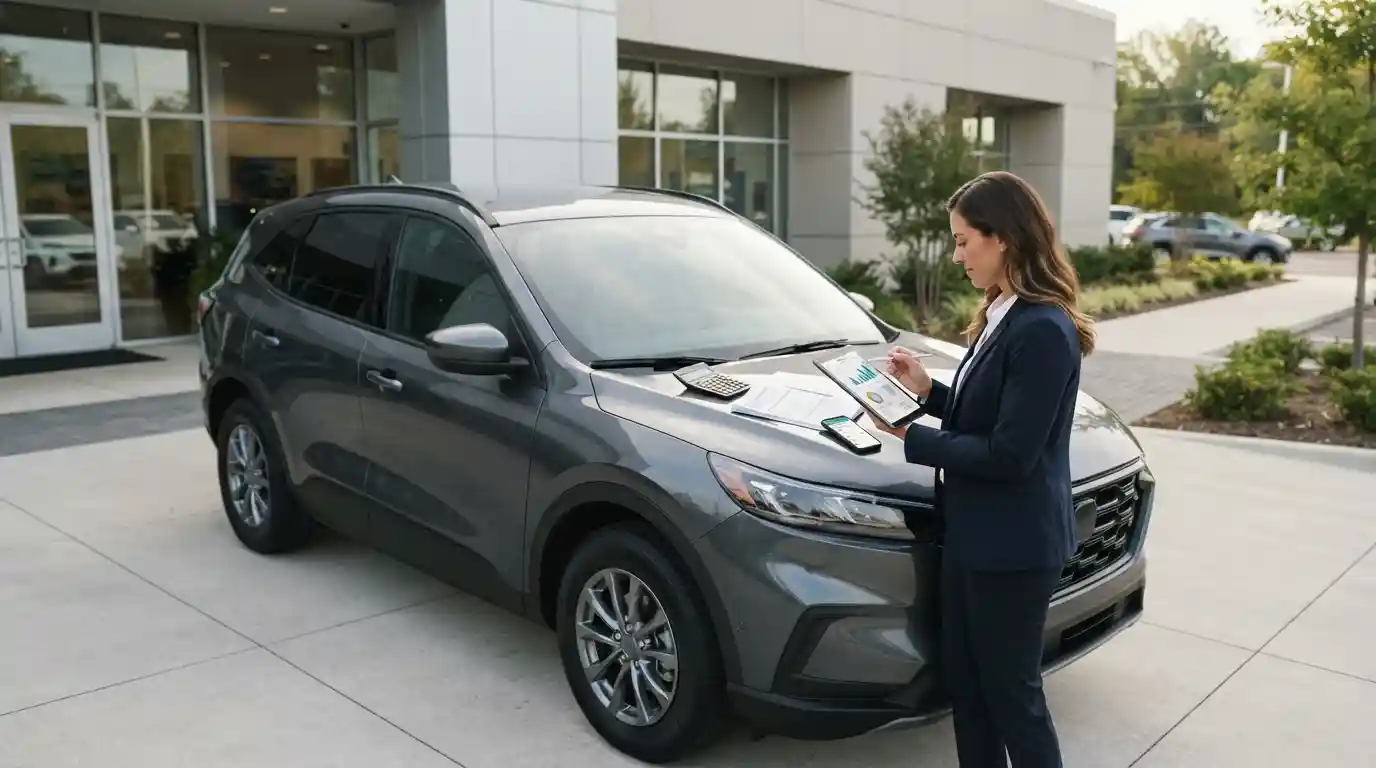
AUV Finance: Smart Ways to Finance Your Vehicle Purchase
Buying a vehicle is a major financial decision, and choosing the right financing can be just as important as choosing the right model. Whether you are purchasing an AUV, SUV, crossover, or another utility-focused vehicle, the financing structure can affect your monthly budget, total interest, ownership costs, and long-term financial flexibility.
AUV finance generally refers to financing used to purchase a utility-oriented vehicle. The smartest approach is not simply finding the lowest advertised monthly payment. Buyers should compare the vehicle’s total price, annual percentage rate (APR), loan term, down payment, fees, trade-in value, and total amount payable before signing.
This guide explains how vehicle financing works, where buyers can obtain financing, how to compare offers, how credit affects borrowing costs, and how to avoid common mistakes when financing a vehicle.
What Is AUV Finance?
AUV finance is a vehicle financing arrangement that allows a buyer to purchase a utility vehicle through borrowed funds rather than paying the full purchase price upfront.
The lender provides funds toward the purchase, while the buyer repays the borrowed amount plus applicable interest and fees over an agreed period. The vehicle typically serves as collateral for the loan, meaning the lender has certain rights if the borrower fails to make required payments.
The exact terminology used by lenders can vary. Buyers should therefore focus less on the label and more on the actual financing terms offered for the vehicle.
If you are comparing vehicle ownership with newer alternatives, you may also want to understand how car subscription services are gaining popularity and whether subscription-based access makes sense for your circumstances.
How Vehicle Financing Works
A typical vehicle finance arrangement involves several important components:
- Vehicle price: The negotiated selling price of the vehicle.
- Down payment: The amount you pay upfront.
- Amount financed: The amount borrowed after accounting for the down payment and eligible adjustments.
- APR: A broader measure of borrowing cost that can include interest and certain fees.
- Loan term: The number of months over which the loan is repaid.
- Monthly payment: The scheduled amount due each month.
- Total cost: The amount ultimately paid through the financing arrangement, including applicable interest and fees.
The Consumer Financial Protection Bureau explains that borrowers should compare APRs, loan terms, finance charges, and total payments rather than looking only at the monthly payment. Its auto-loan guidance on Truth-in-Lending disclosures provides additional information about the costs and terms consumers should review before signing.
Why the Monthly Payment Can Be Misleading
A low monthly payment does not automatically mean you have received a good financing deal.
For example, extending a loan over a longer period can reduce the required monthly payment while increasing the amount of interest paid over the life of the loan. A longer term can also increase the risk of owing more than the vehicle is worth, particularly because vehicles generally depreciate over time.
The Federal Trade Commission recommends focusing on the vehicle’s total cost rather than concentrating only on the monthly payment. Buyers should obtain an out-the-door price that includes applicable taxes and fees before comparing financing options.
Before choosing a vehicle, it can also be useful to understand broader automotive trends, including how EVs are shaping urban transportation.
How Much Should You Put Down?
A down payment reduces the amount you need to borrow. This can lower your monthly payment and may reduce the total interest paid over the life of the loan.
However, putting down a large amount of cash is not always the best decision. Buyers should consider whether doing so would leave them without enough emergency savings or cash for insurance, maintenance, registration, and other ownership expenses.
A practical approach is to determine an affordable purchase budget first and then decide how much cash can reasonably be committed without creating unnecessary financial pressure.
How Credit Affects AUV Financing
Your credit profile can influence whether you qualify for financing and the terms a lender offers. Lenders may consider credit history, income, existing obligations, loan amount, vehicle value, and other factors when assessing risk.
Before applying, review your credit information for potential errors and understand the approximate amount you can comfortably afford.
When comparing offers, focus on APR rather than simply comparing advertised interest rates. APR provides a broader measure of the borrowing cost and can make it easier to compare different financing offers.
Where Can You Get Vehicle Financing?
Vehicle buyers generally have several financing options. The most common include banks, credit unions, online lenders, finance companies, and dealership-arranged financing.
Bank Financing
A bank may provide a direct auto loan that you can use when purchasing your vehicle. Getting a quote before visiting a dealership can give you a useful benchmark for comparison.
Credit Union Financing
Credit unions can also provide vehicle loans. Membership requirements and eligibility vary, so buyers should compare the actual offer rather than assuming one financing source will always be cheaper.
Dealership Financing
Dealership financing can be convenient because the dealer handles much of the application process. However, buyers should still compare the dealer’s offer with outside financing.
The CFPB notes that consumers can compare financing from dealers with offers from banks and credit unions. Its guide to dealer-arranged and bank financing explains the differences between these approaches.
For readers interested in broader financial topics, BizHorizone also covers technology and the future of financial growth and finance-focused professional development.
Get Preapproved Before Shopping
One of the most useful strategies for vehicle buyers is obtaining financing information before negotiating at the dealership.
A preapproval can help you understand your approximate interest rate, maximum loan amount, and potential repayment period. You can then compare those terms with any financing offer provided by the dealership.
The FTC recommends shopping for financing before shopping for the vehicle itself. Having an outside offer can also make it easier to evaluate whether dealer financing genuinely provides a better deal.
Compare APR, Not Just Interest Rate
The interest rate represents the cost of borrowing, while APR provides a broader measure that can include certain fees associated with the credit arrangement.
When comparing two vehicle finance offers, examine:
- APR
- Amount financed
- Loan term
- Monthly payment
- Finance charges
- Total of payments
- Prepayment conditions
- Required insurance
- Optional add-ons
Reviewing the complete financing disclosure helps prevent a low advertised payment from hiding a significantly higher overall cost.
Watch Out for Long Loan Terms
Longer vehicle loans have become attractive because they can make expensive vehicles appear more affordable on a monthly basis. However, stretching repayment over more years can increase total interest and extend the period during which you owe money on a depreciating asset.
Before choosing a long-term loan, calculate the total amount you will pay and consider how long you realistically intend to keep the vehicle.
This is especially important when buying a utility vehicle that may experience significant mileage and depreciation during ownership.
Consider the Vehicle’s Total Ownership Cost
Financing is only one part of the cost of owning a vehicle.
Your overall budget should account for:
- Monthly loan payments
- Auto insurance
- Fuel or charging costs
- Routine maintenance
- Repairs
- Registration and taxes
- Tires
- Parking
- Depreciation
Maintenance can become particularly important as a vehicle ages. Buyers can explore related automotive resources such as European auto service and vehicle maintenance, vehicle electrical services, professional auto service, and vehicle care and servicing.
Don’t Forget Insurance Requirements
Financed vehicles commonly require appropriate insurance coverage because the lender has a financial interest in the vehicle. Insurance requirements can vary according to the lender, vehicle, and applicable state rules.
Ask the lender what coverage is required before finalizing the loan and include the insurance premium in your ownership budget.
Additional insurance products, including GAP coverage, may also be offered during the financing process. Consumers should understand what each product covers, what it costs, and whether they already have similar protection elsewhere.
Be Careful With Add-Ons
Dealerships may offer optional products such as extended service contracts, protection packages, GAP products, credit insurance, and other add-ons.
These products can increase the amount financed and therefore increase the total cost of the vehicle if they are rolled into the loan.
Never assume an add-on is mandatory simply because it is presented during the financing process. Ask for the price, coverage details, exclusions, and whether the product is optional.
Trade-In Vehicles and Negative Equity
A trade-in can reduce the amount you need to finance, but buyers should understand the difference between the vehicle’s trade-in value and the remaining balance on an existing loan.
If you owe more than the vehicle is worth, you have negative equity. Rolling that unpaid balance into a new vehicle loan can increase the amount borrowed and make the new financing more expensive.
Before trading in a financed vehicle, request the current payoff amount and compare it with the vehicle’s realistic market or trade-in value.
Vehicle Financing for Different Types of Buyers
First-Time Buyers
First-time buyers should focus on establishing an affordable budget, understanding credit requirements, comparing multiple offers, and avoiding unnecessarily long loan terms.
Buyers With Strong Credit
Consumers with stronger credit may have access to more competitive financing offers, but they should still compare multiple lenders because rates and fees can differ.
Buyers With Limited Credit
Consumers with limited or weaker credit may face higher borrowing costs. A larger down payment, qualified co-signer, lower-priced vehicle, or financing through a credit union may sometimes improve available options.
Buyers should be particularly cautious about high-cost financing and should calculate the complete repayment amount before accepting an offer.
Financing a Motorcycle or Other Vehicle
The same financing principles can apply to other vehicle purchases. For example, readers considering motorcycle financing can review MT09 finance and motorcycle financing options.
The key factors remain similar: purchase price, down payment, APR, loan term, monthly payment, insurance, maintenance, and total financing cost.
Technology Is Changing Vehicle Ownership
Modern vehicle ownership is increasingly influenced by technology. Connected vehicles, electric drivetrains, digital purchasing platforms, driver-assistance systems, and alternative ownership models are changing how consumers evaluate transportation.
Businesses interested in technology-driven operations can also explore BizHorizone’s coverage of digital transformation in business services, technology and business innovation, and industrial technology and efficiency.
How to Compare Two AUV Finance Offers
Suppose two lenders offer financing for the same vehicle. Instead of choosing the offer with the lowest monthly payment, create a side-by-side comparison.
| Factor | Offer A | Offer B |
|---|---|---|
| Vehicle Price | Compare | Compare |
| Down Payment | Compare | Compare |
| APR | Compare | Compare |
| Loan Term | Compare | Compare |
| Monthly Payment | Compare | Compare |
| Finance Charges | Compare | Compare |
| Total Payments | Compare | Compare |
This approach makes it easier to identify which offer actually costs less over the entire financing period.
Questions to Ask Before Signing
- What is the exact APR?
- What is the amount financed?
- How long is the loan?
- What is the total amount I will pay?
- Are there application or documentation fees?
- Are any optional products included?
- Is the interest rate fixed?
- Are there penalties or restrictions for early repayment?
- What insurance coverage is required?
- Are the financing terms final and fully approved?
The CFPB provides additional consumer resources covering questions such as how much you can afford to borrow, how auto-loan shopping affects credit, and how to compare financing offers.
Common AUV Finance Mistakes to Avoid
1. Choosing a Vehicle Before Setting a Budget
Starting with a vehicle instead of a realistic budget can encourage buyers to stretch their finances.
2. Comparing Only Monthly Payments
A lower payment can result from a longer loan term rather than a cheaper financing arrangement.
3. Accepting the First Financing Offer
Comparison shopping can reveal different rates and terms from banks, credit unions, online lenders, and dealerships.
4. Ignoring Fees and Add-Ons
Additional products and fees can increase the total amount financed.
5. Rolling Negative Equity Into a New Loan
Adding an existing loan deficiency to a new vehicle loan can increase both the principal and long-term interest cost.
6. Skipping the Contract Review
Never rely solely on verbal promises. Review the written agreement and make sure the numbers match the negotiated deal.
Related Business and Finance Resources
Vehicle financing often intersects with wider business and financial decisions. Readers can also explore strategic business valuation, business acquisition considerations, and modern logistics management when researching transportation-related business decisions.
For businesses operating vehicle fleets, related supply-chain resources such as logistics management, supply-chain efficiency, and freight and trucking solutions can provide additional context.
Final Thoughts
The smartest approach to AUV finance is to evaluate the complete cost of ownership rather than focusing on a single monthly payment. Compare financing sources, obtain preapproval when possible, understand your credit position, negotiate the vehicle price separately from financing, review APR and loan terms, and carefully examine every fee and optional product.
A vehicle can be an important tool for work, family transportation, recreation, or business operations. Choosing financing that fits your budget can help protect your long-term financial flexibility while allowing you to purchase the vehicle you actually need.
Before signing, make sure the final paperwork reflects the agreed vehicle price, APR, loan term, amount financed, monthly payment, and total cost. Taking the time to compare offers can make the difference between simply financing a vehicle and financing it responsibly.