
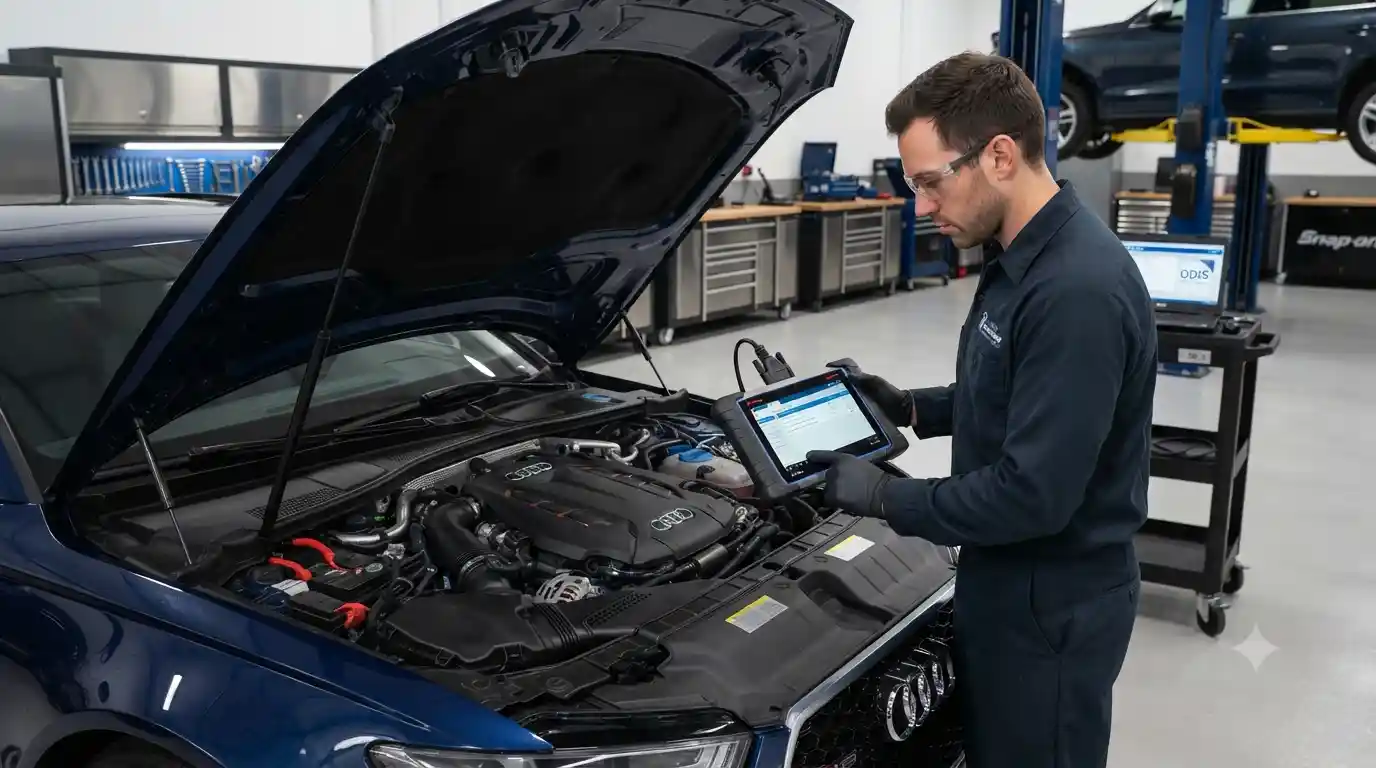
Modern vehicles are marvels of modern engineering, operating less like traditional mechanical machines and more like rolling supercomputers. From complex engine control units (ECUs) and advanced driver-assistance systems (ADAS) to intricate infotainment hubs, power windows, and digital dashboard clusters, your car relies heavily on a complex electrical nervous system.
When a glitch occurs—whether it is a stubborn check engine light, a failing alternator, a mysterious battery drain, or malfunctioning power steering—it requires specialized expertise that goes far beyond basic wrenching.
Finding reliable, fast, and precise electrical diagnostics can often feel overwhelming, especially when electrical gremlins leave your car stranded or performing erratically.
Trusted automotive service providers, such as those emphasizing rapid and accurate electrical intervention like spitfire auto electric services expert vehicle electrical solutions fast, bridge the gap between complex technical problems and dependable roadside mobility. This comprehensive guide explores the anatomy of modern automotive electrical systems, common warning signs of electrical failure, and why choosing a dedicated specialist is essential for your vehicle’s health.
The Evolution of Automotive Electrical Systems
Decades ago, vehicle electrical systems were remarkably straightforward, primarily powering starter motors, ignition coils, headlights, and basic dashboard gauges. Mechanics could easily troubleshoot issues using a simple test light or multimeter. Today, however, a typical luxury or modern commuter car contains miles of copper wiring harnesses, dozens of microprocessors, and sensitive sensors communicating via high-speed digital data buses.
This massive shift means that electrical issues are no longer isolated incidents. A failing ground wire can trigger phantom codes across multiple seemingly unrelated modules, causing transmission shifting issues, erratic sensor readings, or complete engine shutdown.
Addressing these sophisticated architectures requires high-end diagnostic scanners, oscilloscope testing equipment, and technicians trained specifically in automotive electronics. Maintaining robust operational frameworks in high-tech mechanical settings parallels the precision required in industrial automation, such as the efficiency models analyzed in azex flow technologies revolutionizing industrial efficiency and innovation.
Common Warning Signs Your Car Has Electrical Troubles
Because electrical components control virtually every function of a modern vehicle, warning signs can manifest in subtle or dramatic ways. Recognizing these symptoms early can save you from costly roadside breakdowns and extensive component replacements:
- Dim or Flickering Headlights: Often an early indicator that your alternator is failing to properly charge the battery or that there is excessive resistance in the wiring circuit.
- Clicking Noise When Turning the Key: A classic sign of a weak battery, corroded battery terminals, or a failing starter motor solenoid.
- Failing Power Accessories: Windows that roll up sluggishly, electric seats that refuse to adjust, or erratic windshield wipers point to blown fuses, faulty switches, or motor burnout.
- The Dreading “Check Engine” or Battery Light: Illuminated warning symbols on your dashboard require immediate electronic scanning to prevent minor sensor faults from cascading into major mechanical failures.
- Unexplained Battery Drain: If your car battery frequently dies overnight, you likely have a “parasitic draw”—an electrical component or module failing to power down when the ignition is switched off.
Ensuring timely maintenance and structured oversight in automotive care mirrors the strategic planning required in enterprise-level management systems, such as those explored in enterprise it marketing integration strategy.
Key Insight: Ignoring early electrical warning signs like flickering lights or slow-cranking starters can lead to sudden battery failure or ECU damage, turning a simple fix into an expensive repair.
Why Specialized Electrical Workshops Outperform General Repair Shops
Many drivers default to taking their vehicles to general mechanic shops for all repairs. While general mechanics excel at brake jobs, suspension work, and oil changes, they often lack the specialized diagnostic tools and deep electrical wiring diagrams needed to trace elusive short circuits or reprogram damaged computer modules.
Specialized auto-electric technicians possess advanced training in circuit theory, computer diagnostics, and soldering integrity. They utilize professional diagnostic software that pinpoints exact voltage drops, open circuits, and faulty sensors within minutes, reducing costly trial-and-error part replacements.
Furthermore, maintaining seamless logistical and operational standards in specialized service shops ensures quick turnaround times for busy commuters, much like the logistical efficiency highlighted in first alliance logistics management revolutionizing supply chain efficiency.
Preventative Electrical Maintenance Tips for Drivers
While complex electrical faults require professional intervention, vehicle owners can take several proactive steps to extend the lifespan of their car’s electrical components:
- Keep Battery Terminals Clean: Inspect your battery posts regularly for white or blue powdery corrosion, which creates electrical resistance and impedes charging.
- Avoid Overloading 12V Sockets: Plugging too many high-draw electronic devices, chargers, and inverters into auxiliary power outlets can blow fuses or stress the alternator.
- Inspect Wiring After Modifications: If you install aftermarket sound systems, dash cams, or LED light bars, ensure professional wiring practices are used to prevent short circuits and fire hazards.