
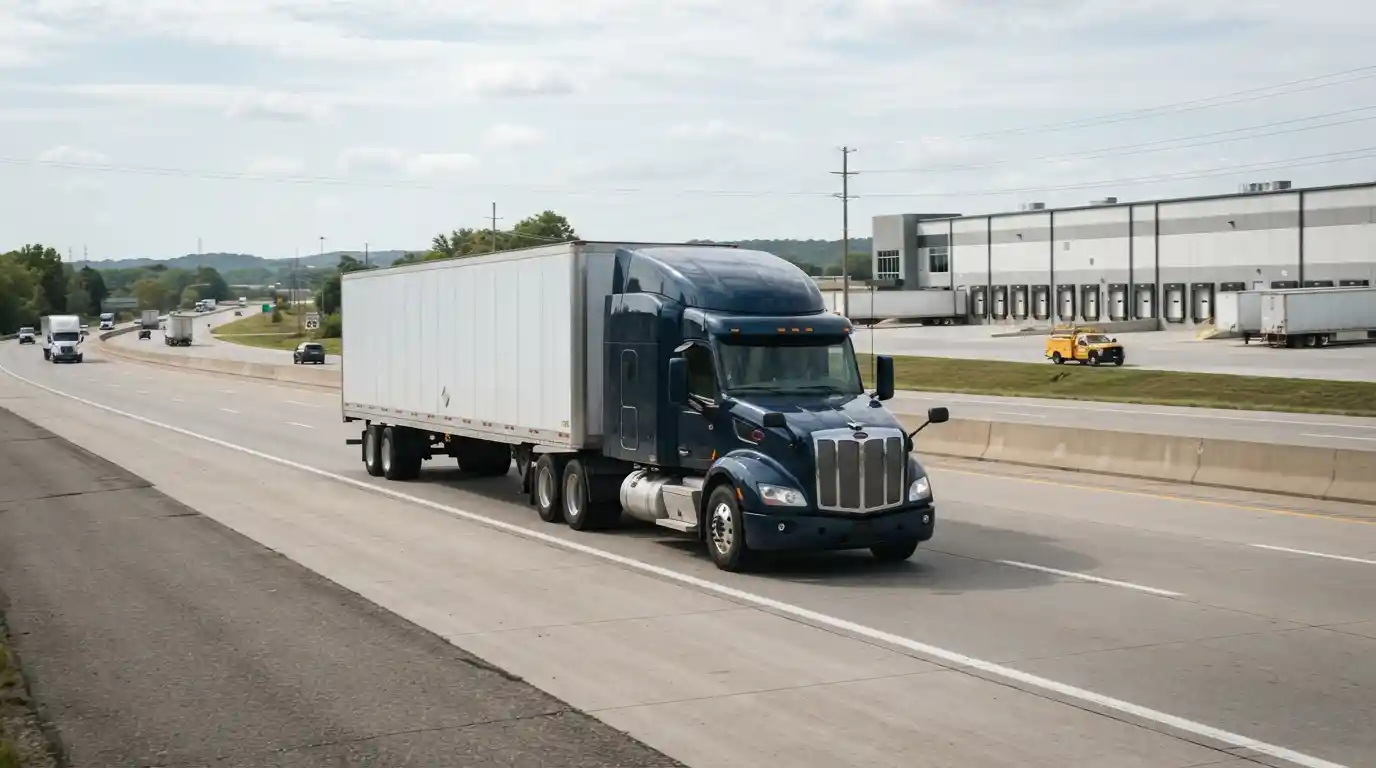
4D Trucking & Logistics Inc represents the type of freight-focused business that sits at the center of modern commercial transportation. As shipping requirements become more complex, businesses increasingly need dependable logistics partners that understand scheduling, freight coordination, transportation efficiency, and supply chain reliability.
Modern logistics is no longer simply about moving a shipment from one location to another. It involves planning, communication, technology, capacity management, route efficiency, compliance, and the ability to respond when circumstances change.
What Makes Modern Trucking and Logistics So Important?
Businesses depend on transportation at almost every stage of their operations. Raw materials must reach manufacturers, finished products need to reach distribution centers, and retailers require consistent inventory replenishment.
A transportation delay can therefore create consequences far beyond a single late delivery. It may interrupt production, increase storage costs, affect customer satisfaction, and create additional pressure across an entire supply chain.
This is why logistics providers have become strategic business partners rather than simply transportation vendors. Companies looking to understand the wider role of freight management can also explore how logistics management can improve supply chain efficiency.
The Core Role of a Trucking and Logistics Company
A trucking and logistics company helps businesses coordinate the physical movement of goods. Depending on the customer’s requirements, transportation may involve full truckload shipments, less-than-truckload freight, regional distribution, long-distance transportation, specialized equipment, or time-sensitive deliveries.
The exact combination of services depends on factors such as shipment size, destination, cargo characteristics, delivery deadlines, and available transportation capacity.
Companies operating in this sector must balance several priorities at the same time. Freight needs to arrive on schedule while transportation costs, fuel consumption, equipment utilization, and operational risks remain under control.
The growing complexity of supply chains has also created opportunities for logistics professionals. Businesses interested in this side of the industry may find logistics management careers and professional opportunities particularly relevant.
Full Truckload and Less-Than-Truckload Shipping
Two common approaches to commercial freight transportation are full truckload (FTL) and less-than-truckload (LTL) shipping.
Full Truckload Shipping
Full truckload transportation is generally used when a shipment requires most or all of a trailer’s available capacity. It can be suitable for larger shipments, direct transportation requirements, or situations where minimizing handling is important.
Because the shipment generally moves directly between its origin and destination, FTL transportation can offer businesses greater control over delivery schedules and cargo handling.
Less-Than-Truckload Shipping
LTL transportation allows multiple shipments to share available trailer capacity. This can make it practical for businesses that do not have enough freight to fill an entire trailer.
The trade-off is that LTL shipments may involve additional handling and multiple transportation stages. Businesses therefore need to consider both cost and delivery requirements when selecting the appropriate freight model.
Why Supply Chain Coordination Matters
Transportation is only one part of a much larger supply chain. Effective logistics requires coordination between suppliers, warehouses, manufacturers, distributors, carriers, and customers.
When these components operate independently, delays and communication problems can quickly develop. When they are coordinated effectively, businesses can improve inventory planning, transportation utilization, and delivery consistency.
The modern logistics industry increasingly relies on integrated systems to connect different operational functions. This broader approach is also reflected in discussions around enterprise IT and business integration strategies.
For logistics providers, integration can help connect transportation planning with customer communication, inventory information, shipment tracking, billing, and operational reporting.
Technology Is Transforming Freight Transportation
Technology has changed how trucking and logistics companies manage freight. Digital systems can provide better visibility into transportation operations and help businesses make decisions using current information.
Common technologies used throughout modern logistics operations include GPS tracking, transportation management systems, electronic documentation, digital dispatching, automated notifications, route-planning software, and data analytics.
These tools can help businesses understand where shipments are, identify potential delays, analyze transportation costs, and improve planning.
The wider business environment is experiencing the same transformation. Companies interested in how technology is changing commercial operations can explore digital transformation in business services.
Technology-focused companies are also developing solutions that influence how modern businesses operate. For example, business technology innovation demonstrates the broader movement toward digitally connected operations.
Route Planning and Transportation Efficiency
Efficient route planning is essential for controlling transportation costs. A poorly planned route can increase mileage, fuel consumption, driver hours, and delivery times.
Modern routing systems can evaluate factors such as distance, traffic conditions, delivery windows, road restrictions, and vehicle capacity. Better planning can help transportation companies reduce unnecessary mileage while maintaining realistic delivery schedules.
Route optimization also contributes to environmental efficiency because fewer unnecessary miles generally mean lower fuel consumption and reduced emissions.
The Growing Importance of Electric and Alternative Transportation
The transportation sector is gradually changing as businesses explore more efficient and sustainable vehicle technologies. Electric vehicles, alternative fuels, and improved vehicle efficiency are becoming increasingly important parts of the wider transportation conversation.
The broader impact of electric transportation can be seen in discussions about how electric vehicles are shaping modern transportation.
For freight companies, however, transitioning to alternative technologies involves practical considerations. Vehicle range, charging infrastructure, payload requirements, route length, operating costs, and regional availability all influence whether a particular technology is suitable.
Fleet modernization therefore needs to be approached according to actual transportation requirements rather than simply following a technology trend.
Fleet Maintenance and Vehicle Reliability
Reliable freight transportation depends heavily on properly maintained equipment. A mechanical problem can result in missed delivery windows, additional expenses, cargo complications, and operational disruption.
Regular inspections and preventive maintenance can help transportation businesses identify potential problems before they become serious failures.
The wider automotive service industry provides useful insight into the importance of vehicle reliability. Businesses can also explore topics such as professional vehicle servicing and maintenance and vehicle electrical services to understand different aspects of maintaining transportation equipment.
Safety and Compliance in Commercial Freight
Safety is a fundamental component of professional trucking. Transportation businesses must consider driver safety, vehicle condition, cargo security, operating procedures, and applicable transportation requirements.
Commercial carriers also need processes for managing documentation, inspections, driver records, and other compliance responsibilities.
A strong safety culture benefits both transportation providers and their customers. Businesses selecting a freight partner should therefore look beyond pricing and consider the provider’s approach to safety, communication, equipment, and operational reliability.
How Freight Costs Are Determined
Freight pricing can vary considerably depending on the shipment and transportation requirements. There is no single rate that applies to every type of commercial shipment.
Several factors can influence the final transportation cost, including:
- Shipment weight and dimensions
- Total transportation distance
- Type of equipment required
- Fuel prices
- Pickup and delivery requirements
- Seasonal transportation demand
- Special handling requirements
- Shipment urgency
- Available transportation capacity
Businesses can often improve transportation efficiency by comparing freight requirements with the appropriate shipping method instead of automatically choosing the fastest or largest option.
Logistics and the Modern Business Environment
Transportation does not operate separately from the broader business environment. Changes in consumer behavior, technology, international trade, manufacturing, and e-commerce can all influence freight demand.
For example, businesses experiencing growth may require more frequent transportation services, while companies changing suppliers may need to redesign their distribution networks.
Trade policy can also affect businesses that rely on transportation and imported goods. Understanding how trade developments affect small and local businesses can therefore provide useful context for companies managing supply chains.
Digital Marketing and Logistics Businesses
Even highly operational industries such as trucking and logistics increasingly depend on digital visibility. Potential customers often research transportation companies online before requesting information or establishing a business relationship.
A professional digital presence can help logistics companies explain their services, demonstrate expertise, communicate service areas, and build credibility.
Small and growing transportation companies may benefit from understanding digital marketing strategies for small businesses, particularly when competing with larger transportation brands.
Digital transformation can also extend beyond marketing. Online customer portals, electronic documents, automated notifications, and digital communication systems can make logistics interactions more convenient for customers.
What Businesses Should Look for in a Freight Partner
Choosing a transportation provider is an important business decision. Companies should evaluate a potential logistics partner according to the requirements of their own supply chain rather than relying solely on price.
1. Reliability
A freight provider should have processes designed to support consistent pickup and delivery performance.
2. Communication
Clear communication is particularly important when schedules change or unexpected transportation problems occur.
3. Equipment
The provider should have access to equipment that is appropriate for the type of freight being transported.
4. Capacity
Businesses should consider whether a provider can handle current transportation requirements as well as potential future growth.
5. Technology
Tracking and digital communication can provide businesses with greater visibility throughout the transportation process.
6. Safety and Compliance
Businesses should evaluate a provider’s commitment to safe transportation practices and applicable requirements.
7. Industry Experience
Experience with specific cargo types, transportation routes, or business sectors can be valuable when freight requirements become more complicated.
The Future of Trucking and Logistics
The trucking and logistics industry will continue evolving as businesses demand faster delivery, better visibility, improved efficiency, and more sustainable transportation options.
Automation, artificial intelligence, connected vehicles, route optimization, digital freight platforms, and alternative vehicle technologies are likely to influence how transportation companies operate.
At the same time, the fundamental requirements of freight transportation will remain familiar: safe equipment, reliable drivers, efficient planning, clear communication, and dependable delivery.
Transportation businesses that combine these fundamentals with modern technology can position themselves to serve increasingly complex supply chains.
The growth of connected transportation is also part of a broader shift toward smarter mobility. Businesses interested in this trend can explore the changing landscape of modern vehicle services and the wider evolution of transportation technology.
Frequently Asked Questions
What does a trucking and logistics company do?
A trucking and logistics company helps businesses transport goods between suppliers, warehouses, distribution centers, retailers, and customers. Services can vary depending on shipment size, distance, equipment, and delivery requirements.
What is the difference between FTL and LTL?
FTL, or full truckload shipping, generally involves dedicating an entire trailer to one shipment. LTL, or less-than-truckload shipping, allows multiple shipments to share trailer capacity.
Why is shipment tracking important?
Shipment tracking provides businesses with greater visibility into transportation progress. It can help logistics teams identify delays, communicate with customers, and make better operational decisions.
How can businesses reduce freight costs?
Businesses can evaluate shipment consolidation, route planning, transportation modes, delivery schedules, packaging efficiency, and carrier options to identify opportunities for reducing unnecessary transportation expenses.
Why is preventive maintenance important for trucking companies?
Preventive maintenance helps identify potential vehicle problems before they result in unexpected breakdowns. Reliable equipment can support safer and more consistent transportation operations.
What should businesses consider when choosing a logistics provider?
Businesses should consider reliability, safety, communication, equipment, capacity, technology, geographic coverage, experience, and pricing when evaluating a freight transportation provider.
Conclusion
Reliable freight transportation is essential for businesses that depend on consistent movement of products and materials. A modern trucking and logistics provider must do more than move cargo; it must support efficient planning, communication, safety, technology adoption, and supply chain resilience.
For companies evaluating providers such as 4D Trucking & Logistics Inc, the most important consideration is whether the transportation solution aligns with the company’s actual freight requirements, delivery expectations, operational priorities, and long-term growth.
As logistics continues to become more technology-driven and interconnected, businesses that build strong transportation partnerships will be better positioned to manage changing customer expectations and maintain dependable supply chains.