
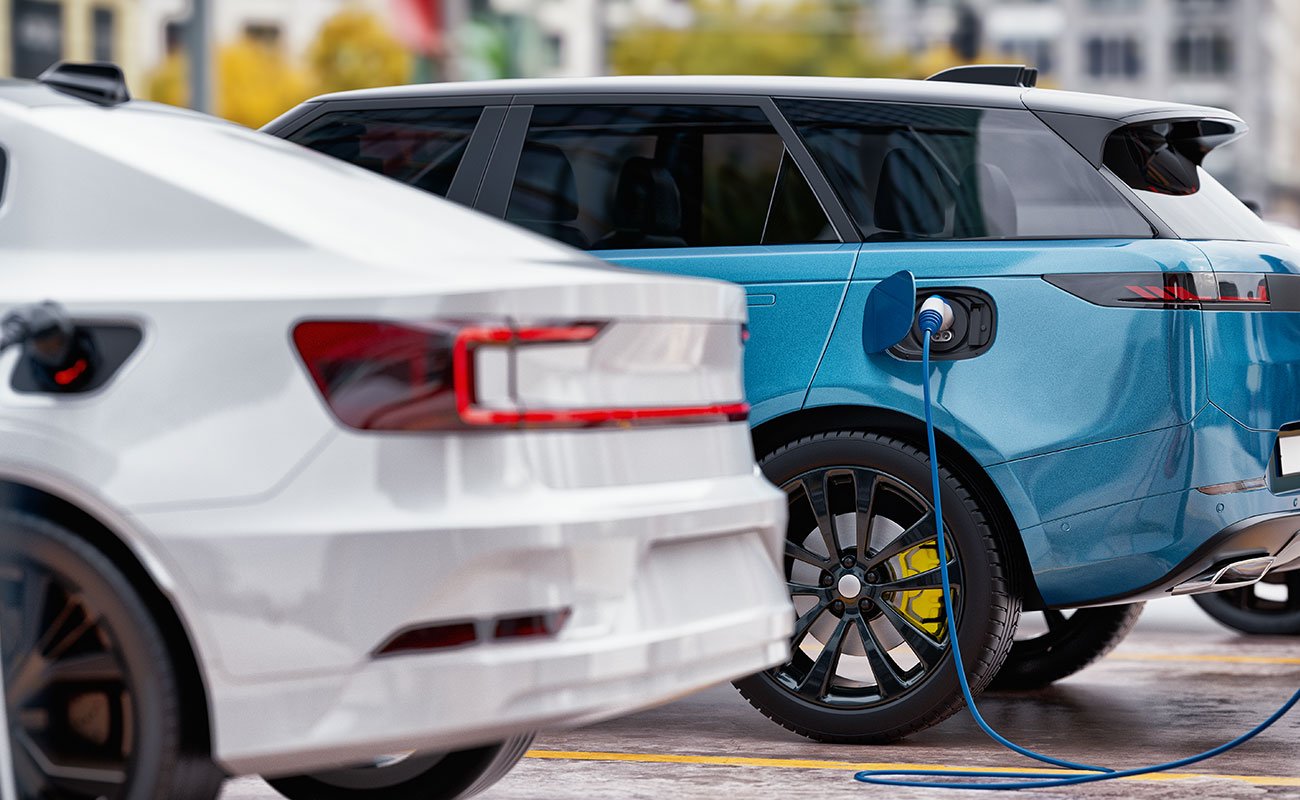
For over a century, the rhythm of urban life has been dictated by the roar of internal combustion engines, the thick haze of exhaust fumes, and the constant hum of fossil-fuel dependency. Today, however, cityscapes across the globe are undergoing a profound transformation.
As metropolitan areas expand and environmental pressures mount, urban mobility is experiencing a radical paradigm shift. At the core of this revolution is the mass adoption of electric vehicles (EVs). From nimble two-wheelers and shared micro-mobility fleets to zero-emission public buses and private passenger cars, electric mobility is redefining how people navigate cities, commute to work, and experience daily urban life.
Understanding how EVs are shaping the future of urban commutes requires looking beyond simple vehicle replacements. It involves analyzing a complex ecosystem of technological innovation, smart city infrastructure, shifting consumer habits, and environmental policy. Urban centers are densely populated hubs where congestion, air pollution, and noise levels have historically compromised quality of life. The transition to electric transport offers a powerful antidote to these challenges, promising cleaner air, quieter streets, and more efficient traffic flow.
For modern organizations and city planners seeking to understand broader transportation shifts, exploring insights on future mobility trends, such as those discussed in frameworks like how evs are shaping the future of urban commutes, provides a clear roadmap for sustainable metropolitan development.
The Environmental and Health Imperative in Dense Metros
The most immediate and visible impact of electric vehicle adoption in urban environments is the dramatic improvement in air quality and acoustic comfort. Traditional gasoline and diesel vehicles pump staggering amounts of particulate matter, nitrogen oxides, and carbon monoxide into the atmosphere. In congested city centers where traffic frequently crawls at bumper-to-bumper speeds, idling combustion engines create localized pollution hotspots that directly endanger public health.
Electric vehicles produce zero tailpipe emissions. When cities integrate EVs into their daily transport networks, residents experience immediate relief from smog and respiratory irritants. Furthermore, electric motors operate with virtually zero mechanical noise compared to their combustion counterparts. The elimination of engine roar significantly lowers urban noise pollution, creating calmer, more livable public spaces.
As municipalities enforce stricter low-emission zones, maintaining sustainable operational models—whether through green transport or adjacent infrastructural improvements like understanding the environment protection act rules a tycoon s guide—becomes essential for urban compliance and community well-being.
Transforming Public Transit and Shared Mobility Fleets
While personal electric cars receive significant media attention, the true backbone of sustainable urban commuting lies in the electrification of public transit and shared fleet services. City buses, municipal delivery vans, and ride-hailing fleets cover thousands of urban miles every day, making their transition to electric power a high-impact strategy for reducing carbon footprints.
Electric buses and delivery fleets remove massive quantities of emissions from congested corridors. Additionally, the integration of EVs into Mobility-as-a-Service (MaaS) platforms allows urban commuters to access shared electric cars, e-bikes, and scooters on demand.
This shared economy approach reduces overall vehicle ownership rates, freeing up valuable urban land traditionally wasted on parking spaces. Ensuring seamless logistical coordination for these expanding urban fleets mirrors the optimization strategies seen in commercial sectors, such as those analyzed in 4d trucking logistics inc reliable freight solutions for modern businesses.
Key Insight: Electrifying urban fleets and public transit systems achieves maximum carbon reduction while freeing up city space previously dominated by parking infrastructure.
Smart Charging Infrastructure and Energy Integration
The widespread integration of electric vehicles into urban commutes introduces unique infrastructural demands, primarily concerning power grid capacity and charging availability. Unlike traditional gas stations clustered on highways, urban EV charging must be seamlessly woven into the fabric of daily city life—installed in workplace parking garages, street lamps, residential apartment complexes, and curbside bays.
Modern cities are adopting smart charging grids that leverage artificial intelligence and peak-load balancing to prevent grid overloads. Vehicle-to-Grid (V2G) technology further transforms EVs from passive power consumers into active energy storage units.
During peak daylight hours, parked electric vehicles can feed excess energy back into the local grid or power municipal buildings. Managing these complex power networks requires advanced technical frameworks, similar to the precision engineering and operational insights found in azex flow technologies revolutionizing industrial efficiency and innovation.
Autonomous Driving and AI-Powered Traffic Management
Electric vehicles serve as the ideal hardware platform for the integration of advanced software, artificial intelligence, and autonomous driving systems. Software-defined electric vehicles communicate continuously with traffic management infrastructure, emergency services, and fellow commuters. This connectivity optimizes traffic light sequencing, reduces bottlenecks, and dynamically routes public transit vehicles around congestion.
In many metropolitan testbeds, autonomous electric shuttles and robotaxis are already handling first-mile and last-mile connectivity. By smoothing out erratic driving behaviors and eliminating human error, autonomous EVs maximize road capacity and enhance safety for pedestrians and cyclists.
For businesses and technology providers looking to capitalize on these digital transformations, understanding the digital landscape is as crucial as physical vehicle manufacturing, echoing strategies discussed in mastering digital marketing remote economy.
Overcoming Urban Adoption Challenges
Despite the undeniable long-term benefits, the transition to fully electric urban commutes faces several distinct hurdles. High upfront vehicle acquisition costs, range anxiety among drivers living in multi-family apartments without dedicated home chargers, and the uneven distribution of public charging stations remain persistent challenges in many developing urban centers.
To overcome these barriers, city planners and automotive manufacturers must collaborate on innovative financing, robust charging subsidies, and standardized charging protocols.
Ensuring affordable financing options for everyday commuters is vital to prevent sustainable transport from becoming an exclusive luxury. Programs that simplify vehicle acquisition—analogous to specialized consumer finance models explored in mt09 finance unlocking your dream motorcycle with easy financing options—can democratize access to electric mobility.