
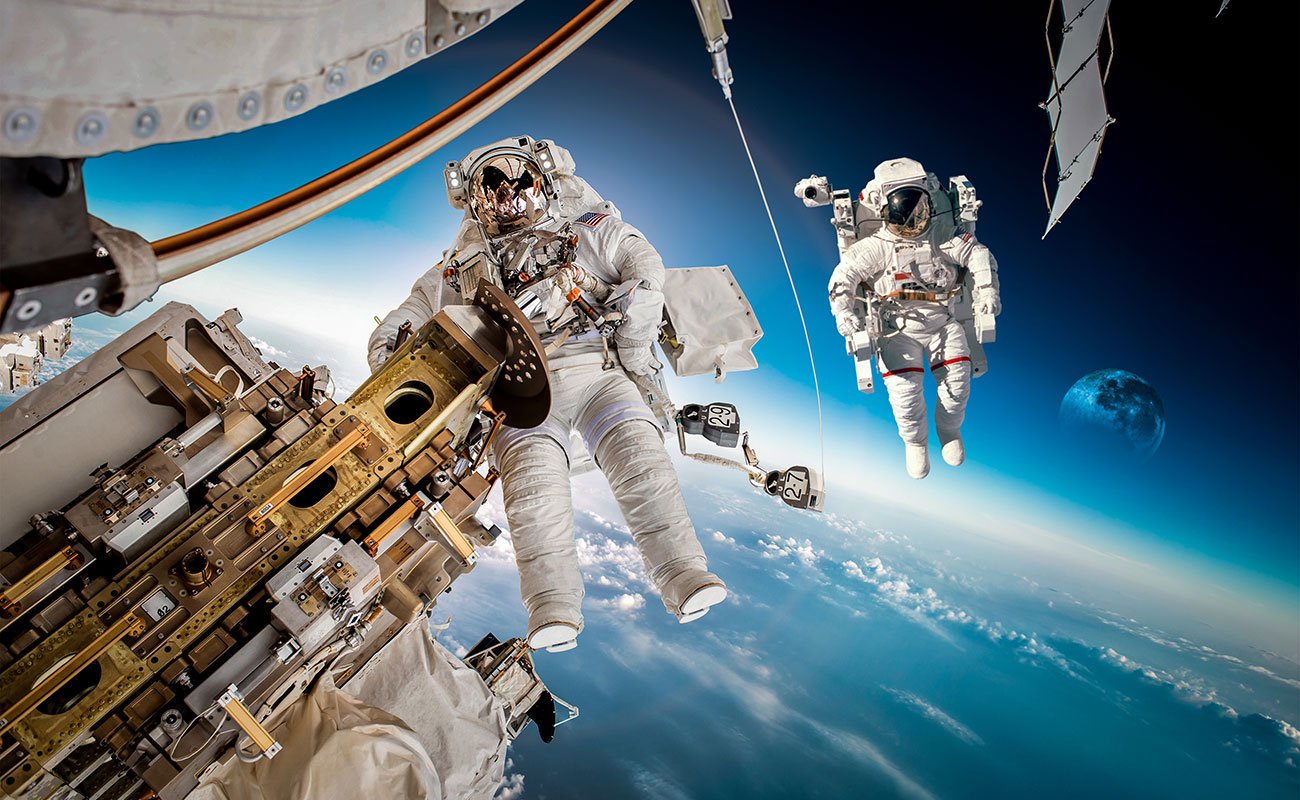
For centuries, humanity has looked up at the rust-colored dot in the night sky and wondered what it would be like to stand on alien soil. Mars has long captured the collective imagination of scientists, dreamers, and explorers as the next logical frontier for human civilization. Today, that celestial daydream is rapidly transitioning into a concrete technical reality.
NASA, alongside international space agencies and commercial aerospace partners, is deep into the architectural planning, technological prototyping, and testing phases required to launch the first crewed mission to the Red Planet.
However, sending human beings on a round trip spanning hundreds of millions of miles presents the most complex engineering, biological, and logistical challenge in human history. To appreciate the scale of this monumental undertaking, examining how high-level project frameworks and strategic execution work in other complex arenas, such as those analyzed in enterprise it marketing integration strategy, offers a window into managing colossal multi-year initiatives.
This comprehensive guide explores NASA’s blueprint for landing humans on Mars, the technological hurdles involved, and how our species is preparing to take its greatest leap yet.
The Artemis Program: The Stepping Stone to Mars
Before launching astronauts toward Mars, NASA must first establish a sustainable, long-term human presence in deep space closer to home. This crucial testing ground is the Artemis program. By returning humans to the lunar surface and establishing Artemis Base Camp, NASA is validating the life support systems, radiation shielding, autonomous habitats, and in-situ resource utilization (ISRU) technologies that will be mandatory for the Martian journey.
The Moon serves as the ultimate proving ground. If a piece of equipment fails on the Moon, a rescue or resupply mission can return astronauts to Earth within days. On a Mars mission, however, communication delays of up to 24 minutes each way and a total transit time of nearly three years mean the crew must be entirely self-reliant.
Managing such intricate logistical chains and mission safety protocols mirrors the precise supply chain coordination explored in first alliance logistics management revolutionizing supply chain efficiency.
Overcoming the Brutal Challenges of Deep Space Travel
The voyage to Mars is drastically different from a trip to the International Space Station or even the Moon. The hazards awaiting a crewed mission are severe and require innovative engineering solutions:
- Cosmic Radiation and Solar Flares: Outside Earth’s protective magnetic field, astronauts are exposed to dangerous levels of galactic cosmic rays and solar particle events, which increase cancer risks and cellular damage. Advanced shielding materials and storm shelters inside the spacecraft are vital.
- Microgravity Muscle and Bone Loss: Months of weightlessness cause significant bone density loss and muscle atrophy. Rigorous daily countermeasure exercise regimens and artificial gravity concepts are under active study.
- Psychological Isolation: Being cut off from Earth for years, confined in a cramped spacecraft with a small crew, places immense psychological strain on astronauts. Advanced behavioral health monitoring and autonomous problem-solving capabilities are critical.
- Communication Latency: Radio signals take between 4 and 24 minutes to travel between Earth and Mars, rendering real-time mission control support impossible and requiring astronauts to make high-stakes decisions independently.
Mitigating these complex physiological and technical risks demands the same relentless dedication to quality and safety found in premier customer service and operational sectors, such as those highlighted in triumph home services reviews why customers trust this leading home service provider.
Key Insight: A crewed mission to Mars is not just a rocketry challenge; it is a profound exercise in human biology, closed-loop life support engineering, and autonomous operational survival.
The Spacecraft and Propulsion Revolution
To reach Mars efficiently, traditional chemical rockets are reaching their practical limits. While chemical propulsion will launch the spacecraft from Earth’s gravity well, transit to Mars requires faster, more efficient propulsion systems to reduce travel time and minimize crew exposure to deep-space radiation.
NASA and its partners are actively investigating Nuclear Thermal Propulsion (NTP) and Nuclear Electric Propulsion (NEP) systems. Nuclear thermal rockets heat liquid hydrogen through a nuclear reactor, generating thrust that is roughly twice as efficient as chemical rockets, thereby cutting transit time significantly.
Developing these bleeding-edge propulsion and power technologies reflects the same spirit of innovation driving technological transformation in modern industries, such as those examined in algort technologies revolutionizing business innovation and growth today.
Surface Operations: Living and Working on the Red Planet
Once the crew successfully lands on the Martian surface using supersonic retropropulsion and precision guided-entry systems, the real work begins. Astronauts will spend up to 500 days on the surface conducting geological surveys, searching for ancient biosignatures of microbial life, and testing ISRU technologies designed to extract water ice from Martian soil and convert atmospheric carbon dioxide into breathable oxygen and rocket propellant for the return trip home.
Living quarters will likely consist of inflatable habitats deployed robotically before the crew arrives, coupled with pressurized rover vehicles that allow scientists to travel vast distances across craters, riverbeds, and volcanic plains.
Frequently Asked Questions
1. When does NASA plan to land the first humans on Mars?
2. How long will the entire Mars mission take?
3. How will astronauts breathe and make fuel on Mars?
4. Can communication happen in real-time with Earth?
The Dawn of a Multi-Planetary Future
As NASA and global collaborators refine their architectures for the journey to Mars, we stand on the precipice of a new epoch in human history. The challenges—ranging from cosmic radiation and deep-space habitation to advanced nuclear propulsion—are immense, but human ingenuity has consistently turned seemingly impossible sci-fi dreams into waking reality.
The first footprints pressed into the crimson dust of Mars will not merely represent a scientific triumph; they will signify humanity’s graduation into a truly multi-planetary species, securing our legacy among the stars.