
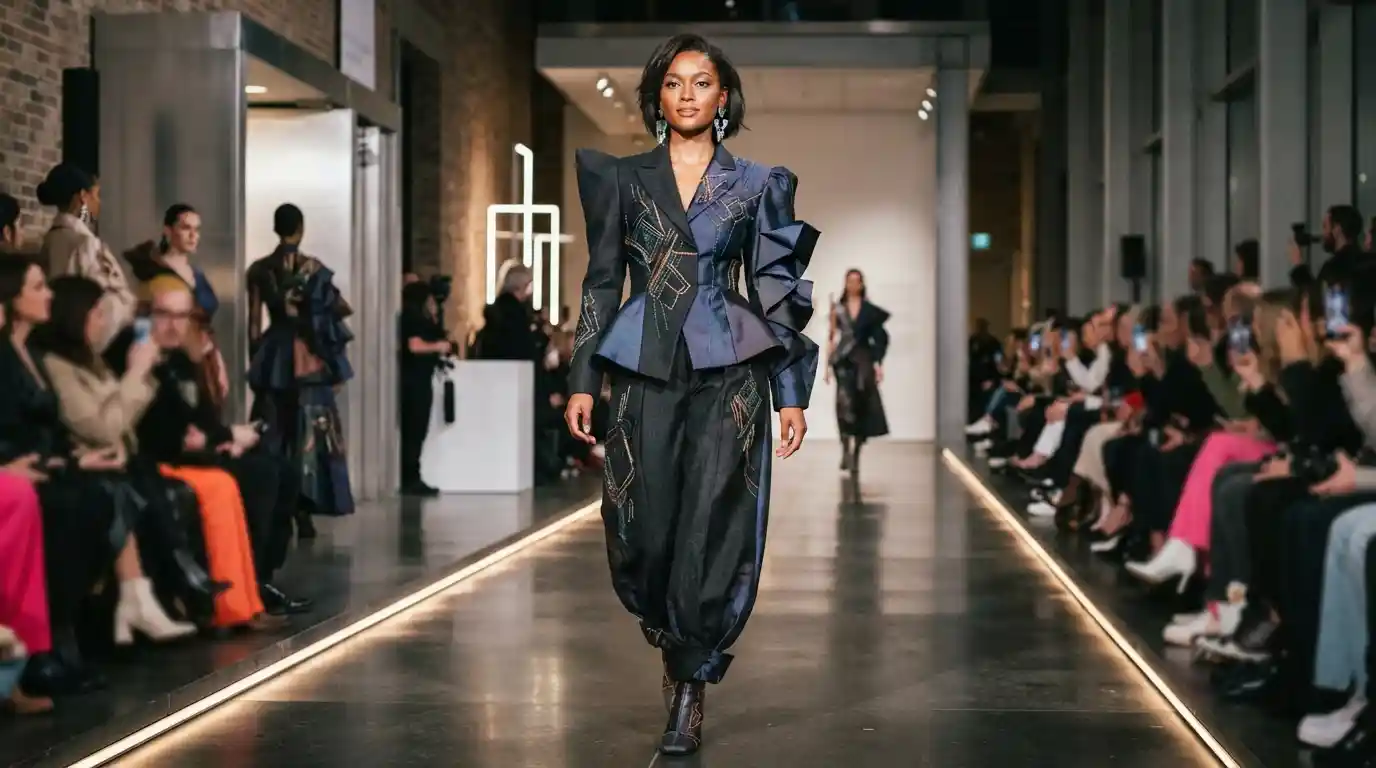
For anyone interested in contemporary fashion, student design, creative education, or the future of the industry, the show provided more than a traditional runway experience. It demonstrated how young designers can combine technical skills with personal ideas to create collections that feel distinctive, purposeful, and connected to wider cultural conversations.
The event also fits naturally into the wider world of exclusive fashion and timeless style, while showing how tomorrow’s designers are developing their own visual languages rather than simply following established trends.
What Was the CCAD Fashion Show 2025?
The CCAD Fashion Show is an annual showcase connected to the Fashion Design program at Columbus College of Art & Design. The 2025 edition took place on May 15 at the Joseph V. Canzani Center in Columbus, Ohio, bringing the work of graduating fashion students to a live audience.
Each collection represented months of creative development, from initial concepts and material choices to construction, styling, and runway presentation. That process makes a student fashion show particularly interesting because viewers can see not only finished garments but also the ideas and experimentation behind them.
The 2025 event highlighted a diverse range of creative approaches. Collections drew inspiration from subjects including Western aesthetics, nostalgia, film, cultural identity, historical references, and unconventional materials. Hand-painted textiles, embroidery, denim, bottle caps, and other unexpected elements helped demonstrate the range of techniques being explored by the designers.
This combination of experimentation and craftsmanship is one reason fashion education remains important to the development of the industry. Students are able to test ideas in a creative environment before entering professional design, styling, costume, textile, or related careers.
Why the CCAD Fashion Show Matters
Fashion shows connected to design schools serve a different purpose from commercial runway events. Instead of presenting established brands and seasonal retail collections, they provide a platform for emerging designers who are still developing their creative identities.
The CCAD Fashion Show 2025 reflected that role particularly well. The collections were not limited to one aesthetic direction. Instead, they demonstrated different ways of thinking about clothing, materials, storytelling, construction, and personal expression.
For aspiring designers, this type of presentation can also function as an introduction to the professional world. A finished runway collection allows students to demonstrate their ability to develop a concept, create garments, work with materials, and communicate a visual idea through a cohesive body of work.
Readers interested in the broader development of fashion can also explore fashion trends emerging from major fashion weeks to compare established industry movements with the more experimental approaches found in student collections.
Creative Themes Seen at the 2025 Show
Western-Inspired Fashion
Western clothing was among the influences represented in the 2025 collections. Rather than treating Western wear as a fixed historical category, student designers used recognizable elements as a starting point for more contemporary interpretations.
Details associated with cowboy clothing, including structured silhouettes and traditional Western references, can be transformed through unexpected proportions, playful styling, or combinations with other fashion influences.
This approach illustrates an important principle in modern design: familiar visual references can become fresh when they are reinterpreted through a new creative perspective.
Nostalgia and Childhood Influences
Nostalgia was another important creative direction. Childhood memories can provide designers with a rich source of color, texture, character, and storytelling.
When nostalgic references are translated into contemporary garments, the result does not necessarily look like a literal recreation of the past. Instead, designers can isolate particular memories or visual details and transform them into new silhouettes and textile treatments.
This same relationship between nostalgia and personal style can be explored through fashion influenced by imaginative childhood aesthetics.
Film and Costume Inspiration
Film has always influenced fashion, from character costumes to broader visual aesthetics. At CCAD’s 2025 show, cinematic inspiration demonstrated how clothing can contribute to storytelling.
Costume-oriented thinking encourages designers to consider more than appearance. Garments can communicate personality, setting, mood, movement, and narrative. Those principles are useful not only for film costume designers but also for fashion designers working on collections intended to create a strong emotional impression.
Cultural Heritage and Identity
Fashion can also provide a way for designers to explore heritage and identity. Personal experiences, family histories, cultural references, and community traditions can all influence choices involving textiles, silhouettes, colors, decoration, and construction.
When these references are handled thoughtfully, a collection can become more than a sequence of attractive garments. It can communicate something about the person who created it and the experiences that shaped their creative perspective.
For another perspective on cultural clothing and contemporary design, see modern interpretations of traditional fashion design.
Materials and Craftsmanship
One of the most interesting aspects of student fashion shows is the opportunity to see unconventional materials used in new ways. The 2025 CCAD collections included examples of hand-painted fabrics, intricate embroidery, denim, and unexpected everyday materials.
Material experimentation can dramatically change the character of a garment. A familiar textile may become visually striking through surface decoration, while an ordinary object can gain new meaning when incorporated into a carefully constructed fashion piece.
Craftsmanship remains equally important. Strong fashion concepts depend on construction techniques that allow the final garment to communicate the designer’s original intention.
The relationship between materials and visual identity can also be seen in fashion retail and design environments, where material choices, styling, and presentation contribute to how consumers experience clothing.
How Student Designers Approach Fashion Differently
Emerging designers often have greater freedom to experiment than established commercial brands. Without an existing customer base or long-established visual identity, students can explore unusual ideas and take creative risks.
That freedom was evident in the range of approaches presented at CCAD. Some collections emphasized recognizable cultural or historical references, while others focused on unusual materials, emotional storytelling, exaggerated forms, or playful styling.
The result is a reminder that fashion does not have to be limited to questions of practicality or commercial appeal. Clothing can also function as art, communication, cultural commentary, and personal storytelling.
For readers exploring the relationship between fashion and visual culture, fashion as a form of creative expression offers another useful perspective.
From Fashion School to the Industry
A major purpose of a graduation fashion show is to help students transition from education toward professional opportunities. Building a collection requires designers to manage a creative concept while also dealing with deadlines, construction, presentation, and consistency.
Those skills can be useful across many careers. Graduates may pursue fashion design, costume design, accessory design, pattern design, print design, boutique ownership, styling, textile development, or other creative roles.
The runway also gives students a portfolio-worthy body of work. A cohesive collection can communicate a designer’s strengths more effectively than individual classroom exercises because it demonstrates the ability to sustain a creative concept across multiple looks.
Fashion’s professional side extends beyond clothing itself. Branding, communication, digital marketing, photography, retail, merchandising, and visual storytelling all influence how a collection reaches an audience.
Readers interested in the business side of creative industries can also explore digital marketing strategy and brand development as complementary areas for modern fashion businesses.
How Fashion Trends Continue to Evolve
The CCAD Fashion Show 2025 is useful as a snapshot of emerging design thinking because student collections often reveal ideas before they become widely commercialized.
Some designers may eventually influence mainstream fashion through new approaches to silhouettes, textiles, sustainability, cultural storytelling, or technology. Others may take their ideas into costume design, independent labels, editorial styling, or completely different creative fields.
Fashion’s direction is rarely determined by a single trend. Instead, the industry develops through overlapping influences. Established aesthetics can return in new forms, while new materials and cultural references can introduce entirely different visual languages.
That ongoing cycle can be seen in discussions surrounding Japanese visual culture and distinctive design influences, as well as in the wider evolution of international fashion.
Fashion, Art, and Personal Storytelling
One of the strongest qualities of an educational fashion showcase is its connection to other creative disciplines. Fashion designers frequently draw inspiration from photography, painting, film, architecture, music, history, illustration, and popular culture.
This cross-disciplinary approach makes fashion particularly dynamic. A designer can begin with an image, memory, object, character, or social observation and eventually translate that idea into fabric, shape, movement, and construction.
The connection between fashion and art is especially visible when designers treat garments as objects rather than simply functional clothing. Surface treatments, sculptural silhouettes, unusual construction, and experimental materials can make a garment resemble a wearable artwork.
Readers interested in the wider relationship between fashion and creative culture may also enjoy fashion design and designer culture.
The Role of Columbus in Emerging Fashion
Columbus provides an interesting setting for a student fashion showcase because the city has an established creative and fashion community. Events connected to design education can help students interact with audiences beyond the classroom and introduce their work to people interested in the local creative economy.
The CCAD Fashion Show therefore represents more than an end-of-year academic presentation. It connects education, creative practice, audience engagement, and the professional fashion environment.
That connection can be valuable for students who want to remain in Columbus after graduation as well as those planning to pursue opportunities elsewhere.
What the CCAD Fashion Show Says About the Future of Fashion
The future of fashion will not be defined by one aesthetic. The 2025 CCAD collections demonstrate why emerging designers need room to explore different perspectives and techniques.
Future designers may combine traditional craftsmanship with digital tools, sustainable materials, unconventional objects, cultural storytelling, or new approaches to garment construction. Their work may also challenge traditional boundaries between fashion, art, entertainment, and technology.
For this reason, student showcases are worth following even for people who are not planning careers in fashion. They provide an early look at how creative thinkers are responding to changes in culture, technology, identity, and consumer expectations.
The broader world of creative experimentation can also be explored through international runway trends and timeless fashion movements.
Related Fashion and Style Topics
The CCAD Fashion Show sits within a much larger fashion ecosystem. Readers interested in continuing their exploration can discover related perspectives on emerging fashion design, traditional fashion reinterpretation, and modern style and elegance.
Other creative topics include playful fashion influences, fashion and music culture, functional fashion and outerwear, and the relationship between fashion, beauty, and personal presentation.
For a broader lifestyle perspective, readers can also explore luxury lifestyle trends, stylish interior design, and fashion shopping experiences.
Final Thoughts
The CCAD Fashion Show 2025 offered a valuable glimpse into the ideas, skills, and experimentation shaping the next generation of fashion designers. From Western-inspired concepts and childhood nostalgia to cultural storytelling, cinematic influences, embroidery, painted textiles, denim, and unconventional materials, the collections demonstrated how broad contemporary fashion can be.
More importantly, the show highlighted the role of fashion education in giving emerging designers the space to experiment. A successful fashion collection is not simply about producing attractive clothing; it involves research, concept development, craftsmanship, communication, styling, and the ability to turn an idea into a coherent visual experience.
As these designers move from the classroom into the wider creative industry, their work may take many different directions. Some will build independent labels, others may enter established fashion companies, and some may explore costume, textiles, accessories, styling, or other creative disciplines.
That uncertainty is part of what makes emerging fashion so interesting. The runway does not just show what designers have created today. It can also offer clues about the creative possibilities they may explore tomorrow.



