
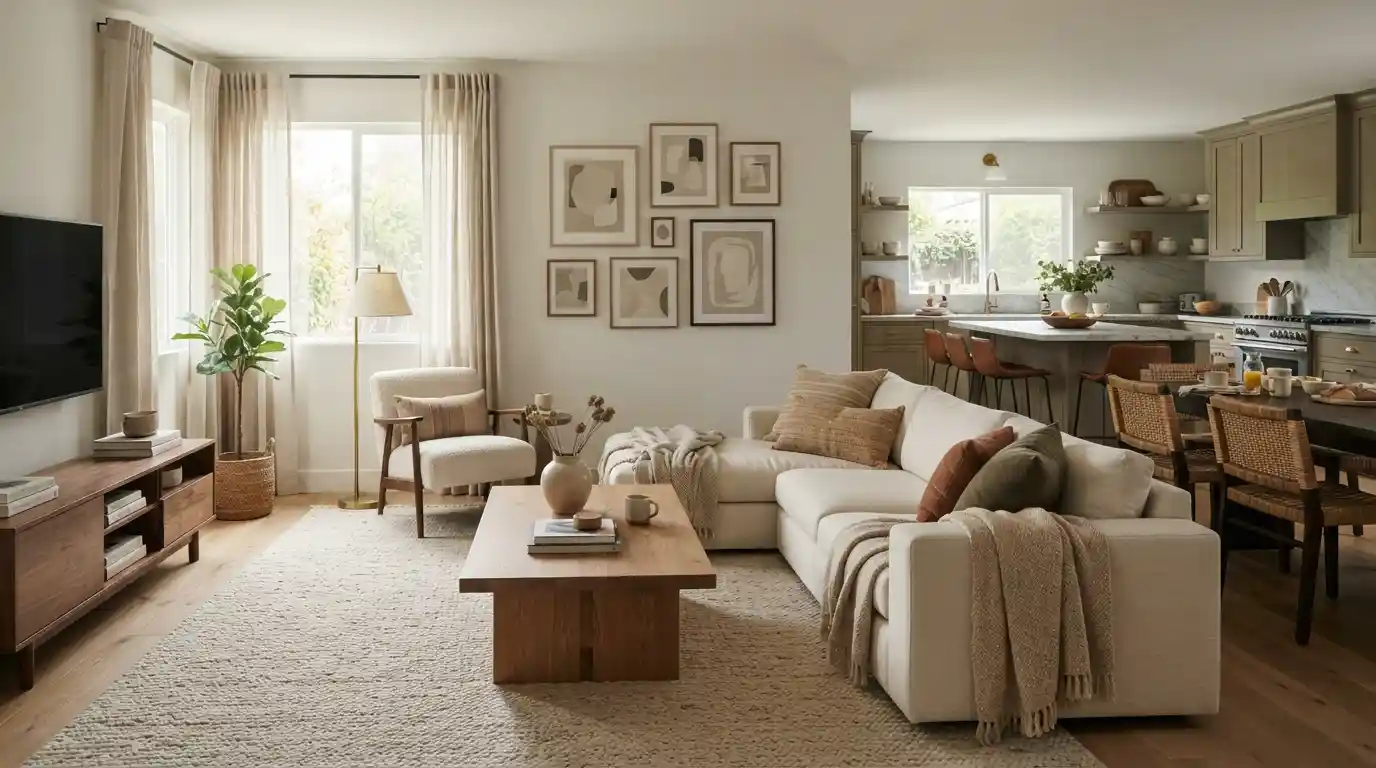
Good decorating is not necessarily about buying more furniture or following every trend. It is about making thoughtful decisions about color, layout, lighting, texture, storage, furniture, artwork, and the way each room connects with the next.
From cozy living rooms and practical kitchens to peaceful bedrooms and organized entryways, this guide explains how to create a home that feels stylish without sacrificing functionality.
What Makes Good Home Decor?
Effective home decor combines three things: visual appeal, comfort, and practicality. A room can look impressive in photographs but still be frustrating to live in if the furniture blocks movement, storage is inadequate, or lighting is uncomfortable.
A successful decorating plan should therefore answer a few basic questions:
- How will the room actually be used?
- What furniture is essential?
- Where should people naturally move through the space?
- Which colors and materials create the desired mood?
- How much storage is needed?
- Where should lighting be concentrated?
- Which decorative pieces add personality without creating clutter?
Thinking about these questions first can prevent expensive decorating mistakes later.
Start With the Function of Each Room
Before choosing paint colors, accessories, or furniture, define the primary purpose of the room. A living room designed for family movie nights will require a different arrangement from a formal entertaining space. A bedroom should prioritize rest and calm, while a home office needs lighting, organization, and comfortable working space.
Function should guide the design rather than becoming an afterthought.
This principle also matters when considering the wider property. Homeowners interested in how housing decisions influence the way people use and improve their homes may also find our discussion of housing policy and the housing crisis useful background.
Choose a Consistent Interior Style
You do not have to follow one strict decorating style throughout the entire home. However, creating a visual connection between rooms helps the property feel intentional rather than random.
Popular approaches include modern, contemporary, minimalist, traditional, Scandinavian, rustic, transitional, industrial, and eclectic interiors.
A practical strategy is to choose one dominant style and then introduce small elements from other styles. For example, a contemporary room can become warmer with natural wood, woven textures, vintage artwork, or traditional accessories.
If you enjoy exploring broader lifestyle and living trends, our guide to luxury living trends and lifestyle ideas can provide additional inspiration.
Build a Color Palette Before Decorating
Color is one of the most powerful tools in interior design. It can influence how large, bright, warm, or relaxing a room feels.
Instead of selecting individual colors randomly, create a simple palette with three levels:
- Base color: the dominant wall, floor, or large-furniture color.
- Supporting color: a secondary shade used across furniture, curtains, rugs, or cabinetry.
- Accent color: a stronger color introduced through cushions, artwork, decorative objects, or smaller furniture.
Neutral colors such as warm white, beige, cream, gray, taupe, and soft brown provide flexible foundations. Stronger colors can then be introduced without overwhelming the room.
For a more sophisticated look, repeat the same accent color in several areas instead of concentrating it in one corner.
Make the Living Room Comfortable and Balanced
The living room is often the social center of a home, so it needs to balance comfort, conversation, entertainment, and visual appeal.
Plan the Furniture Around Conversation
A common mistake is pushing every piece of furniture against the walls. While this can create open floor space, it can also make the room feel disconnected.
Instead, arrange seating so people can comfortably talk to one another. A sofa, accent chairs, coffee table, and occasional tables should create a natural conversational zone.
Use the Right-Size Rug
A properly sized rug can visually connect furniture and make a living room feel more finished. Ideally, the rug should relate to the seating arrangement rather than appearing like a small island underneath the coffee table.
Create a Focal Point
Every living room benefits from something that immediately attracts attention. Depending on the room, this could be a fireplace, artwork, television wall, architectural feature, large window, or carefully styled furniture arrangement.
Wall art can be especially effective. A thoughtfully selected photographic or artistic piece can introduce personality without requiring a major renovation. For example, horse photography wall art demonstrates how imagery can become a strong visual element within a room.
Use Lighting to Change the Mood
Good lighting is essential to successful home decor. A room with beautiful furniture can still feel flat if it relies on a single harsh overhead fixture.
Use several layers of lighting:
- Ambient lighting: general illumination for the room.
- Task lighting: focused light for reading, cooking, working, or other activities.
- Accent lighting: lighting used to highlight artwork, architectural details, shelves, or decorative objects.
Natural light should also influence furniture placement and color selection. Lighter rooms can support deeper colors, while darker spaces may benefit from lighter walls and reflective surfaces.
Technology can also become part of the lighting and comfort strategy. For example, our article on smart ceiling fan technology connects home comfort with modern household technology.
Create a Kitchen That Looks Good and Works Hard
The kitchen needs more planning than many other rooms because it combines storage, appliances, preparation areas, cleaning zones, and often dining or social space.
When decorating a kitchen, think beyond cabinet color. Consider how people move between the refrigerator, sink, cooking area, storage, and dining space.
Keep Countertops Visually Calm
Too many appliances and decorative objects can make even a large kitchen look cluttered. Keep frequently used items accessible while storing less-used equipment inside cabinets or dedicated storage areas.
Mix Materials Carefully
Wood, stone, metal, glass, ceramic, and painted surfaces can work together beautifully when there is a clear visual relationship between them.
For example, warm wood can soften a contemporary kitchen, while natural stone can provide texture and visual weight.
Make the Bedroom Feel Calm
A bedroom should feel restful rather than visually demanding. Soft colors, comfortable fabrics, controlled lighting, and limited clutter can create a more peaceful environment.
Start with the bed because it is usually the visual anchor. Then build the rest of the room around it.
- Use layered bedding rather than relying on one heavy blanket.
- Choose bedside lighting that is practical and warm.
- Keep decorative items intentional.
- Use curtains or shades to control natural light.
- Include closed storage wherever possible.
If you are interested in how lifestyle influences residential design, modern lifestyle and living trends can provide another perspective on creating spaces that support everyday routines.
Decorate Small Spaces Without Making Them Feel Crowded
Small rooms require careful editing. The goal is not to fill every available surface but to make every element work harder.
Choose Multi-Functional Furniture
Storage ottomans, nesting tables, beds with drawers, wall-mounted shelves, and extendable dining tables can provide more functionality without consuming unnecessary floor space.
Use Vertical Space
Walls are valuable storage and display areas. Tall shelving, artwork, mirrors, and vertical cabinets can draw the eye upward and reduce pressure on limited floor space.
Keep the Palette Controlled
Using too many competing colors can make a small room feel visually busy. A restrained palette with a few carefully selected accents often produces a more spacious appearance.
Use Mirrors Strategically
Mirrors can increase the visual sense of space and reflect natural or artificial light. Their placement matters, however.
Instead of adding mirrors randomly, position them where they can reflect a window, attractive architectural detail, artwork, or another visually interesting area.
Large mirrors can make a strong statement, while smaller grouped mirrors can create a gallery-style arrangement.
Add Texture for a More Expensive-Looking Interior
Rooms can feel unfinished when everything has the same visual texture. Layering different materials makes an interior more interesting.
Consider combining:
- Soft upholstery
- Natural wood
- Woven baskets
- Metal accents
- Glass
- Ceramics
- Stone
- Textured curtains
- Area rugs
Texture becomes particularly important in neutral interiors because it adds depth without requiring strong colors.
Keep Clutter Under Control
Good home decor is not about displaying everything you own. Select objects that have meaning, function, or genuine visual value.
One effective approach is to create dedicated zones for everyday items. Entryways can use baskets or cabinets for shoes and accessories. Living rooms can use closed media storage. Bedrooms can rely on drawers and wardrobes instead of open piles.
A clean home also protects the visual impact of your decorative choices. Regular professional or routine cleaning can help maintain the appearance of finished spaces; homeowners can also explore our related article on home cleaning services.
Think About Home Security as Part of Good Design
Safety should not be separated completely from interior planning. Modern homeowners increasingly want security features that protect the property without making the home feel institutional.
Smart cameras, discreet sensors, connected locks, lighting controls, and carefully positioned exterior lighting can contribute to both safety and convenience.
Our related guide to home security services explores the wider role of protecting residential spaces.
Choose Furniture for Both Style and Longevity
Furniture is usually one of the largest investments in a room, so it should not be selected solely because it is fashionable.
Before buying a major piece, consider:
- Room dimensions
- Doorway and stair access
- Existing furniture
- Fabric durability
- Cleaning requirements
- Comfort
- Storage needs
- Expected lifespan
It can also be helpful to think about the property itself before making major purchases. Residential value, location, and long-term plans can influence how much you want to invest in permanent improvements. Our coverage of real-estate opportunities and property considerations provides broader context for that decision-making process.
Use Accessories to Express Personality
Accessories are where a room can become personal. Books, artwork, photographs, plants, ceramics, textiles, candles, and collected objects can make a space feel lived-in.
The key is editing. Instead of filling every shelf, create small visual groupings with variation in height, shape, and texture.
A simple formula is to combine one larger object, one medium object, and one smaller object. This creates hierarchy without making the arrangement feel overly symmetrical.
Bring Nature Into the Home
Plants can soften architectural lines and add color without requiring a major decorating change. Larger plants work well in empty corners, while smaller plants can be placed on shelves, consoles, desks, or kitchen counters.
Natural materials can achieve a similar effect. Wood, stone, linen, rattan, cotton, and woven materials introduce organic texture and warmth.
For homeowners interested in broader ideas about comfortable living, our article on healthy lifestyle and everyday well-being connects the home environment with wider lifestyle considerations.
Consider the Home’s Architecture
The best decorating decisions work with the architecture instead of fighting it.
High ceilings can support taller artwork or vertical shelving. Large windows can become natural focal points. Exposed beams, brick, fireplaces, built-ins, arches, and interesting flooring can become design features rather than elements that need to be hidden.
If you are evaluating a property before making major improvements, think about how permanent architectural features affect your decorating options and long-term plans.
Luxury Does Not Always Mean Expensive
A polished interior is often created through proportion, consistency, quality materials, and thoughtful editing rather than simply spending more money.
Some affordable changes can have a significant visual impact:
- Replacing outdated lighting fixtures
- Adding full-length curtains
- Upgrading cabinet hardware
- Using larger artwork instead of many tiny pieces
- Replacing worn textiles
- Rearranging furniture
- Adding greenery
- Decluttering visible surfaces
- Creating a coordinated color palette
Luxury hospitality spaces can also provide inspiration for residential interiors. Looking at the design language used in places such as luxury hotels and resorts can help homeowners identify ideas for lighting, layering, texture, and presentation without copying an entire commercial aesthetic.
Make Outdoor Areas Part of the Overall Design
If your home includes a patio, balcony, terrace, porch, or garden, treat it as an extension of the interior rather than a completely separate space.
Repeat colors and materials from inside the home to create continuity. Outdoor seating, weather-resistant textiles, planters, lighting, and privacy features can transform an underused area into a functional living zone.
The same principle applies when considering a larger property. A home’s outdoor space can influence how the entire property is experienced, especially for households that entertain frequently.
Decorating a Rental Home
Renters can still create attractive spaces without making permanent structural changes.
Focus on reversible upgrades such as:
- Removable wallpaper
- Freestanding furniture
- Area rugs
- Large artwork
- Decorative lighting
- Temporary shelving
- Textiles and cushions
- Indoor plants
These additions can personalize the property while preserving flexibility when it is time to move.
Let the Home Reflect the Way You Live
One of the biggest decorating mistakes is designing a home for an imaginary lifestyle. A beautiful room that does not support your actual habits will eventually become frustrating.
If you read frequently, prioritize comfortable reading areas. If you entertain guests, create flexible seating. If you work from home, make workspace organization part of the design. If your household needs more storage, solve that problem before buying decorative accessories.
Even lifestyle-oriented properties and hospitality spaces demonstrate how design can influence the way people experience an environment. For additional inspiration, see this lifestyle-focused accommodation guide and another luxury lifestyle stay example.
Plan Before You Buy
Creating a simple plan before shopping can save both money and frustration.
- Measure the room.
- Identify the main function.
- Decide what existing furniture will stay.
- Create a color palette.
- Choose the largest furniture pieces first.
- Plan lighting.
- Add rugs and window treatments.
- Introduce artwork and accessories.
- Remove anything that creates unnecessary clutter.
- Review the room as a complete composition.
This process also makes it easier to distinguish between things you actually need and items that simply look appealing while shopping.
Home Decor Ideas That Stand the Test of Time
Trends can be useful sources of inspiration, but timeless interiors usually rely on strong fundamentals. Comfortable furniture, good proportions, practical layouts, quality lighting, thoughtful color combinations, and personal details rarely become irrelevant.
If you are considering buying or improving a home, property context matters too. Resources covering real-estate opportunities and residential property possibilities can complement the decorating process when larger housing decisions are involved.
Frequently Asked Questions About Home Decor Ideas
What is the easiest way to improve home decor?
Start with decluttering and furniture placement. Then improve lighting, introduce a coordinated color palette, and add a few carefully selected accessories. These changes can transform a room without requiring a major renovation.
How can I make my home look more expensive?
Focus on proportion, lighting, consistency, quality-looking textiles, large-scale artwork, uncluttered surfaces, and coordinated materials. A thoughtful layout often creates a more sophisticated appearance than expensive decorative objects alone.
What colors make a home feel cozy?
Warm neutrals, soft beige, cream, muted green, warm gray, terracotta, dusty blue, and earthy brown can create a comfortable atmosphere. The best choice depends on natural light and the existing materials in the room.
How do I decorate a small living room?
Use appropriately sized furniture, keep pathways clear, use vertical storage, limit the number of decorative pieces, and choose a controlled color palette. Mirrors and layered lighting can also improve the sense of space.
Should every room have the same style?
Not necessarily. Different rooms can have their own personality, but repeating colors, materials, finishes, or design details helps create a cohesive home.
How often should home decor be updated?
There is no fixed schedule. Refresh your home when your needs, lifestyle, furniture condition, or preferences change. Small seasonal updates are usually more sustainable than completely redesigning a room every year.
Final Thoughts
The best home decor ideas are not simply about making a property look attractive. They are about creating spaces that support real life while expressing your personality.
Start with function, establish a clear visual direction, choose furniture carefully, layer lighting, introduce texture, control clutter, and use accessories to tell your story. You do not need to redesign everything at once. Even a few strategic improvements can make a room feel dramatically more comfortable and polished.
Most importantly, design your home for the people who actually live there. When style and functionality work together, the result is a space that looks good, feels good, and remains useful for years to come.