
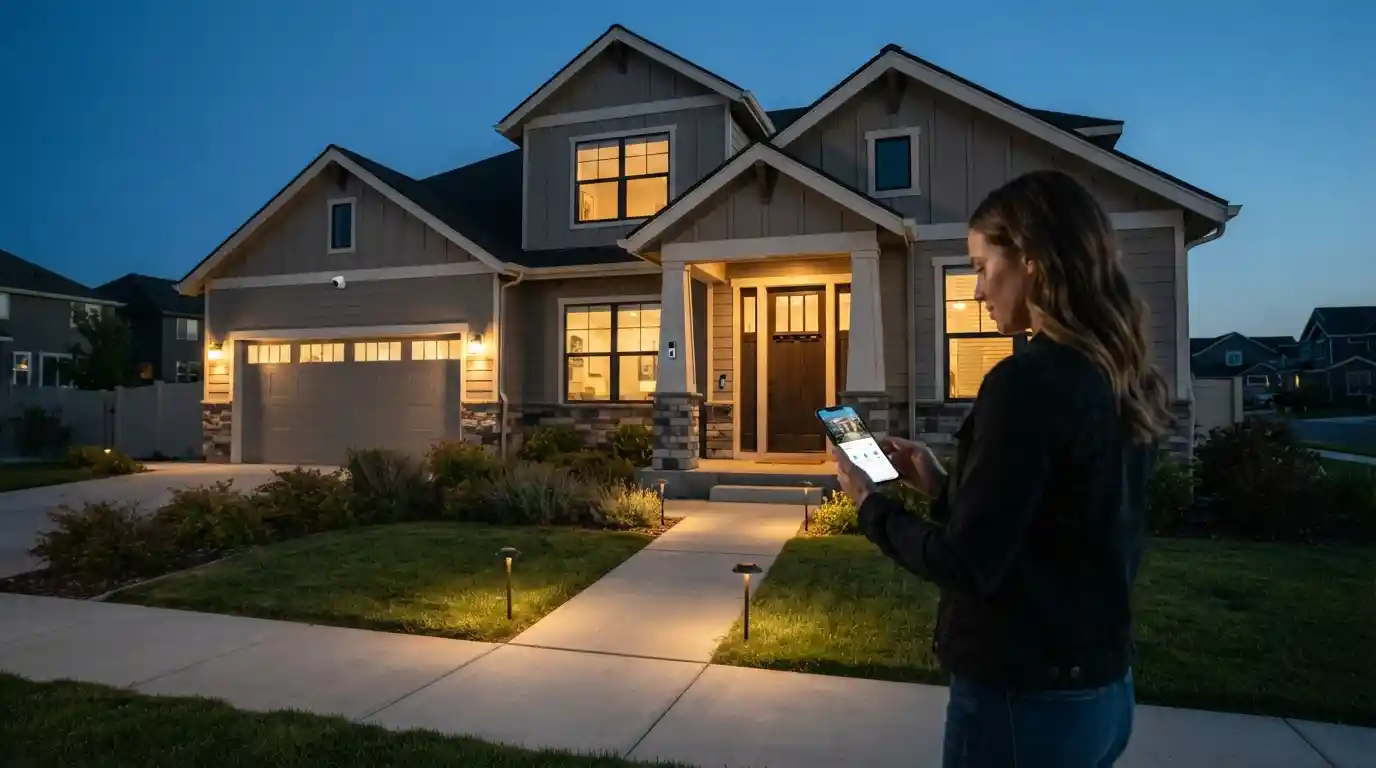
AgendaCoverLife-style home security solutions can be particularly useful for homeowners who want to make their properties more secure while also taking advantage of modern smart-home technology. The right setup can help you monitor activity, identify unusual events, control access, and respond more quickly when something needs attention.
Home security is also closely connected with the broader technology and home-services ecosystem. Smart devices, home maintenance, property management, insurance considerations, and reliable household services can all contribute to a more secure living environment.
What Are Home Security Services?
Home security services are products, technologies, and professional solutions designed to help protect a residential property, its occupants, and valuable belongings. Depending on the provider and package, these services may include security cameras, video doorbells, motion sensors, entry sensors, alarms, smart locks, monitoring, and emergency alerts.
Some homeowners prefer a professionally installed system, while others choose individual smart devices and build their own security setup. The best approach depends on the property’s layout, the household’s needs, budget, and the level of monitoring desired.
Modern security systems can also work alongside smart home devices, allowing homeowners to connect security functions with other household technologies.
Why Home Security Matters
A security system is not simply about reacting after an incident. A well-designed system can help homeowners identify potential problems earlier and maintain greater awareness of what is happening around the property.
Security cameras can provide visibility around entrances, driveways, garages, and other important areas. Door and window sensors can identify unexpected openings, while motion sensors can detect activity in selected areas. Smart locks can provide additional control over who can enter the home.
Security should also be considered as part of overall property protection. Homeowners researching real estate tools and property investment can benefit from viewing security as one element of responsible property management.
Key Components of a Modern Home Security System
1. Security Cameras
Security cameras are among the most recognizable parts of a modern residential security system. Depending on placement, cameras can monitor entrances, outdoor areas, garages, hallways, and other locations where visibility is important.
Modern cameras may offer high-resolution video, night vision, motion detection, mobile notifications, and remote viewing. Homeowners should position cameras carefully so they provide useful coverage without unnecessarily recording areas where privacy should be respected.
2. Video Doorbells
A video doorbell combines a traditional doorbell with a camera and communication system. It can allow homeowners to see who is at the door and, depending on the system, communicate with visitors remotely.
This can be especially useful when packages are delivered while nobody is home or when homeowners want to verify an unexpected visitor before opening the door.
3. Smart Locks
Smart locks can replace or supplement traditional locking mechanisms. Depending on the product, they may support codes, mobile applications, biometric access, temporary credentials, or other forms of controlled entry.
For households with multiple occupants, cleaners, contractors, or other authorized visitors, controlled access can make it easier to manage who can enter a property.
4. Motion and Entry Sensors
Motion sensors can identify movement within selected areas, while door and window sensors can alert homeowners when an entry point is opened unexpectedly.
These devices can form an important layer of protection because cameras alone do not necessarily cover every part of a property.
5. Alarm Systems
Audible alarms can help draw attention to an unauthorized entry or another detected event. Depending on the security setup, alarms may also trigger notifications or professional monitoring procedures.
Homeowners should understand how their alarm system works, including how to arm and disarm it, what happens during a false alarm, and how emergency contacts are handled.
Professional Monitoring vs. Self-Monitoring
One of the most important decisions when choosing home security services is whether to monitor the system yourself or use professional monitoring.
Self-monitoring generally means the homeowner receives alerts through an application or another connected system and decides how to respond. This can provide flexibility and may be suitable for homeowners who regularly have access to their phones.
Professional monitoring involves a monitoring service that can receive alerts from the security system and follow an established response process. Availability, services, contracts, and response procedures vary by provider.
Before choosing a monitored system, homeowners should carefully review pricing, contract terms, equipment requirements, cancellation policies, and exactly what happens when an alarm is triggered.
Smart Home Technology and Security
Home security is increasingly becoming part of a larger connected-home environment. Smart lighting, connected thermostats, cameras, locks, sensors, and other devices can communicate through compatible platforms.
This broader technology trend is also reflected in the growing interest in AI-powered personal assistant technology and connected household devices.
For example, a homeowner may use smart lighting to make a property appear occupied while traveling. A connected camera can provide remote visibility, while a smart lock can allow temporary access to an authorized person.
However, more connected devices also mean more accounts, applications, passwords, and network connections to manage. Homeowners should therefore treat cybersecurity as part of their overall home-security strategy.
Protecting Your Home Network
A smart security system depends on technology, and technology depends on secure connectivity. Homeowners should use strong, unique passwords for security accounts and keep compatible devices updated when manufacturers release security or firmware updates.
The home router should also be protected with a strong password and current security settings. Where supported, two-factor authentication can provide another layer of account protection.
Connected technology can be useful, but convenience should not come at the expense of basic digital security.
Home Security and Other Home Services
Security is only one part of maintaining a safe and functional home. Regular maintenance can also reduce risks caused by neglected equipment, damaged structures, or household problems.
For example, professional home cleaning services can help maintain living spaces and identify obvious household issues that might otherwise go unnoticed.
Likewise, homeowners may need dependable air-conditioning repair services or other home maintenance professionals to keep essential systems functioning properly.
Reliable household infrastructure complements security technology by helping homeowners maintain a property that is both protected and properly maintained.
Home Insurance and Security
Homeowners should also understand how security equipment relates to their insurance arrangements. Some insurers may have specific requirements or policies concerning security systems, while any potential discounts depend on the individual insurer and policy.
It is therefore important to speak directly with the relevant insurance provider rather than assuming that installing a particular device automatically changes coverage or premiums.
For broader insurance considerations, homeowners can also explore resources such as insurance coverage considerations and information about insurance protection options.
How to Choose Home Security Services
There is no single security package that works for every property. Start by identifying the areas that require the most attention.
- Evaluate entry points: Identify exterior doors, accessible windows, garages, and other potential access points.
- Consider property size: A larger property may require additional cameras, sensors, and network coverage.
- Review monitoring preferences: Decide whether self-monitoring or professional monitoring better fits your needs.
- Check compatibility: Make sure cameras, locks, sensors, alarms, and smart-home platforms can work together.
- Review ongoing costs: Consider equipment, installation, subscriptions, storage, monitoring, and maintenance.
- Protect your accounts: Use strong passwords and security features for every connected security service.
- Consider privacy: Position cameras responsibly and understand how recordings are stored and accessed.
Installation Considerations
Correct installation is just as important as selecting good equipment. Cameras should provide useful coverage without major blind spots, while sensors should be positioned according to the manufacturer’s instructions.
Wireless systems may be easier to install, but homeowners should consider Wi-Fi coverage and the reliability of their network. Wired systems may require more installation work but can provide a different connectivity approach.
Homeowners interested in technology-based household upgrades can also explore home technology and connected entertainment equipment as part of a broader connected-home setup.
Maintaining Your Security System
A security system should not be installed and then forgotten. Regular maintenance helps ensure that cameras, sensors, alarms, locks, batteries, applications, and network connections continue to function as expected.
Test alarms periodically according to the manufacturer’s guidance. Replace batteries when required, keep software updated, and review which household members still have access to the system.
It is also useful to periodically review camera positioning. Changes to landscaping, construction, furniture, lighting, or property use can create new blind spots.
Security Beyond Technology
Technology can provide valuable protection, but good home security also involves everyday habits. Doors and accessible windows should be secured appropriately, spare keys should be managed carefully, and household members should understand basic security procedures.
Outdoor lighting can improve visibility around entrances and walkways. Keeping landscaping maintained can also improve sightlines around the property.
Homeowners who are improving their properties may find useful ideas in home decor and functional living-space ideas, particularly when security equipment needs to be incorporated without making a home feel cluttered.
Security for Different Types of Homes
Single-Family Homes
Single-family homes often have multiple exterior access points, garages, yards, and driveways. A combination of perimeter sensors, entrance cameras, outdoor lighting, and smart locks can provide broader coverage.
Apartments and Condos
Apartment residents may have less control over building entrances and shared spaces. In these situations, residents should understand which security measures are controlled by building management and which options can be installed inside the individual unit.
Rental Properties
Renters should review their lease before installing permanent equipment. Portable cameras, removable sensors, and other non-permanent options may be appropriate depending on the property owner’s rules.
Large Properties
Larger homes and properties may require more careful planning because of additional entrances, detached structures, garages, driveways, and outdoor areas. A professional assessment can help determine where coverage is most useful.
Common Home Security Mistakes to Avoid
Even an expensive security system can become less effective when basic mistakes are made. Avoid relying on a single camera to protect an entire property, leaving default passwords unchanged, ignoring software updates, or installing cameras without considering blind spots.
Another common mistake is purchasing equipment without checking compatibility. Before buying multiple devices, confirm that the products can communicate with the same ecosystem or platform if integration is important to you.
Homeowners should also avoid assuming that a security system eliminates every risk. Security technology is one layer of a broader property-protection strategy.
The Role of Home Service Plans
Security equipment is easier to maintain when homeowners also keep up with the broader condition of the property. Home service plans and maintenance arrangements can help homeowners organize recurring household needs.
For additional context, see home service plans for homeowners and consider how recurring maintenance fits alongside security checks.
Other technology-related household solutions can also be useful. For example, technology systems and operational tools demonstrate how connected solutions can simplify the management of different processes.
Building a More Complete Home Protection Strategy
The most effective approach to home protection is rarely based on one product. Instead, homeowners can combine physical security, smart technology, maintenance, responsible habits, and appropriate insurance coverage.
A basic system might include strong door and window locks, exterior lighting, a video doorbell, and strategically positioned cameras. A more advanced setup could add smart locks, motion sensors, connected alarms, professional monitoring, and integrated smart-home controls.
The right combination depends on the property and the people who live there. Before purchasing equipment, map the property, identify important access points, determine what needs monitoring, and establish how alerts should be handled.
Final Thoughts on Home Security Services
Modern home security services give homeowners more options for protecting their property than ever before. Cameras, smart locks, sensors, alarms, monitoring services, and connected-home technology can work together to improve visibility and control.
However, effective home security is about more than buying the latest device. It requires thoughtful placement, secure accounts, regular maintenance, responsible privacy practices, and everyday awareness.
Whether you live in a house, apartment, condominium, or rental property, start with the risks that matter most for your specific environment. Build your security setup around those needs, keep your equipment maintained, and regularly review whether your system still provides the coverage and control your household requires.



