
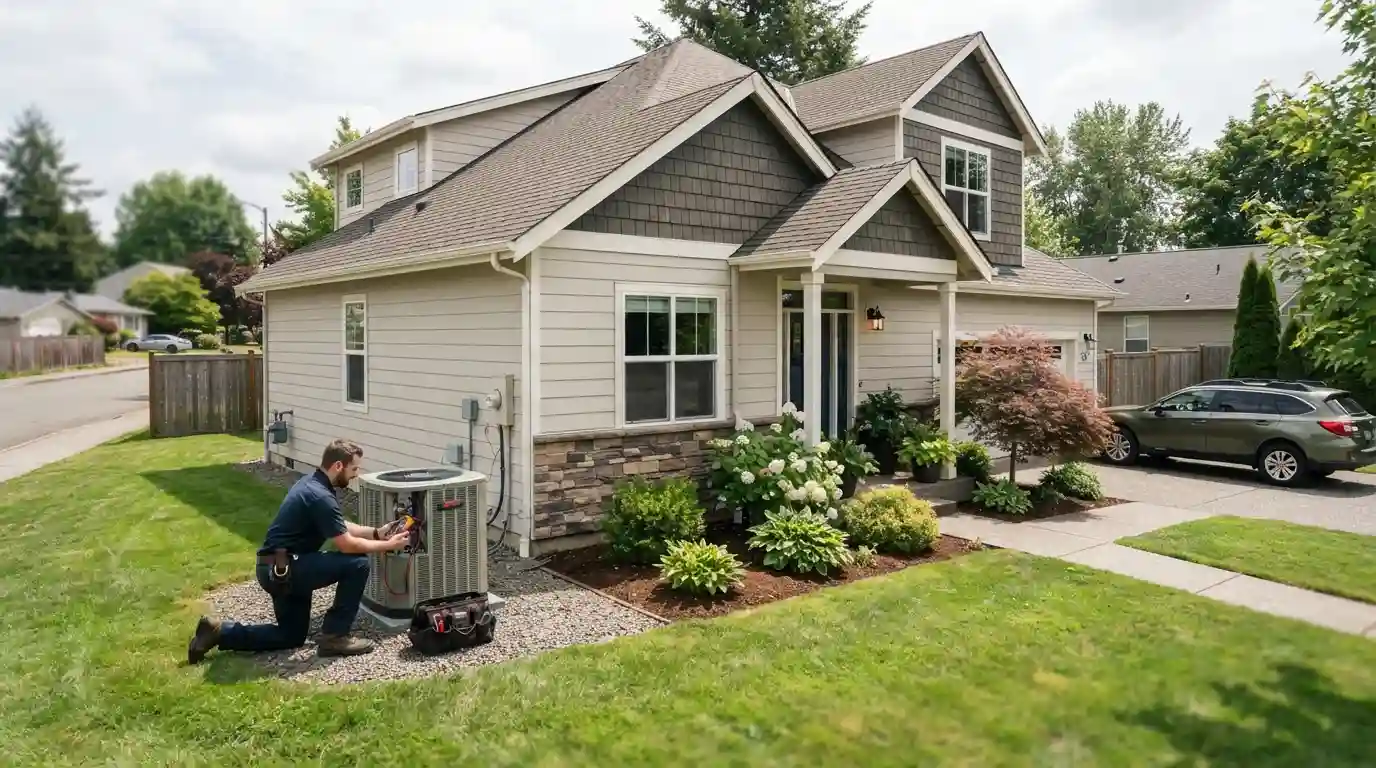
Homeowners know that unexpected repairs can quickly turn into expensive problems. A broken air conditioner, malfunctioning furnace, water heater failure, or electrical issue can disrupt daily life and put pressure on the household budget. That is where Constellation Home Service Plans can provide an additional layer of protection for eligible homeowners.
Rather than treating every repair as a separate emergency, a home service plan can provide defined coverage for certain household systems and components. Constellation offers home-service options in select markets, with available coverage and plan structures varying by location.
For homeowners comparing protection options, the important question is not simply whether a service plan sounds useful. It is whether the covered systems, service terms, costs, exclusions, and eligibility requirements make sense for the home.
What Are Constellation Home Service Plans?
Constellation Home Service Plans are protection offerings designed to help eligible homeowners manage the cost of covered repairs to essential home systems. Depending on the market and selected plan, coverage can include systems such as heating, air conditioning, water heaters, and certain in-home electrical components.
The concept is straightforward: instead of facing the full cost of every covered repair when a system breaks down, homeowners can use the service protection available under their specific agreement.
However, these plans should not be treated as identical to homeowners insurance. Homeowners insurance generally addresses covered property damage and specific risks, while a home service plan is focused on defined equipment or system repairs. Understanding that distinction is important before enrolling.
Why Homeowners Consider a Home Service Plan
Homeownership involves more than a mortgage payment. Regular maintenance, unexpected breakdowns, replacement decisions, and emergency service can all affect the cost of keeping a property comfortable.
A service plan may appeal to homeowners who value predictable protection and easier access to repair services. It can also be useful for households with older equipment, where the likelihood of needing repairs may increase over time.
Homeowners can also combine system protection with broader improvements around the property. For example, investing in smart home devices can improve monitoring, convenience, and household efficiency, while a service plan focuses more specifically on covered equipment and repairs.
What Can Constellation Home Service Plans Cover?
Coverage depends on the specific plan and location, so homeowners should always review the current contract before assuming a particular system or component is protected.
Depending on the available offering, covered equipment can include:
- Air conditioning systems
- Heating and furnace systems
- Water heaters
- Certain in-home electrical components
- Selected functional parts associated with covered systems
- HVAC maintenance or tune-up benefits on qualifying plans
Some Constellation offerings may also provide emergency assistance, priority scheduling, or covered parts and labor for qualifying repairs. The exact benefits depend on the plan and service territory.
That makes it important to compare the actual coverage rather than relying solely on the name of the plan.
HVAC Protection Can Be Especially Valuable
Heating and cooling systems are among the most important mechanical systems in many American homes. When an HVAC system stops working during an extreme-weather period, waiting several days for an affordable repair may not be realistic.
Constellation offers home-service options in certain markets that can provide protection for eligible heating and cooling equipment. In some plans, covered repairs may include parts and labor subject to contract limitations.
Homeowners who want to reduce the likelihood of major HVAC problems should also consider preventive maintenance. For additional context about keeping cooling systems dependable, see our guide to air conditioning repair services.
Seasonal maintenance is equally important. Homeowners dealing with summer cooling demands can also review practical guidance in our article on staying comfortable during hot weather.
Water Heater Protection and Household Comfort
A water heater is another system that homeowners often overlook until it stops working. A sudden failure can affect showers, laundry, cleaning, and other everyday activities.
Some Constellation plans include water heater protection, while other benefits depend on the service territory and plan selected. Homeowners should confirm the equipment eligibility, covered components, service limits, and exclusions before purchasing protection.
This approach is especially useful when evaluating the age and condition of major home systems. A newer home with recently installed equipment may have different service-plan priorities than an older property with aging mechanical systems.
Electrical Protection and Modern Homes
Modern homes rely on electrical systems for everything from lighting and appliances to entertainment equipment, security systems, internet-connected devices, and smart-home technology.
Some Constellation plans can include in-home electrical protection for specified components. Coverage may include items such as outlets, switches, breakers, panels, or other eligible components depending on the agreement.
Electrical protection becomes even more relevant as homeowners add connected technology. If you are upgrading your property, our guide to smart ceiling fan technology offers another example of how household systems are becoming more connected.
Home Service Plans vs. Homeowners Insurance
One of the biggest mistakes homeowners can make is assuming a home service plan replaces homeowners insurance. These products serve different purposes.
Homeowners insurance typically focuses on covered property losses and risks described in the insurance policy. A home service plan, by comparison, is generally concerned with repairing or servicing specified equipment and systems when qualifying breakdowns occur.
For a broader look at financial protection, homeowners can also explore our coverage-focused articles on insurance protection and risk, protecting against unforeseen risks, and choosing a safety net for unexpected events.
These resources can help illustrate why different types of protection should be evaluated according to the specific risk they are designed to address.
Potential Financial Benefits
The financial value of a home service plan depends on how frequently covered repairs are needed and how the plan’s fees compare with the potential cost of qualifying service calls.
For example, a homeowner with an aging HVAC system may prefer predictable service protection over handling every covered breakdown independently. Another homeowner with newer equipment may decide that paying for coverage does not provide enough value yet.
The key is to evaluate the plan as a budgeting tool rather than assuming it will automatically save money.
Before enrolling, consider:
- The monthly or annual cost of the plan
- Which systems are actually covered
- Which parts are included
- Whether labor is covered
- Service-call or trip-charge rules
- Deductible or copayment requirements, if applicable
- Annual coverage limits
- Pre-existing-condition restrictions
- Equipment age and eligibility requirements
- Exclusions and maintenance responsibilities
Convenience Is Another Important Advantage
Cost is only one consideration. Homeowners also want a straightforward process when something breaks.
A structured home service plan can make it easier to understand where to start when a covered system fails. Depending on the plan, homeowners may have access to authorized or certified service professionals and defined procedures for requesting service.
This can be particularly helpful during emergencies when a homeowner does not want to spend hours comparing repair companies.
For homeowners who want to reduce the amount of routine work around the property, professional maintenance can also complement protection plans. Our guide to home cleaning services explores another part of maintaining a comfortable household.
Home Protection Goes Beyond Repairs
A well-maintained home involves several layers of protection. Mechanical systems need maintenance, electrical equipment needs attention, and the property itself needs to remain secure and functional.
For security-conscious homeowners, our guide to home security services provides another perspective on protecting a property.
Interior design and functionality matter too. Homeowners interested in improving their living environment can explore our detailed guide to home decor ideas.
The larger lesson is that a home service plan should be considered one component of a broader homeownership strategy rather than a complete solution for every property-related problem.
How Constellation Compares With Other Home Service Options
Homeowners have several ways to handle unexpected repairs. They can self-fund repairs, establish an emergency savings account, purchase a home warranty or service contract, or combine several approaches.
Constellation can be attractive to eligible customers because some home-service offerings are connected to energy plans. That can create a convenient way to combine household energy services and selected equipment protection.
Still, convenience does not automatically make one option better than every alternative. Homeowners should compare the coverage details, price, service area, contract terms, exclusions, and expected equipment needs.
For another perspective on home service providers, see our article covering home service reviews and customer considerations.
Who May Benefit Most From Constellation Home Service Plans?
Constellation home-service protection may make the most sense for homeowners who:
- Want more predictable repair expenses
- Own homes with aging HVAC or water-heating equipment
- Prefer using an established service arrangement
- Want access to defined repair benefits in an eligible service area
- Would rather avoid handling every repair independently
- Value convenience when a covered system breaks down
On the other hand, homeowners with newer equipment, substantial emergency savings, or limited access to an eligible Constellation offering may decide that a service plan is not necessary.
Real Estate Considerations for Homeowners
Home service decisions can also become part of a broader real estate strategy. When evaluating a property, buyers should consider not only the purchase price but also the age and condition of major systems.
Resources such as real estate opportunities and property considerations can help put the financial side of homeownership into perspective.
Homeowners and investors can also explore property-focused technology through our guide to real estate tools for property investment.
These considerations are useful because the condition of a home’s HVAC, electrical, plumbing, and other major systems can influence ongoing ownership costs.
What to Check Before Signing Up
Before choosing Constellation Home Service Plans, homeowners should verify that the specific offering is available in their area and carefully review the current plan terms.
Start by checking the eligible service territory. Then identify exactly which systems are covered and whether coverage applies to the complete system or only specified functional parts.
Next, review financial limits and exclusions. A plan can appear comprehensive while still having important restrictions on equipment age, replacement costs, maintenance, pre-existing conditions, or specific components.
It is also worth considering whether the plan complements your existing insurance and maintenance strategy. Homeowners looking at broader risk-management options can compare this approach with resources such as reliable insurance coverage.
How to Get More Value From a Home Service Plan
Purchasing protection is only part of the equation. Homeowners can potentially get more value by maintaining covered equipment properly and understanding the service process before an emergency occurs.
Keep records of major repairs, maintenance appointments, equipment installation dates, and replacement work. These records can make it easier to understand the condition of your systems and determine when professional attention may be needed.
It is also useful to understand which issues require immediate service and which can be scheduled. Small maintenance problems can sometimes become more expensive if they are ignored for too long.
Homeowners should also avoid assuming that every failure is automatically covered. Always check the applicable terms before authorizing work or expecting reimbursement.
Are Constellation Home Service Plans Worth It?
For the right homeowner, a Constellation Home Service Plan can offer a practical way to manage certain repair risks. The strongest potential benefits are predictable protection, access to defined service arrangements, and coverage for selected home systems.
But the value depends heavily on the individual home and the specific plan. A homeowner with older equipment and limited tolerance for unexpected repair bills may find the protection attractive. Someone with newer systems and substantial savings may prefer to handle repairs independently.
The best approach is to compare the total plan cost with the systems covered, potential repair exposure, service limits, and exclusions.
Final Thoughts
Constellation Home Service Plans can be a useful part of a homeowner’s maintenance and budgeting strategy when the available coverage matches the property’s needs. Protection for eligible heating, cooling, water-heating, and electrical systems can reduce the uncertainty that comes with unexpected equipment breakdowns.
However, homeowners should not choose a plan simply because it promises peace of mind. The smartest decision comes from reviewing the current terms, confirming eligibility, understanding exclusions, and comparing the expected value against other ways of managing repair expenses.
A service plan is ultimately one piece of responsible homeownership. Combining appropriate protection with preventive maintenance, home security, efficient technology, and thoughtful property management can create a stronger long-term strategy for protecting both the home and the household budget.