
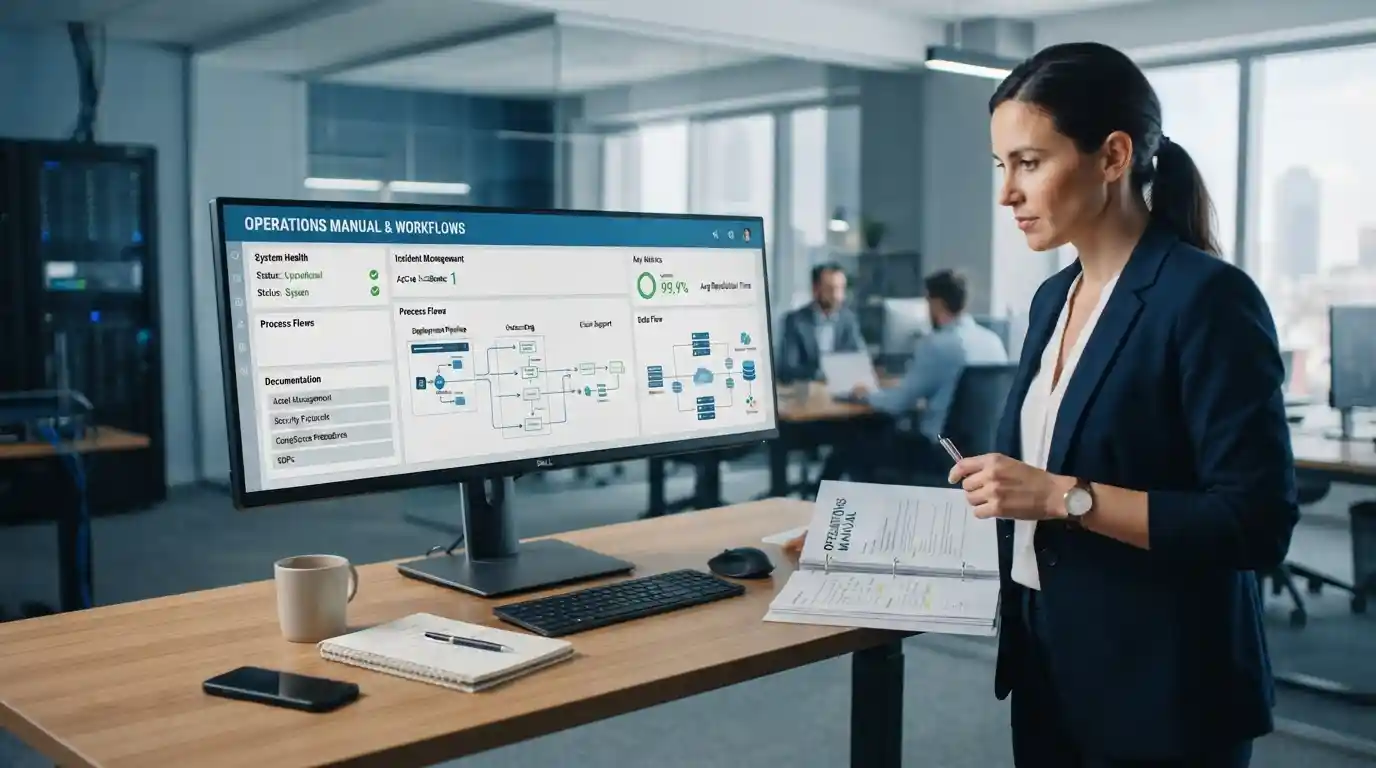
An IRV Technologies manual can be understood as a practical operational resource for helping teams navigate technology-driven processes, systems, workflows, and best practices. Whether an organization is introducing new technology or improving an existing setup, a clear manual can reduce confusion and create a more consistent way of working.
This guide explores the role of technology manuals in modern operations, what an effective manual should contain, how businesses can improve technology workflows, and how organizations can create a more structured approach to technology management.
What Is an IRV Technologies Manual?
An IRV Technologies manual is essentially a structured reference designed to help users understand and work with technology-related systems and operational procedures. A useful manual does more than list technical instructions. It connects technology with the practical needs of an organization.
Depending on the organization and its technology environment, such a manual may cover system access, operational procedures, troubleshooting, data handling, communication workflows, maintenance routines, security practices, and escalation procedures.
The goal is straightforward: employees should be able to understand what needs to be done, how it should be done, and what steps to take when something does not work as expected.
This becomes increasingly important as businesses adopt digital transformation in business services and introduce more interconnected platforms into their daily operations.
Why Technology Manuals Matter in Modern Operations
Technology can improve productivity, but only when people know how to use it effectively. Without documented procedures, employees may develop different approaches to the same task. Over time, that can create inconsistencies, duplicated work, unnecessary delays, and avoidable technical problems.
A well-structured technology manual provides a common operating reference. Instead of relying entirely on individual experience, teams can follow documented processes that explain how systems should be used.
Documentation can also support broader business transformation initiatives by making technology-related processes easier to understand and standardize.
Key Components of an Effective Technology Manual
A useful manual should be organized around the tasks users actually perform. Complex technical documentation becomes much more valuable when information is presented in a clear and practical structure.
1. System Overview
The opening section should explain what the technology environment is designed to accomplish. Users need enough context to understand how individual systems fit into the larger operation.
This section can include the purpose of the system, major components, user groups, common workflows, and relationships between different platforms.
2. Access and User Accounts
Access procedures should clearly explain how authorized users sign in, where they obtain credentials, and what to do when access problems occur.
Organizations should also document appropriate account-management procedures. Employees should understand the importance of protecting credentials and following established security requirements.
3. Standard Operating Procedures
Standard operating procedures are often the most valuable part of a technology manual. Each common workflow should be broken into logical steps that employees can follow without unnecessary technical knowledge.
For example, a procedure might explain how to enter information, process a request, update a record, generate a report, communicate an issue, or complete a routine operational task.
4. Troubleshooting Instructions
Even well-designed systems can experience problems. A manual should therefore provide basic troubleshooting guidance for common issues.
Useful troubleshooting instructions can include simple checks, restart procedures, connection verification, error-handling steps, and instructions for contacting technical support when self-service troubleshooting does not resolve the problem.
5. Maintenance Procedures
Technology requires ongoing maintenance. Documentation should identify routine maintenance tasks, responsible teams, maintenance schedules, and procedures for recording completed work.
Organizations that rely heavily on connected systems can also benefit from understanding broader digital transformation practices when developing long-term technology maintenance strategies.
How IRV Technologies Can Support Operational Efficiency
The value of a technology manual is not limited to technical instructions. Its larger purpose is to create repeatable processes that help people work more consistently.
When employees have clear instructions, they spend less time searching for answers or asking colleagues to explain routine procedures. That can reduce interruptions and allow teams to focus on higher-value responsibilities.
Technology can also support more efficient supply-chain and operational processes. Businesses working with transportation, inventory, fulfillment, or logistics can explore related approaches through resources such as modern supply-chain management, logistics management systems, and supply-chain efficiency strategies.
Creating a Clear Technology Workflow
Technology workflows should be designed around the actual sequence of work rather than around individual software features.
For example, a customer request may begin with data collection, move through verification and processing, require internal communication, and eventually result in fulfillment or reporting. A manual should document this complete workflow so employees understand how each step connects to the next.
Businesses can strengthen these processes by studying digital transformation in business services and applying appropriate technology to repetitive or information-heavy tasks.
Map the Process Before Documenting It
Before writing instructions, identify the complete process from beginning to end. Determine which systems are involved, who is responsible for each stage, what information is required, and what happens when an exception occurs.
This prevents the manual from becoming a collection of disconnected technical instructions.
Define Responsibilities
Every major operational task should have a clearly identified owner. Employees should know who performs a task, who reviews it, and who handles problems that require escalation.
Clear responsibility is particularly important in complex organizations where multiple departments depend on the same technology infrastructure.
Technology and Data-Driven Decision Making
Modern technology systems generate significant amounts of operational information. When that information is organized correctly, businesses can use it to identify trends, measure performance, and improve decision-making.
Operational manuals should explain how users enter, update, retrieve, and interpret important information. Consistent data handling helps maintain the quality of reports and makes business analysis more reliable.
Businesses interested in connecting technology with measurable business outcomes can also explore data-driven business strategies and ROI-focused digital strategies.
Integrating Technology With Business Strategy
Technology should not operate separately from business objectives. The most effective systems support specific operational or commercial goals.
A company may use technology to reduce administrative work, improve customer communication, accelerate fulfillment, manage financial information, support marketing activities, or coordinate employees.
This is why technology documentation should explain not only how a system works but also why particular processes exist.
For businesses focused on growth, resources covering digital marketing strategy, digital marketing for small businesses, and business digital transformation can provide useful context for connecting technology with wider operational objectives.
Technology Manuals and Employee Training
A manual can become an important part of employee onboarding and continuing training. New employees can use documented procedures to learn common workflows without depending entirely on informal training.
Training materials should be written for the intended audience. A technical team may require detailed configuration information, while everyday users generally need concise instructions focused on practical tasks.
Organizations can also benefit from combining technology documentation with professional-development resources. Clear training structures help employees become more comfortable with new systems and reduce resistance when processes change.
Security and Technology Documentation
Security should be integrated into operational documentation rather than treated as an afterthought. Employees should understand which information requires protection, how accounts should be handled, and what procedures apply when suspicious activity is detected.
A manual should never encourage users to bypass security controls for convenience. Instead, it should provide clear escalation procedures and identify the appropriate team or administrator to contact.
Organizations can also consider how broader technology developments affect operational security and infrastructure planning. For example, new AI applications and other emerging technologies can introduce new workflows that require careful governance and documentation.
Using Technology to Improve Communication
Communication is another major part of operational efficiency. Technology manuals should explain how employees communicate internally, record important information, submit requests, and escalate issues.
Consistent communication procedures reduce the possibility that important information becomes trapped in informal conversations or disconnected channels.
Businesses implementing new digital communication systems should document which channels should be used for different types of information and how important records should be preserved.
Connecting Technology With Marketing Operations
Technology also plays a major role in marketing operations. Businesses use digital platforms to manage campaigns, customer information, analytics, content, advertising, and communication.
Operational documentation can help marketing teams maintain consistent processes for campaign planning, data collection, reporting, and performance measurement.
Companies looking to improve these areas can explore digital marketing strategies for growing businesses, digital marketing’s impact on business sectors, and digital marketing ROI analysis.
How to Keep a Technology Manual Updated
A manual should be treated as a living document. Technology changes, employees change, business processes evolve, and software platforms receive updates.
Organizations should therefore establish a review process. Each major section should have an owner responsible for checking whether the information remains accurate.
A useful maintenance cycle can include:
- Reviewing documentation at scheduled intervals.
- Updating instructions after major system changes.
- Removing outdated procedures.
- Adding new troubleshooting scenarios.
- Recording significant process changes.
- Collecting feedback from employees who use the manual.
- Reviewing access and security procedures regularly.
Common Mistakes to Avoid
Even organizations that recognize the importance of documentation can make mistakes when developing a technology manual.
Overly Technical Language
Documentation becomes less useful when ordinary employees cannot understand it. Technical terms should be explained whenever they are necessary.
Missing Exception Procedures
Real operations rarely follow a perfect path every time. Manuals should explain what users should do when information is missing, a system fails, or a process produces an unexpected result.
Outdated Instructions
Old screenshots, retired software, incorrect contact information, and obsolete procedures can create more confusion than having no documentation at all.
Too Much Information Without Structure
A manual should be comprehensive without becoming difficult to navigate. Clear headings, numbered steps, short paragraphs, tables where appropriate, and logical categories make documentation easier to use.
Technology Operations and Continuous Improvement
The strongest technology environments are not static. Businesses should continuously examine how systems affect productivity, costs, customer experience, and employee workflows.
Documentation can support this process by making existing workflows visible. Once a process is documented, managers can identify unnecessary steps, repeated tasks, bottlenecks, and opportunities for automation.
This approach aligns with broader business transformation principles and can help organizations make technology investments more deliberately.
Companies evaluating operational technology can also learn from examples involving technology-driven business innovation, industrial technology and efficiency, and business technology innovation.
Final Thoughts on the IRV Technologies Manual
An effective IRV Technologies manual should ultimately make technology easier to understand and use. Its purpose is not simply to document software features but to connect technology with repeatable business processes.
When documentation clearly explains systems, responsibilities, workflows, troubleshooting, security, maintenance, and escalation procedures, employees have a reliable resource they can use during everyday operations.
As organizations continue adopting digital tools, automation, data-driven processes, and connected platforms, strong documentation becomes increasingly valuable. A well-maintained technology manual can help teams work consistently while providing a foundation for ongoing operational improvement.
The key is to keep the manual practical, organized, current, and closely connected to the real work employees perform every day.



