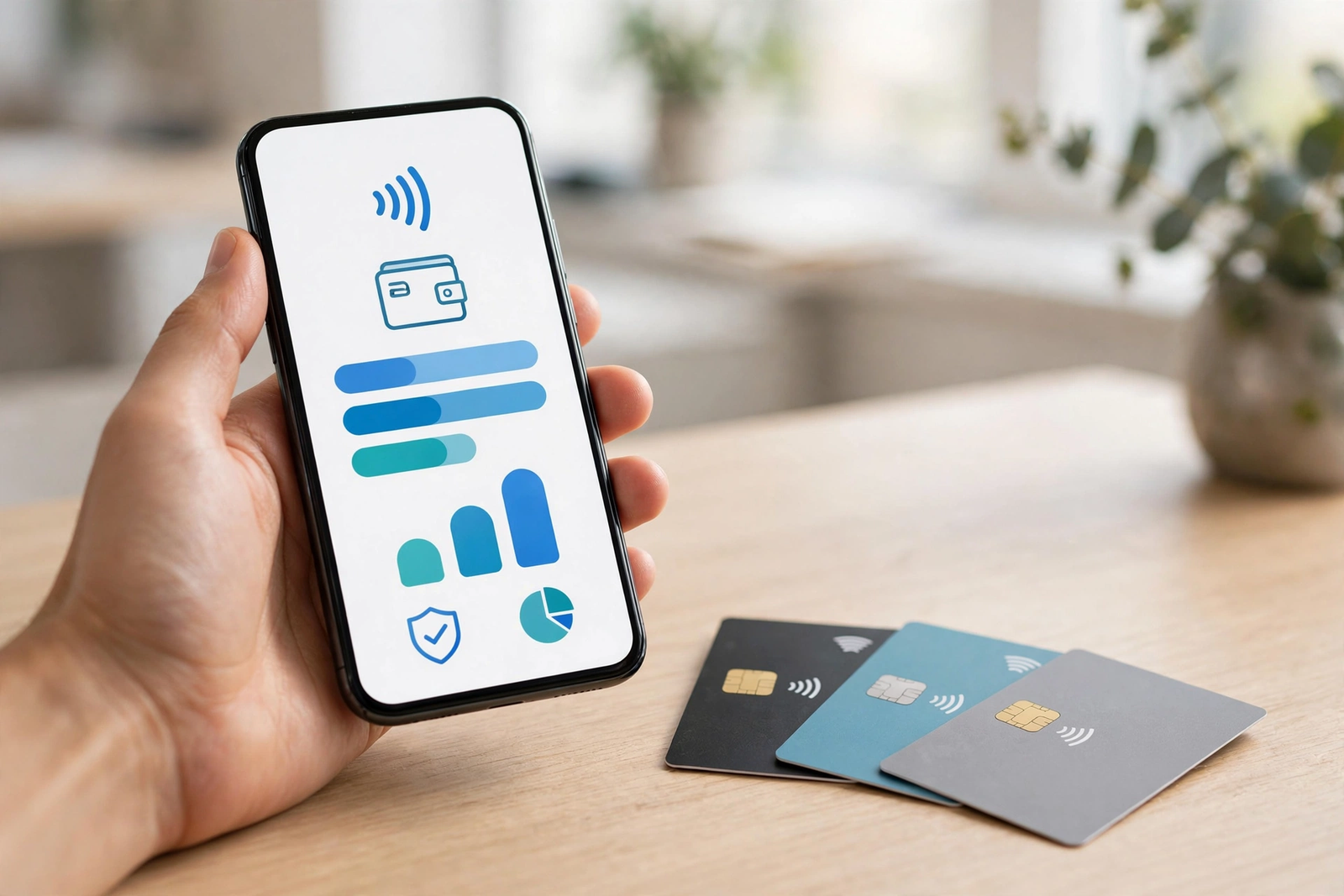
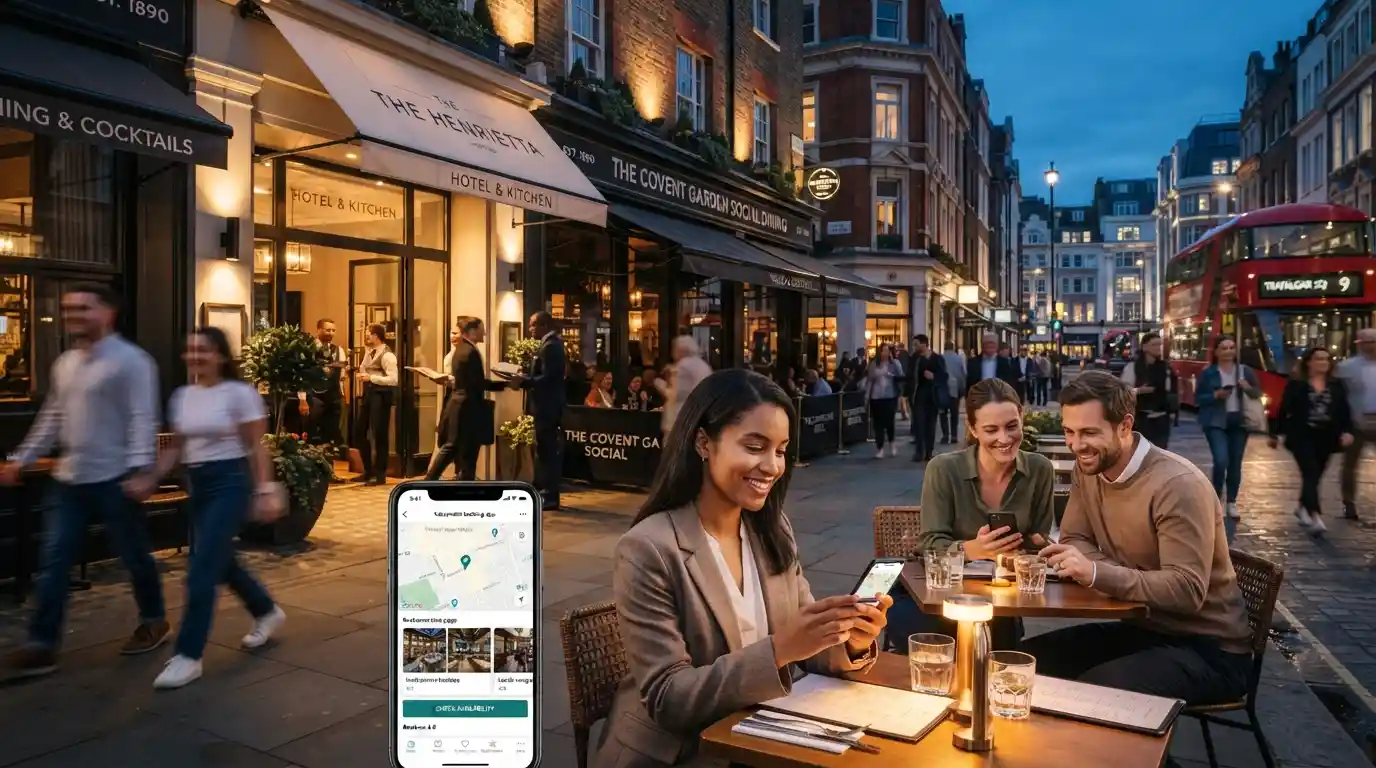
From search engines and social media to online reviews, email campaigns, paid advertising, and mobile booking experiences, digital channels influence almost every stage of the customer journey. For London businesses, this creates opportunities to reach specific audiences while making marketing activity more measurable and adaptable.
This article examines how digital marketing affects London’s hospitality and leisure landscape, including customer acquisition, direct bookings, local visibility, personalization, employment, business efficiency, and the wider visitor economy.
Why Digital Marketing Matters to London’s Hospitality & Leisure Sector
Hospitality and leisure businesses depend heavily on customer demand. A hotel room that remains empty tonight, a restaurant table that goes unfilled, or an attraction with unused capacity represents revenue that cannot always be recovered later. Digital marketing helps businesses communicate with potential customers before those purchasing opportunities disappear.
Unlike traditional advertising, digital marketing allows businesses to target audiences according to factors such as location, interests, search behavior, previous interactions, and booking intent. A restaurant can promote a particular dining experience to nearby customers, while a hotel can reach travelers researching accommodation for an upcoming London trip.
Businesses can also develop broader digital marketing strategies for global business while adapting campaigns to London’s highly localized customer base.
Driving More Direct Customer Acquisition
One of the clearest economic effects of digital marketing is its ability to generate new customer demand. Search engine optimization, paid search, social media, content marketing, and email campaigns can bring prospective customers directly to a company’s website or booking platform.
For hospitality businesses, this matters because customers often research several options before making a reservation. A hotel with strong search visibility, useful content, clear pricing information, compelling photography, and an easy booking journey has more opportunities to convert that research into a transaction.
The same principle applies to restaurants, entertainment businesses, museums, attractions, and leisure providers. Digital visibility can help smaller businesses compete for attention alongside larger brands with significantly larger advertising budgets.
Businesses looking to expand these efforts can also learn from broader approaches to advanced digital marketing and business transformation.
Increasing Direct Bookings and Reducing Dependence on Intermediaries
Online travel agencies, reservation platforms, ticketing websites, and other intermediaries can provide valuable exposure, but commissions and platform dependence can affect margins. Digital marketing gives hospitality businesses another route: building stronger direct relationships with customers.
A well-optimized website can encourage visitors to book rooms, reserve tables, purchase tickets, request information, or join loyalty programs directly. Search visibility and targeted advertising can send high-intent customers to these owned channels.
This does not mean third-party platforms become irrelevant. Instead, an effective digital strategy can create a healthier balance between third-party discovery and direct customer acquisition.
Businesses can evaluate these efforts using principles discussed in digital marketing ROI for businesses, focusing on measurable outcomes rather than impressions alone.
Strengthening London’s Local Hospitality Economy
Digital marketing is particularly important for local hospitality businesses because many purchasing decisions happen close to the moment of consumption. Someone searching for a restaurant, hotel, entertainment venue, or attraction in a particular London neighborhood may already have strong commercial intent.
Local SEO, Google Business Profile optimization, location-based advertising, customer reviews, and geographically relevant content can help businesses appear when these searches occur.
This creates a connection between online discovery and offline economic activity. A person may discover a restaurant through search, check reviews on a mobile device, view photographs on social media, and then visit the venue that same evening.
London-focused travel content can strengthen this broader discovery ecosystem. For example, visitors researching interesting places to visit in London may also search for nearby hotels, restaurants, entertainment, and experiences.
The Role of Social Media in Customer Spending
Social media has changed how hospitality and leisure brands create demand. Restaurants can showcase dishes, hotels can highlight rooms and amenities, entertainment venues can promote upcoming events, and attractions can demonstrate experiences through short-form video.
The economic value comes from turning attention into action. A compelling social post can lead to a website visit, inquiry, booking, purchase, or repeat interaction.
User-generated content can be particularly valuable. Customer photographs, reviews, videos, and recommendations provide social proof that can influence prospective visitors. At the same time, businesses need consistent brand management because negative experiences can spread quickly through public platforms.
The wider principles behind this approach are closely connected to digital marketing strategies for high-growth businesses.
Personalization and Data-Driven Customer Experiences
Modern digital marketing allows hospitality businesses to move beyond broad audience targeting. Customer behavior can reveal useful patterns, such as which pages visitors view, which offers generate engagement, where customers come from, and which campaigns lead to bookings.
These insights can support more relevant communication. A hotel might promote a weekend package to leisure travelers, while a restaurant could promote an event to customers who have previously shown interest in similar experiences.
Customer relationship management systems, analytics platforms, email marketing tools, and advertising dashboards can help businesses understand these journeys.
This data-driven approach also connects with broader revenue optimization through data-driven digital marketing, where marketing decisions are linked more closely to measurable business outcomes.
Mobile Marketing and the Modern London Visitor
Hospitality and leisure marketing must account for customers who research and purchase through smartphones. Travelers may search for a hotel while commuting, compare restaurants while walking through a neighborhood, or purchase attraction tickets shortly before visiting.
A mobile-friendly website therefore needs more than a responsive layout. It should provide fast access to essential information, clear calls to action, simple navigation, accurate location details, and an efficient booking or purchasing process.
Mobile search can also support spontaneous spending. A visitor who searches for places to visit in London at night may subsequently discover restaurants, entertainment venues, transport options, or other nearby activities.
Digital Reviews and Reputation Management
Online reviews have become an important part of the hospitality purchasing journey. Customers frequently compare ratings, read recent experiences, examine management responses, and look at photographs before choosing where to stay, eat, or spend their leisure time.
For businesses, reputation management is therefore an economic activity rather than simply a communications exercise.
Responding professionally to reviews can demonstrate customer care, while recurring complaints can reveal operational problems that need to be addressed. Positive feedback can also identify strengths that businesses can emphasize in future campaigns.
This principle extends beyond hotels and restaurants to entertainment, travel, and other experience-based businesses. The site’s wider digital transformation coverage provides useful context for understanding how technology is reshaping customer-facing operations.
How Digital Marketing Supports Smaller Hospitality Businesses
Digital marketing can create opportunities for independent businesses that might struggle to compete through traditional mass advertising. A small restaurant does not necessarily need a national advertising campaign to attract customers; it can focus on relevant searches, neighborhood audiences, social content, and targeted promotions.
Similarly, independent accommodation providers can create specialized content around particular visitor interests instead of competing solely on broad hotel keywords.
This makes digital marketing especially relevant to smaller enterprises operating with limited resources. Practical strategies can be found in the broader discussion of digital marketing for small-business growth.
Creating Demand Beyond the Immediate Booking
Effective digital marketing does not end when a customer completes a transaction. Hospitality and leisure businesses can continue communicating with customers before, during, and after their experience.
Email campaigns can promote future stays, dining events, seasonal offers, loyalty programs, or related experiences. Social media can encourage customers to return and share their experiences. Remarketing can reconnect with people who visited a website without completing a purchase.
This creates opportunities for repeat business and increases the lifetime value of customers.
Digital Marketing and London’s Wider Visitor Economy
London’s hospitality and leisure ecosystem is interconnected. Visitors rarely spend money on only one service. A traveler may book accommodation, dine at restaurants, visit attractions, attend entertainment events, use transportation, shop, and participate in additional activities during the same trip.
Digital marketing can influence several of these decisions simultaneously by helping visitors discover and compare experiences.
For example, someone researching places to visit during the fall may continue researching accommodation, restaurants, events, and attractions. Content that supports different stages of this journey can help businesses capture demand before the customer arrives.
Related travel content such as top places to visit around the world also demonstrates how destination-focused search behavior can connect audiences with hospitality and leisure services.
The Importance of Measuring Digital Marketing ROI
Digital marketing becomes economically meaningful when businesses can connect marketing activity with business results. Traffic alone does not guarantee profitability.
Hospitality businesses should consider metrics such as qualified website traffic, booking conversions, direct revenue, customer acquisition cost, repeat bookings, email conversions, advertising return, and revenue generated from specific campaigns.
Benchmarking can help businesses identify which channels deserve additional investment and which activities need improvement. This approach aligns with the principles explored in digital marketing benchmarking and strategic digital marketing ROI analysis.
Digital Marketing, Technology, and Operational Efficiency
The economic impact of digital marketing can extend beyond customer acquisition. Integrated marketing technology can improve communication between marketing, sales, customer service, and operations.
For example, booking data can inform marketing campaigns, customer feedback can influence promotional messaging, and analytics can help businesses identify periods of high or low demand.
Automation can also reduce repetitive marketing tasks. Email sequences, remarketing campaigns, customer segmentation, and reporting can operate with less manual intervention when systems are properly configured.
Businesses exploring deeper technology integration can also consider the principles covered in enterprise IT and marketing integration.
What the Future May Look Like
Digital marketing in London’s hospitality and leisure sector is likely to become increasingly personalized, automated, visual, and data-driven. Artificial intelligence can support content creation, customer segmentation, predictive analysis, chat-based interactions, and campaign optimization.
At the same time, businesses will still need authentic experiences. Technology can help customers discover and purchase experiences, but the quality of the actual hotel stay, meal, event, attraction, or leisure activity remains central to long-term reputation.
Future strategies are therefore likely to combine automation with human customer service, digital convenience with memorable experiences, and data analysis with creative storytelling.
Conclusion
The economic impact of digital marketing on London’s hospitality and leisure landscape can be seen across the customer journey. Search visibility creates discovery, social media builds awareness, reviews influence trust, mobile optimization supports convenient purchasing, and data analytics help businesses understand what drives revenue.
For hospitality and leisure businesses, the objective is not simply to collect more clicks or followers. The stronger goal is to create a connected digital ecosystem that turns relevant attention into bookings, visits, purchases, repeat customers, and sustainable revenue.
As competition continues to evolve, businesses that combine strong digital visibility with useful customer experiences, measurable campaigns, and efficient technology can build stronger relationships with both London residents and visitors.
For a broader perspective on the changing relationship between marketing and business performance, explore digital marketing strategic analysis and related business transformation topics across BizHorizone.