
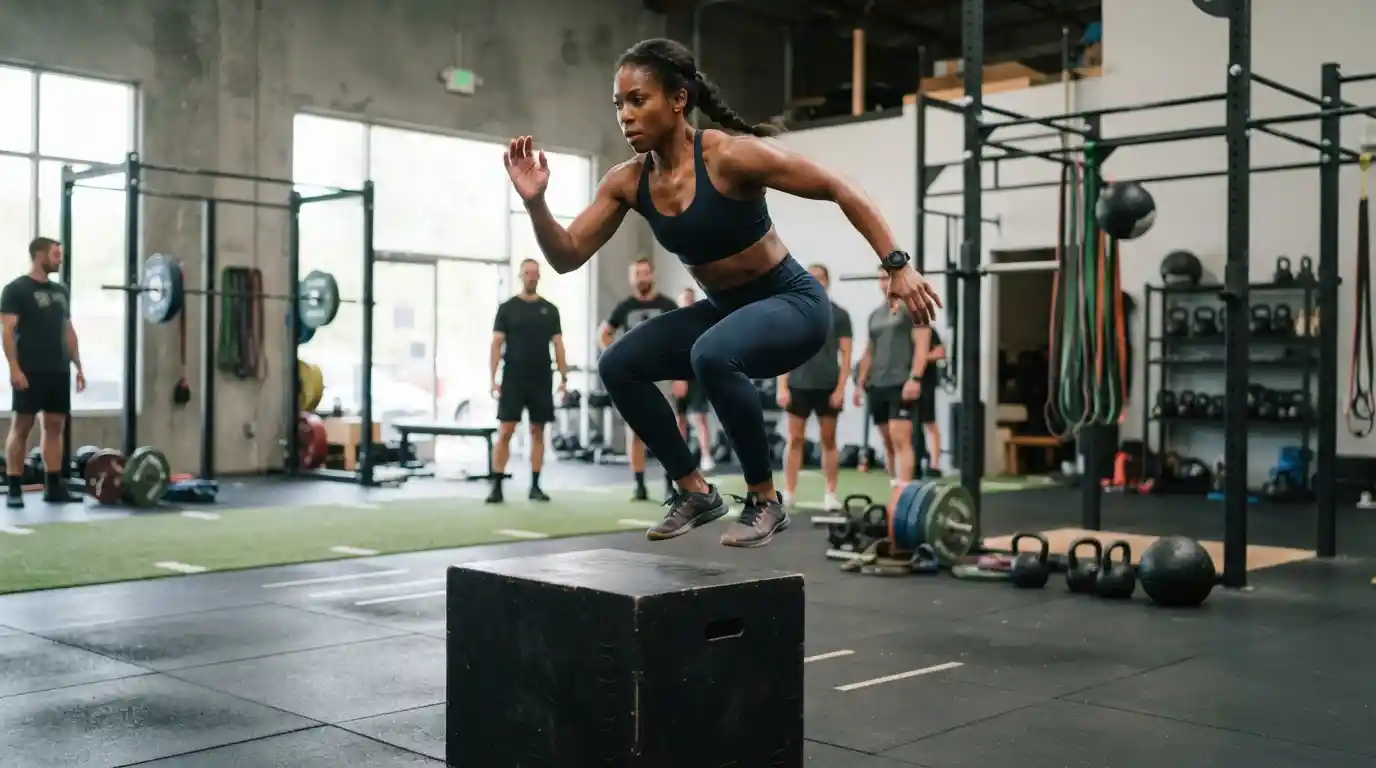
Building athletic performance is not about training harder every day. It is about training with purpose, recovering intelligently, fueling the body properly, and developing the mental discipline needed to stay consistent. Sports Woman5 represents a performance-focused approach that brings these elements together for athletes who want a more structured path toward strength, endurance, agility, and confidence.
What Is Sports Woman5?
Sports Woman5 can be viewed as a performance-oriented training concept built around the complete athletic journey rather than a single workout. Instead of focusing only on strength or cardiovascular fitness, the approach considers several connected areas of performance.
- Strength and power development
- Speed, agility, and coordination
- Mobility and movement quality
- Sport-specific conditioning
- Nutrition and hydration
- Recovery and sleep
- Mental preparation and consistency
- Performance tracking and technology
This broader perspective is important because athletic progress rarely comes from one variable alone. A strong training session has limited value when recovery is poor, while excellent nutrition cannot compensate for an inconsistent training plan.
Start With Clear Athletic Goals
Every effective performance plan starts with a clearly defined objective. An athlete preparing for a sprint event will need a different training emphasis from someone preparing for a team sport, endurance event, or strength competition.
Start by identifying what you want to improve. Your goal might be faster acceleration, greater lower-body strength, improved endurance, better agility, increased mobility, or greater confidence during competition.
Once the objective is clear, divide it into measurable milestones. Instead of simply saying that you want to become stronger, track specific exercises, repetitions, training loads, movement quality, and recovery patterns. This creates a practical feedback loop that makes progress easier to evaluate.
For athletes looking for structured environments, resources such as athletic performance training environments can also provide useful inspiration for building a more organized approach to workouts.
Build a Strong Foundation With Strength Training
Strength is one of the foundations of athletic performance. It supports acceleration, jumping, changes of direction, stability, and the ability to maintain technique when fatigue begins to appear.
A balanced strength program can include movements such as squats, lunges, presses, pulls, hinges, carries, and controlled bodyweight exercises. The exact exercises should depend on training experience, sport, available equipment, and individual goals.
Quality matters more than simply adding more weight. Athletes should focus on controlled movement, appropriate range of motion, stable positioning, and progressive overload that matches their current ability.
A well-equipped facility can make this type of training easier to organize. For example, modern sports training facilities can support strength work, conditioning, technical practice, and structured athletic development.
Develop Speed, Agility and Explosive Power
Strength alone does not automatically translate into sports performance. Athletes also need to learn how to apply force quickly and efficiently.
Speed and agility training may include short sprints, acceleration drills, lateral movements, change-of-direction exercises, reaction drills, jumps, and sport-specific movement patterns. These exercises should be introduced progressively rather than performed at maximum intensity without preparation.
Explosive work is particularly useful when an athlete needs to accelerate, jump, change direction, or respond quickly to an opponent or game situation. However, quality should remain the priority. Once fatigue causes technique to deteriorate, the value of high-intensity movement decreases and unnecessary risk can increase.
Competitive environments can also help athletes understand how technical preparation translates into real situations. Sports tournaments and structured competition provide examples of how preparation, strategy, coaching, and performance come together.
Use Sport-Specific Conditioning
General fitness creates a foundation, but athletes eventually need conditioning that resembles the demands of their sport.
A basketball player may need repeated accelerations, lateral movement, jumping, and short recovery periods. A distance runner may prioritize sustained aerobic capacity. A field-sport athlete may need a combination of endurance, sprinting, agility, and repeated high-intensity efforts.
The objective is to bridge the gap between the gym and competition. Training should gradually reproduce the movement patterns, intensity changes, decision-making demands, and fatigue conditions that an athlete is likely to experience.
Local sports environments can also provide opportunities to practice these skills. The Inwood Sports Complex and other sports-focused facilities illustrate how dedicated athletic spaces can support different forms of training and participation.
Learn From High-Level Women’s Sports
Elite women’s sports provide useful examples of how preparation, technical skill, strength, consistency, and composure interact under competitive pressure.
For example, the 2026 Winter Olympics women’s snowboarding competition offers a useful example of high-level athletic performance in a technically demanding environment.
Individual athlete stories can also demonstrate the importance of preparation and adaptability. The profile of snowboarder Choi Ga-on provides another example of how competitive sport can be viewed through the lens of skill development, pressure management, and performance.
The lesson is not to copy another athlete’s exact routine. Instead, use elite competition as a reminder that successful performance is usually the result of many small elements working together.
Nutrition: Give Your Training the Fuel It Needs
Training creates a demand for energy, while nutrition provides the resources needed to support performance and recovery. Athletes should therefore pay attention to overall food quality, energy intake, hydration, and the timing of meals around demanding sessions.
Carbohydrates can provide useful energy for many forms of intense exercise, while protein supports tissue repair and muscle adaptation. Dietary fats also play important roles in overall nutrition. Hydration should be treated as a regular part of the training routine rather than something addressed only after a hard workout.
For athletes combining training with outdoor activities, practical food planning is especially important. A guide to backpacking food and performance-friendly meals can offer ideas for organizing portable nutrition around active days.
Individual nutritional needs vary considerably, so athletes with demanding training schedules or specific dietary requirements should consider working with a qualified sports nutrition professional.
Recovery Is Part of Training
Progress happens through adaptation, not simply through repeated exertion. Recovery therefore deserves the same planning attention as workouts.
A recovery-focused routine can include sufficient sleep, appropriate rest days, mobility work, easy movement, hydration, and balanced meals. Athletes should also pay attention to persistent fatigue, unusual soreness, declining performance, or changes in motivation.
Recovery strategies should match the actual training load. A recreational athlete may need little more than consistent sleep and sensible rest, while a high-volume competitor may require more carefully planned recovery periods.
A broader healthy lifestyle approach can complement athletic training by encouraging sustainable habits beyond individual workouts.
Mental Conditioning and Competitive Confidence
Physical preparation is only one side of performance. Athletes also need to manage attention, expectations, setbacks, and competitive pressure.
Useful mental skills include goal setting, visualization, controlled breathing, pre-performance routines, positive self-talk, and learning how to focus on controllable actions rather than outcomes.
Mental preparation should not be confused with pretending that pressure does not exist. Instead, athletes can learn to recognize pressure and develop routines that help them respond consistently.
For younger athletes in particular, the relationship between sport, confidence, social support, and emotional well-being deserves attention. Resources covering teen mental health and support provide a broader reminder that athletic development should complement, rather than undermine, overall well-being.
Use Technology Without Letting It Control the Program
Wearables, fitness trackers, heart-rate monitors, training applications, video analysis, and other digital tools can make performance measurement easier. They can help athletes identify patterns and compare training sessions over time.
However, more data does not automatically mean better training. The most useful metrics are those that answer practical questions. Is your workload increasing too quickly? Are recovery periods adequate? Is your running pace improving? Are your movement patterns changing when fatigue appears?
Technology should support decision-making rather than replace coaching judgment. An athlete who understands the fundamentals of training can use data intelligently without becoming dependent on every number generated by a device.
Even simple technology can contribute to training and recovery. For example, choosing suitable audio equipment may help some athletes create a consistent focus environment; see this guide to noise-canceling headphones under $200 for a related technology consideration.
Choose Practical Sports Apparel and Gear
Clothing and equipment should support movement rather than distract from it. Athletes should consider fit, breathability, weather conditions, range of motion, durability, and the requirements of their particular sport.
Outdoor athletes may need to think more carefully about layering and weather protection. The Kaptain Sunshine traveller coat provides an example of how outdoor apparel can be considered from a practical travel and activity perspective.
For competitive athletes, specialized equipment should always be selected according to the rules and requirements of the sport. Comfort and appearance matter, but performance, safety, and appropriate fit should come first.
Turn Training Into Competitive Experience
Competition teaches lessons that cannot always be reproduced during ordinary workouts. Athletes learn how they respond to pressure, how effectively they communicate, and whether their conditioning holds up when the intensity rises.
Sports tournaments can also reveal areas that need improvement. An athlete may discover that technical skill is strong but endurance fades late in competition, or that decision-making becomes less consistent under pressure.
The same principle extends across different sports. The organization of motorsport events demonstrates how preparation, timing, logistics, safety, and performance all have to work together in a competitive environment.
Cycling provides another example of the relationship between athletic performance and the wider event experience. Athletes preparing for long-distance cycling can also consider practical travel and accommodation issues, such as those discussed in the guide to RAGBRAI hotels and cycling travel.
Study Athletic History and Equipment
Sports development is also connected to the history of equipment, competition, and athletic culture. Looking at iconic sporting objects can provide context for how athletes and fans understand performance over time.
The Pete Rose autographed baseball bat, for example, connects equipment with baseball history and sporting memorabilia. While collectibles do not directly improve athletic ability, they demonstrate the cultural significance that sports equipment can acquire through competition and memorable performances.
Create a Sustainable Sports Woman5 Routine
The most useful athletic plan is one that can actually be maintained. Instead of attempting to maximize every training variable at once, build a sustainable weekly structure.
- Define one or two primary performance goals.
- Schedule strength and conditioning sessions around those goals.
- Include sport-specific practice.
- Plan recovery before fatigue forces you to stop.
- Eat consistently and stay hydrated.
- Track a small number of meaningful performance metrics.
- Review progress regularly and adjust the plan.
Consistency is particularly important. A moderate training plan followed for months is generally more useful than an extreme routine followed for only a few weeks.
Common Mistakes to Avoid
Athletes pursuing better performance often make the same avoidable mistakes. These include increasing training volume too quickly, ignoring recovery, copying another athlete’s routine without considering individual needs, relying too heavily on technology, and treating nutrition as an afterthought.
Another common mistake is measuring success only through competition results. Performance can fluctuate because of sleep, stress, illness, travel, competition conditions, and many other factors. Training quality, technical improvements, consistency, and recovery habits can provide useful indicators of long-term development.
Final Thoughts on Sports Woman5
Sports Woman5 is best understood as a complete athletic-performance mindset rather than a single exercise or shortcut to success. The strongest approach combines purposeful training with nutrition, recovery, mental preparation, appropriate equipment, performance tracking, and supportive environments.
Athletes can use this framework to build routines around their own sport and current ability. The goal is not to chase intensity for its own sake. It is to become stronger, more capable, more consistent, and better prepared for the demands of competition.
When training, recovery, nutrition, mindset, and measurable goals work together, athletic development becomes a structured process rather than a collection of disconnected workouts.



