
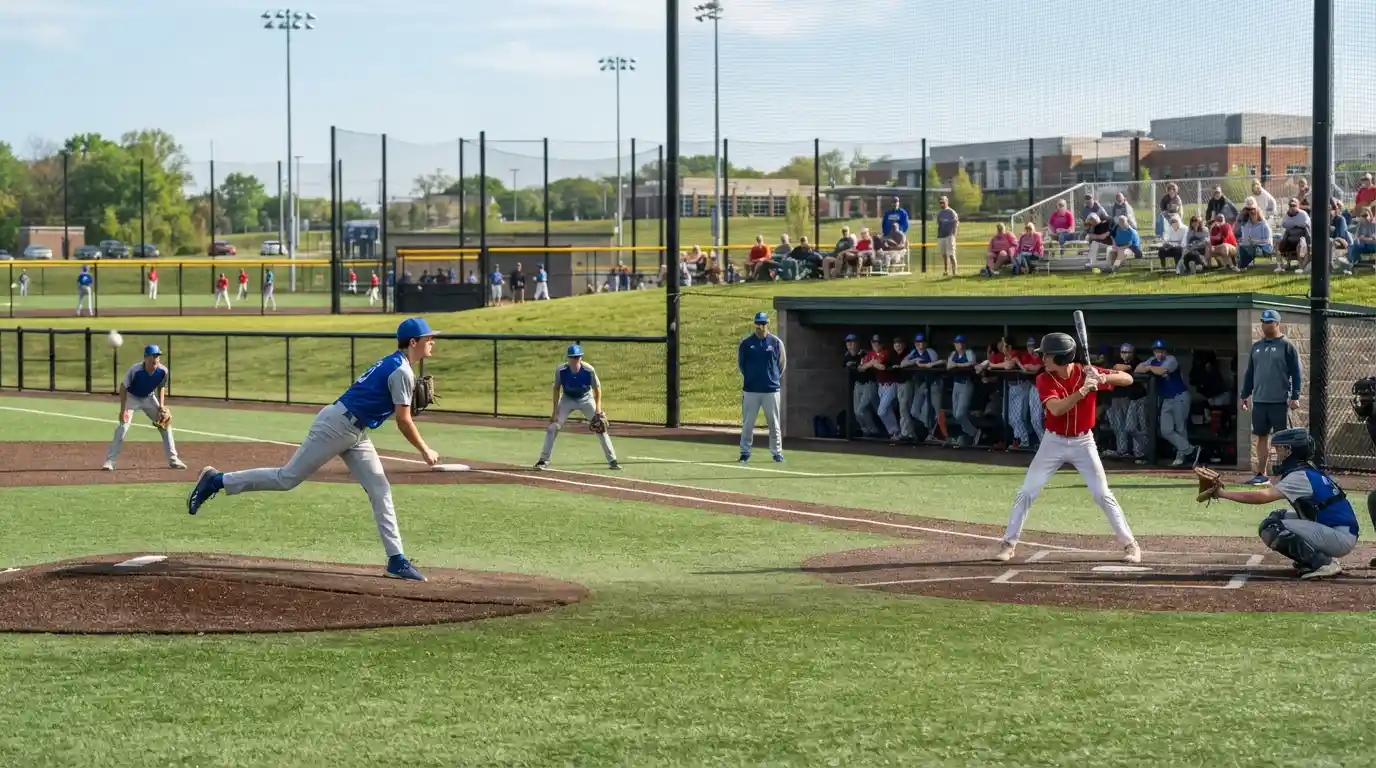
Located in Aston, Pennsylvania, MapleZone Sports Institute is known for hosting baseball tournaments and providing athletic facilities designed to support competitive play. Its tournament environment brings teams together for scheduled games, standings, brackets, and championship opportunities, creating an experience that combines competition with player development.
What Makes MapleZone Sports Institute Tournaments Worth Considering?
A tournament can reveal aspects of a team’s performance that may not become obvious during ordinary practices or local league games. Players face different opponents, unfamiliar pitching, new defensive situations, and the pressure of playing meaningful games in a limited timeframe.
For coaches, these experiences can help identify strengths and areas that need additional attention. For players, tournaments can build confidence, decision-making skills, communication, and the ability to stay focused when the game becomes competitive.
The broader importance of athletic competition can also be seen in the role that dedicated sports complexes play in creating structured environments for athletes and teams.
Competitive Baseball Experience in Aston, Pennsylvania
One of the advantages of tournaments hosted around Aston is the opportunity to bring teams into a dedicated sports setting rather than relying solely on ordinary recreational fields. A purpose-built environment can make it easier for teams to focus on preparation, game strategy, and execution.
MapleZone’s athletic environment includes tournament facilities and synthetic turf playing surfaces. The combination of organized competition and dedicated facilities makes preparation especially important. Players need to understand field conditions, arrive prepared, and adjust quickly once tournament play begins.
Teams interested in improving their overall athletic environment can also explore other sports facility experiences and compare how different environments can support training and competition.
How Tournaments Help Players Develop
Regular practice is essential, but competition creates a different learning environment. During a tournament, players must apply skills when every decision can affect the outcome of an inning or game.
1. Decision-Making Under Pressure
Players have to react quickly to changing game situations. A batter may need to adjust to a different pitching approach, while a fielder may need to make a rapid decision with runners on base.
2. Team Communication
Strong communication becomes increasingly important when games are played close together. Players need to communicate defensive assignments, encourage teammates, and maintain focus throughout the tournament.
3. Competitive Confidence
Facing unfamiliar opponents can challenge players mentally as well as physically. Successfully handling difficult situations can help athletes become more comfortable competing outside their normal environment.
4. Game Awareness
Tournament baseball requires athletes to understand the situation rather than simply rely on individual skills. Players learn to recognize score, inning, outs, base runners, pitch selection, and defensive positioning as connected parts of the game.
That broader approach to athletic development is also reflected in specialized training environments such as athletic performance facilities, where the focus extends beyond a single skill.
Preparing for a MapleZone Tournament
Good tournament preparation begins before the team arrives at the field. Players should have the necessary equipment ready, understand the schedule, get sufficient rest, and maintain consistent nutrition and hydration.
Coaches can also benefit from reviewing tournament rules, expected game formats, roster requirements, and potential field conditions before competition begins. A well-prepared team can spend less time dealing with avoidable distractions and more time focusing on baseball.
Physical Preparation
Players should avoid making major changes to their training routine immediately before a tournament. Consistent conditioning, mobility work, recovery, hydration, and appropriate nutrition can help athletes arrive ready to compete.
Nutrition is another important part of athletic preparation. Teams and families can explore practical food strategies through resources such as portable meals for active days and healthy lifestyle practices.
Mental Preparation
Tournaments can involve long days, close games, mistakes, and unexpected changes. Players benefit from learning how to reset after an error instead of allowing one play to affect the remainder of the game.
Mental wellbeing is an important part of youth development as well. Families and coaches can keep broader resources such as teen mental health guidance in mind when supporting young athletes through demanding competitive schedules.
Why Tournament Organization Matters
A well-organized tournament needs more than quality playing fields. Scheduling, communication, team registration, brackets, game results, facilities, and event logistics all contribute to the experience.
For coaches and team managers, understanding the organizational side of competitive events can make tournament weekends considerably easier. The principles used in broader event setup and sports-event planning demonstrate how preparation behind the scenes can influence the participant experience.
For players, the best approach is simple: arrive early, understand where the team needs to be, stay focused between games, and communicate with coaches when questions arise.
Equipment and Apparel for Tournament Play
Equipment should be checked well before tournament day. Players should have appropriate bats, gloves, batting equipment, uniforms, footwear, protective equipment, water, and other personal essentials ready to go.
Teams should also pay attention to footwear requirements because field surfaces can have specific rules. Having the appropriate footwear available can prevent unnecessary problems on game day.
Beyond baseball equipment, athletic clothing and performance-focused apparel can also contribute to comfort throughout long competition days. Broader sports and apparel trends can be explored through resources such as sports performance apparel and modern athletic style.
Planning the Tournament Weekend
Travel planning is another important consideration, particularly for teams coming from outside the local area. Families may need to coordinate transportation, accommodation, meals, equipment, and schedules across multiple days.
Sports travel can become easier when families plan accommodation early and keep the tournament schedule accessible to everyone. Resources covering sports-event accommodation planning can provide useful ideas for organizing a competition weekend away from home.
Families who want to combine competition with additional activities may also look at destination planning resources such as nearby destination guides when arranging longer sporting trips.
Building a Strong Tournament Mindset
The most productive tournament experience is not always defined by the final score. Players can also measure progress through better at-bats, improved defensive decisions, stronger communication, smarter base running, and the ability to respond positively to adversity.
Coaches can encourage players to focus on controllable factors. Preparation, effort, communication, discipline, and attention to fundamentals remain valuable regardless of the opponent.
This approach is especially useful for developing athletes who may eventually participate in more advanced showcases and competitive environments. Dedicated sports facilities often provide opportunities for athletes to train, compete, and gain greater exposure to the demands of higher-level sport.
What Coaches and Parents Can Do
Coaches can help teams get more from tournaments by establishing clear expectations before the first game. Players should know the schedule, responsibilities, equipment requirements, communication expectations, and approach to recovery between games.
Parents can support the experience by helping athletes stay organized without adding unnecessary pressure. Adequate sleep, meals, hydration, transportation, and positive encouragement can make a significant difference during a demanding tournament weekend.
For families interested in different competitive and recreational opportunities, resources covering sports complexes, athletic facilities, and sports performance can help illustrate the range of environments available to developing athletes.
Why Tournament Competition Can Be a Valuable Step
MapleZone Sports Institute tournaments can provide teams with a structured setting where preparation, competition, teamwork, and adaptability come together. Players have opportunities to apply skills in real game situations, while coaches can evaluate how their teams respond to different opponents and competitive pressures.
The experience can also teach lessons that extend beyond baseball. Preparation, communication, resilience, time management, and accountability are useful skills in many areas of life.
For teams preparing for tournament baseball in Aston, the goal should be to arrive organized, compete with purpose, learn from every game, and make the most of the opportunities that competitive play provides.
Final Thoughts
MapleZone Sports Institute tournaments offer a competitive environment where baseball teams can challenge themselves, gain valuable game experience, and continue developing as athletes. Success at a tournament involves more than the scoreboard. Preparation, teamwork, mental focus, physical readiness, and the ability to adapt can all shape the experience.
Whether a team is preparing for its next tournament or building a longer-term development plan, treating every competitive opportunity as a chance to learn can help players continue moving toward their athletic goals.



