
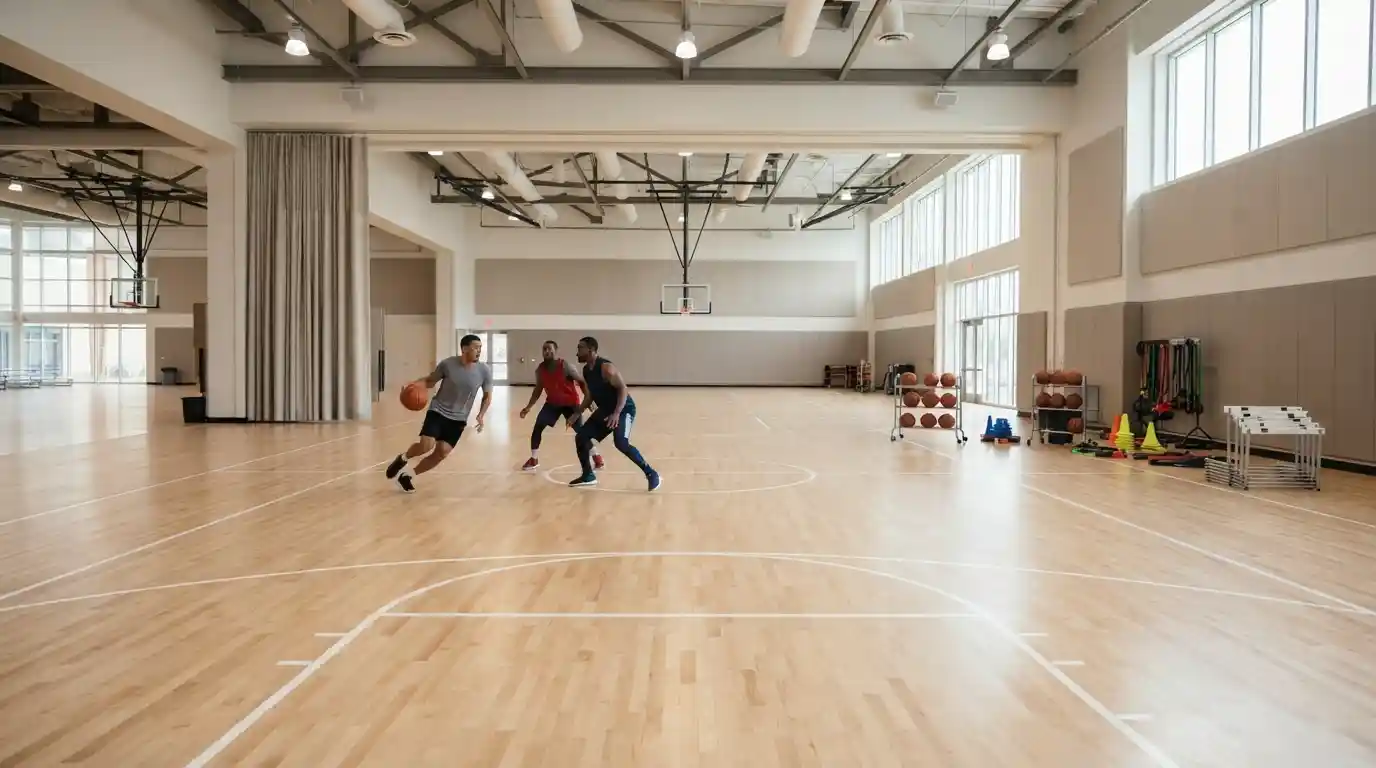
Improving athletic performance takes more than natural ability. Consistent practice, purposeful training, physical conditioning, discipline, and a supportive sporting environment all contribute to an athlete’s development. A sports facility can provide a structured setting where individuals and teams work toward their fitness goals, refine their skills, and build confidence through regular participation.
Why a Sports Facility Matters for Athletic Development
A well-suited sports facility can bring structure, purpose, and consistency to an athlete’s routine. Instead of relying entirely on occasional practice, participants can work toward specific objectives, repeat important movements, and monitor their progress over time.
The right training environment also makes it easier to establish healthy habits. Athletes can plan practice sessions, develop a warm-up routine, focus on technique, and set measurable goals. Beginners benefit from having a clear starting point, while experienced players can concentrate on refining particular aspects of their performance.
For readers exploring other sports-oriented destinations, the guide to Airtec Sports in Menomonie, Wisconsin offers another sports-related topic to explore.
What to Look for at BB Owen Sports Facility
Before choosing BB Owen Sports Facility for regular practice or athletic development, consider the activities you want to pursue and the resources you need. A facility’s suitability depends on its actual amenities, availability, policies, and the type of training it supports.
Suitable Sports and Practice Areas
Start by identifying whether the facility accommodates your preferred sport. Different activities require different playing surfaces, equipment, space, and safety arrangements. A basketball player, for example, has different requirements from a strength-training enthusiast or an athlete preparing for an outdoor endurance event.
Confirm which sports are supported, whether practice areas can be reserved, and whether any equipment must be brought from home. These details help prevent mismatches between your training goals and the available facilities.
Equipment and Training Resources
Appropriate equipment can make practice more productive and help participants concentrate on technique. Depending on the sport, useful resources might include training aids, marked playing areas, protective equipment, or suitable strength and conditioning tools.
Do not assume that a particular piece of equipment is available without checking directly with the facility. Ask about equipment access, maintenance, usage rules, and any additional charges before making plans.
Cleanliness and Safety
A clean, organized training environment supports a better experience. Look for clear access routes, properly maintained surfaces, suitable lighting, and understandable safety procedures. Equipment should be appropriate for its intended use, and participants should know how to report hazards.
Ask about emergency procedures, first-aid arrangements, supervision, and any sport-specific safety requirements that apply to your activities. Safety should remain a priority whether you are attending a casual session or preparing for a competitive event.
How Athletes Can Improve Their Performance
Athletic improvement is usually the result of several habits working together. A facility provides a place to practice, but the quality of your routine determines how effectively you use that opportunity.
1. Establish Clear Training Goals
Choose goals that are specific enough to guide your practice. You might want to improve accuracy, develop better movement patterns, increase endurance, or become more consistent under pressure. Record a starting point and review your progress periodically.
Break larger ambitions into manageable milestones. Achievable short-term targets can help maintain motivation while giving you a practical way to measure improvement.
2. Prioritize Technique Before Intensity
Increasing speed, resistance, or training volume is not always the best first step. Learning correct movement patterns and sport-specific techniques can help athletes practice more efficiently and avoid unnecessary strain.
Use controlled repetitions, ask a qualified coach for feedback when available, and address persistent technical problems before making training more demanding.
3. Build Strength, Mobility, and Endurance
Different sports place different demands on the body. Some emphasize explosive power, while others require sustained endurance, balance, coordination, or flexibility. A balanced conditioning plan should reflect the demands of your activity and your current fitness level.
Increase workloads gradually and allow sufficient recovery between demanding sessions. If you are returning after an injury or have specific health concerns, seek appropriate professional guidance before starting a strenuous program.
4. Practice Consistently
Regular, purposeful practice is generally more useful than relying on occasional bursts of activity. Create a realistic weekly schedule that accounts for work, school, family responsibilities, rest, and other commitments.
Keep a simple training log that records the activity, duration, perceived difficulty, and any observations worth revisiting. Reviewing these details can help you recognize patterns and adjust your routine when necessary.
5. Review Your Progress
Progress is not always reflected in a single score or performance result. Better technique, improved consistency, increased confidence, and the ability to complete a session with better control can all be meaningful signs of development.
Use realistic measurements that fit your sport, and adjust your goals as your abilities change. The objective is sustainable improvement rather than pushing harder at every session.
Sports Training, Competition, and Team Development
Sports facilities can be useful for individual practice and, where appropriate spaces and arrangements are available, team activities. Athletes who train with others have opportunities to develop communication, coordination, sportsmanship, and the ability to respond to changing situations.
Teams can benefit from assigning clear roles, setting practice objectives, and reviewing performance after sessions. Coaches and participants should communicate expectations before training begins so that everyone understands the purpose of the activity.
Those interested in organized sporting events can also explore Maplezone Sports Institute tournaments for additional context on tournament-oriented sports activities. Another related resource is Inwood Sports Complex in Joliet, which provides a separate sports-complex topic for readers comparing sporting destinations.
Competition can provide motivation, but it should not be the only measure of success. Learning from mistakes, supporting teammates, following the rules, and maintaining composure are valuable outcomes even when a match does not go as planned.
Fitness and Recovery: Two Essential Parts of Training
Training creates a stimulus for improvement, while recovery gives the body time to adapt. Ignoring rest can make it harder to maintain performance and may contribute to excessive fatigue.
Warm Up Before Activity
Begin with an appropriate warm-up that gradually prepares you for the demands of your session. Depending on the sport, this may involve light aerobic movement, dynamic mobility exercises, and controlled sport-specific drills.
Support Training With Balanced Nutrition
Food provides energy for activity and supplies nutrients that support normal bodily functions. Build meals around a balanced variety of foods, including suitable sources of carbohydrates, protein, healthy fats, fruits, and vegetables. Individual requirements vary with training load, age, and personal circumstances.
For practical ideas related to fueling outdoor activities, explore this guide to backpacking food and meals. The principles needed for a long outdoor trip may differ from those for a short training session, so choose food according to your own needs.
Meal timing also differs from person to person. Rather than assuming one eating schedule works for everyone, pay attention to how your routine affects energy, comfort, and concentration. Readers interested in the relationship between breakfast habits and well-being can learn more in this discussion of skipping breakfast and mental health.
Make Sleep and Rest a Priority
Consistent sleep and adequate rest help support concentration, recovery, and day-to-day functioning. Schedule lighter days when appropriate and avoid treating persistent exhaustion as a sign of effective training.
Learn more about broader lifestyle habits through this healthy lifestyle guide and this health and wellness resource.
Sports and Mental Well-Being
Participation in sport can create opportunities for social connection, goal setting, stress management, and a sense of accomplishment. However, athletes can also experience pressure related to competition, performance expectations, injuries, and balancing sport with other responsibilities.
Maintain realistic expectations and recognize that progress may vary from week to week. Coaches, teammates, friends, and family members can provide encouragement, but athletes should also feel comfortable discussing difficulties when they arise.
Mental well-being deserves attention alongside physical conditioning. For a broader perspective on young people’s emotional well-being, read this guide to teen mental health.
Sport should be a constructive part of life rather than a source of constant fear or shame. If performance anxiety or emotional distress begins to interfere with everyday activities, consider seeking support from a qualified professional.
Learning From Elite Athletes and Sporting Events
Watching skilled athletes can provide ideas about preparation, focus, discipline, and resilience. Their performances may inspire participants to set new goals, but it is important to recognize that elite competitors often have specialized coaching, years of practice, and individualized support.
For example, readers interested in winter sports can explore the women’s snowboarding halfpipe competition at the 2026 Winter Olympics and the profile of snowboarder Choi Ga-on. These topics offer a starting point for exploring the wider world of competitive sport.
Not every lesson from professional competition applies directly to recreational training. Focus on general principles such as preparation, persistence, technical development, teamwork, and respect for opponents rather than copying demanding routines without appropriate guidance.
Sports-event planning is another area worth exploring for those interested in how competitions are organized. This article on event setups for motorsport events provides a related perspective on the planning involved in sporting occasions.
Family Participation and an Active Lifestyle
Physical activity does not have to be limited to formal training. Families can support healthy habits by choosing enjoyable activities, setting realistic goals, and making movement a regular part of the week.
Depending on individual interests and abilities, active recreation may include walking, cycling, swimming, recreational games, or other suitable outdoor activities. When planning an outing, check accessibility, weather conditions, safety requirements, and the needs of everyone taking part.
For more ideas about family-oriented outings, explore family places to visit in Las Vegas or places to visit near the Mall of America. These guides address broader leisure planning rather than confirming the availability of sports activities at BB Owen Sports Facility.
Outdoor destinations can also complement an active lifestyle. Readers planning seasonal trips may find inspiration in summer destinations in Tennessee and places to visit on North Padre Island. Always check local conditions and the suitability of any planned activity before setting out.
How to Prepare for Your First Visit
A little preparation can make a sports-facility visit more productive. Before arriving at BB Owen Sports Facility, confirm the information that matters to your plans rather than relying on assumptions.
- Confirm available activities: Ask which sports, practice areas, or training services are currently offered.
- Check access and scheduling: Find out whether advance reservations, registration, memberships, or session bookings are required.
- Understand costs: Verify admission charges, membership options, equipment fees, and any additional costs directly with the facility.
- Bring suitable gear: Pack sport-appropriate clothing, footwear, water, and any personal equipment required for your activity.
- Review facility rules: Ask about supervision, age requirements, visitor policies, and safety procedures.
- Plan your session: Decide what you want to practice so you can use your available time effectively.
- Allow time for preparation: Arrive with enough time to check in, get organized, and warm up appropriately.
These steps help you evaluate whether the facility suits your goals, schedule, and budget before committing to regular visits.
Questions to Ask Before Choosing a Sports Facility
Comparing facilities is easier when you use the same criteria for each option. Consider asking the following questions before deciding where to train.
- Which sports and activities are currently available?
- What equipment and practice areas can visitors use?
- Are coaching, instruction, or supervised sessions offered?
- How do reservations, memberships, and drop-in visits work?
- What are the current prices and cancellation policies?
- Are there specific age limits or participation requirements?
- What accessibility features and safety arrangements are available?
- How busy are the facility’s available sessions?
- What should participants bring for their first visit?
Answers to these questions can help you make a decision based on practical needs instead of promotional language alone. Confirm current details directly with BB Owen Sports Facility before making travel or training arrangements.
Is BB Owen Sports Facility Right for Your Goals?
The best sports facility is one that fits the activity you want to pursue, your current ability, your schedule, and your budget. Someone focused on improving a specific sport may prioritize suitable practice space, while a recreational participant may value convenience, affordability, and a welcoming environment.
Think about how often you plan to attend, which facilities you genuinely need, and what would make it easier to maintain a consistent routine. If coaching is important to you, confirm that qualified instruction is available for your sport. If you intend to train with a team, ask about group access and scheduling.
It is equally important to choose goals that are realistic for your current circumstances. Beginners do not need to train like elite competitors to benefit from regular activity. A sustainable routine that gradually builds skill, confidence, and fitness can be more valuable than an overly demanding plan that is difficult to maintain.
Frequently Asked Questions
What is BB Owen Sports Facility?
BB Owen Sports Facility is the subject of this sports-facility guide. For verified details about its location, available sports, amenities, and services, contact the facility directly or consult its official information channels.
What should I bring to a sports facility?
Bring suitable athletic clothing, appropriate footwear, drinking water, and any equipment required for your activity. Check the facility’s rules beforehand to confirm whether equipment is supplied or must be brought by participants.
How can I get more out of each training session?
Set a clear objective, warm up appropriately, focus on technique, and use your available time purposefully. Record your progress and allow sufficient recovery between demanding sessions.
Should beginners use a sports facility?
Beginners can benefit from a suitable sports facility when its activities match their interests and current abilities. Start with manageable goals, learn the correct techniques, and seek qualified instruction when needed.
How can I check BB Owen Sports Facility’s fees and operating hours?
Confirm current fees, opening hours, reservation requirements, and availability directly with the facility. These details should be verified before planning a visit because they may change.
Can sports facilities support team development?
Facilities that provide suitable space and permitted group activities can help teams practice communication, coordination, and sport-specific skills. Confirm the availability of group sessions and any applicable booking requirements.
How often should I train?
The appropriate frequency depends on your sport, fitness level, training intensity, recovery needs, and personal schedule. Begin with a manageable routine and adjust it gradually as your capacity and goals develop.
Final Thoughts
BB Owen Sports Facility provides the focus for a practical look at sports participation, athletic development, and choosing an appropriate training environment. The value of any facility depends on how well its verified offerings match an individual’s sporting interests, goals, and practical needs.
Before planning a visit, confirm the available activities, amenities, scheduling arrangements, fees, and safety policies. Once you have the right information, establish clear goals, practice consistently, support your training with recovery and balanced nutrition, and measure progress realistically.
Whether your aim is to develop a new skill, improve fitness, prepare for competition, or make movement a more regular part of everyday life, a thoughtful approach can help you get more from your sporting journey.



