
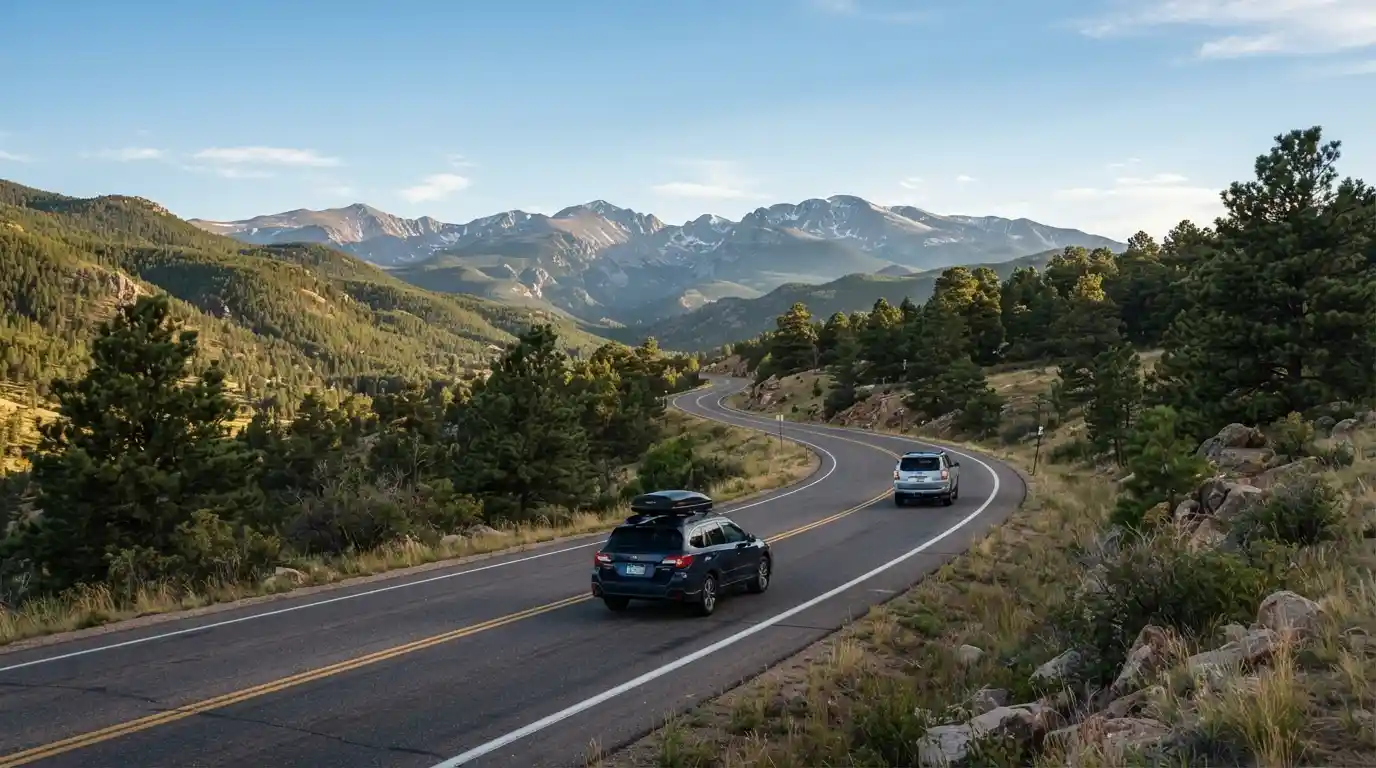
From dramatic mountain scenery in Rocky Mountain National Park to the artsy streets of Boulder and the historic charm of Golden, the region offers something for almost every type of traveler. If you are planning a longer Colorado trip, you can also explore our guide to the best places to visit in Colorado for additional seasonal ideas.
This guide highlights some of the most worthwhile destinations near Denver, along with what to do, who each destination suits, and how to choose the right getaway for your available time.
Best Places to Visit Near Denver, Colorado
Here are some of the top destinations to consider when you want to escape Denver without committing to a long road trip.
1. Boulder
Boulder is one of the easiest weekend or day-trip choices from Denver. Located at the foothills of the Flatirons, the city combines outdoor recreation with restaurants, coffee shops, shopping, art, and a lively downtown atmosphere.
Outdoor enthusiasts can hike around Chautauqua and explore the surrounding foothills, while visitors looking for a slower itinerary can spend time around Pearl Street. Boulder works particularly well for couples, families, and travelers who want mountain scenery without giving up urban conveniences.
2. Golden
Golden offers a classic Colorado experience close to Denver. The historic downtown sits beside Clear Creek and provides an attractive setting for walking, dining, cycling, and relaxing outdoors.
The surrounding foothills also make Golden a useful base for short hikes and scenic drives. Because of its proximity to Denver, it is especially practical for travelers with only one free day.
3. Rocky Mountain National Park
For dramatic mountain scenery, Rocky Mountain National Park is one of the strongest choices near Denver. The park is known for alpine landscapes, high-elevation roads, mountain lakes, hiking trails, and abundant wildlife.
A visit requires more planning than a quick city day trip, particularly during busy seasons. Weather, road conditions, seasonal closures, park access requirements, and elevation should all be considered before setting out.
If your main goal is to experience Colorado’s mountains, this destination deserves a place near the top of your itinerary.
4. Colorado Springs
Colorado Springs is a popular destination south of Denver and provides a mix of dramatic landscapes, outdoor attractions, and cultural experiences. Garden of the Gods is the area’s standout attraction, with towering red-rock formations set against a mountain backdrop.
Visitors can also explore nearby trails and scenic areas or use the city as a base for a longer Colorado itinerary. It is a good option for families and travelers who want several attractions in one trip.
5. Estes Park
Estes Park is particularly appealing to travelers who want a mountain-town atmosphere. It serves as an important gateway to Rocky Mountain National Park and offers lodging, restaurants, shops, outdoor activities, and scenic views.
The town can work as either a destination in its own right or as an overnight base for exploring the national park. A weekend stay gives visitors more time to enjoy the area’s scenery without rushing through the trip.
6. Idaho Springs
Idaho Springs is a historic mountain community west of Denver and one of the easiest places to reach along the I-70 mountain corridor. Its historic character, mountain setting, local restaurants, and outdoor attractions make it a convenient escape from the city.
It is particularly useful for travelers who want a taste of Colorado’s mountain towns but have limited time. You can combine Idaho Springs with other destinations along the same corridor for a fuller weekend itinerary.
7. Breckenridge
Breckenridge is one of Colorado’s most recognizable mountain destinations. The historic downtown, surrounding peaks, outdoor recreation, and strong winter sports scene make it popular throughout the year.
Winter visitors often come for skiing and snowboarding, while warmer months offer hiking, mountain biking, scenic sightseeing, and other outdoor activities. Because Breckenridge is farther from Denver than some of the destinations above, it is better suited to an overnight or weekend trip.
8. Frisco
Frisco is a smaller mountain town near several major Colorado recreation destinations. Its location makes it convenient for travelers who want access to mountain scenery while staying in a compact community.
The town’s Main Street, nearby reservoir, trails, and surrounding peaks create plenty of opportunities for a relaxed weekend. Frisco is also useful as a base for exploring other Summit County destinations.
9. Vail
Vail is an excellent choice when the goal is a more upscale mountain getaway. The destination is famous for its ski resort, mountain scenery, European-inspired village atmosphere, restaurants, and lodging.
Although it requires a longer drive from Denver than Boulder or Golden, Vail makes sense for travelers planning a dedicated weekend in the mountains. Its appeal extends beyond winter, with hiking, sightseeing, and other outdoor activities available during warmer months.
10. Winter Park
Winter Park is another strong option for a mountain weekend. The area is especially well known for winter recreation but remains attractive throughout the year.
Travelers can enjoy mountain biking, hiking, scenic drives, and other outdoor pursuits when temperatures rise. Its combination of accessibility and recreational opportunities makes it a practical choice for an active getaway.
11. Nederland
Nederland provides a different kind of mountain-town experience. Located west of Boulder, this small community has a relaxed atmosphere and easy access to forests, mountain landscapes, and outdoor recreation.
It is a good destination for travelers who prefer smaller communities over major resort towns. Nederland can also be combined with Boulder for a varied weekend that includes both city amenities and mountain scenery.
12. Evergreen
Evergreen offers an easy escape into the foothills without requiring a long journey from Denver. The community is surrounded by forests and mountain landscapes and is known for outdoor recreation and a peaceful atmosphere.
Its proximity makes it particularly appealing for short trips, couples’ getaways, and travelers who want to spend more time outdoors without spending much of the weekend driving.
13. Morrison
Morrison is another convenient foothills destination west of Denver. Its most recognizable attraction is Red Rocks Park and Amphitheatre, where dramatic sandstone formations create one of Colorado’s most memorable natural settings.
Morrison is especially convenient when you want to combine scenery with entertainment. The destination can easily be incorporated into a short Denver-area itinerary.
14. Georgetown
Georgetown is a historic mountain town located along the route toward Colorado’s high country. Victorian-era architecture and a scenic mountain setting give the community a distinctive character.
It is a worthwhile stop for travelers interested in Colorado history, photography, scenic drives, and small-town experiences. Georgetown can also be combined with Idaho Springs during a mountain-corridor road trip.
15. Leadville
Leadville offers a high-altitude historic-town experience surrounded by Colorado’s mountains. Its mining heritage, historic buildings, and dramatic scenery make it different from the state’s larger resort communities.
Because of its elevation and distance from Denver, travelers should allow sufficient time for the drive and plan their activities accordingly. It is best suited to visitors looking for a destination-focused weekend rather than a quick day trip.
16. Mount Evans and the Mount Blue Sky Area
The Mount Blue Sky area is another option for travelers seeking high-elevation scenery near Denver. The route toward the mountain provides opportunities to experience dramatic changes in landscape as you climb from the foothills toward alpine terrain.
High-elevation travel requires additional preparation. Weather can change quickly, and seasonal access can vary, so check current conditions before planning the trip.
17. Fort Collins
Fort Collins is farther north of Denver but remains a practical option for a weekend getaway. The city combines historic character, outdoor recreation, restaurants, breweries, shops, and access to nearby natural areas.
It is a particularly good choice for travelers who want a more urban weekend rather than a traditional mountain-resort experience.
How to Choose the Best Denver Weekend Getaway
The best destination depends largely on how much time you have and what you want to do.
- For a quick day trip: Boulder, Golden, Morrison, and Evergreen are convenient choices.
- For mountain scenery: Rocky Mountain National Park, Estes Park, Breckenridge, and Winter Park are strong options.
- For a romantic getaway: Boulder, Vail, Breckenridge, and Evergreen offer a range of scenic and relaxing experiences.
- For families: Colorado Springs, Estes Park, Boulder, and Fort Collins provide varied attractions.
- For history: Georgetown, Idaho Springs, and Leadville offer distinctive historic character.
- For outdoor adventure: Rocky Mountain National Park, Winter Park, Breckenridge, and the Mount Blue Sky area are worth considering.
Best Time to Visit Places Near Denver
There is no single best season for every destination near Denver. Summer is excellent for hiking, sightseeing, mountain drives, and outdoor recreation, while fall brings cooler weather and colorful landscapes.
Winter transforms many mountain communities into ski and snow-sport destinations. Spring can be more variable, with changing conditions at higher elevations.
If you are specifically planning a seasonal Colorado trip, our guide to Colorado destinations for Thanksgiving can help with another time of year.
Tips for Planning a Weekend Trip From Denver
Check Mountain Weather
Mountain weather can differ significantly from conditions in Denver. Check the forecast for your actual destination before leaving, especially when traveling at higher elevations.
Start Early
Popular destinations and mountain roads can become busy. Starting early can give you more time at attractions and reduce the pressure of fitting everything into a short itinerary.
Allow Extra Driving Time
Colorado mountain travel can take longer than expected because of traffic, weather, road construction, and scenic stops. Avoid building a schedule that leaves no room for delays.
Prepare for Elevation
Some destinations sit considerably higher than Denver. Give yourself time to adjust, stay hydrated, and avoid overloading your first day with strenuous activities if you are not accustomed to altitude.
Reserve Accommodation Early
Popular mountain towns can become busy during ski season, summer weekends, holidays, and special events. Booking accommodations ahead of time can provide more choice and potentially better rates.
More Places to Explore Across the USA
If your Colorado trip is part of a larger road trip, you can continue exploring other destinations featured in our travel collection. Consider our guides to the best places to visit on the West Coast, places to visit in the Eastern U.S., and top places to visit in Washington, DC.
For additional state-level inspiration, explore places to visit in Oklahoma, the best places to visit in Wisconsin, and places to visit in Salt Lake City.
Travelers planning future seasonal trips can also explore top places to visit in the fall, U.S. destinations for Labor Day weekend, and U.S. destinations for Memorial Day weekend.
Frequently Asked Questions
What are the best places to visit near Denver for a weekend?
Boulder, Estes Park, Breckenridge, Colorado Springs, Winter Park, Vail, and Rocky Mountain National Park are among the strongest options, depending on whether you prioritize scenery, outdoor recreation, family activities, or relaxation.
What is the easiest day trip from Denver?
Boulder, Golden, Morrison, and Evergreen are among the easiest choices because of their proximity to Denver.
Where can I go near Denver for mountain scenery?
Rocky Mountain National Park, Estes Park, Breckenridge, Winter Park, Georgetown, and the Mount Blue Sky area all provide access to mountain landscapes.
What are good weekend destinations near Denver for families?
Colorado Springs, Boulder, Estes Park, Fort Collins, and Golden offer a mixture of outdoor attractions, sightseeing, dining, and activities that can work well for family trips.
Are Denver weekend getaways suitable year-round?
Yes. The best destination changes with the season. Summer is popular for hiking and sightseeing, fall offers changing foliage, and winter is ideal for many mountain communities and snow sports.
Final Thoughts
The best places to visit near Denver, Colorado range from convenient foothills communities to high-country mountain destinations. Boulder and Golden are excellent for quick escapes, while Estes Park and Rocky Mountain National Park are better choices for dramatic scenery and outdoor exploration. Breckenridge, Vail, and Winter Park can turn the trip into a full mountain weekend.
Rather than trying to see everything in one trip, choose a destination based on your available time, preferred activities, season, and comfort with mountain driving and elevation. With thoughtful planning, Denver can serve as an excellent launch point for exploring some of Colorado’s most memorable landscapes and communities.