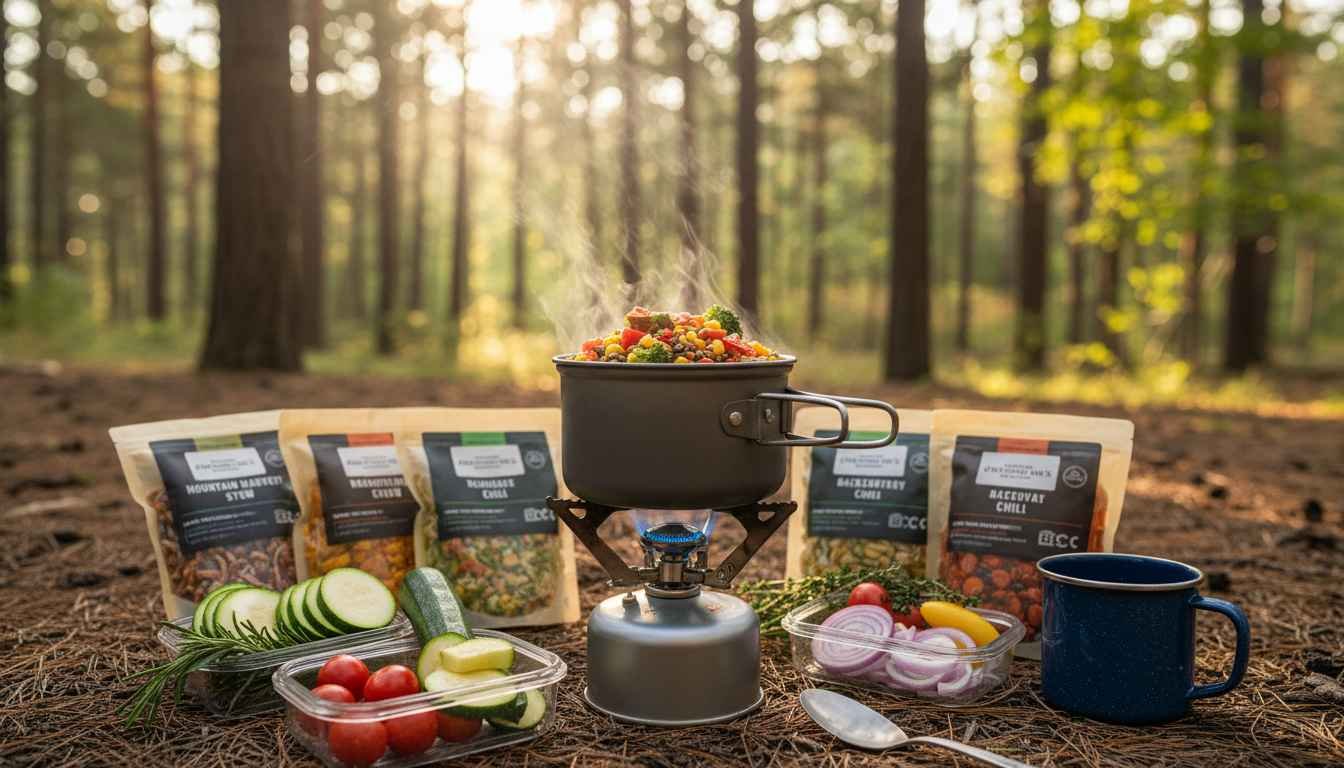
The truth is, eating well while backpacking doesn’t require gourmet ingredients or complicated meals. If you’re serious about making the most of your outdoor adventures, you need food that’s lightweight, energizing, and easy to prepare. Think about it – every meal has to be practical, portable, and most importantly, give you the fuel you need to keep going. And, no, that doesn’t mean just granola bars and freeze-dried packets.
Whether you’re hiking through the rugged mountains of the Pacific Northwest or trekking in your local woods, the right meals will make a huge difference in your energy levels and overall experience. You’ll learn how to prep food that lasts, stays fresh, and helps you stay at peak performance.
My experiments with backpacking meals have led me to simple yet effective recipes. At The Adventure Bite, we prioritize meals that are wholesome, nutritious, and easy to prepare, even in the backcountry. Let’s dive into what works – and what doesn’t.
1. One-Pot Wonders: The Easiest Way to Pack a Punch
When you’re on the trail, your stove and cookware have to work as hard as you do. A one-pot meal is a game-changer – minimal cleanup, minimal gear, and maximum flavor. My go-to? A hearty lentil stew with dehydrated veggies, quinoa, and spices that pack a punch. It’s nutritious, lightweight, and rich in protein, which helps keep you full longer.
Recipe: Hearty Lentil Stew
- 1 cup dried lentils
- 1/2 cup quinoa
- 1/4 cup dehydrated veggies (carrots, peas, onions)
- 2 tbsp olive oil
- 1 tbsp garlic powder, cumin, and paprika
- Salt and pepper to taste
Cook the lentils and quinoa together in 4 cups of water for 20 minutes. Stir in the dehydrated veggies, olive oil, and spices, then let it simmer until everything is tender. This dish packs in fiber, protein, and plenty of flavor – plus it’s lightweight and easy to rehydrate.
Reflecting on my journey through the vibrant culinary landscape of Minneapolis, I can’t help but think about how different my experiences would have been if I had embraced the world of veganism earlier in life. The transition to a plant-based diet has not only enriched my meals but has also opened my eyes to the diverse offerings available in this dynamic city. For anyone curious about the range of choices, exploring vegan food minneapolis mn reveals a treasure trove of flavors and dishes that cater to all tastes. In this letter to my younger self, I hope to share insights and recommendations that would have made my transition smoother and more enjoyable, proving that delicious, ethical eating is within everyone’s reach.
2. Wraps and Snacks: Quick Energy for Trail Munching
If you’re looking for something quick, no-cook, and easy to snack on during breaks, wraps are your best friend. They’re easy to assemble and can be packed with anything you want: peanut butter and honey, jerky and cheese, or hummus and veggies.
Recipe: Protein-Packed Wrap
- 1 whole wheat tortilla
- 2 tbsp peanut butter or almond butter
- 1 tbsp honey
- 1/4 cup mixed nuts (optional)
Spread the peanut butter on the tortilla, drizzle with honey, and add the nuts for extra crunch. Roll it up and you’re good to go. This snack is high in protein, healthy fats, and will give you the energy you need without weighing you down.
3. Dehydrated Meals: The Ultimate Convenience
Dehydrated meals can get a bad rap for being bland or tasteless. But trust me, when you’re starving on a cold, rainy night, a hot, rehydrated meal tastes like heaven. After testing several options, I’ve found that homemade dehydrated meals are far superior to store-bought ones. You can control the ingredients and avoid any unnecessary additives.
Recipe: Homemade Dehydrated Chili
- 1 lb ground beef (or beans for a vegetarian option)
- 1 cup diced tomatoes
- 1/2 cup bell pepper, onions, and corn (dehydrated)
- 1 tbsp chili powder, cumin, garlic powder
- Salt and pepper to taste
Brown the ground beef (or cook beans for the vegetarian version) and add the spices. Stir in the tomatoes and dehydrated veggies, then simmer for 15 minutes. Once cooled, dehydrate everything. When you’re on the trail, just add hot water, stir, and let it sit for 10 minutes. Voila! A spicy, warming meal that will fuel you through any cold night.
Pros & Cons of Backpacking Food Meals
Pros
- ✅ Lightweight and portable
- ✅ Customizable to your dietary needs
- ✅ Can be made ahead of time for convenience
- ✅ Provides balanced nutrition for energy
- ✅ Minimal cleanup
Cons
- ❌ Requires preparation before the trip
- ❌ Some meals may need extra equipment (e.g., dehydrator)
- ❌ Can be time-consuming to prep if you’re new to it
Who Should Avoid This?
If you’re not ready to experiment in the kitchen or want to skip the prep work, store-bought freeze-dried meals might be a better option. This method also requires some gear (like a dehydrator) if you want to make meals at home, so it’s not ideal for beginners or those with limited time.
Final Thoughts
Backpacking food meals don’t have to be dull or tasteless. With a little preparation, you can enjoy nutritious, energizing, and delicious meals on the trail. The key is finding the right balance of lightweight ingredients, protein, and carbs to keep your body fueled for all the adventures ahead. Whether you go for one-pot wonders, wraps, or homemade dehydrated meals, each choice can help you maintain energy and enjoy the journey to its fullest.