If you have started a business, hired help, or opened a business bank account, someone has probably asked for your EIN. But what is an EIN number, and do you really need one? An EIN, short for Employer Identification Number, is the federal tax ID the IRS assigns to your business. Think of it as a Social Security number for your company.
This guide explains how an EIN works, who needs one, how to apply for free, and the mistakes that slow people down. Whether you run a one-person LLC or a growing company, you will finish this page knowing exactly where an EIN fits into your setup.
What Is an EIN Number Used For?
The IRS uses your EIN to identify your business for federal tax purposes. You will use it when you file business tax returns, pay employees, report contractor payments, and open financial accounts. Banks, lenders, and licensing offices ask for it because it confirms your business is registered with the federal tax system.
An EIN has nine digits in the format 12-3456789. Once issued, it belongs to your business permanently and never expires. It does not replace state tax IDs, licenses, or permits, which are separate requirements handled by state and local agencies.
Many owners get an EIN right after forming the business, alongside the steps in our guide on how to start a business in the USA. Doing it early avoids delays when you are ready to open accounts or sign contracts.
Who Needs an EIN?
You must have an EIN if your business hires employees, operates as a corporation or partnership, or files certain tax returns such as employment or excise taxes. Multi-member LLCs need one because the IRS treats them as partnerships by default. Banks also require an EIN to open a business account for an LLC or corporation, even with no employees.
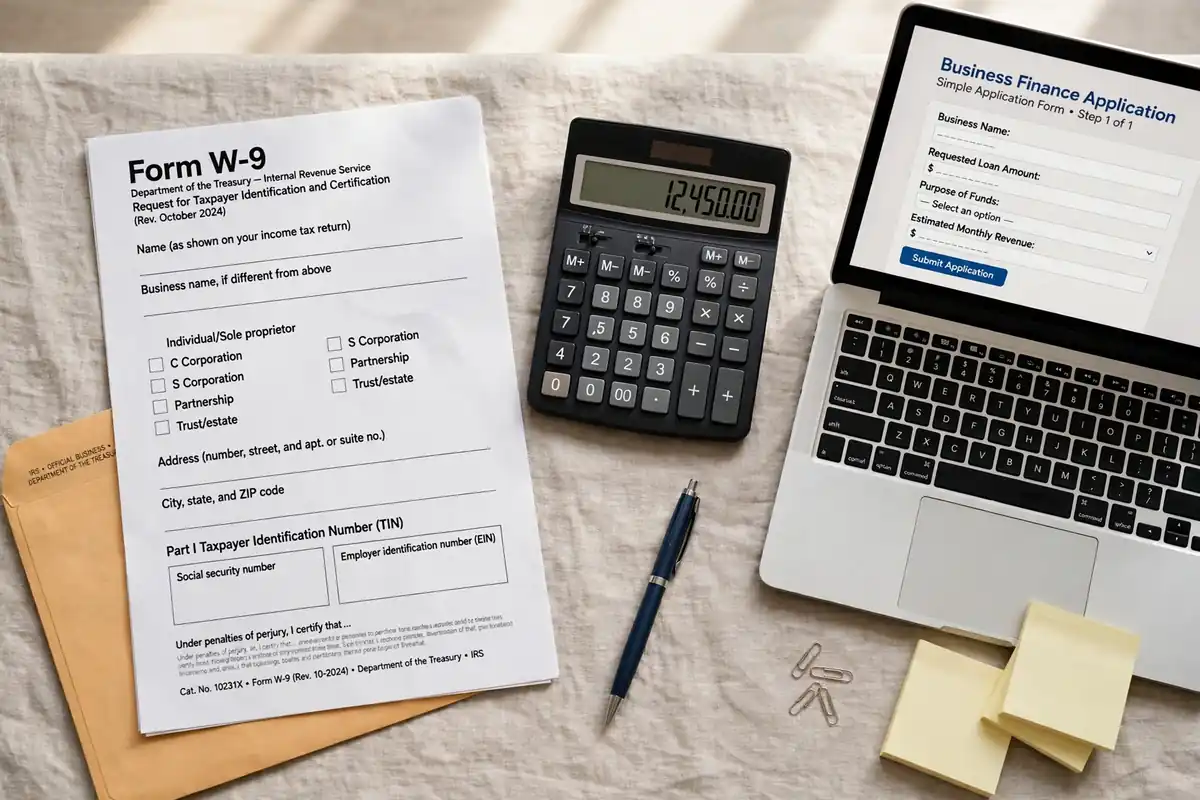
Sole proprietors without employees can technically use their Social Security number instead. Even so, most choose to get an EIN anyway. It keeps your personal number off invoices, W-9 forms, and client paperwork, which reduces identity theft risk. If you are still deciding how to organize, compare LLC vs sole proprietorship rules, since your structure determines whether an EIN is optional or mandatory.
Estates, trusts, nonprofits, and farmers’ cooperatives also use EINs for their filings. If your situation involves one of those entities, the same application process applies, with a few extra questions about the organization type.
EIN vs Other Business Numbers
New owners often confuse the EIN with similar-looking numbers. A state tax ID is issued by your state for sales tax or state employment taxes, and it is completely separate. Your business license number comes from a city, county, or state licensing office. A DUNS number is a commercial identifier used for credit and government contracts, not taxes.
Your formation documents matter here too. If you operate under a name different from your legal name, you may need the filing explained in what a DBA is and when you need one. The EIN application asks for your legal business name, so sort out naming first to keep every record consistent.
LLCs also deal with state-level contacts such as the person or company that receives legal mail. Our article on what a registered agent is explains that role, which is separate from the EIN but part of the same startup checklist.
How to Get an EIN: Step by Step
Step 1: Confirm eligibility
Your principal business must be located in the United States or its territories, and the person applying must have a valid taxpayer identification number, such as a Social Security number. One responsible party applies on behalf of the business.
Step 2: Apply online for the fastest result
The IRS online application is the quickest route and is completely free. It is available during posted weekday hours, and the EIN is issued immediately at the end of the session. Download, save, and print the confirmation notice before closing the window, because that PDF is your official record.
Step 3: Use fax or mail if you prefer paper
You can also submit Form SS-4 by fax or mail. Fax applications typically return an EIN within several business days, while mailed forms can take a few weeks. International applicants without a U.S. legal residence use a dedicated phone or fax process described in the form instructions.
Step 4: Share and store the number safely
Give your EIN to your bank, accountant, and payroll provider, and store the confirmation letter with your formation documents. Clean records from day one make small business bookkeeping far easier when tax season arrives.
What an EIN Costs (and the Scam to Avoid)
An EIN from the IRS is free. Always. Unfortunately, many look-alike websites charge fees to “process” an application that takes ten minutes on the official site. If a page asks for payment to get an EIN, close it and go directly to the IRS website instead.
Your real startup spending lies elsewhere: state formation fees, licenses, insurance, and tools. Our guide to how much it costs to start a business helps you budget those items realistically. And once you are operating, tracking which expenses qualify as small business tax deductions can save far more than any filing fee.
What Happens After You Get Your EIN
With your EIN in hand, several doors open. You can open a business bank account, which separates your money and strengthens your liability protection. You can apply for business credit cards and start to build business credit, which lenders check when you apply for financing later.
When you are ready to borrow, lenders will ask for your EIN on every application, as outlined in our guide to small business loans and how to get funded. The same number appears on payroll filings once you hire, and on the retirement plan paperwork if you set up a plan such as those compared in our Solo 401(k) vs SEP IRA guide.
Owners who later hire staff use the EIN for quarterly payroll reports and year-end W-2s. Employees, meanwhile, benefit when the company offers a plan like the one explained in our 401(k) for beginners guide, and the EIN is the identifier tying it all together.
Common EIN Mistakes to Avoid
- Applying before your LLC is approved. Wait until the state confirms your formation, or the legal name on your EIN record may not match.
- Requesting a duplicate EIN. If you lost your number, the IRS can retrieve it. Applying again creates confusing duplicate records.
- Using an EIN for the wrong entity. A major structure change, like converting to a corporation, may require a new EIN. Check the IRS rules before assuming yours still works.
- Ignoring structure consequences. How your company is taxed matters as much as the number itself, so review LLC vs S Corp rules if you plan to grow or take on partners.
Finally, keep your information current. If your responsible party or business address changes, notify the IRS using the form listed on your confirmation letter. Pair that habit with steady small business cash flow management and your admin stays boring, which is exactly how you want it.
EIN Rules for LLCs: Single-Member vs Multi-Member
LLCs deserve a closer look because the rules change with the number of owners. A single-member LLC with no employees is taxed as a sole proprietorship by default, so an EIN is technically optional. You could file using your Social Security number. In practice, though, most single-member LLC owners get an EIN anyway, because banks often request one for a business account and clients ask for it on W-9 forms.
A multi-member LLC is different. Because the IRS taxes it as a partnership by default, an EIN is required from the start. You will use it on the partnership tax return, on each owner’s Schedule K-1, and for payroll if you hire. If your LLC later elects corporate tax treatment, tell the IRS about the change using the proper election form rather than applying for a second number.
One more trap catches new LLC owners: if you applied for an EIN before your state approved the LLC, the name on file may be your own name instead of the company’s. Fix mismatches early, because banks compare the EIN confirmation letter against your formation documents when you open an account.
Frequently Asked Questions
Is an EIN the same as a tax ID?
An EIN is a type of federal tax ID. The terms overlap: “tax ID” can also refer to a Social Security number, an ITIN, or a state-issued tax number, while EIN specifically means the employer identification number for businesses and other entities.
How long does it take to get an EIN?
The online application issues your number immediately. Faxed Form SS-4 applications usually return within several business days, and mailed forms can take a few weeks, so online is best when timing matters.
Can I cancel an EIN?
No. Once assigned, an EIN stays with the entity forever and is never reused or canceled. If you close the business, you can close your IRS business account by writing to the IRS, but the number itself remains on record.
Final Thoughts
An EIN is a small step with an outsized effect: it unlocks bank accounts, hiring, credit, and clean taxes. Apply once, apply free through the IRS, and store the confirmation safely. With that foundation set, the rest of your launch, from licensing to your first sale, gets noticeably simpler.