
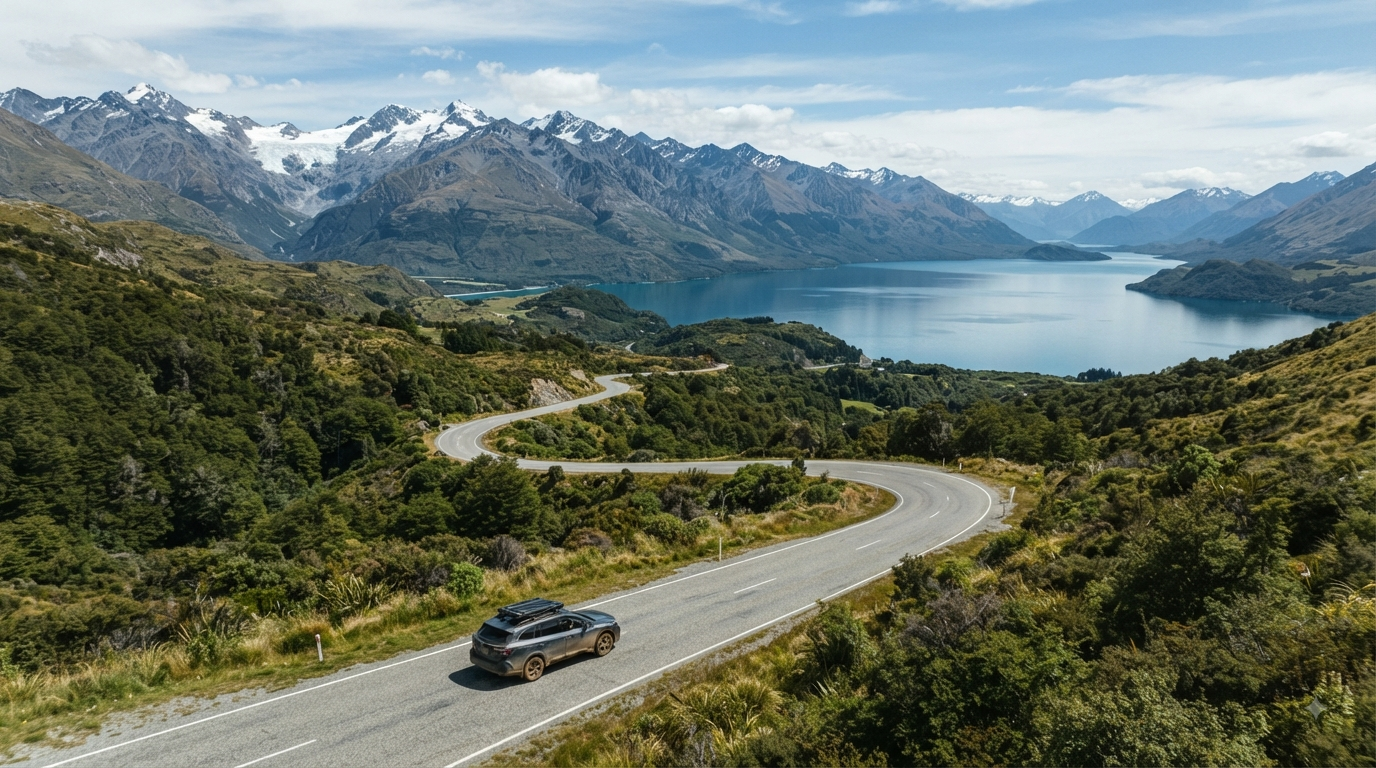
Wondering what places to visit in New Zealand? Aotearoa offers an impressive mix of dramatic mountains, fjords, beaches, geothermal landscapes, Māori culture, lively cities, vineyards, and scenic road-trip routes. The challenge is not finding somewhere worth visiting; it is deciding which destinations deserve a place on your itinerary.
This guide covers some of the best places to visit in New Zealand, including popular highlights and destinations worth considering if you have extra time. If you are comparing international destinations before planning your trip, you can also explore our guides to the best places to visit in New Zealand and other destinations around the world.
Best Places to Visit in New Zealand at a Glance
- Auckland: Best for city life, harbor views, food, and easy access to nearby islands.
- Rotorua: Best for geothermal attractions and Māori cultural experiences.
- Wellington: Best for museums, food, arts, and a compact waterfront setting.
- Queenstown: Best for adventure, alpine scenery, and outdoor activities.
- Milford Sound: Best for dramatic fjord scenery and cruises.
- Aoraki / Mount Cook: Best for mountain landscapes, hiking, and stargazing.
- Wānaka: Best for lakeside scenery, hiking, and a relaxed alpine atmosphere.
- Christchurch: Best for South Island city experiences and access to surrounding destinations.
- Franz Josef and Fox Glaciers: Best for glacier landscapes and West Coast adventures.
- Abel Tasman National Park: Best for beaches, coastal walks, and kayaking.
1. Auckland: New Zealand’s Largest City
Auckland is one of the easiest places to begin a New Zealand trip, particularly for international visitors arriving by air. Known for its harbors, volcanic landscapes, beaches, restaurants, and diverse neighborhoods, the city provides a useful introduction to the country.
Spend time around the waterfront, explore the city’s viewpoints, and consider taking a ferry to Waiheke Island for beaches, vineyards, and a slower pace. Auckland also works well as a base for exploring parts of the upper North Island.
If you are particularly interested in northern landscapes, pair Auckland with the destinations highlighted in our guide to the best places to visit in Northland, New Zealand.
2. Rotorua: Geothermal Wonders and Māori Culture
Rotorua is one of the most distinctive destinations in New Zealand. The region is famous for geothermal activity, including steaming areas, bubbling mud pools, hot springs, and geysers.
Rotorua is also an important destination for experiencing Māori culture. Visitors can learn about traditions, food, storytelling, arts, and history through cultural experiences and local attractions.
The combination of geothermal scenery and cultural experiences makes Rotorua especially appealing to first-time visitors who want more than conventional sightseeing.
3. Wellington: Culture, Museums, and Waterfront Views
Wellington sits at the southern end of the North Island and is known for its creative atmosphere, waterfront setting, cafés, restaurants, and museums. It is compact enough to explore without spending most of your day traveling between attractions.
Te Papa, New Zealand’s national museum, is one of the city’s major attractions. The waterfront is another popular area for walking, dining, and enjoying views across the harbor.
Wellington can also be an important stop for travelers moving between the North and South Islands by ferry.
4. Taupō: A Lake Surrounded by Adventure
Lake Taupō is one of the North Island’s major natural attractions. The enormous volcanic lake provides a scenic setting for boating, fishing, hiking, and other outdoor activities.
The surrounding region is also useful for travelers who want to combine nature with adventure. Waterfalls, volcanic landscapes, walking tracks, and nearby geothermal attractions make Taupō more than a simple overnight stop.
5. Queenstown: The Adventure Capital
Queenstown is one of the most recognizable destinations in New Zealand and a natural choice for travelers seeking outdoor adventure. The town sits beside Lake Wakatipu and is surrounded by dramatic mountain scenery.
Depending on the season, visitors can enjoy hiking, skiing, mountain activities, jet boating, scenic flights, and other experiences. Queenstown is also a convenient base for exploring Central Otago and nearby alpine destinations.
Because Queenstown is popular throughout much of the year, travelers should plan accommodation and major activities early, particularly during busy periods.
6. Milford Sound: One of New Zealand’s Most Dramatic Landscapes
Milford Sound, within Fiordland National Park, is one of the country’s most spectacular natural attractions. Towering cliffs rise from dark waters, while waterfalls cascade down the surrounding rock faces.
A cruise is one of the most popular ways to experience the fjord. Depending on conditions and availability, visitors can also explore the wider Fiordland region through scenic flights, kayaking, and walking experiences.
Weather can change quickly in Fiordland, so flexible planning is useful. Rain is not necessarily a reason to cancel a visit because wet conditions can make the waterfalls even more dramatic.
7. Aoraki / Mount Cook National Park: Alpine Scenery at Its Best
Aoraki / Mount Cook National Park is a must-consider destination for travelers interested in mountains, glaciers, hiking, and clear night skies. The Aoraki / Mount Cook is New Zealand’s highest mountain, and the surrounding landscape provides some of the country’s most memorable alpine views.
The area offers walking opportunities ranging from relatively accessible trails to more demanding alpine adventures. The Aoraki Mackenzie region is also renowned for its dark skies, making it an excellent option for travelers who enjoy astronomy and night photography.
8. Wānaka: A Quieter Alpine Escape
Wānaka offers a scenic alternative to the busier atmosphere of Queenstown. Located beside Lake Wānaka and surrounded by mountains, the town is popular with hikers, photographers, families, and travelers who prefer a slower alpine experience.
Its location also makes it useful for exploring Central Otago and nearby mountain areas. During winter, Wānaka becomes an important base for visitors interested in skiing and snow activities.
9. Christchurch: Gateway to the South Island
Christchurch is the largest city on the South Island and an important starting point for exploring the region. The city combines urban attractions with easy access to mountains, coastline, vineyards, and scenic road-trip routes.
Travelers can use Christchurch as a practical base before heading toward Aoraki / Mount Cook, the West Coast, Kaikōura, or other South Island destinations.
10. Kaikōura: Coastal Scenery and Marine Wildlife
Kaikōura is a coastal destination known for its marine environment and mountain backdrop. The location makes it particularly appealing to travelers interested in wildlife experiences and scenic coastal drives.
The town is also a good stop between Christchurch and destinations farther north, making it easy to include in a South Island road trip.
11. Abel Tasman National Park: Beaches and Coastal Trails
Abel Tasman National Park is ideal for travelers who want beaches and coastal scenery alongside outdoor activities. Golden beaches, forested hills, clear water, and walking tracks create a very different landscape from the Southern Alps.
Kayaking is another popular way to experience the coastline. Travelers can choose between short visits and longer walking or camping experiences depending on their schedule and comfort level.
12. Franz Josef and Fox Glacier Region
The West Coast of the South Island provides an opportunity to experience glacier country alongside temperate rainforest and rugged coastal scenery. Franz Josef and Fox Glacier are among the region’s best-known destinations.
Weather conditions can influence access and activities, so visitors should check local conditions before setting out and use approved operators or marked routes where appropriate.
13. Nelson: Art, Food, and Easy Access to Nature
Nelson is a pleasant base for exploring the northern South Island. It combines a relaxed city atmosphere with access to beaches, national parks, wineries, and outdoor activities.
The region can work particularly well for travelers who want a balance between nature and comfortable city facilities rather than spending every night in remote areas.
14. Dunedin: Scottish Heritage and Wildlife
Dunedin offers a different side of New Zealand. The city has strong Scottish heritage, distinctive architecture, a lively student population, and access to the Otago Peninsula.
The surrounding coastline is particularly interesting for wildlife enthusiasts. Dunedin is therefore worth considering if your itinerary includes both cultural attractions and nature-based experiences.
15. Bay of Islands: Beaches, History, and Coastal Adventures
The Bay of Islands in the far north is known for sheltered waters, islands, beaches, and maritime experiences. It also has important historical connections, making it an interesting destination for travelers who want to combine coastal scenery with New Zealand’s history.
Boat trips, kayaking, fishing, and coastal sightseeing are among the activities that can be added to a North Island itinerary.
16. Coromandel Peninsula: Beaches and Forests
The Coromandel Peninsula is a strong choice for travelers seeking beaches, forest scenery, and a more relaxed coastal atmosphere. It is relatively accessible from Auckland and can work as a short getaway or a longer stop.
Its combination of beaches and native forest makes it particularly attractive during warmer months, although visitors should still prepare for changing weather conditions.
17. Stewart Island / Rakiura: For Nature-Focused Travelers
For travelers who have additional time, Stewart Island / Rakiura provides an opportunity to experience a quieter and more remote side of New Zealand. The island is known for native forest, coastal scenery, walking opportunities, and wildlife.
It is better suited to travelers who prioritize nature and slower exploration rather than those trying to cover as many major cities as possible.
18. Marlborough: Vineyards and Scenic Landscapes
Marlborough is particularly well known for wine and is an excellent addition to an itinerary focused on food, drink, and scenic countryside. The region’s vineyards and relaxed atmosphere offer a contrast to New Zealand’s major adventure destinations.
Travelers combining Marlborough with Nelson and Abel Tasman can create a well-rounded northern South Island itinerary.
19. The West Coast: A Road Trip Through Wild Landscapes
The South Island’s West Coast is less urbanized and offers long stretches of dramatic scenery. Rainforest, mountains, rivers, glaciers, and rugged coastline create an ideal environment for travelers who enjoy scenic driving.
The region is best experienced without rushing. Build additional time into your schedule because road distances can take longer than they appear on a map.
20. Central Otago: Mountains, Lakes, and Wine Country
Central Otago is another worthwhile addition for travelers exploring the South Island. The region combines dry inland landscapes, mountains, historic settlements, cycling opportunities, and vineyards.
It can be particularly appealing for travelers who want to experience a side of New Zealand that feels different from the wetter western regions and coastal destinations.
How to Choose the Best Places in New Zealand for Your Trip
You do not need to visit every destination on this list. The best itinerary depends on your available time, travel style, and the season of your trip.
For first-time visitors
Auckland, Rotorua, Wellington, Queenstown, Milford Sound, and Aoraki / Mount Cook provide a strong introduction to the country’s major landscapes and experiences.
For adventure travelers
Prioritize Queenstown, Wānaka, Fiordland, Aoraki / Mount Cook, and the West Coast. These regions provide excellent access to mountains, hiking, water activities, and other outdoor experiences.
For families
Auckland, Rotorua, Taupō, Wellington, and the Bay of Islands can offer a good mixture of attractions, nature, culture, and activities without requiring an entirely adventure-focused itinerary.
For nature lovers
Fiordland, Abel Tasman, Aoraki / Mount Cook, Stewart Island / Rakiura, Kaikōura, and the West Coast deserve particular attention.
For travelers planning a wider international trip
If New Zealand is one stop on a longer journey, compare your itinerary with other destination guides before deciding how many days to allocate. Our guides to 25 places in the world to visit, top places around the world, and some of the best places to visit worldwide can help with broader trip inspiration.
Best Time to Visit New Zealand
New Zealand is in the Southern Hemisphere, so its seasons are opposite to those in the United States and Europe. Summer generally runs from December through February, autumn from March through May, winter from June through August, and spring from September through November.
Summer is generally the busiest travel period, while spring and autumn can provide a useful balance between pleasant conditions and fewer visitors. Winter is especially attractive for ski destinations and alpine experiences.
New Zealand’s climate varies considerably by region. The far north can have subtropical conditions, while inland alpine areas of the South Island can become very cold in winter. Rain can occur throughout the year, so packing layers and weather protection is sensible.
For current seasonal information and regional climate guidance, check Tourism New Zealand’s official seasonal travel guide.
Peak-season accommodation, rental cars, ferry journeys, and popular activities can fill quickly. Booking ahead is particularly sensible when traveling during the busy summer period.
How Long Do You Need in New Zealand?
There is no single ideal trip length, but your available time should determine how much ground you cover.
- 7 days: Focus on one island or a small group of nearby destinations.
- 10 to 14 days: Enough for a focused North Island or South Island itinerary with several major highlights.
- 2 to 3 weeks: A better timeframe for combining major destinations across both islands without trying to see everything.
- 4 weeks or more: Allows a slower road trip with additional regional and nature-focused stops.
Trying to cover both islands too quickly can turn a scenic vacation into a schedule dominated by transportation. It is usually better to spend more time in fewer places.
Getting Around New Zealand
A rental car or campervan can be useful for travelers who want flexibility, especially outside major cities. However, driving times should be calculated carefully because roads can be narrow, winding, mountainous, or slower than visitors expect.
New Zealand drives on the left side of the road. International visitors should review the current road rules before driving, particularly if they are accustomed to right-side driving.
For official visitor guidance, check the NZ Transport Agency’s guide to driving in New Zealand before renting a vehicle.
Domestic flights can also save significant time when traveling between distant parts of the country. A combination of flights, rental cars, ferries, and organized tours can sometimes be more efficient than attempting to drive every section of the journey.
New Zealand Travel Planning Tips
1. Do not underestimate travel times
Distances may look short on a map, but mountain roads and scenic routes can take longer than expected. Leave time for stops, weather changes, and rest.
2. Build your itinerary around regions
Instead of jumping between distant destinations every day, group nearby attractions together. This reduces driving and gives you more time to enjoy each location.
3. Reserve popular activities early
Milford Sound cruises, popular accommodations, rental vehicles, and certain seasonal activities can become busy during peak travel periods.
4. Prepare for changing weather
Even when the forecast looks favorable, conditions can change quickly, particularly in alpine and coastal areas. Layers, waterproof clothing, and comfortable walking shoes are useful additions to almost any itinerary.
5. Respect local environments
New Zealand’s landscapes are a major reason people visit. Stay on designated tracks where required, follow local guidance, dispose of waste responsibly, and respect wildlife and protected areas.
New Zealand Compared With Other Popular Destinations
New Zealand is particularly strong for travelers who want scenery and outdoor experiences within a relatively compact country. However, the ideal destination depends on your travel goals.
For family-focused international travel, compare New Zealand with our guide to the best places to visit in Thailand with family or family destinations in Chennai. For travelers interested in beaches and cultural variety, our guides to safe places to visit in Mexico and travel costs in Costa Rica offer additional comparisons.
Travelers building a seasonal itinerary can also explore our guides to European destinations for winter and places to visit in Japan for anime lovers.
If you prefer unusual experiences over conventional sightseeing, our guide to surreal places to visit provides another source of travel inspiration. For travelers trying to avoid peak crowds, the guide to less crowded spring-break destinations may also be useful.
For special-event travel planning, explore our guide to the best places for New Year celebrations.
Do You Need a Visa to Visit New Zealand?
Entry requirements depend on your nationality, travel purpose, and circumstances. Some travelers from visa-waiver countries can travel without a traditional visitor visa but may need a New Zealand Electronic Travel Authority (NZeTA).
Because immigration requirements can change, travelers should check their individual circumstances using the official New Zealand immigration website before booking or traveling. See the official New Zealand visa-waiver information for the current list and requirements.
Frequently Asked Questions
What is the most beautiful place to visit in New Zealand?
There is no single answer because beauty is subjective, but Milford Sound, Aoraki / Mount Cook, Queenstown, Abel Tasman, Wānaka, and the West Coast are among the country’s most visually impressive destinations.
What are the best places to visit in New Zealand for first-time visitors?
Auckland, Rotorua, Wellington, Queenstown, Milford Sound, and Aoraki / Mount Cook provide a strong combination of cities, culture, geothermal landscapes, mountains, and fjords.
Is New Zealand better for a road trip or organized tour?
Both can work. A road trip provides more flexibility, while organized tours can simplify logistics and driving. Your choice should depend on your comfort with driving, trip length, budget, and preferred travel style.
How many days are enough for New Zealand?
Seven days can work for one region, but two to three weeks is more comfortable for travelers hoping to experience major destinations across both islands.
What is the best month to visit New Zealand?
The best month depends on your priorities. December through February offers summer conditions and is a popular travel period, while spring and autumn can provide a balance of weather, scenery, and lower visitor pressure. Winter is especially attractive for skiing and snow-based activities.
Can you drive around New Zealand?
Yes. Driving is a popular way to explore the country, but visitors should remember that New Zealand drives on the left and that many roads are narrow, winding, or mountainous. Always check current road conditions and official driving guidance.
Final Thoughts
New Zealand is one of those destinations where the journey can be as memorable as the attractions themselves. From Auckland’s harbors and Rotorua’s geothermal landscapes to Queenstown’s mountains, Milford Sound’s fjords, and Aoraki / Mount Cook’s alpine scenery, each region offers a different reason to explore.
The best itinerary is not necessarily the one that includes the most destinations. Choose places that match your interests, group nearby attractions together, allow realistic travel times, and leave room for unexpected scenic stops.
Whether you are planning a one-week escape or a multi-week road trip, New Zealand offers enough variety to create an itinerary that combines adventure, culture, nature, relaxation, and unforgettable landscapes.