
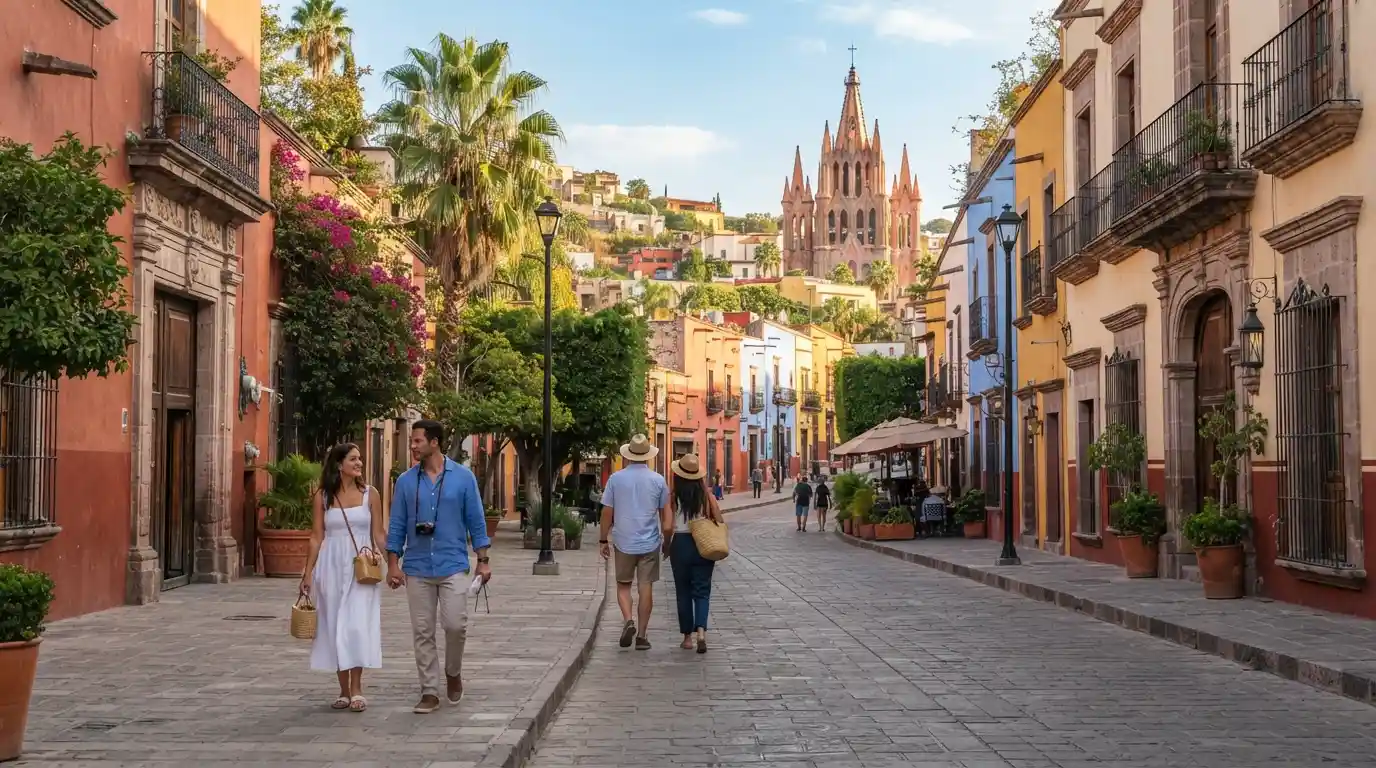
That does not mean you need to avoid Mexico. It means you should choose your destination carefully, understand local conditions, and use sensible travel habits. For travelers who want to compare destinations before booking, our guide to safe places to visit in Mexico provides a useful starting point.
This guide explores destinations that are popular with travelers, explains what makes them attractive, highlights practical considerations, and shares safety habits that can make your Mexican vacation more comfortable and predictable.
Is Mexico Safe to Visit?
Mexico should not be viewed as either completely safe or completely dangerous. Both descriptions oversimplify a country that covers nearly 2 million square kilometers and contains dozens of major tourist destinations.
Millions of visitors travel to Mexico for beach vacations, cultural trips, food experiences, family holidays, business travel, and outdoor adventures. At the same time, certain regions experience serious crime and travelers should pay attention to current local conditions.
The most useful approach is to evaluate your specific destination instead of judging the entire country by national headlines. Tourist corridors, resort communities, historic centers, and established hospitality districts can have very different conditions from remote areas or locations affected by organized criminal activity.
Travelers should also remember that safety is not limited to violent crime. Petty theft, scams, transportation problems, unsafe driving, nightlife risks, weather, strong ocean currents, and unfamiliar neighborhoods can all affect a trip.
What Are the Safest Places to Visit in Mexico?
There is no single destination that can be guaranteed to be risk-free. However, several Mexican destinations are particularly popular with international visitors because they offer established tourism infrastructure, extensive accommodation options, accessible transportation, and well-developed visitor services.
Among the destinations worth considering are Mérida, Valladolid, parts of the Riviera Maya, Los Cabos, La Paz, Oaxaca City, San Miguel de Allende, and carefully selected areas of Mexico City.
1. Mérida, Yucatán
Mérida is one of the strongest choices for travelers who want a combination of culture, architecture, food, history, and a relatively relaxed urban atmosphere.
The capital of Yucatán has a distinctive colonial character, colorful streets, historic plazas, museums, restaurants, and easy access to important Maya archaeological sites. Its popularity with domestic and international visitors also means that the city has a mature tourism industry.
For first-time visitors, staying around established areas near the historic center can make exploring easier. Daytime walking, organized excursions, and reputable transportation are practical choices for travelers who want to minimize unnecessary risks.
Mérida can also serve as a base for exploring other attractions across the Yucatán Peninsula. Travelers interested in broader destination inspiration can compare the experience with guides such as best places to visit in Wayanad for couples or places to visit in Delhi when planning multi-destination trips.
Why Travelers Choose Mérida
- Rich colonial and Maya heritage
- Large selection of hotels and restaurants
- Strong cultural tourism infrastructure
- Excellent access to nearby archaeological attractions
- Good option for travelers seeking a slower-paced city experience
2. Valladolid, Yucatán
Valladolid is smaller than Mérida but offers a compelling experience for travelers who prefer a more intimate destination.
The historic city center features colorful colonial buildings, traditional architecture, local restaurants, and a relaxed atmosphere. Valladolid is also strategically positioned for exploring nearby attractions, making it useful for travelers who want to combine cultural sightseeing with archaeological and natural experiences.
Because it is smaller, visitors should still use normal precautions, particularly after dark and when traveling outside the central areas.
If you enjoy destination-based travel planning, you may also find inspiration in our guide to top places to visit in Eugene, Oregon or our broader collection of places to visit around the world.
3. Cancún and the Riviera Maya
Cancún remains one of Mexico’s most recognizable tourist destinations. Its international airport, extensive hotel inventory, beaches, restaurants, excursions, and entertainment options make it particularly convenient for first-time visitors.
The Riviera Maya extends beyond Cancún and includes popular destinations such as Playa del Carmen and Tulum. These communities attract travelers looking for beaches, resorts, archaeological sites, cenotes, restaurants, and nightlife.
However, travelers should not interpret the popularity of these destinations as a guarantee of safety everywhere. Conditions can vary between resort zones, downtown areas, transportation routes, and quieter neighborhoods.
Practical Safety Tips for Cancún and the Riviera Maya
- Stay in well-established tourist areas when visiting for the first time.
- Use reputable transportation rather than accepting unsolicited rides.
- Be particularly careful around nightlife districts after dark.
- Keep phones, passports, and valuables secure in crowded areas.
- Follow local beach warnings and swimming conditions.
- Use extra caution when traveling between destinations at night.
For travelers comparing international beach destinations, our guides to coastal places to visit in Spain and places to visit in Puerto Rico with family provide additional vacation-planning ideas.
4. Playa del Carmen
Playa del Carmen offers a different atmosphere from the large resort complexes of Cancún. Its central pedestrian areas are packed with restaurants, shops, cafes, hotels, and entertainment.
The destination is popular with couples, families, digital nomads, and travelers using the Riviera Maya as a base for day trips.
As with other major tourist destinations, visitors should avoid assuming that busy areas are automatically risk-free. Keep valuables discreet, use reliable transportation, and be more cautious when exploring unfamiliar areas late at night.
5. Tulum
Tulum is known for its beaches, archaeological site, boutique hotels, restaurants, wellness retreats, and distinctive travel culture.
It can be an excellent choice for travelers who want a combination of nature, history, and upscale hospitality. At the same time, the destination has expanded rapidly, so travelers should research their accommodation’s exact location rather than choosing a property based solely on the Tulum name.
For a more comfortable visit, choose transportation in advance, avoid isolated areas at night, and keep your itinerary realistic instead of attempting to cover too many distant attractions in a single day.
If your travel planning extends beyond Mexico, you can also explore our guides to Palawan and Puerto Princesa and Okinawa’s main island.
6. Los Cabos, Baja California Sur
Los Cabos, including Cabo San Lucas and San José del Cabo, is one of Mexico’s best-known luxury and resort destinations.
The region attracts visitors with beaches, marinas, golf courses, restaurants, resorts, fishing excursions, and a large international tourism industry. Its highly developed hospitality sector makes it particularly attractive to travelers who prefer organized vacations.
That said, travelers should still follow normal precautions. Stay aware of your surroundings, use reputable transportation, and avoid wandering into unfamiliar areas late at night.
Who Is Los Cabos Best For?
- Couples looking for a resort vacation
- Families wanting organized activities
- Travelers interested in beaches and water activities
- Luxury travelers
- Golf and fishing enthusiasts
For additional destination inspiration, see our guides to Marco Island, Florida and Calgary in summer.
7. La Paz, Baja California Sur
La Paz provides a quieter alternative to the larger resort atmosphere of Los Cabos.
The city is known for its waterfront malecón, Sea of Cortez setting, marine wildlife, restaurants, and slower pace. It can be a strong choice for travelers who want coastal Mexico without spending their entire vacation inside a large resort complex.
Daytime exploration along established tourist areas is generally the easiest way for first-time visitors to get comfortable with the city. For outdoor activities, use established operators and pay close attention to weather and water conditions.
8. Oaxaca City, Oaxaca
Oaxaca City is one of Mexico’s most rewarding cultural destinations. Food lovers, history enthusiasts, photographers, and travelers interested in indigenous traditions often place it high on their Mexico itinerary.
The city is known for its historic center, markets, traditional crafts, regional cuisine, museums, festivals, and proximity to archaeological attractions.
Oaxaca should not be treated as a destination where travelers can completely ignore local conditions. Instead, stay in established areas, use reputable transportation, and keep an eye on local developments that could affect roads or access to attractions.
Travelers who enjoy cultural destinations may also want to explore places to visit in Greece and places to visit in southwest France when comparing future international trips.
9. San Miguel de Allende
San Miguel de Allende is a picturesque colonial destination known for its historic architecture, art scene, cobblestone streets, restaurants, and cultural atmosphere.
Its compact historic center makes it appealing to travelers who enjoy walking between attractions, cafes, galleries, and restaurants.
Visitors should still use ordinary urban precautions. Keep valuables secure, avoid poorly lit areas late at night, and arrange transportation when traveling outside the central district.
For travelers interested in historic cities, our guide to interesting places to visit in London offers another example of how historic urban destinations can be explored through neighborhood-based planning.
10. Mexico City: Choose Your Neighborhood Carefully
Mexico City is enormous, energetic, culturally rich, and impossible to summarize as simply safe or unsafe.
The key is choosing where you stay and how you move around the city. Popular visitor areas such as Roma Norte, Condesa, Polanco, Coyoacán, and parts of the historic center attract large numbers of travelers and offer extensive hotel, restaurant, and transportation options.
Even in popular neighborhoods, visitors should remain aware of their surroundings. Pickpocketing and other forms of street crime can occur in crowded areas, while conditions can change considerably outside the main visitor districts.
Mexico City Safety Tips
- Research your neighborhood before booking accommodation.
- Use reputable ride services or authorized transportation.
- Keep phones and wallets secure in crowded areas.
- Avoid displaying expensive watches, jewelry, or cameras unnecessarily.
- Use additional caution after dark.
- Be especially careful around demonstrations and large public gatherings.
If you enjoy major metropolitan destinations, compare Mexico City with our guides to the best places to visit in New York and popular places to visit in Los Angeles.
11. Puerto Vallarta
Puerto Vallarta combines beaches, restaurants, resorts, nightlife, outdoor activities, and a walkable waterfront atmosphere. It is particularly popular with couples, families, and travelers looking for a Pacific coast vacation.
As with any major tourist destination, visitors should stay aware of their surroundings, particularly after dark and in less familiar areas. Choose reputable transportation and avoid accepting unsolicited offers from strangers.
For travelers comparing Pacific and coastal destinations, our coastal travel guide can help expand your destination shortlist.
12. Campeche
Campeche is an excellent option for travelers who want colonial architecture, history, colorful streets, and a less hectic atmosphere.
The historic center and waterfront give visitors plenty to explore without requiring a packed itinerary. Its location also makes it useful for travelers exploring the wider Yucatán region.
Travelers should still use standard precautions, especially when traveling beyond the main visitor areas.
Which Parts of Mexico Should Travelers Research More Carefully?
One of the biggest mistakes travelers make is assuming that an entire Mexican state or tourist region has one uniform safety profile.
Mexico’s security situation can vary significantly between neighboring areas. Some destinations may have strong tourism infrastructure while other parts of the same broader region may have different risks.
Travelers should therefore research their exact city, accommodation location, planned road routes, and excursions before departure.
This is particularly important when considering border regions, remote highways, isolated rural areas, or destinations experiencing current security disruptions.
Instead of relying only on old travel articles, check current government travel information and local updates shortly before departure.
Is It Safe to Travel Around Mexico by Car?
Driving can provide tremendous freedom, particularly in regions where attractions are spread across multiple towns. However, road travel requires more planning than simply renting a car at the airport.
For unfamiliar travelers, daytime driving on established major roads is generally a more sensible approach than driving long distances after dark.
Smart Mexico Road-Trip Habits
- Plan your route before leaving your accommodation.
- Prefer established toll highways when appropriate.
- Avoid isolated roads at night.
- Keep vehicle doors locked and windows closed when appropriate.
- Do not leave valuables visible inside a parked vehicle.
- Keep your fuel level comfortably above empty.
- Share your itinerary with someone you trust.
- Check road conditions before beginning a long journey.
If you are interested in road-trip planning more broadly, our guide to places to visit in Madeira by car provides another example of how route planning can shape a vacation.
Is Mexico Safe for Solo Travelers?
Solo travel in Mexico can be rewarding, but traveling alone requires more deliberate planning.
Choose established accommodations, keep someone informed about your itinerary, avoid unnecessary late-night travel in unfamiliar areas, and use reputable transportation.
Solo travelers should also avoid advertising their travel plans to strangers and should be cautious when accepting drinks, rides, or invitations from people they have just met.
Is Mexico Safe for Families?
Many families visit Mexico successfully every year, particularly in established resort destinations and cities with strong tourism infrastructure.
Families should select accommodation based on location rather than price alone. Consider access to restaurants, transportation, medical facilities, family activities, and well-used tourist areas.
Parents should also take extra care around swimming pools, beaches, balconies, busy streets, and excursions involving boats or water activities.
If you’re comparing family-friendly destinations worldwide, you can also explore the best places to visit in Thailand with family and family destinations in France.
Mexico Travel Safety Tips Every Visitor Should Know
1. Keep Your Valuables Discreet
Do not make yourself an obvious target by displaying large amounts of cash, expensive jewelry, or high-end electronics. Carry only what you need when exploring.
2. Use Reputable Transportation
Use transportation arranged through your hotel, recognized taxi services, or established ride-hailing options where available. Avoid accepting unsolicited transportation offers.
3. Be More Careful After Dark
Nighttime does not automatically make a destination unsafe, but unfamiliar streets and reduced visibility can increase risk. Stay in populated, well-lit areas and plan your return transportation ahead of time.
4. Avoid Unnecessary Remote Travel
If your trip is primarily a vacation, there is rarely a reason to explore isolated areas without proper planning. Organized tours can provide a safer and easier way to experience remote attractions.
5. Protect Your Passport
Keep your passport secure and carry a copy or secure digital backup of important travel documents. Avoid carrying the original document unnecessarily when a secure alternative is appropriate.
6. Watch Your Alcohol Consumption
Excessive drinking can make travelers more vulnerable to theft, accidents, scams, and other problems. Stay aware of your surroundings and keep control of your belongings.
7. Respect Local Laws and Customs
Travelers are responsible for following Mexican laws even when those laws differ from those in their home country. Avoid demonstrations and situations that could create unnecessary legal problems.
8. Take Beach and Water Warnings Seriously
Mexico’s beaches can be beautiful, but ocean conditions can change quickly. Pay attention to warning flags, currents, weather conditions, and instructions from lifeguards or tour operators.
How to Choose the Right Mexican Destination for Your Trip
The safest destination is not necessarily the one with the lowest perceived risk. It is the destination that fits your travel style while allowing you to manage the risks you may encounter.
| Destination | Best For | Travel Style |
|---|---|---|
| Mérida | Culture and history | Relaxed city travel |
| Valladolid | Colonial atmosphere | Small-city exploration |
| Cancún | Resorts and beaches | Easy resort vacation |
| Playa del Carmen | Beach and nightlife | Social and active |
| Tulum | Beaches and wellness | Boutique travel |
| Los Cabos | Luxury and beaches | Resort vacation |
| La Paz | Nature and marine life | Relaxed coastal travel |
| Oaxaca City | Food and culture | Cultural immersion |
| San Miguel de Allende | Architecture and art | Walking and cultural travel |
| Mexico City | Museums, food, and urban culture | Big-city exploration |
| Puerto Vallarta | Pacific beaches | Resort and coastal travel |
| Campeche | History and architecture | Slow-paced cultural travel |
Frequently Asked Questions
What is the safest place in Mexico to visit?
There is no destination that can be guaranteed completely safe, but Mérida and other established destinations in Yucatán are often attractive choices for travelers prioritizing a calmer experience. Los Cabos, La Paz, and several established tourist destinations are also popular options when travelers follow sensible precautions.
Is Mexico safe for American tourists?
Many American tourists visit Mexico every year. However, U.S. travelers should research their exact destination before departure because safety conditions can differ substantially between Mexican states and cities.
Is Cancún safe for tourists?
Cancún has extensive tourism infrastructure and receives large numbers of international visitors. Travelers should still use common-sense precautions, especially around nightlife, crowded areas, transportation, and less familiar neighborhoods.
Is Tulum safe to visit?
Tulum can be a rewarding destination, particularly for travelers interested in beaches, nature, wellness, and archaeology. Visitors should choose accommodation carefully, arrange transportation in advance, and remain particularly cautious after dark.
Is Mexico City safe for tourists?
Mexico City is a huge metropolitan area with significant differences between neighborhoods. Many visitors stay in established tourist districts successfully, but travelers should remain aware of their surroundings and take additional precautions in unfamiliar areas.
Is it safe to travel around Mexico at night?
Night travel requires more caution than daytime travel, especially in unfamiliar areas or on isolated roads. Whenever possible, arrange transportation ahead of time and stay in well-established, populated areas.
Can you travel to Mexico alone?
Yes. Solo travelers visit Mexico regularly, but traveling alone requires stronger planning. Choose reputable accommodation, share your itinerary with someone you trust, avoid unnecessary remote travel, and use established transportation.
Should you rent a car in Mexico?
A rental car can be useful for certain itineraries, especially when exploring multiple destinations. However, travelers should understand the local roads, insurance requirements, route conditions, and nighttime driving risks before renting.
Final Thoughts: Which Places in Mexico Are Safe to Visit?
So, which places in Mexico are safe to visit? The best answer is to focus on established destinations, research the exact area you plan to visit, and avoid treating Mexico as one uniform safety environment.
Mérida, Valladolid, Los Cabos, La Paz, Oaxaca City, San Miguel de Allende, carefully selected areas of Mexico City, Cancún, Playa del Carmen, Tulum, Puerto Vallarta, and Campeche can all offer memorable experiences when travelers plan responsibly.
The key is not to travel fearfully or carelessly. Travel informed. Choose accommodation carefully, use reputable transportation, protect your belongings, stay aware of your surroundings, and check current local conditions before and during your trip.
With thoughtful planning and realistic expectations, Mexico can offer an extraordinary combination of beaches, history, food, architecture, nature, and culture.