
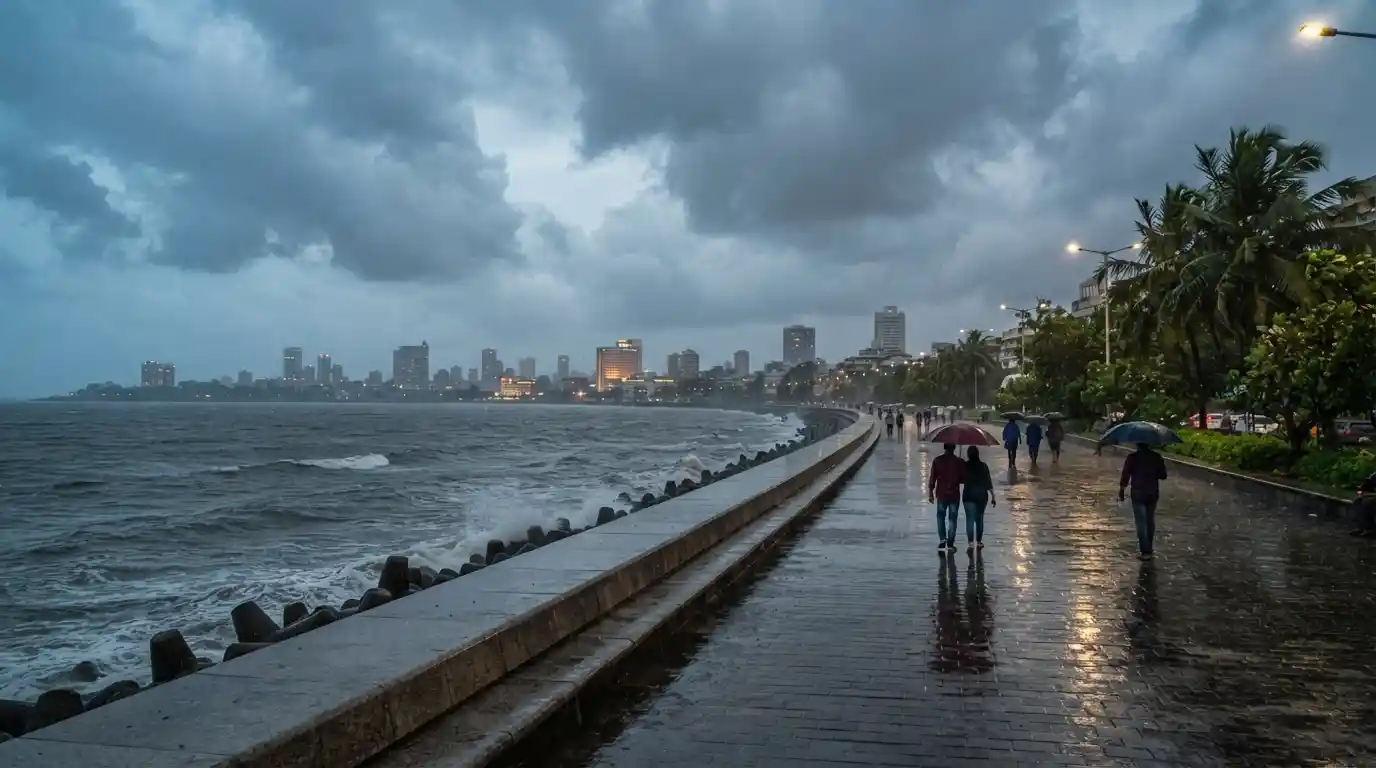
From scenic coastal drives and historic landmarks to lush green escapes and nearby hill stations, there are plenty of places to visit in Mumbai during monsoon. Some are ideal for a relaxed day in the city, while others work better as short road trips when you want to experience the rain away from the urban rush.
If you enjoy seasonal travel, Mumbai can also serve as a convenient starting point for exploring Maharashtra’s wider monsoon landscape. Destinations such as Lonavala, Matheran, Igatpuri, and other green escapes become particularly attractive when the rains transform the Western Ghats.
Why Visit Mumbai During Monsoon?
Mumbai’s monsoon generally brings frequent rain, cooler conditions, cloudy skies, and bursts of greenery. Instead of treating the rain as an obstacle, many travelers use the season to experience the city’s coastline, architecture, food, and surrounding landscapes from a different perspective.
The season is particularly appealing to photographers and nature lovers because wet streets, cloud-covered horizons, dramatic skies, and fresh vegetation create distinctive scenery. It is also a good period to explore nearby destinations where waterfalls and green hills become major attractions.
For travelers planning a broader trip, destinations covered in guides such as places to visit in Rajasthan or the best places to visit in Greece offer very different seasonal experiences, but Mumbai’s monsoon has its own urban-meets-nature appeal.
Best Places to Visit in Mumbai During Monsoon
1. Marine Drive
Marine Drive is one of the most recognizable places in Mumbai and becomes especially atmospheric when monsoon clouds gather over the Arabian Sea. The sweeping coastal road, sea-facing promenade, and changing skies make it a popular location for a leisurely walk or a quiet view of the rain.
Heavy rain can make the sea rough, so visitors should remain in designated public areas and avoid getting too close to the water. On lighter-rain days, however, Marine Drive can be an excellent place to experience Mumbai’s famous coastal atmosphere.
2. Gateway of India
The Gateway of India remains a must-see Mumbai landmark in every season. During the monsoon, its waterfront setting creates dramatic views as clouds move across the harbor and rain gives the surrounding stone architecture a darker, richer appearance.
It also provides convenient access to other South Mumbai attractions. Visitors can combine the Gateway with Colaba’s streets, heritage buildings, cafés, and shopping areas to create a flexible rainy-day itinerary.
3. Chhatrapati Shivaji Maharaj Terminus
If you want an attraction that does not depend on clear weather, Chhatrapati Shivaji Maharaj Terminus is an excellent option. The historic railway station is known for its elaborate architecture and remains one of Mumbai’s most distinctive heritage landmarks.
Its indoor and architectural character makes it useful for a monsoon itinerary because you can spend time appreciating the building even when outdoor conditions are wet. It is also located in an area with several other historic attractions.
4. Sanjay Gandhi National Park
For a stronger connection with nature, Sanjay Gandhi National Park offers a remarkable contrast to Mumbai’s dense urban environment. Monsoon rains bring fresh greenery to the park, making the landscape particularly appealing to visitors who enjoy forests and outdoor scenery.
The park can be considered for nature walks, sightseeing, and other permitted recreational activities. Since rain can make trails slippery, visitors should check conditions before setting out and choose activities appropriate for the weather.
5. Elephanta Caves
The Elephanta Caves provide a combination of history, architecture, and a ferry journey from Mumbai. The island setting becomes especially atmospheric when the skies are cloudy and the surrounding water reflects the changing monsoon weather.
Because reaching the caves involves travel across the harbor, it is sensible to check ferry operations and weather conditions before planning the trip. Travelers who enjoy historic attractions can also pair the experience with other Mumbai heritage sites.
6. Haji Ali Dargah
Haji Ali Dargah is one of Mumbai’s best-known religious and architectural landmarks. Its location on an islet gives it a distinctive coastal setting, while the approach across the causeway creates a memorable experience.
Monsoon visitors should pay close attention to weather and tide-related conditions when planning a visit. Comfortable footwear and suitable rain protection can make the experience easier.
7. Bandra-Worli Sea Link
The Bandra-Worli Sea Link is an impressive piece of modern infrastructure connecting important parts of Mumbai. During the monsoon, cloudy skies and the surrounding sea can make the drive particularly scenic.
Rather than treating the bridge as a conventional sightseeing stop, consider it part of a wider coastal route that includes Bandra, Worli, and other nearby attractions. The changing weather can add a dramatic backdrop to the journey.
8. Bandra Bandstand
Bandra Bandstand is another appealing coastal location during the rainy season. The promenade provides views across the Arabian Sea, while the surrounding neighborhood offers cafés, restaurants, and places to spend time indoors when showers become heavy.
It works particularly well for travelers who want a relaxed evening rather than a tightly scheduled sightseeing tour.
9. Powai Lake
Powai Lake and its surrounding area can be a pleasant choice when you want a quieter urban landscape. Monsoon greenery adds freshness to the surroundings, and the lake provides a scenic break from Mumbai’s more crowded areas.
The wider Powai neighborhood also has restaurants and cafés, making it easier to combine outdoor sightseeing with indoor stops if rain becomes persistent.
10. Kanheri Caves
Located within the Sanjay Gandhi National Park area, Kanheri Caves offer a fascinating combination of history and natural surroundings. The rock-cut structures and forest environment create a very different experience from Mumbai’s coastal landmarks.
The monsoon can make the surrounding landscape lush and atmospheric, but wet stone surfaces may become slippery. Visitors should therefore plan carefully and wear footwear suitable for damp conditions.
Best Monsoon Getaways Near Mumbai
If you have one or two extra days, some of the best rainy-season experiences are found outside central Mumbai. The surrounding Western Ghats receive substantial monsoon rainfall, turning hills, valleys, forests, and waterfalls into major seasonal attractions.
11. Lonavala and Khandala
Lonavala and Khandala are among the most popular monsoon getaways from Mumbai. Their accessibility, green hills, misty viewpoints, and seasonal waterfalls make them especially attractive during the rainy season.
Travelers interested in caves and heritage can also explore nearby Karla and Bhaja Caves. The destination works well for couples, families, and anyone looking for a relatively convenient escape from the city.
For more seasonal travel inspiration, compare this experience with the best places to visit in the mountains or explore fall destinations in New York for a completely different seasonal landscape.
12. Matheran
Matheran is a peaceful hill destination known for its viewpoints and vehicle-restricted environment. During the monsoon, mist and greenery can transform the landscape into a dramatic retreat.
Echo Point, Panorama Point, and other viewpoints can be rewarding when visibility cooperates. Rain can also make trails muddy or slippery, so visitors should allow extra time and choose routes according to conditions.
13. Igatpuri
Igatpuri is another popular monsoon destination within reach of Mumbai. Surrounded by hills and greenery, it offers opportunities for sightseeing, trekking, photography, and quiet relaxation.
The destination is particularly attractive to travelers who want to exchange the city’s busy atmosphere for misty landscapes. If you are planning a longer Maharashtra trip, it can also complement other destinations in the region.
14. Malshej Ghat
Malshej Ghat is known for dramatic mountain scenery, mist, waterfalls, and winding roads. During the monsoon, the surrounding hills become intensely green and temporary waterfalls appear across the landscape.
The area is especially attractive to photographers and nature lovers. Road conditions can change during heavy rainfall, however, so travelers should plan conservatively and avoid unsafe roadside stopping points.
15. Bhandardara
Bhandardara is a scenic destination where lakes, mountains, waterfalls, and rural landscapes come together. Monsoon rainfall can make waterfalls such as Randha Falls and Umbrella Falls particularly impressive.
The destination is suitable for travelers who want a slower-paced escape with opportunities for photography, nature walks, and scenic drives. It is farther from Mumbai than Lonavala, so an overnight stay may be more comfortable.
Other Seasonal Destinations to Consider
Mumbai is also well placed for travelers who want to continue exploring India after their monsoon trip. If your itinerary extends beyond Maharashtra, destinations such as Mumbai at night, Delhi attractions, and family-friendly Chennai destinations can provide different urban travel experiences.
For international travel inspiration, you can also explore Tokyo for first-time visitors, places to visit in Bali, or Siem Reap beyond its temples.
Things to Do in Mumbai During Monsoon
- Take a scenic walk along Marine Drive when rainfall is light.
- Explore Mumbai’s historic architecture and heritage landmarks.
- Enjoy local snacks and warm drinks during rainy afternoons.
- Visit indoor attractions when heavy showers make outdoor plans difficult.
- Explore Sanjay Gandhi National Park when weather and trail conditions are suitable.
- Take a short road trip toward Lonavala, Matheran, or Igatpuri.
- Photograph Mumbai’s coastline, skyline, and rain-covered streets.
- Plan flexible itineraries instead of scheduling too many outdoor activities in one day.
What to Pack for a Mumbai Monsoon Trip
A little preparation makes rainy-season travel much easier. Carry a compact umbrella, lightweight rain jacket, waterproof footwear, and a protective cover for electronics. Quick-drying clothes are also useful because humidity can make wet clothing uncomfortable.
If you are planning a day trip outside Mumbai, carry enough drinking water and basic personal supplies. For trekking destinations, footwear with reliable grip is particularly important because trails, rocks, and steps can become slippery.
Tips for Visiting Mumbai During the Rainy Season
Check the Weather Before Leaving
Monsoon conditions can change quickly. A destination that looks perfect in the morning may receive intense rainfall later in the day, so check the forecast before beginning longer outdoor trips.
Keep Your Schedule Flexible
A flexible itinerary is much more practical than trying to visit several outdoor attractions at fixed times. Leave room for delays, heavy showers, and changes in transport conditions.
Choose Safe Viewpoints
Do not stand near unstable cliffs, flooded roads, fast-moving streams, or rough coastal edges simply for photographs. Monsoon scenery can be spectacular without taking unnecessary risks.
Start Early for Day Trips
Starting early can give you more daylight for sightseeing and more flexibility if traffic or rain causes delays. This is especially useful when traveling toward hill stations outside Mumbai.
Frequently Asked Questions
Which are the best places to visit in Mumbai during monsoon?
Marine Drive, Gateway of India, Chhatrapati Shivaji Maharaj Terminus, Sanjay Gandhi National Park, Elephanta Caves, Haji Ali Dargah, Bandra Bandstand, Powai Lake, and Kanheri Caves are among the places worth considering. Nearby Lonavala, Matheran, Igatpuri, Malshej Ghat, and Bhandardara are also popular rainy-season options.
Is Mumbai worth visiting during the monsoon?
Yes, if you enjoy rainy weather, coastal scenery, greenery, and seasonal landscapes. The rain can disrupt some outdoor plans, but it also gives Mumbai and its surrounding destinations a distinctive atmosphere.
Which hill station near Mumbai is good during monsoon?
Lonavala, Khandala, Matheran, and Igatpuri are commonly considered for monsoon trips because of their accessibility, greenery, viewpoints, and surrounding natural attractions.
What should I carry when visiting Mumbai during monsoon?
Carry an umbrella or rain jacket, waterproof footwear, quick-drying clothing, a waterproof phone or camera cover, and a small bag for keeping important belongings dry.
Are Mumbai’s outdoor attractions open during heavy rain?
Opening arrangements can vary by attraction and weather conditions. Always check current operating information before traveling, particularly for destinations involving ferries, trekking routes, coastal areas, or forest trails.
Final Thoughts
The monsoon gives Mumbai a refreshing seasonal personality that is difficult to experience at other times of the year. Coastal landmarks become more dramatic, green spaces look fresher, and nearby hill destinations turn into misty escapes.
Whether you prefer a relaxed evening at Marine Drive, a heritage-focused city tour, a nature visit to Sanjay Gandhi National Park, or a weekend escape to Lonavala or Matheran, there are plenty of ways to enjoy Mumbai during the rainy season.
The key is to plan around the weather, keep your schedule flexible, wear suitable clothing and footwear, and prioritize safety when exploring wet trails and coastal areas. With the right approach, a rainy Mumbai trip can become one of the most memorable ways to experience the city and its surrounding landscapes.



