
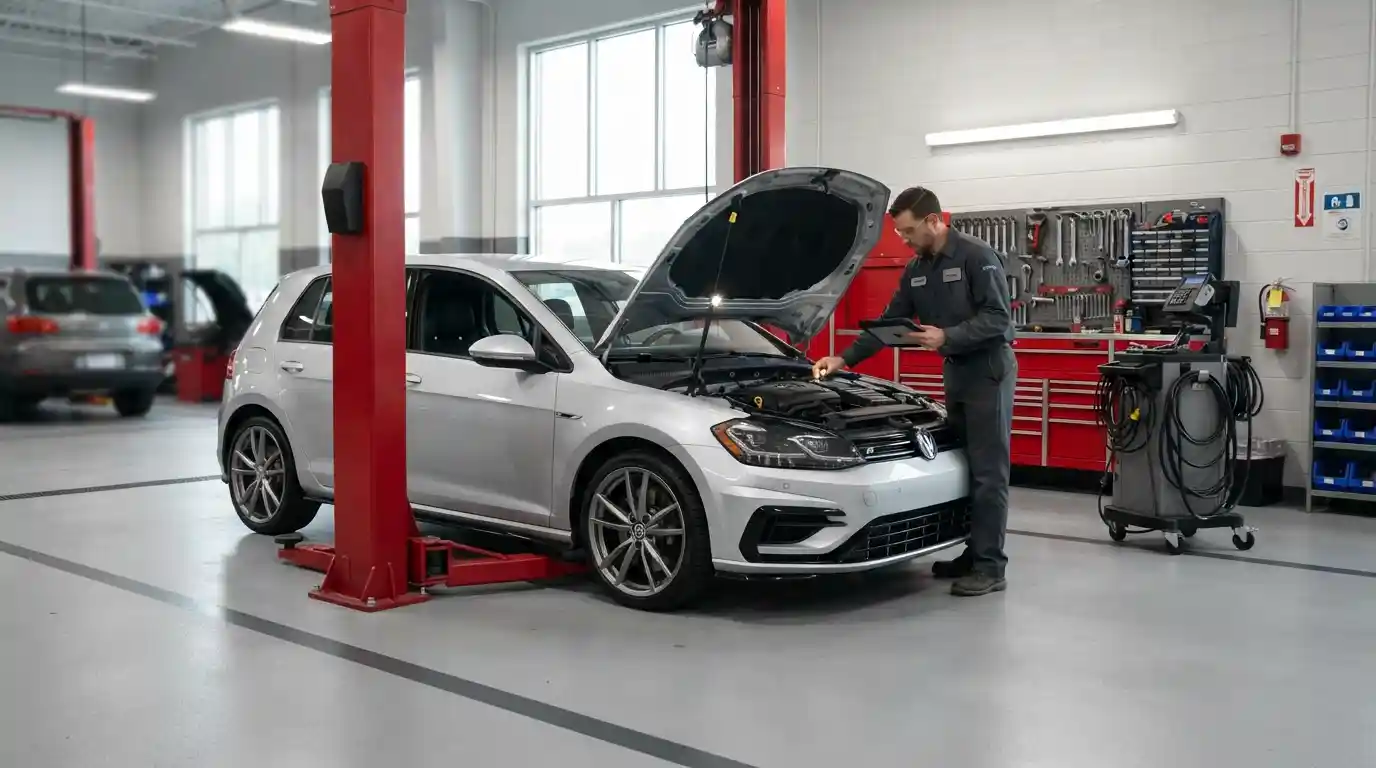
From everyday maintenance to diagnosing unexpected issues, choosing the right automotive service provider can make a meaningful difference in how confidently you drive. A well-maintained vehicle can deliver smoother performance, better reliability, and greater peace of mind on daily trips.
Why Professional Vehicle Care Matters
Modern vehicles combine mechanical systems, electrical components, computer-controlled technology, safety equipment, and increasingly sophisticated driver-assistance features. When something goes wrong, identifying the actual cause is often more important than simply replacing a visible component.
Professional vehicle care focuses on identifying problems, understanding their underlying causes, and addressing maintenance needs before they become larger concerns. This approach can be especially valuable for drivers who depend on their vehicles for commuting, family transportation, business activities, and long-distance travel.
Automotive technology is also changing rapidly. The growth of electric vehicles, connected systems, and advanced vehicle technology means that today’s vehicle owners need to understand more than traditional oil changes and tire rotations. Our article on how EVs are shaping the future of urban commutes provides additional context on how transportation technology is evolving.
Maintenance Helps Protect Long-Term Vehicle Performance
Preventive maintenance is one of the simplest ways to stay ahead of avoidable vehicle problems. Oil and fluid checks, brake inspections, tire evaluations, battery testing, filter replacement, and other routine services can help identify developing issues.
The exact maintenance schedule depends on the vehicle, its age, mileage, driving conditions, and manufacturer recommendations. Drivers should therefore treat maintenance as an ongoing process rather than something that only happens when a warning light appears.
For drivers interested in broader vehicle ownership trends, our guide to why car subscription services are gaining popularity explores how changing ownership models are influencing the way people think about transportation.
Diagnostics Can Save Time and Prevent Guesswork
When a vehicle begins making unusual noises, showing warning lights, losing performance, or behaving differently, accurate diagnostics are essential. A symptom does not always reveal the underlying problem, which is why systematic troubleshooting can be more effective than replacing parts based on assumptions.
Electrical problems are a good example. Modern vehicles rely on batteries, wiring, sensors, control modules, and other electrical components. A problem that appears mechanical may sometimes involve an electrical system instead.
Drivers interested in automotive electrical technology can also explore automotive electrical solutions and vehicle electrical services for a broader look at this important area of vehicle care.
Brakes and Suspension Deserve Attention
Braking and suspension systems directly influence the driving experience. Changes such as unusual vibrations, pulling, squeaking, uneven tire wear, or a different brake-pedal feel should not simply be ignored.
Suspension components help support handling and ride quality, while the braking system is fundamental to controlled stopping. Routine inspection can help identify wear before it develops into a more significant problem.
Vehicle owners who want to learn more about automotive maintenance and repair can also explore European auto service and vehicle performance care as part of a broader understanding of professional automotive servicing.
Engine and Fluid Maintenance
The engine depends on several systems working together. Lubrication, cooling, fuel delivery, air intake, ignition, and exhaust systems all contribute to overall performance. Neglecting one maintenance area can eventually affect others.
Fluids also play important roles throughout a vehicle. Engine oil, coolant, brake fluid, transmission fluid, and other fluids should be checked and maintained according to the vehicle’s requirements.
Drivers should pay attention to changes such as fluid leaks, unusual smells, overheating, reduced performance, or changes in engine behavior. Addressing warning signs early can make diagnosis and repair more straightforward.
Why Routine Inspections Are Worthwhile
A routine inspection provides an opportunity to evaluate a vehicle before a minor issue becomes an inconvenient breakdown. This is particularly useful before road trips, seasonal changes, or periods of heavy driving.
A practical inspection may include checking tires, brakes, fluids, lights, battery condition, belts, hoses, suspension components, and other systems appropriate to the vehicle.
Vehicle technology continues to expand beyond traditional mechanical components. Automated parking systems, for example, are becoming part of the broader transportation landscape. Learn more in our article about automated parking systems and RFID technology.
Choosing an Auto Service Provider
When selecting an automotive service provider, drivers should consider several practical factors. Clear communication, transparent explanations, appropriate diagnostic procedures, maintenance experience, and attention to customer concerns can all contribute to a better service experience.
It is also useful to choose a provider that understands the importance of maintaining a vehicle rather than focusing only on individual repairs. A maintenance-oriented relationship can make it easier to keep track of recurring service requirements and identify developing problems.
For drivers comparing different types of automotive services, El Gato Auto Service and professional vehicle care offers another perspective on automotive service and maintenance.
Similarly, reliable car care and professional auto service can provide useful context when considering what to expect from a vehicle service provider.
Vehicle Ownership Goes Beyond Repairs
Good vehicle care is part of a larger ownership strategy. Financing, insurance, driving habits, parking, technology, and maintenance all influence the overall cost and convenience of owning a vehicle.
For example, drivers considering vehicle financing can learn about vehicle financing options before purchasing their next automobile. Motorcycle owners can also explore motorcycle financing considerations.
Insurance is another important part of responsible vehicle ownership. Understanding coverage and maintaining appropriate protection can help drivers prepare for unexpected situations.
Automotive businesses themselves are also adapting to digital customer behavior. Our guide on the impact of digital marketing in the automotive sector explores how technology is changing the relationship between automotive businesses and customers.
Smart Habits for Better Vehicle Care
Drivers can take several simple steps to support long-term vehicle reliability:
- Follow the vehicle manufacturer’s recommended maintenance schedule.
- Pay attention to warning lights and unusual vehicle behavior.
- Check tire condition and pressure regularly.
- Keep important fluids at appropriate levels.
- Address small problems before they become larger repairs.
- Keep records of completed maintenance and repairs.
- Have the vehicle inspected before demanding trips or long journeys.
- Use qualified professionals when specialized diagnosis or repair is required.
Drivers who are interested in specialized automotive maintenance can also review vehicle care and automotive service resources alongside related information about professional auto service and automotive electrical systems.
Preparing Your Vehicle for Everyday Driving
Not every vehicle needs the same maintenance approach. A commuter vehicle may have different requirements from a family SUV, work truck, performance vehicle, or frequently driven long-distance automobile. Driving conditions and vehicle age should also be considered when planning maintenance.
Drivers can improve their ownership experience by learning their vehicle’s maintenance requirements and establishing a consistent service routine. This makes it easier to identify changes in performance and communicate concerns to an automotive professional.
Other transportation-related considerations can also affect vehicle ownership. For example, understanding places to visit near O’Hare Airport can be useful when planning travel, while information about airport car parking illustrates how parking considerations fit into broader travel planning.
A Practical Approach to Vehicle Care
Reliable vehicle ownership starts with consistency. Regular maintenance, timely diagnosis, responsible driving habits, and professional attention when problems appear can all contribute to a smoother ownership experience.
Kremer’s Auto Service can be positioned within this broader approach to vehicle care: drivers benefit from treating maintenance as an ongoing responsibility rather than waiting until a vehicle becomes difficult or unsafe to operate. Whether the need involves routine service, troubleshooting, or understanding a developing vehicle problem, informed maintenance decisions can help protect both mobility and the long-term value of an automobile.
For additional automotive reading, explore European vehicle service, vehicle electrical solutions, professional auto service, and reliable car care to continue exploring practical automotive topics.



