
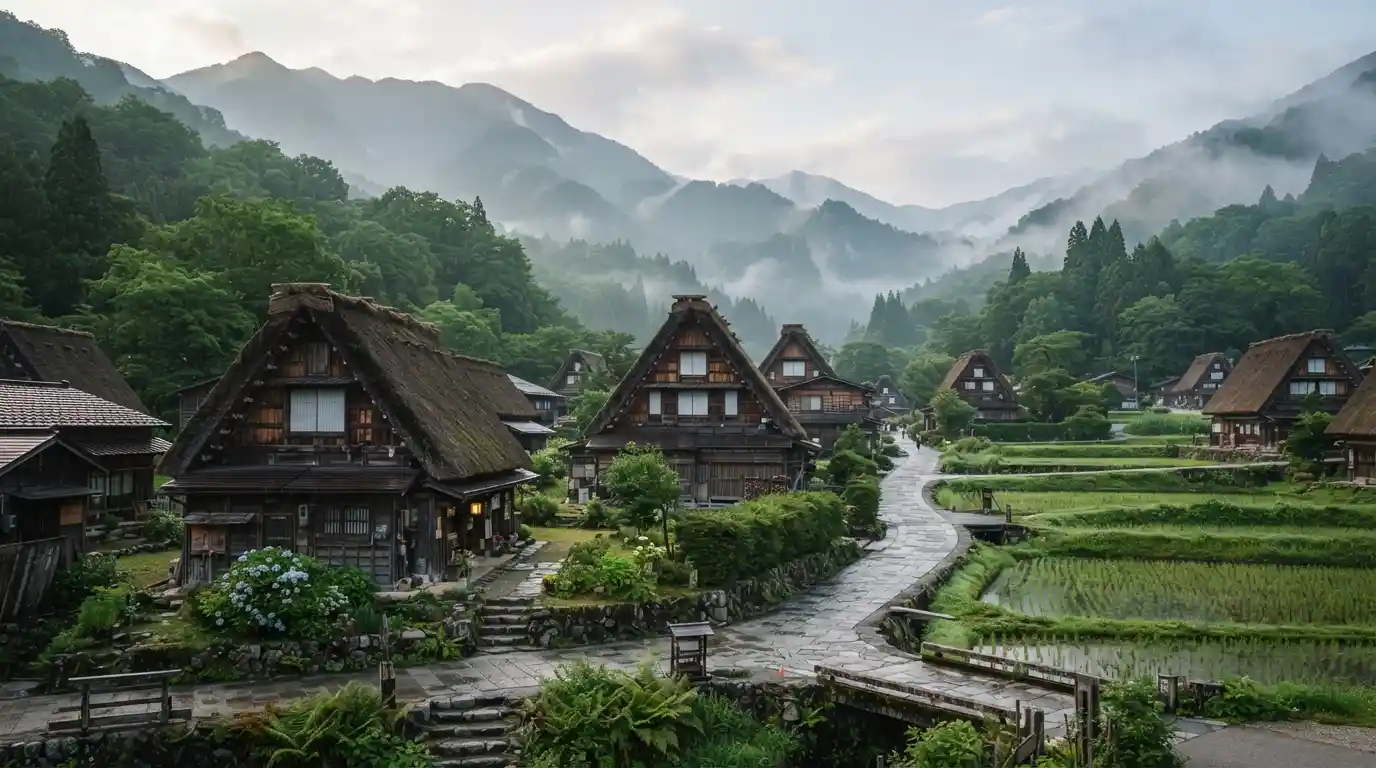
If you are searching for the most unique places to visit in Japan, the best choices are destinations that combine distinctive landscapes, local traditions, history, architecture, or experiences that cannot easily be replicated elsewhere. This guide highlights some of Japan’s most unusual and rewarding destinations while helping you decide which places best match your travel style.
Japan has an enormous range of travel experiences, so you may also want to compare this guide with our broader collection of places to visit in Japan for anime lovers, especially if pop culture is part of your itinerary.
What Makes a Place Unique in Japan?
A unique destination does not necessarily have to be completely unknown. Some of Japan’s most interesting places are popular for good reason, but they offer something substantially different from the country’s major urban centers.
Look for destinations with unusual natural environments, distinctive architecture, strong regional traditions, remote island communities, unusual museums, artistic installations, or experiences closely connected to local history. Japan’s geography makes this particularly rewarding because the country stretches from snowy northern landscapes to subtropical islands in the south.
For travelers who enjoy comparing destinations around the world, our guides to the top places in the world to visit and places to visit around the world provide useful inspiration for building a broader travel list.
1. Yakushima, Kagoshima
Yakushima is one of the strongest choices for travelers looking for a genuinely extraordinary Japanese destination. This mountainous island south of Kyushu is covered with dense forests, dramatic waterfalls, beaches, and ancient cedar trees.
The island’s atmosphere changes dramatically with elevation. Visitors can move from coastal scenery into misty mountain forests filled with moss and enormous cedar trees. The famous Jomon Sugi is one of Yakushima’s most celebrated natural attractions, while Shiratani Unsuikyo offers atmospheric hiking through an ancient forest landscape.
Yakushima is especially appealing to hikers, photographers, nature lovers, and travelers who want to experience a side of Japan far removed from large cities.
2. Naoshima, Kagawa
Naoshima is a small island that has developed into one of Japan’s most distinctive destinations for contemporary art and architecture. Instead of separating art from everyday life, the island integrates museums, installations, sculptures, architecture, and local communities into its landscape.
Visitors can explore works associated with internationally recognized artists, visit architecturally striking museums, and discover art installations around villages and coastal areas. The island’s unusual combination of modern creativity and peaceful Seto Inland Sea scenery makes it particularly memorable.
If your idea of a unique Japanese trip involves design, photography, architecture, and contemporary culture rather than conventional sightseeing, Naoshima deserves a place near the top of your list.
3. Shirakawa-go, Gifu
Shirakawa-go looks almost like a scene from another era. The mountain village is famous for its traditional gassho-zukuri houses, characterized by steeply pitched thatched roofs designed for the region’s heavy snowfall.
The surrounding mountains and traditional homes create a landscape that changes dramatically with the seasons. Winter can transform the village into a snow-covered scene, while spring, summer, and autumn reveal different colors and textures.
Rather than simply visiting for photographs, spend time exploring the historic village, learning about traditional architecture, and experiencing the relationship between the settlement and its mountainous environment.
Travelers interested in seasonal landscapes can also explore our guide to unique winter destinations for comparisons beyond Japan.
4. Sado Island, Niigata
Sado Island offers a different perspective on Japan through its history, traditional culture, rugged coastline, and rural landscapes. Located off the coast of Niigata Prefecture, the island has long had an identity distinct from Japan’s major urban centers.
Its history includes mining, religious traditions, performing arts, and distinctive local communities. The island is also known for scenic coastal areas and traditional cultural experiences.
Sado is a particularly good option for travelers who want to slow down and explore a destination where history and rural life remain central to the experience.
5. Ogasawara Islands, Tokyo
The Ogasawara Islands are one of Japan’s most surprising geographical destinations. Although they belong to Tokyo administratively, they are located far from the capital in the Pacific Ocean.
The islands are known for their isolated ecosystems, subtropical environment, beaches, clear waters, and distinctive wildlife. Their remote location contributes heavily to their appeal because reaching them requires considerably more planning than visiting mainland Tokyo.
For travelers who associate Tokyo only with skyscrapers, shopping, and crowded streets, the Ogasawara Islands reveal a completely different side of the capital’s enormous geographic reach.
6. Iriomote Island, Okinawa
Iriomote Island is ideal for travelers who want tropical scenery and outdoor adventure without leaving Japan. Much of the island is covered by subtropical forest, creating opportunities for hiking, kayaking, wildlife observation, and exploration.
The island feels dramatically different from the urban environments of Tokyo and Osaka. Rivers, mangroves, waterfalls, dense vegetation, and coastal scenery dominate the landscape.
If you are already considering Okinawa, compare Iriomote with our guide to places to visit on Okinawa’s main island. The two destinations can offer very different experiences within the same broader region.
7. Saitama’s Chichibu Region
Saitama is often overshadowed by nearby Tokyo, but the Chichibu area provides a very different experience. Mountains, valleys, shrines, rivers, traditional communities, and seasonal scenery make the region attractive for travelers looking for an accessible escape from the capital.
Chichibu is particularly appealing during periods when seasonal scenery becomes a major attraction. Its proximity to Tokyo also makes it easier to include in an itinerary without committing to a long journey across Japan.
For more ideas in the same prefecture, see our guide to the best places to visit in Saitama, Japan.
8. Aomori and the Remote North
Aomori in northern Japan offers a slower and more regional travel experience. The area is known for dramatic seasonal changes, forests, mountains, traditional festivals, and strong local food culture.
For travelers willing to move beyond the classic Tokyo-Kyoto-Osaka route, northern Japan can feel considerably more relaxed and distinctive. Winter landscapes are particularly impressive, while warmer months provide access to hiking and rural scenery.
Travelers interested in colder destinations can also compare this experience with our guide to places to visit near Tokyo in winter.
9. Kurokawa Onsen, Kumamoto
Kurokawa Onsen is a mountain hot-spring town known for its atmospheric traditional setting. Rather than feeling like a modern resort complex, the destination has a compact village character with wooden buildings, narrow paths, riverside scenery, and hot-spring baths.
The experience is about slowing down. Visitors can stay at traditional inns, enjoy hot springs, walk through the village, and experience the atmosphere of a historic Japanese onsen community.
This destination works especially well for couples and travelers who want relaxation, traditional architecture, and a quieter alternative to Japan’s major cities.
10. Takayama, Gifu
Takayama is another excellent destination for experiencing traditional Japanese architecture and regional culture. Its historic streets contain preserved wooden buildings, small shops, restaurants, and craft businesses.
The surrounding mountains add another layer to the experience, making Takayama an attractive base for exploring central Japan’s countryside. The destination is particularly rewarding for travelers interested in traditional streetscapes and regional food.
Takayama can also be paired with a visit to nearby Shirakawa-go, creating a strong itinerary for travelers who want to experience rural Japanese architecture.
11. Kamikochi, Nagano
Kamikochi is one of Japan’s most impressive mountain destinations. Located in the Northern Japan Alps, the area is known for clear rivers, alpine scenery, forests, and dramatic mountain views.
Unlike Japan’s heavily urbanized destinations, Kamikochi is focused on nature and outdoor exploration. Hiking trails range from relatively accessible walks to more demanding mountain routes.
It is an excellent choice for travelers who want to combine Japanese culture with a serious appreciation for mountain landscapes.
12. Tottori Sand Dunes, Tottori
The Tottori Sand Dunes are one of the most unexpected landscapes in Japan. Stretching along the Sea of Japan coast, the dunes create an environment that looks remarkably different from the country’s better-known forest and mountain scenery.
Visitors can walk across the dunes, enjoy views toward the sea, and experience outdoor activities in a landscape that feels almost desert-like. The destination is particularly appealing to photographers because the shape and appearance of the dunes change with light and weather.
If you enjoy unusual natural landscapes, this is one destination that deserves more attention than it typically receives from first-time visitors.
13. Koyasan, Wakayama
Koyasan offers a completely different kind of uniqueness. High in the mountains of Wakayama Prefecture, the area is closely associated with Japanese Buddhist history and temple culture.
Visitors can explore temple complexes, forest paths, and the atmospheric Okunoin cemetery. Staying overnight at a temple lodging can also provide a more immersive cultural experience than a conventional hotel stay.
Koyasan is particularly suitable for travelers interested in spirituality, history, architecture, and quiet mountain environments.
14. Okinawa’s Zamami Island
Zamami Island provides a tropical contrast to the historic cities and mountain destinations found elsewhere in Japan. Located in the Kerama Islands, it is known for beaches, clear water, marine scenery, and a slower island atmosphere.
The destination is a strong choice for travelers who want to combine Japan with a beach-focused escape. It can also be incorporated into a broader Okinawa itinerary.
Those planning a spring trip around Japan may also want to compare island travel with our guide to the best places to visit for sakura in Japan.
15. Mount Aso and the Aso Region
Mount Aso and its surrounding landscapes in Kyushu offer another perspective on Japan’s natural diversity. The region is associated with one of the world’s major volcanic areas and features broad grasslands, mountain scenery, and dramatic geological landscapes.
The open terrain feels very different from the dense forests and crowded cities found elsewhere in the country. It is an excellent option for travelers who enjoy geology, scenic drives, hiking, and expansive natural views.
Unique Japan Experiences Beyond the Major Cities
One of the best ways to make a Japan trip feel unique is to build an itinerary around experiences rather than simply collecting famous landmarks.
- Stay in a traditional village: Choose a destination such as Shirakawa-go or Takayama for architecture and regional culture.
- Explore an island: Yakushima, Sado, Naoshima, Ogasawara, and the Okinawan islands offer dramatically different environments.
- Sleep at a temple: Koyasan provides an opportunity to experience Japanese Buddhist traditions in a peaceful mountain setting.
- Explore unusual landscapes: Tottori’s dunes and Mount Aso show that Japan’s scenery extends far beyond temples and cherry blossoms.
- Go hiking: Yakushima, Kamikochi, and mountain regions throughout Japan offer opportunities for travelers who prefer outdoor adventures.
- Travel beyond the Golden Route: Spending time in northern Japan, Kyushu, Shikoku, or remote islands can reveal a more regional side of the country.
If you are planning a wider international itinerary, our guides to the best places to visit in Bali, Tokyo for first-time visitors, and Tokyo in winter can help you compare different types of Japanese and Asian travel experiences.
How to Choose the Most Unique Place in Japan for Your Trip
The right destination depends on what you mean by unique. Travelers seeking ancient nature may prefer Yakushima, while art enthusiasts will likely find Naoshima more rewarding. Those interested in traditional architecture should consider Shirakawa-go or Takayama, while travelers who want tropical scenery may prefer Iriomote or Zamami.
Accessibility should also influence your decision. Some destinations can be reached relatively easily from major cities, while remote islands require flights, ferries, or additional planning. The extra effort can be worthwhile, but it is important to account for transportation time when building an itinerary.
Season matters too. Snow can transform mountain villages, spring brings flowers and cherry blossoms, summer is ideal for many outdoor and island activities, and autumn can create spectacular foliage. Rather than asking only where to go, consider when you plan to travel and what experience you want to have.
Tips for Visiting Japan’s Less Conventional Destinations
Traveling beyond Japan’s biggest cities can be extremely rewarding, but it requires a little more preparation.
- Check transportation carefully: Rural trains, buses, ferries, and local services may operate less frequently than urban transportation.
- Allow extra time: Avoid packing too many remote destinations into a short itinerary.
- Respect local communities: Many unique destinations are residential areas rather than theme parks. Follow local rules and keep noise to a minimum.
- Check seasonal access: Mountain trails, ferries, roads, and attractions can operate differently depending on weather and season.
- Carry suitable clothing: Japan’s climate varies considerably between regions and elevations.
- Consider staying overnight: A day trip can provide a quick introduction, but spending a night often allows you to experience a destination after day-trippers leave.
Final Thoughts
The most unique places to visit in Japan are not limited to one region or one type of attraction. Japan’s real strength is its diversity: ancient forests can exist alongside contemporary art islands, traditional mountain villages can contrast with tropical beaches, and spiritual retreats can be found within a short journey of major cities.
For a first trip, combining one or two famous cities with a less conventional destination can create a much richer experience. Instead of seeing Japan only through its most photographed landmarks, consider adding an island, mountain community, hot-spring town, traditional village, or unusual natural landscape to your itinerary.
That approach can turn a standard Japan vacation into a more personal journey—and often leads to the memories travelers remember long after they return home.



