
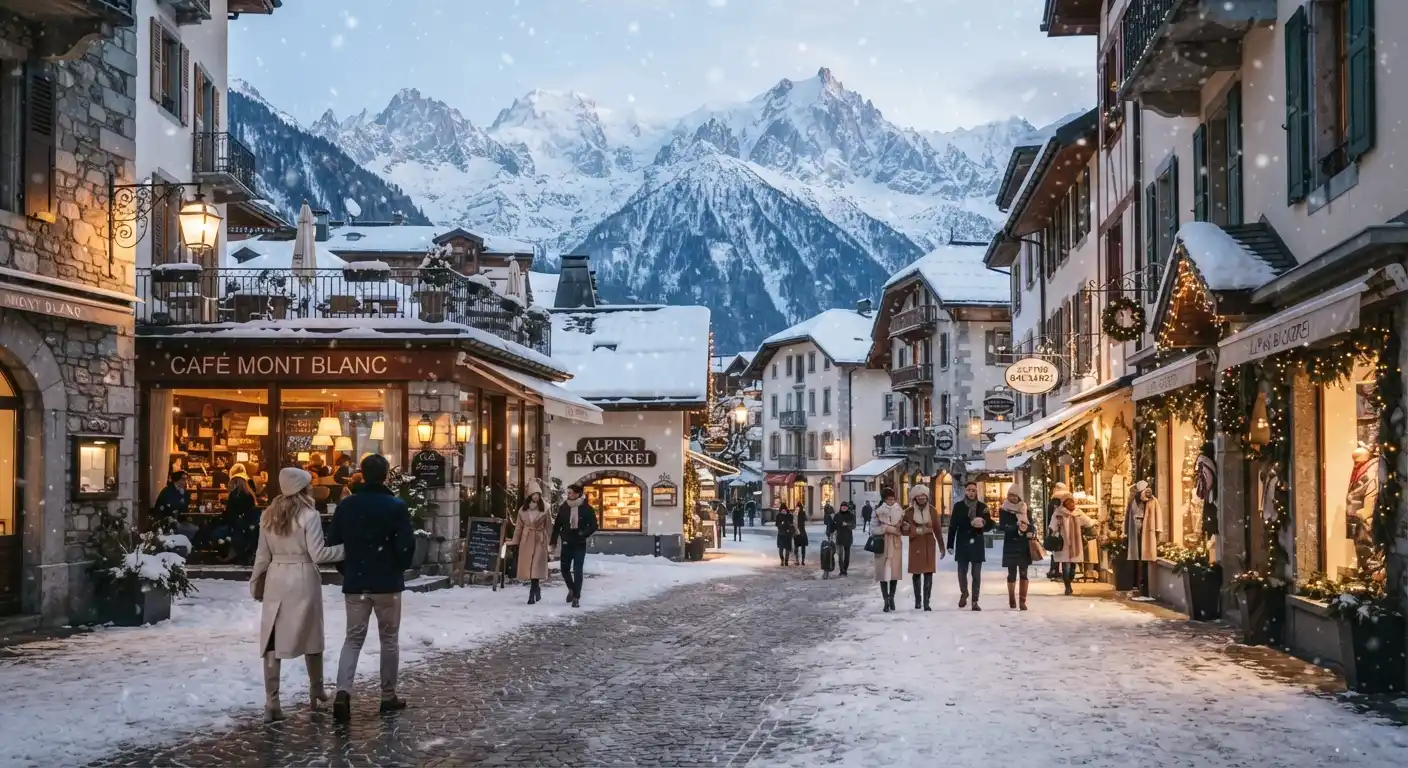
If you are searching for the best place to visit in Europe in the winter, there is no single destination that suits every traveler. A sunny coastal region such as the Algarve creates a very different experience from a snowy Alpine resort or a historic European capital. This guide explores some of the most appealing winter destinations and explains what makes each one worth considering.
What Makes a European Destination Great in Winter?
Choosing a winter destination is easier when you first decide what kind of trip you want. Europe offers several distinct winter travel styles, from snowy adventures to mild-weather city breaks.
- Snow and winter sports: Mountain destinations are ideal for skiing, snowboarding, snowshoeing, and scenic winter walks.
- Mild weather: Southern Europe can provide comfortable conditions for sightseeing and outdoor dining.
- Festive atmosphere: Major cities and historic towns become especially atmospheric during the holiday season.
- Culture and history: Museums, galleries, castles, churches, and historic districts are excellent choices when outdoor temperatures drop.
- Value: Some destinations can be less crowded outside their busiest holiday periods, although popular Christmas and ski locations may still experience high demand.
1. Algarve, Portugal
For travelers who want to experience Europe in winter without committing to consistently cold weather, the Algarve is an attractive option. Portugal’s southern coast is known for dramatic cliffs, sandy beaches, coastal villages, golf courses, and scenic viewpoints.
Winter is particularly interesting for travelers who prefer sightseeing and landscapes over traditional snow activities. The cooler season can be well suited to exploring coastal trails, historic towns, local markets, and quieter seaside areas.
The Algarve can also serve as a relaxed base for travelers who want a slower European getaway. Instead of planning every day around museums or indoor attractions, visitors can combine cultural sightseeing with coastal scenery and outdoor exploration.
For more destination ideas in the region, you can also explore this guide to the best place to visit in Algarve, Portugal.
2. Albania
Albania is another destination worth considering for a European winter trip, particularly for travelers interested in history, mountains, traditional towns, and changing landscapes. Winter provides a different perspective on the country compared with its busy summer coastal season.
Mountain areas can offer snow and dramatic scenery, while cities and historic locations provide opportunities for cultural exploration. Travelers who prefer quieter surroundings may also appreciate visiting outside the peak summer period.
If winter scenery is your priority, Albania can be combined with an itinerary focused on mountain towns and inland landscapes. Before traveling, however, it is important to check seasonal transport and accommodation availability because some services operate differently during the colder months.
See the related guide to the best places to visit in Albania in winter for additional itinerary inspiration.
3. France
France offers one of the broadest ranges of winter travel experiences in Europe. Travelers can choose from major cities, Alpine resorts, historic towns, wine regions, and countryside destinations.
Paris is especially appealing for travelers who enjoy museums, architecture, restaurants, shopping, and historic neighborhoods. Meanwhile, the French Alps attract visitors looking for snow-covered scenery and winter sports.
Families can also find plenty of options beyond Paris. If you are planning a family-oriented European trip, explore this guide to places in France to visit with kids.
Travelers interested in a more regional experience can also consider southwestern France, where food, culture, architecture, and landscapes create a different winter itinerary.
For more ideas, explore places to visit in southwest France.
4. Italy
Italy is an excellent winter choice for travelers who want to combine history, food, architecture, and scenic landscapes. Major cities remain appealing throughout the colder season, while northern mountain areas offer a more traditional snowy experience.
Rome, Florence, Venice, Milan, and other cities provide opportunities to explore museums, historic landmarks, churches, galleries, and restaurants. Meanwhile, southern regions can provide a somewhat different winter atmosphere from the colder northern areas.
Italy’s southern regions are particularly interesting for travelers who want to explore beyond the country’s most famous cities. The heel of Italy, for example, offers distinctive towns, coastal landscapes, architecture, and regional cuisine.
Read more about places to visit in the heel of Italy when planning a southern Italian itinerary.
5. Spain
Spain is another flexible winter destination because its geography creates several different travel experiences. Northern areas can be cool and atmospheric, while southern and coastal regions may offer comparatively mild conditions.
Travelers who prefer seaside scenery can consider Spain’s Mediterranean and Atlantic coastal destinations. Cities such as Barcelona, Seville, Madrid, and Valencia can also provide cultural experiences, food, architecture, and entertainment throughout winter.
For travelers interested in coastal scenery, this guide to the best coastal places to visit in Spain can help with itinerary planning.
6. Portugal
Portugal is especially useful for winter travelers because it offers a combination of historic cities, coastal scenery, food, and relatively mild southern destinations. Lisbon and Porto are popular choices for city breaks, while the Algarve provides a more relaxed coastal experience.
Winter can be a good time to explore Portugal’s historic neighborhoods, viewpoints, cafés, and cultural attractions without organizing the entire trip around beach weather.
If your goal is a warmer European escape, southern Portugal deserves particular attention. Travelers can compare it with other destinations by reviewing European winter travel options before finalizing an itinerary.
7. Greece
Greece is often associated with summer islands, but the mainland and larger cities offer interesting winter possibilities. Athens can be a useful base for travelers who want ancient history, museums, food, and urban exploration.
Winter can also provide a different perspective on popular Greek destinations. Instead of focusing exclusively on beaches, travelers can explore archaeological sites, traditional neighborhoods, mountain landscapes, and regional cuisine.
For a broader look at destinations across the country, explore places to visit in Greece.
8. New England and Northern Europe-Style Winter Landscapes
Travelers who specifically want snow-covered landscapes may want to look beyond Europe’s southern destinations. Northern and mountainous parts of Europe can provide the classic winter scenery many visitors imagine when planning a cold-season trip.
Snowy forests, frozen lakes, mountain villages, and winter markets can create memorable experiences for photographers and outdoor enthusiasts. The trade-off is that temperatures can be significantly lower, and daylight hours can be shorter.
If you enjoy winter travel generally, you may also find inspiration in New England winter destinations and Northeast winter destinations, which provide useful comparisons for travelers who enjoy cold-weather scenery.
9. France and Spain for a European Winter Road Trip
A winter road trip can be an appealing alternative to staying in one city. France and Spain both offer enough geographic variety to create multi-stop itineraries involving cities, coastal regions, historic towns, and countryside.
Road trips require additional planning during winter because weather can affect mountain routes and driving conditions. Travelers should check local road conditions, vehicle requirements, opening hours, and accommodation availability before setting out.
For a broader comparison of European coastal destinations, you can also explore coastal destinations in Spain and southwestern France.
10. Choosing Between Snow, Sun, and City Experiences
The best European winter destination ultimately depends on what you want to experience. Travelers searching for snow should focus on mountain regions and northern destinations. Those who prefer milder conditions may find southern Portugal, Spain, or parts of Italy more comfortable.
City travelers have even more flexibility. Historic European capitals can be rewarding during winter because museums, galleries, restaurants, shopping districts, and architectural attractions provide plenty to do when the weather is cold.
It can also help to compare your preferred destination with other seasonal travel guides. For example, travelers planning trips across North America can review places to visit in the eastern United States, Colorado destinations, or winter destinations in Milwaukee for additional cold-weather inspiration.
How to Plan a Winter Trip to Europe
Check Seasonal Weather
Europe has a highly varied winter climate. Before booking flights or accommodation, check typical temperatures, precipitation, daylight hours, and local weather patterns for your specific destination.
Plan Around Daylight
Winter days can be significantly shorter than summer days, particularly in northern Europe. Plan outdoor sightseeing for daylight hours and keep museums, restaurants, shopping, and other indoor activities available as alternatives.
Book Popular Winter Destinations Early
Christmas markets, ski resorts, and popular holiday destinations can become busy during peak winter periods. Booking transportation and accommodation early can provide more choices, particularly around major holidays.
Pack for Changing Conditions
Layering is one of the most practical approaches to European winter travel. A waterproof outer layer, comfortable walking shoes, warm clothing, and weather-appropriate accessories can make sightseeing considerably easier.
Allow for Seasonal Changes
Some attractions, restaurants, tours, and transportation services operate on reduced schedules during winter. Always check local operating information before building a tightly packed itinerary.
Best European Winter Destination for Different Travelers
There is no universal answer to the question of which destination is the best place to visit in Europe in the winter. Different travelers prioritize different experiences.
- For milder weather: Consider southern Portugal, the Algarve, southern Spain, or parts of southern Italy.
- For snow: Look toward Alpine and northern European destinations.
- For history and culture: France, Italy, Greece, and Spain offer extensive cultural attractions.
- For coastal scenery: Consider Portugal and Spain.
- For families: Choose destinations with a mixture of indoor attractions, easy transportation, and family-friendly activities.
- For photography: Snow-covered landscapes, historic cities, coastal cliffs, and winter markets all offer distinctive opportunities.
- For a relaxed escape: Southern European destinations can provide a slower alternative to traditional snowy holidays.
More Winter Travel Inspiration
If you are still deciding where to go, comparing destinations can help you build an itinerary around your preferred weather and activities. Europe is particularly useful for this because relatively short distances can connect very different landscapes and cultures.
You can expand your research with guides to the Algarve, Albania in winter, France with kids, Spain’s coastal destinations, and southern Italy.
For travelers who are considering destinations outside Europe, other seasonal guides can also help broaden the options. Explore Tokyo in winter, places near Tokyo in winter, New Zealand destinations, and Bali travel ideas for alternative winter escapes.
Final Thoughts
The best place to visit in Europe in the winter depends on the type of experience you want. The Algarve and other southern destinations can appeal to travelers seeking milder conditions and coastal scenery, while France, Italy, Albania, and other parts of Europe provide opportunities for history, culture, mountains, and traditional winter experiences.
Rather than choosing a destination simply because it is popular, consider the weather, activities, travel pace, budget, and type of scenery you want to experience. With the right planning, winter can be an excellent season for discovering a different side of Europe.



