
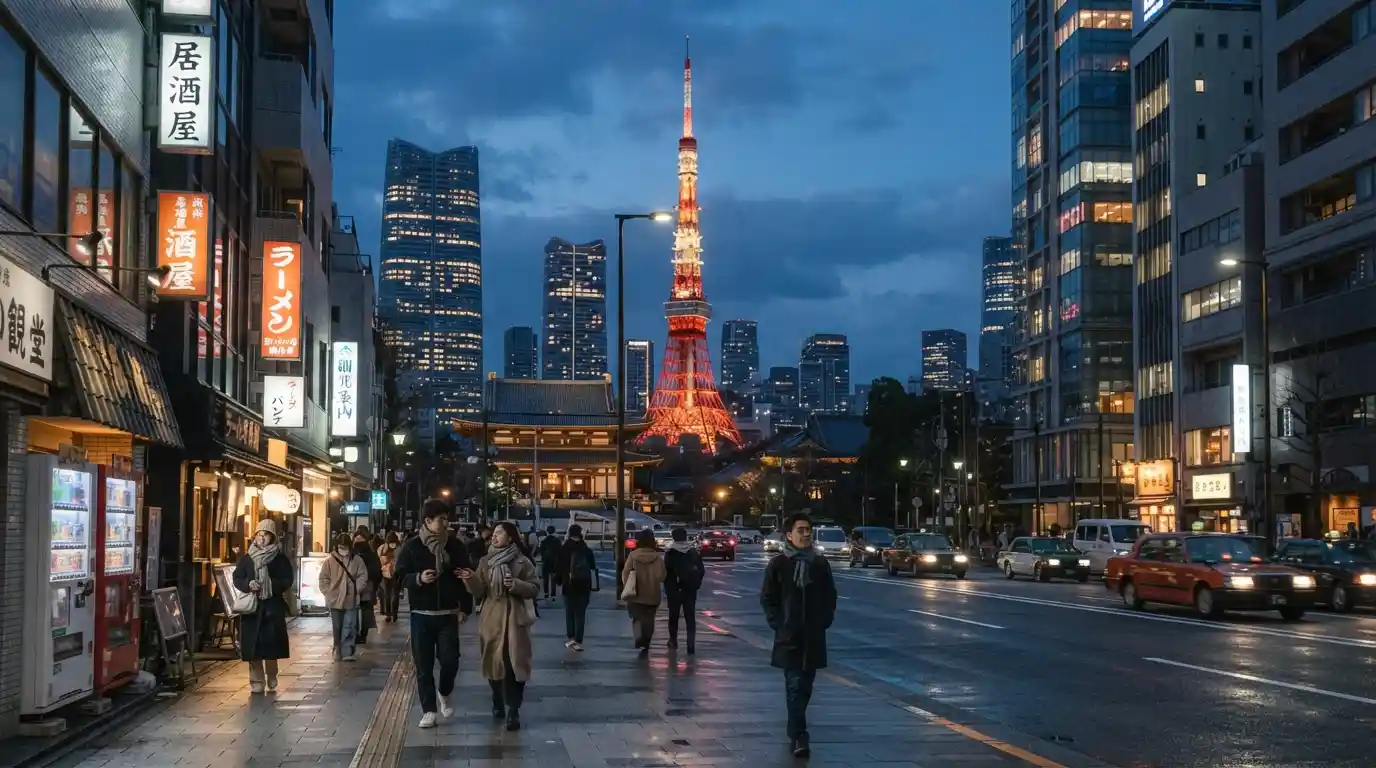
Tokyo in winter offers a different side of Japan’s capital. The air is often crisp, the city lights feel especially atmospheric after sunset, and many popular neighborhoods become easier to explore without the intense heat and humidity of summer. From historic temples and traditional gardens to illuminated streets, observation decks, shopping districts, and seasonal experiences, there are plenty of places to visit in Tokyo in winter.
Why Visit Tokyo in Winter?
Tokyo’s winter season generally brings cooler temperatures and a more comfortable atmosphere for walking compared with the hotter months. Clearer days can also create excellent conditions for city views, while evening illuminations add another layer to neighborhoods such as Marunouchi, Shibuya, Roppongi, and Tokyo Midtown.
The season works particularly well for travelers who enjoy a mixture of sightseeing, food, shopping, culture, and photography. Historic districts remain active, while indoor attractions provide easy alternatives when the weather becomes particularly cold.
If you are planning a broader Japan itinerary, it can also be useful to explore places to visit in Tokyo for first-timers before deciding how to organize your winter days.
1. Senso-ji Temple and Asakusa
Senso-ji in Asakusa is one of the most recognizable cultural attractions in Tokyo and a rewarding place to explore during winter. The approach through Nakamise-dori leads toward the famous Kaminarimon Gate and the temple complex.
Winter mornings can be particularly appealing because the cooler air creates a calm atmosphere around the historic streets. Visitors can combine the temple with traditional shops, Japanese snacks, small restaurants, and nearby views of the Tokyo Skytree.
Asakusa is an excellent choice for travelers who want to experience Tokyo beyond its modern skyscrapers. It also provides a natural starting point for exploring the city’s traditional side before moving toward newer neighborhoods.
2. Tokyo Skytree
For panoramic city views, Tokyo Skytree is one of the most recognizable places to visit in Tokyo in winter. Its observation decks provide a high viewpoint over the enormous metropolitan area.
Clear winter conditions can sometimes offer particularly impressive visibility. On suitable days, visitors may see far across the surrounding urban landscape and potentially catch distant mountain views.
The area around Tokyo Skytree also offers shopping, dining, and indoor attractions, making it practical when you want to combine sightseeing with a break from the cold.
3. Meiji Jingu
Meiji Jingu provides a peaceful contrast to Tokyo’s busy commercial districts. Surrounded by a large forested area near Harajuku and Shibuya, the shrine offers visitors an opportunity to experience a quieter and more traditional environment.
Winter can be a comfortable season for walking through the broad shrine grounds. The combination of tall trees, traditional architecture, and spacious pathways makes it especially appealing for travelers interested in Tokyo’s cultural heritage.
After visiting the shrine, you can continue toward Harajuku, Omotesando, or Shibuya for shopping, cafés, fashion, and contemporary Tokyo culture.
4. Shibuya Crossing and Shibuya
Shibuya is one of Tokyo’s most energetic districts, and winter evenings can make the area particularly atmospheric. Shibuya Crossing becomes surrounded by illuminated buildings, giant digital displays, restaurants, shops, and entertainment venues.
Visitors can watch the crossing from an elevated viewpoint before exploring the surrounding streets. Shibuya is also convenient for travelers who want a combination of nightlife, shopping, Japanese street culture, and photography.
Because much of the neighborhood is connected by indoor commercial spaces, it is also a practical choice when winter weather becomes uncomfortable.
5. Tokyo Tower
Tokyo Tower remains one of the city’s most recognizable landmarks. Its red-and-white structure stands out against the metropolitan skyline, while the surrounding area provides several opportunities for evening sightseeing.
A winter visit can be especially enjoyable after sunset, when Tokyo’s illuminated skyline creates a dramatic backdrop. Nearby attractions and restaurants make it easy to include the tower as part of an evening itinerary.
Travelers interested in city photography can pair Tokyo Tower with other viewpoints, including observation areas around Roppongi and central Tokyo.
6. Shinjuku Gyoen National Garden
Shinjuku Gyoen offers a large green space in the middle of one of Tokyo’s busiest districts. Although spring is famous for its blossoms, the garden has a quieter character during winter.
The spacious grounds, landscaped areas, ponds, and tree-lined paths provide a welcome change from Tokyo’s dense urban environment. Winter visitors can enjoy a slower walk before returning to the energy of Shinjuku.
Shinjuku itself is packed with restaurants, department stores, entertainment venues, and observation points, so the garden can easily fit into a full day of sightseeing.
7. Odaiba
Odaiba is a waterfront entertainment district known for modern architecture, shopping centers, museums, and views across Tokyo Bay. Its open waterfront areas can feel particularly refreshing on clear winter days.
Indoor attractions make Odaiba useful during colder weather, while the waterfront provides excellent opportunities for photography. Visitors can also enjoy views toward Rainbow Bridge and the Tokyo skyline.
If you enjoy combining modern attractions with city views, Odaiba can complement the more traditional experiences found in Asakusa and Meiji Jingu.
8. Imperial Palace East Gardens
The Imperial Palace area offers an interesting combination of history, landscaped grounds, and central Tokyo scenery. The East Gardens provide visitors with an accessible way to experience part of the historic palace grounds.
Winter is well suited to exploring the gardens because cooler weather can make walking more comfortable than during Tokyo’s hotter seasons. The location is also convenient for combining with Marunouchi, Tokyo Station, and nearby shopping areas.
9. Tokyo Station and Marunouchi
Tokyo Station is more than a transportation hub. Its historic red-brick exterior, surrounding architecture, restaurants, shopping areas, and connection to Marunouchi make the district worthwhile for sightseeing.
During winter evenings, the Marunouchi area can become particularly attractive because of seasonal illumination displays and the polished appearance of the surrounding office and commercial buildings.
This is one of the easiest areas to include in a winter itinerary because visitors can move between outdoor landmarks and indoor restaurants or shopping spaces.
10. Roppongi Hills
Roppongi Hills combines art, shopping, restaurants, architecture, and city views in one of Tokyo’s best-known entertainment districts. It is particularly useful during winter because many activities are indoors.
Visitors interested in photography can also look for elevated viewpoints that showcase Tokyo’s skyline. Evening is often a good time to experience the district because the city lights become part of the attraction.
11. Akihabara
Akihabara is a must-consider destination for travelers interested in anime, manga, gaming, electronics, and Japanese pop culture. The district’s dense collection of specialty stores and entertainment venues makes it easy to spend several hours indoors.
For travelers planning a Japan trip around Japanese pop culture, our guide to places to visit in Japan for anime lovers can help broaden the itinerary beyond Tokyo.
12. Ginza
Ginza is ideal for visitors who enjoy upscale shopping, department stores, restaurants, cafés, and contemporary architecture. The neighborhood becomes especially atmospheric after dark, when its streets and buildings are illuminated.
Winter is a practical time to explore Ginza because travelers can easily move between indoor shopping and dining destinations. It is also close to several central Tokyo attractions, making it convenient to combine with Tokyo Station and the Imperial Palace area.
13. Ueno Park and Ueno
Ueno is another useful stop for travelers who want culture, museums, markets, and traditional Tokyo experiences. Ueno Park contains several major cultural institutions, while nearby Ameyoko offers a lively shopping and food environment.
Winter visitors can divide the day between indoor museums and outdoor exploration. This flexibility makes Ueno particularly useful when temperatures are low.
14. Tokyo Disneyland and Tokyo DisneySea
For families and theme-park enthusiasts, Tokyo Disneyland and Tokyo DisneySea can be included in a winter Tokyo itinerary. Seasonal decorations and entertainment can add a winter atmosphere to the parks, while attractions, restaurants, and shops provide plenty to explore.
Because winter days can be shorter and temperatures cooler, planning clothing, breaks, and transportation in advance can make a theme-park day more comfortable.
15. Tokyo Metropolitan Government Building
The Tokyo Metropolitan Government Building in Shinjuku is another place to consider for city views. Its observation areas provide an elevated perspective of the enormous Tokyo metropolitan landscape.
For travelers looking for scenic experiences without making a separate trip far outside central Tokyo, this can be an efficient addition to a Shinjuku itinerary.
16. Harajuku and Takeshita Street
Harajuku is closely associated with youth culture, fashion, cafés, and creative street style. Takeshita Street is particularly lively and offers a different atmosphere from Tokyo’s historic districts.
Winter visitors can combine Harajuku with Meiji Jingu and Omotesando in a single day. This creates an itinerary that moves naturally from traditional Japanese architecture to contemporary fashion and design.
17. Winter Day Trips From Tokyo
One advantage of visiting Tokyo in winter is the ability to use the capital as a base for nearby destinations. If you have additional time, consider exploring places to visit near Tokyo in winter for ideas beyond the city center.
Saitama is another nearby option and is covered in our guide to the best places to visit in Saitama, Japan. Travelers building a broader Japan itinerary can also explore Japan’s hidden villages for a quieter perspective on the country.
Those planning future seasonal trips may also find our guide to the best places to visit for sakura in Japan useful when comparing winter travel with the spring blossom season.
18. Explore More of Japan Beyond Tokyo
Tokyo can easily serve as the first major stop on a longer Japanese journey. Depending on your interests, you can add destinations focused on nature, traditional culture, food, anime, historic towns, or coastal scenery.
Our guide to the most unique places to visit in Japan can help travelers identify destinations that offer something different from the capital.
For a completely different Japanese island experience, you can also explore places to visit on Okinawa’s main island. While Okinawa has a very different climate and travel experience from Tokyo, it can be an interesting addition to a longer Japan itinerary.
Best Things to Do in Tokyo in Winter
Beyond individual attractions, Tokyo offers several winter-friendly experiences that can shape your itinerary.
- Explore traditional temples and shrines in Asakusa and Meiji Jingu.
- Enjoy Tokyo skyline views from observation decks.
- Photograph winter illuminations after sunset.
- Explore Shibuya, Shinjuku, Ginza, and Harajuku.
- Visit museums and indoor cultural attractions.
- Enjoy Japanese food in neighborhood restaurants and markets.
- Spend a day at Tokyo Disneyland or Tokyo DisneySea.
- Take a winter day trip outside central Tokyo.
- Explore Japanese pop culture in Akihabara.
- Shop for fashion, electronics, souvenirs, and specialty products.
What to Wear in Tokyo in Winter
Tokyo winter weather can feel cold, particularly in the morning and evening, so travelers should plan for layers. A warm coat, sweater or insulating mid-layer, comfortable walking shoes, and winter accessories can be useful.
Because sightseeing in Tokyo often involves substantial walking and public transportation, comfortable footwear is particularly important. Layers also make it easier to move between cold outdoor streets and heated indoor shops, stations, restaurants, and museums.
Tips for Visiting Tokyo in Winter
Plan Around Daylight
Winter days have fewer daylight hours than summer. Consider visiting outdoor attractions earlier and saving shopping, dining, museums, and illuminated districts for later in the day.
Use Public Transportation
Tokyo’s extensive rail and subway network makes it possible to combine several neighborhoods in one day. Grouping nearby attractions together can reduce unnecessary travel time.
Prepare for Cold Evenings
Tokyo can feel noticeably colder after sunset. If your itinerary includes winter illuminations, observation decks, or outdoor photography, carry an additional warm layer.
Mix Indoor and Outdoor Attractions
A balanced itinerary is especially useful in winter. Pair a temple, garden, or neighborhood walk with a museum, department store, café, restaurant, or other indoor attraction.
Leave Room for Seasonal Experiences
Winter events, decorations, illuminations, and seasonal menus can change from year to year. Check the details of individual attractions before visiting rather than assuming a seasonal event will be available every winter.
How Many Days Do You Need in Tokyo in Winter?
A three-day trip can cover several major neighborhoods, while four to five days allows a more relaxed experience and leaves room for a day trip. Travelers visiting Japan for the first time may want additional time because Tokyo’s districts are extensive and each offers a distinct atmosphere.
A sample four-day itinerary could look like this:
- Day 1: Asakusa, Senso-ji, Tokyo Skytree, and Ueno.
- Day 2: Meiji Jingu, Harajuku, Shibuya, and Tokyo Tower.
- Day 3: Imperial Palace area, Tokyo Station, Ginza, and Roppongi.
- Day 4: Shinjuku, Shinjuku Gyoen, Akihabara, or a nearby winter day trip.
Tokyo Winter Compared With Other Seasonal Destinations
If you enjoy comparing travel seasons, Tokyo is only one of many destinations covered across our travel guides. You can explore winter destinations in Europe, places to visit in Albania in winter, or New England in winter.
For travelers interested in other cold-weather experiences, guides covering Milwaukee during winter and the Northeast in winter offer additional ideas.
Travelers planning warmer or more tropical alternatives can compare Tokyo with destinations such as Bali, Thailand, or Singapore.
Final Thoughts
The best places to visit in Tokyo in winter combine historic landmarks, modern city experiences, seasonal atmosphere, shopping, food, culture, and scenic viewpoints. Senso-ji, Meiji Jingu, Shibuya, Tokyo Skytree, Tokyo Tower, Shinjuku, Ginza, Akihabara, Odaiba, and the Imperial Palace area each reveal a different side of the capital.
The key to a successful winter trip is balance. Combine outdoor sightseeing with indoor attractions, plan around shorter daylight hours, dress in layers, and leave enough flexibility to explore neighborhoods at your own pace. If you have several days available, adding a nearby destination can turn a Tokyo visit into a broader winter journey through Japan.



