
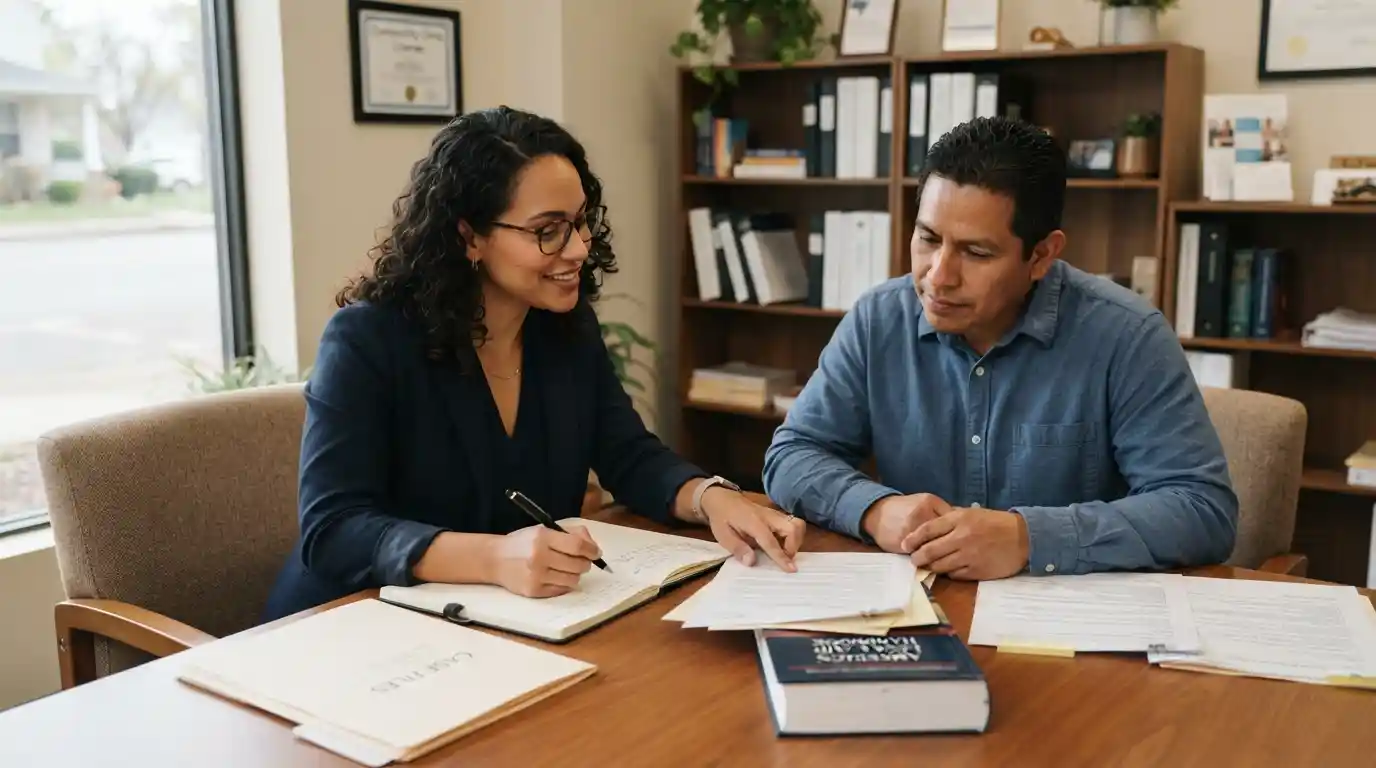
The Maxwell Street Legal Clinic represents the broader role that community-focused legal services can play in helping people understand their rights and navigate civil legal problems. From housing and employment concerns to family matters and access-to-justice issues, legal clinics can provide an important first step toward understanding available options.
This guide explains how community legal clinics work, the types of assistance they may provide, how to prepare for an intake appointment, and why accessible legal education matters to stronger communities.
Why Community Legal Clinics Matter
Legal problems do not affect only people who can afford private attorneys. A tenant may receive an eviction notice, a worker may face an unpaid wage dispute, or a family may need help understanding a custody or protection-order process. In these situations, knowing where to seek reliable assistance can make an important difference.
Community legal clinics are designed to make basic legal support more accessible. Depending on the organization and available funding, services may include legal information, brief advice, referrals, document assistance, workshops, or representation in qualifying civil matters.
Access to professional guidance is particularly important when a legal issue overlaps with housing, property, employment, insurance, or other areas of everyday life. For example, people dealing with property-related concerns may also benefit from understanding broader real estate opportunities and property issues.
What Services Can a Legal Clinic Provide?
The exact services offered by a legal clinic depend on its mission, funding, staff, location, and eligibility requirements. However, community legal organizations commonly focus on civil matters that directly affect personal and financial stability.
Housing and Tenant Assistance
Housing disputes can become urgent very quickly. Tenants may need help understanding eviction notices, lease disputes, security-deposit issues, unsafe living conditions, or allegations of housing discrimination.
A legal clinic can help an eligible individual understand the nature of a dispute, identify potentially relevant documents, and determine whether additional legal representation or another community resource may be appropriate.
Housing concerns can also intersect with property ownership and broader real estate decisions, making resources such as property opportunities and real estate considerations useful for understanding the wider context.
Employment and Workplace Disputes
Employment problems can involve unpaid wages, overtime disputes, workplace discrimination, retaliation, contract disagreements, or questions surrounding termination.
Community legal services may help workers understand basic workplace rights, organize relevant records, identify potential administrative remedies, and determine whether a matter requires specialized representation.
Employment issues can also be connected to changing work patterns and entrepreneurship. Readers interested in the changing nature of employment may find the discussion of side hustles and the changing workforce useful for broader context.
Family Law Support
Family-related legal matters often involve highly personal circumstances. Divorce, child custody, support arrangements, and protective orders can be stressful even when professional assistance is available.
Legal clinics may provide information, referrals, or limited representation to eligible individuals. Because family law rules differ significantly between jurisdictions, people should obtain advice that applies to the specific state or court handling their matter.
Immigration-Related Legal Information
Immigration matters can involve complex forms, deadlines, hearings, and documentation requirements. Community organizations may provide referrals or legal assistance for qualifying cases, although not every clinic handles immigration matters.
People should verify that anyone providing legal representation is properly authorized to do so and should be cautious about relying on informal advice when immigration status is involved.
Consumer and Financial Legal Issues
Consumers may encounter disputes involving contracts, debt collection, unfair business practices, or financial agreements. Understanding the terms of a document before signing it can sometimes prevent a dispute from becoming more complicated.
Financial decisions can also intersect with other areas of consumer life. Readers researching financial services can explore insurance and financial protection considerations as part of a broader approach to managing personal risk.
Legal Clinics and the Access-to-Justice Gap
One of the central purposes of community legal services is to address the gap between having legal rights and being able to exercise those rights effectively.
Private legal representation may be financially out of reach for some households. Even when someone cannot afford full representation, limited legal advice or a referral can help clarify the next step.
This makes legal education particularly valuable. A person who understands what documents to preserve, which deadlines matter, and what questions to ask may be better prepared when speaking with an attorney, court clerk, government agency, or another qualified professional.
The Importance of Legal Education
A strong legal clinic does more than respond to emergencies. Education can help community members recognize potential problems before they become severe.
Know-your-rights workshops may cover subjects such as housing, employment, consumer protection, family law, or interactions with public agencies. These programs can make legal terminology easier to understand and help residents recognize when professional advice may be necessary.
Education is especially valuable for people navigating unfamiliar systems. Similar principles apply in other professional fields where specialized knowledge matters, including adult education and employment opportunities.
Technology Is Changing Legal Aid
Technology has changed how many community organizations communicate with clients. Online intake forms, appointment systems, document portals, virtual consultations, and digital educational materials can make certain services easier to access.
However, technology should complement qualified legal guidance rather than replace it. Automated information can help someone identify general resources, but the correct legal strategy often depends on jurisdiction-specific facts and individual circumstances.
The broader movement toward technology-supported professional services can also be seen in discussions of business technology and digital innovation and digital transformation in business services.
How to Prepare Before Contacting a Legal Clinic
Preparation can make an initial legal intake more productive. Before contacting a clinic, gather documents and write down the most important facts of the situation.
1. Collect Relevant Documents
Depending on the problem, useful documents may include leases, contracts, court notices, employment records, correspondence, bills, government letters, photographs, or previous legal paperwork.
Keep original documents secure and provide copies when possible.
2. Create a Simple Timeline
Write down important dates and events in chronological order. Include when the dispute began, when notices were received, and any deadlines mentioned in official documents.
3. Identify the Main Problem
Explain the issue clearly rather than providing an extremely broad history. A short summary can help an intake specialist understand the situation and determine whether the clinic handles that type of matter.
4. Ask About Eligibility
Some legal clinics use income guidelines, geographic restrictions, case-type limitations, or other eligibility requirements. Ask about these requirements before assuming that representation will be available.
5. Confirm the Next Step
At the end of an intake conversation, make sure you understand what happens next. The clinic may schedule another appointment, request additional documents, provide a referral, or explain that another organization is better suited to the case.
Legal Clinics and Other Community Resources
A legal clinic is not always the only resource available. Depending on the situation, individuals may need to work with government agencies, courts, housing organizations, social-service providers, educational institutions, or specialized nonprofit organizations.
This broader community-support model is important because legal problems frequently overlap with practical issues such as housing, healthcare, employment, and financial stability.
For example, people experiencing health-related challenges may also need assistance navigating practical systems. Resources discussing community healthcare access demonstrate how specialized support services can address needs outside traditional legal representation.
Similarly, nonprofit organizations can play an important role in connecting communities with assistance. Those interested in nonprofit work can explore nonprofit opportunities and grant-writing work.
Why Legal Clinics Need Community Support
Community legal organizations often operate with limited funding and significant demand. Staff members may have to prioritize urgent cases while maintaining intake systems, educational programs, referrals, and administrative operations.
Volunteer attorneys, law students working within applicable rules, donors, community organizations, and other partners can help expand the reach of legal services.
Strong organizational infrastructure also matters. The broader importance of efficient operations can be seen in areas such as logistics management and resource coordination.
How Individuals Can Support Access to Justice
People do not need to be attorneys to support community legal services. Individuals can help by sharing accurate information about available resources, volunteering where appropriate, donating to qualified organizations, or helping neighbors understand where they can seek assistance.
Professionals may also contribute specialized skills. Technology, communications, administration, fundraising, and education can all support the work of community organizations.
Businesses interested in improving their own operations can also learn from broader discussions of enterprise technology and organizational integration.
Common Questions About Community Legal Clinics
Are legal clinic services always free?
No. Some qualifying services may be provided free of charge, while others may involve sliding-scale fees, limited-scope assistance, or referrals to other organizations. Each clinic sets its own policies.
Can a legal clinic handle criminal cases?
Many community legal clinics primarily focus on civil matters. Criminal defense is generally handled through private criminal-defense attorneys or public defender systems, depending on the jurisdiction and eligibility.
Do legal clinics represent every person who contacts them?
No. Clinics may have eligibility requirements, limited staffing, geographic restrictions, case-type limitations, or capacity constraints.
What should I bring to a legal clinic?
Bring documents that relate directly to the issue, such as contracts, notices, correspondence, court paperwork, employment records, or other relevant evidence. A clear timeline can also help.
Can a legal clinic give advice about my specific case?
That depends on the organization’s services and whether you qualify for assistance. General information is different from individualized legal advice or representation, so people with significant legal consequences should seek advice from an appropriately qualified legal professional.
Building Better Access to Legal Support
The value of a community legal clinic extends beyond individual cases. By helping people understand their rights, connect with appropriate resources, and navigate complicated systems, legal aid organizations contribute to stronger and more informed communities.
The Maxwell Street Legal Clinic can be understood within this wider model of community-based legal support. Whether someone is dealing with a housing dispute, workplace concern, family matter, consumer problem, or another civil legal issue, finding the right source of qualified assistance is an important first step.
Accessible legal information does not eliminate every barrier to justice, but it can help people recognize their options, prepare more effectively, and seek appropriate professional support when it matters most.