
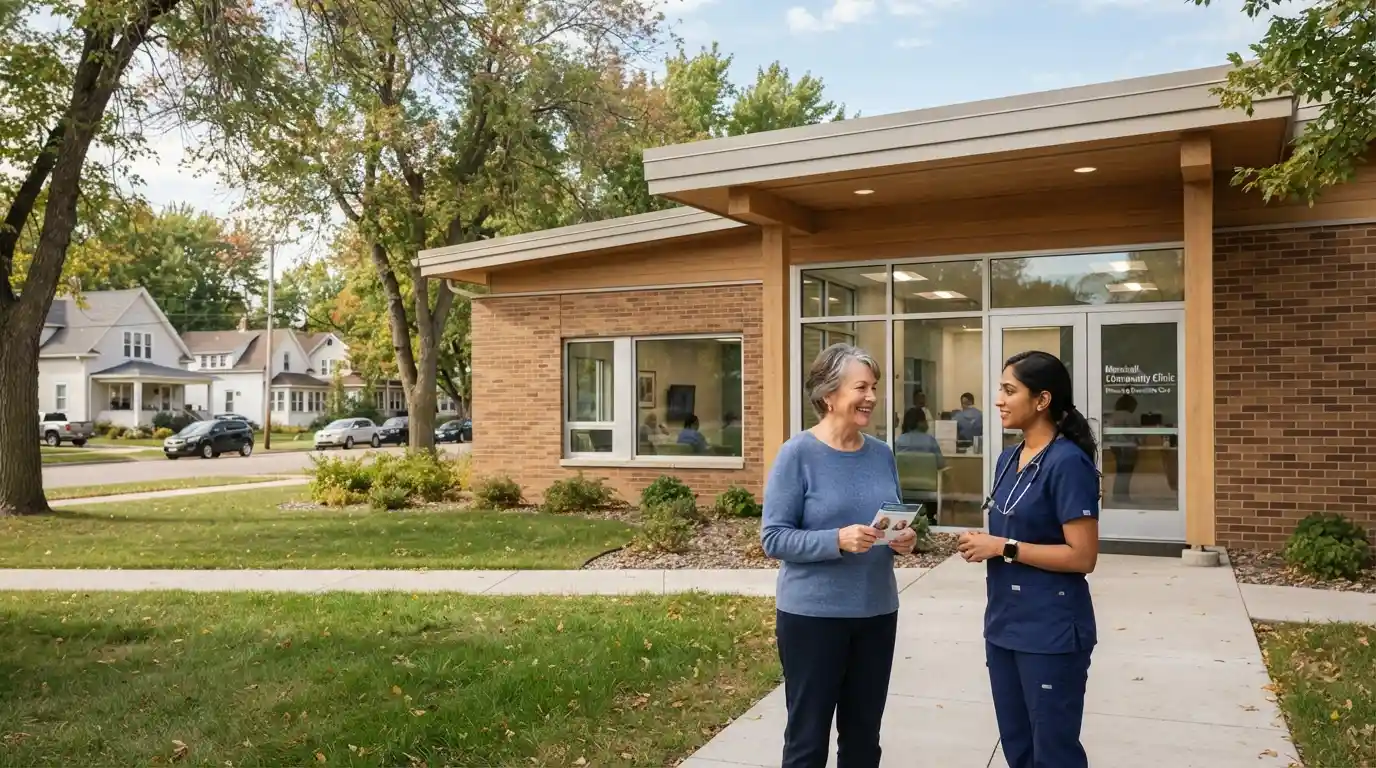
Access Health Marshall MN represents the broader need for connected, accessible healthcare resources in southwest Minnesota. Whether you are looking for routine medical care, managing an ongoing condition, supporting a family member, or trying to understand available wellness resources, knowing how to navigate the local healthcare landscape can help you make more informed decisions.
This guide explores the major areas of healthcare that matter to individuals and families in Marshall, along with practical considerations for appointments, preventive care, digital healthcare, mental wellness, insurance, and long-term health management.
Why Accessible Healthcare Matters in Marshall, MN
Local healthcare access is about more than having a medical facility nearby. A strong healthcare system gives people practical ways to receive preventive care, address new symptoms, manage chronic conditions, and obtain specialized support when necessary.
For people living in smaller communities and surrounding rural areas, convenient local services can reduce the need for unnecessary long-distance travel. Primary care can also serve as the starting point for referrals, diagnostic testing, treatment planning, and ongoing health management.
Healthcare access also extends beyond physical treatment. Mental wellness, nutrition, preventive education, rehabilitation, and healthy lifestyle choices all contribute to better long-term outcomes. Resources such as healthy lifestyle and wellness guidance can complement conversations patients have with their healthcare professionals.
Primary Care Is the Foundation of Long-Term Health
Primary care is often the first point of contact when people need medical attention. It can include routine examinations, preventive screenings, vaccinations, health consultations, medication management, and monitoring of ongoing conditions.
Building an ongoing relationship with a primary care provider can make it easier to track changes in health over time. Instead of treating every appointment as an isolated event, patients can develop a consistent medical history that helps providers understand their individual needs.
Preventive appointments are particularly valuable because they may identify potential health concerns before symptoms become more serious. Regular conversations about blood pressure, blood sugar, cholesterol, weight, lifestyle, family history, and age-appropriate screenings can help patients take a proactive approach to their health.
Preventive Care Can Help Patients Stay Ahead
Preventive healthcare focuses on maintaining health rather than waiting until a problem becomes urgent. Depending on a person’s age, medical history, and individual circumstances, preventive care may include physical examinations, immunizations, screenings, wellness counseling, and routine laboratory testing.
Everyday habits matter too. Sleep, nutrition, physical activity, stress management, and consistent meal patterns can influence overall well-being. For example, understanding the relationship between nutrition and mental wellness can provide useful context alongside professional medical advice, as discussed in how skipping breakfast may affect mental health.
Preventive care should be personalized. A screening or treatment that is appropriate for one person may not be appropriate for another, which is why healthcare decisions should be discussed with a qualified medical professional.
Specialty Care and Diagnostic Services
Primary care providers can help identify situations where a patient may benefit from specialized medical attention. Depending on the patient’s condition, this may involve referrals to specialists, diagnostic testing, rehabilitation, or other forms of focused care.
Specialty healthcare can cover many areas, including cardiology, orthopedics, women’s health, physical therapy, and other disciplines. Diagnostic services may include laboratory testing and medical imaging when clinically appropriate.
Understanding how different healthcare professionals contribute to patient care can also be useful for people considering healthcare careers. Our guide on whether medical scribe work is considered clinical experience explores one role within the wider healthcare environment.
Patients should always follow their provider’s instructions regarding referrals, testing, preparation requirements, and follow-up appointments.
Urgent Care and Emergency Healthcare
Not every medical concern requires an emergency department, but some situations demand immediate attention. Understanding the difference between routine care, urgent care, and emergency treatment can help people respond appropriately when health concerns arise.
Routine concerns can often be addressed through scheduled primary care appointments. More immediate but non-life-threatening issues may require urgent medical evaluation, while serious or potentially life-threatening symptoms require emergency medical attention.
People should not delay emergency treatment because they are uncertain about which healthcare option to use. Severe breathing difficulty, major trauma, signs of a stroke, severe chest pain, uncontrolled bleeding, or other potentially life-threatening symptoms require prompt emergency evaluation.
Mental and Behavioral Health Are Part of Comprehensive Care
Comprehensive healthcare should address mental and emotional well-being alongside physical health. Stress, anxiety, depression, sleep difficulties, substance-use concerns, and other behavioral health challenges can affect work, relationships, physical health, and quality of life.
Marshall-area residents looking for broader mental wellness information can also explore our article on mental health support and recovery resources.
Families may also benefit from learning about youth mental wellness. Our resource covering teen mental health and supporting younger generations discusses the importance of recognizing emotional and psychological needs early.
Mental health concerns should be treated with the same seriousness as physical health concerns. A primary care provider can often help patients understand available options and determine whether a behavioral health professional or other specialist may be appropriate.
Home Health and Ongoing Support
Some patients need healthcare support beyond a traditional clinic visit. Older adults, people recovering from illness or surgery, and individuals managing certain chronic conditions may require assistance at home.
Home-based support can play an important role in helping patients maintain independence while continuing their care. To learn more about the broader concept of home healthcare, see our guide to home health services and ongoing patient support.
When evaluating home healthcare, patients and families should consider the individual’s medical needs, the qualifications of caregivers, communication procedures, scheduling, and how the service fits into the patient’s overall care plan.
Healthcare Clinics and Community Resources
Healthcare does not exist in isolation. Clinics, hospitals, behavioral health providers, rehabilitation professionals, wellness organizations, and community programs can all contribute to a healthier population.
Other healthcare-focused resources published by BizHorizone include our overview of comprehensive healthcare services and our discussion of medical clinic services and patient-focused care.
These resources illustrate how healthcare organizations can support patients through different stages of their health journey. However, patients should always verify the specific services, hours, eligibility requirements, and availability of any provider before scheduling care.
Digital Healthcare and Patient Portals
Technology has changed how many patients interact with healthcare providers. Online appointment scheduling, electronic health records, secure messaging, prescription-management tools, and telehealth can make certain aspects of healthcare more convenient.
Telehealth can be particularly useful for appropriate follow-up appointments, consultations, and certain routine concerns. It may reduce travel requirements for patients who have difficulty reaching a healthcare facility.
Digital systems also require patients to protect their personal information. Strong passwords, secure devices, careful account management, and awareness of suspicious messages can help reduce the risk of unauthorized access to sensitive health information.
Nutrition and Lifestyle Support
Healthcare providers often discuss lifestyle habits because daily behavior can influence long-term health. Nutrition, physical activity, sleep, stress management, and tobacco or alcohol use may all become part of a personalized health conversation.
Nutrition can be especially important when managing certain medical conditions. Patients should avoid following restrictive diets or making major nutritional changes without considering their individual medical needs.
For people interested in plant-based eating and nutrition trends, our guide to vegan food and lifestyle choices provides additional reading.
Skincare and healthy aging can also become part of broader wellness conversations. Our article about anti-aging skincare practices offers another perspective on personal wellness and self-care.
Understanding Insurance and Healthcare Costs
Healthcare decisions are often influenced by insurance coverage and out-of-pocket costs. Before receiving non-emergency services, patients may want to understand whether a provider participates in their insurance network and whether referrals or prior authorization are required.
Important questions may include:
- Does the provider accept your insurance plan?
- Is a referral required?
- What deductible or copayment may apply?
- Does the planned service require prior authorization?
- Are laboratory, imaging, or specialist services billed separately?
- Are financial assistance options available?
Patients should contact their insurance company and healthcare provider directly when they need confirmation about coverage or expected costs.
For additional reading about healthcare costs and treatment expenses, see our guide discussing medical treatment costs without insurance.
Choosing the Right Healthcare Provider
Finding a healthcare provider is not simply about choosing the closest location. Patients may want to consider the provider’s specialty, appointment availability, communication style, insurance participation, accessibility, and whether the practice fits their ongoing healthcare needs.
For families, factors such as pediatric services, preventive care, appointment scheduling, and access to additional specialists may also matter.
People seeking healthcare information can benefit from comparing several relevant resources rather than relying on a single source. Our coverage of mental health care, modern healthcare expertise, and health and wellness approaches provides additional context around different areas of care.
Questions to Ask at a Healthcare Appointment
Patients can often get more value from medical appointments by preparing questions in advance. Useful questions may include:
- What could be causing my symptoms?
- Do I need any diagnostic tests?
- What treatment options are available?
- What benefits and risks should I understand?
- Are there lifestyle changes that could support my treatment?
- When should I schedule a follow-up?
- Which symptoms would require more immediate medical attention?
Patients should also bring an updated medication list and relevant medical records when appropriate. Writing down questions before an appointment can make it easier to remember important concerns during a short consultation.
Healthcare Information for Families
Families often manage healthcare needs for multiple generations. Children may need vaccinations and pediatric care, adults may require preventive screenings, and older family members may need assistance managing medications or chronic conditions.
Keeping medical information organized can make healthcare coordination easier. Families may want to maintain current medication lists, insurance information, emergency contacts, and important medical history in an accessible but secure location.
Health education can also make families more proactive. Resources such as our discussion of mental health awareness and communication can help introduce conversations about emotional well-being in an approachable way.
Healthcare Beyond the Clinic
Good health is influenced by more than medical appointments. Physical activity, nutritious food, sleep, stress management, social connection, and safe living environments can all contribute to overall well-being.
Sports and physical activity can be part of a healthy lifestyle when adapted to a person’s age, fitness level, and medical needs. Our coverage of sports and athletic performance provides additional perspective on active lifestyles.
For individuals interested in healthcare careers and the wider medical ecosystem, our article on mammography technology careers explores another specialized area of the healthcare field.
How to Prepare for Better Healthcare Management
A proactive approach can make healthcare easier to manage. Start by identifying a primary care provider, keeping important health information organized, understanding your insurance coverage, and staying current with appropriate preventive appointments.
It is also useful to know where to turn when your healthcare needs change. A routine appointment, specialist consultation, urgent medical visit, behavioral health service, or home healthcare resource may each have a different role.
Patients can also benefit from learning how healthcare professionals work together. The broader healthcare system includes physicians, nurses, technicians, therapists, pharmacists, administrative professionals, and many other specialists.
Frequently Asked Questions About Access Health Marshall MN
What does comprehensive healthcare mean?
Comprehensive healthcare generally refers to a broad approach that addresses preventive care, routine medical treatment, chronic condition management, specialty services, diagnostics, behavioral health, and other patient needs through coordinated care.
Why is primary care important?
Primary care provides a consistent starting point for preventive services, routine medical concerns, health monitoring, and referrals when specialized treatment is needed.
Can telehealth replace every in-person appointment?
No. Telehealth can be useful for certain consultations and follow-ups, but some conditions require physical examinations, diagnostic testing, procedures, or other in-person care.
How can I prepare for a medical appointment?
Prepare a list of symptoms, medications, allergies, relevant medical history, questions, and insurance information. Bringing previous records when requested can also help the provider understand your healthcare needs.
What should I do if I have a medical emergency?
Potentially life-threatening symptoms require immediate emergency medical attention. Do not delay emergency care while attempting to research or self-diagnose a serious condition.
Is mental health part of comprehensive healthcare?
Yes. Mental and behavioral health are important components of overall well-being and may be addressed through primary care, counseling, behavioral health services, or appropriate specialist care.
Conclusion
Access Health Marshall MN reflects an important principle of community healthcare: people need practical access to reliable medical resources throughout every stage of life. Primary care, preventive services, specialty treatment, diagnostics, behavioral health, home support, digital healthcare, and wellness education can all contribute to a more connected healthcare experience.
For Marshall residents and families across southwest Minnesota, taking a proactive approach can make healthcare easier to navigate. Keeping regular appointments, understanding available services, preparing for medical visits, and communicating openly with healthcare professionals can help individuals make informed decisions about their health.
Ultimately, comprehensive healthcare is not simply about treating illness. It is about creating an ongoing approach to health that supports prevention, timely treatment, informed decision-making, and long-term well-being.