
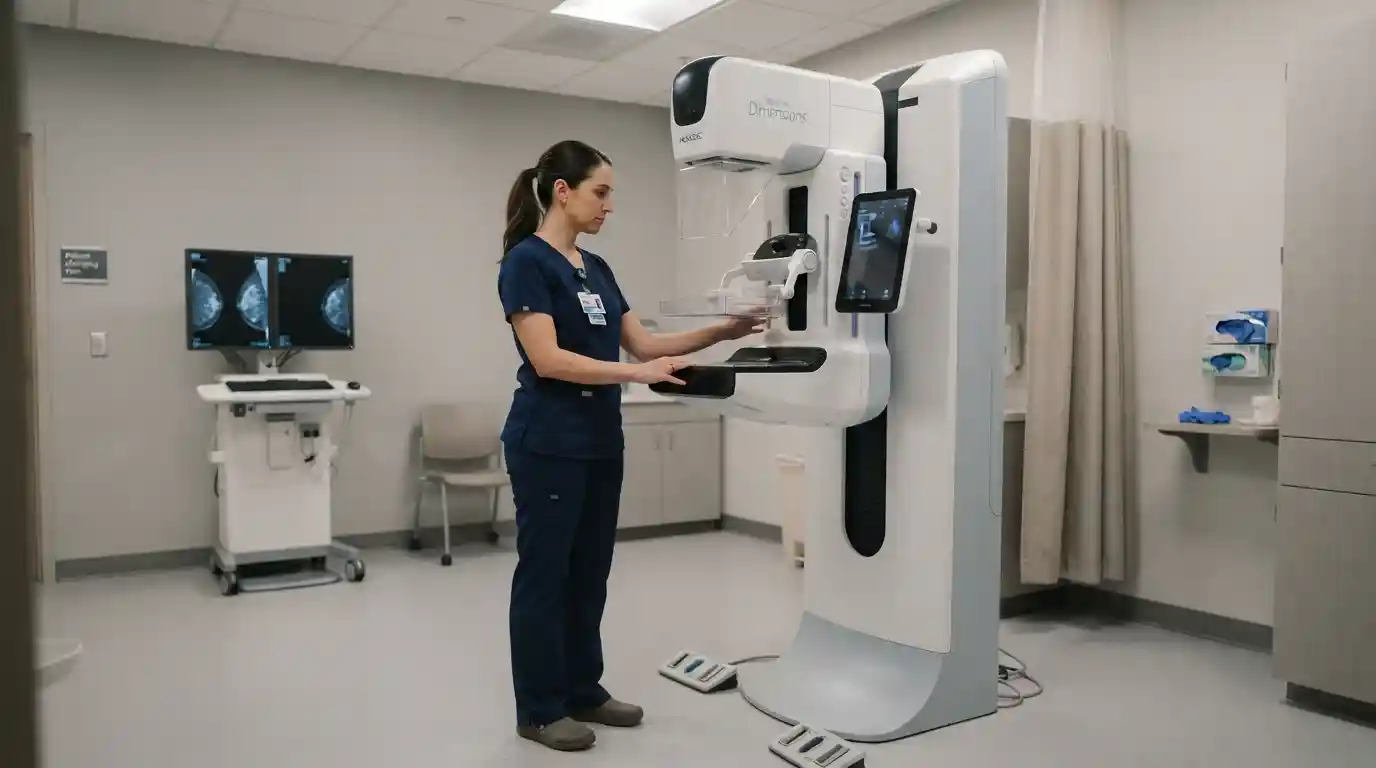
In 2024, compensation for travel mammography technologists varied considerably depending on location, experience, credentials, assignment length, shift requirements, and the structure of the travel package. Salary is only one part of the picture. Housing support, travel reimbursement, stipends, overtime, health coverage, and other benefits can materially affect the total value of an assignment.
This guide explains what a travel mammography tech does, how much these professionals can earn, what affects their pay, what qualifications are typically required, and how to evaluate a travel assignment beyond the advertised weekly rate.
What Is a Travel Mammography Technologist?
A travel mammography technologist is a radiologic technologist who specializes in mammographic imaging and accepts temporary assignments at healthcare facilities. Instead of remaining permanently employed at one hospital or imaging center, the technologist may work in different cities for contracts that commonly last several weeks or months.
The role combines the technical responsibilities of mammography with the flexibility associated with travel healthcare. The technologist may operate digital mammography equipment, position patients, obtain diagnostic-quality images, follow radiation-safety procedures, document examinations, and work closely with radiologists and other members of the imaging team.
Travel professionals may also encounter different equipment, workflows, patient populations, and facility procedures from one assignment to another. That makes adaptability an important part of the job.
For a broader look at healthcare environments and professional care, readers may also explore home health services and patient support.
Travel Mammography Tech Salary in 2024
There was no single nationwide salary that applied to every travel mammography technologist in 2024. Compensation depended heavily on the assignment and the way the employer or staffing agency structured taxable wages and additional travel benefits.
Industry salary estimates for 2024 placed travel mammography technician compensation in the general range of approximately $87,000 per year, although actual offers could fall substantially below or above that level depending on circumstances. Weekly travel contracts could also look very different from a conventional permanent salary because a package may combine taxable hourly wages with stipends and reimbursements.
For comparison, U.S. labor data for radiologic technologists and technicians showed an average annual wage of about $79,760 in 2024. Mammography is a specialized area within radiologic technology, while travel assignments can add compensation components that are not reflected in a standard occupational wage figure.
This distinction is important: comparing a travel contract’s headline weekly amount directly with a permanent employee’s annual salary can produce a misleading result if housing, meals, travel reimbursement, insurance, overtime, or other benefits are treated differently.
How Travel Mammography Pay Is Usually Structured
A travel mammography assignment can contain several compensation components. Understanding each one makes it easier to compare two offers accurately.
1. Base or Taxable Pay
The taxable portion generally represents the hourly wage paid for the hours worked under the contract. It can vary based on location, facility demand, experience, shift, and contract terms.
2. Housing Support
Some travel assignments provide housing directly, while others provide a housing stipend. The value of housing support can make a major difference in the practical value of an assignment, particularly in expensive metropolitan areas.
3. Meals and Incidentals
Eligible travel professionals may receive additional allowances intended to help cover meals and incidental expenses. The exact structure depends on the contract and applicable rules.
4. Travel Reimbursement
Some contracts include reimbursement for transportation to and from the assignment. Others may provide a fixed travel allowance. Always check whether travel expenses are reimbursed separately or included in the advertised package.
5. Overtime and Differentials
Night shifts, weekends, holidays, overtime, and certain high-demand assignments can change the total amount earned. A lower base rate does not necessarily mean a lower total package if the assignment has substantial additional compensation.
What Factors Affect a Travel Mammography Tech Salary?
Experience
Experience can influence both the jobs available to a technologist and the compensation offered. Experienced professionals may be better positioned for assignments involving advanced equipment, specialized workflows, or facilities with greater staffing needs.
Professionals exploring additional healthcare career pathways may also find value in understanding medical scribe clinical experience and how different healthcare roles fit into the wider medical environment.
Certification and Specialized Training
Mammography requires specialized knowledge beyond general radiography. Employers may look for appropriate radiologic credentials, mammography-specific qualifications, documented experience, and familiarity with the equipment used at the facility.
ARRT’s mammography credentialing pathway is one example of the professional specialization available to radiologic technologists. Federal mammography regulations also establish personnel qualification requirements for individuals performing mammographic procedures.
Location
Geography can have a major effect on travel compensation. Facilities in areas with staffing shortages may offer stronger packages to attract qualified professionals. At the same time, a high weekly rate in an expensive city may not produce more disposable income than a lower rate in a less expensive location.
Assignment Length
Contract length can influence the structure of a travel package. Longer assignments may provide more predictable income, while shorter assignments may offer different rates or incentives depending on market demand.
Shift and Schedule
Daytime schedules are not always compensated in the same way as nights, weekends, or holidays. Before accepting an assignment, confirm the expected schedule rather than evaluating the compensation figure alone.
Travel Mammography Tech Salary vs. Permanent Mammography Pay
Travel work is often discussed as a way to earn more than a permanent position, but the comparison requires more than looking at annual salary.
A permanent employee may receive a predictable salary, paid time off, retirement contributions, health insurance, and other employer benefits. A travel technologist may receive a higher overall package but may also face periods between contracts, relocation expenses, different benefit structures, and the practical costs of temporary housing.
The right comparison is therefore the total compensation package, not simply the advertised weekly amount.
Professionals interested in healthcare-related expenses can also review how healthcare costs can vary without insurance to better understand why benefits and insurance coverage matter when evaluating employment packages.
Benefits Commonly Included in Travel Healthcare Assignments
Depending on the staffing company and contract, travel mammography technologists may have access to some combination of:
- Health insurance
- Dental and vision coverage
- Retirement plans
- Housing assistance or housing stipends
- Travel reimbursement
- Licensing assistance
- Continuing education support
- Referral bonuses
- Completion bonuses
- Overtime opportunities
- Paid or unpaid time between assignments depending on the employer
Benefits differ significantly between employers, so the written contract should be reviewed carefully before making a decision.
Healthcare professionals interested in broader care models can also read about comprehensive healthcare services and health center services.
Education and Credential Requirements
The exact requirements vary by employer and state, but a person pursuing mammography technology generally needs an appropriate radiologic technology education and professional credentials before moving into specialized mammography work.
Education commonly includes subjects such as anatomy, patient care, radiation physics, radiation protection, image evaluation, and clinical practice. Specialized mammography training builds on that foundation.
ARRT’s postprimary mammography pathway, for example, requires an appropriate supporting credential in radiography along with structured education, clinical experience, and examination requirements.
Anyone researching healthcare education options can also explore adult education and employment pathways or professional learning opportunities.
Understanding MQSA Requirements
Mammography is a regulated area of medical imaging. In the United States, the Mammography Quality Standards Act establishes federal quality standards for mammography facilities and personnel.
For technologists, this means that appropriate training, certification or licensure, continuing experience, and other qualification requirements can be important parts of maintaining eligibility to perform mammography procedures.
Digital breast tomosynthesis, commonly known as 3D mammography, can also involve modality-specific training requirements. Because regulations and credentialing requirements can change, professionals should verify the current requirements applicable to their assignment rather than relying on an old checklist.
The importance of specialized healthcare training can be seen across other medical fields as well, including the professional healthcare expertise discussed in modern healthcare practice.
Where Travel Mammography Technologists Can Work
Travel mammography professionals may work in hospitals, outpatient imaging centers, women’s health facilities, diagnostic centers, and other healthcare environments that provide mammographic services.
The assignment may involve replacing a staff member on leave, filling a temporary vacancy, supporting seasonal demand, or helping a facility maintain imaging capacity while recruiting permanent staff.
Because travel assignments can take professionals to different communities, adaptability is particularly valuable. A technologist may need to learn a facility’s procedures quickly while maintaining consistent patient care and image-quality standards.
Skills That Can Increase Your Value as a Travel Mammography Tech
Technical competence is essential, but travel employers may also value professionals who can transition quickly between facilities.
- Strong patient communication
- Accurate patient positioning
- Knowledge of mammographic imaging systems
- Radiation-safety awareness
- Attention to image quality
- Ability to work independently
- Adaptability to new workflows
- Clear documentation skills
- Professional communication with radiologists and clinical staff
- Comfort with digital imaging technology
Technology continues to influence healthcare operations, making familiarity with digital systems increasingly useful. Readers interested in broader technology-driven changes can also explore digital transformation in business services.
How to Evaluate a Travel Mammography Contract
Before accepting an assignment, create a complete compensation comparison. Consider the following:
- Hourly taxable rate: Determine exactly what you will earn for regular hours.
- Expected weekly hours: Confirm whether the schedule is guaranteed or based on facility needs.
- Housing: Determine whether housing is provided or paid as a stipend.
- Travel reimbursement: Check the amount and payment conditions.
- Overtime: Ask how overtime is calculated.
- Shift differentials: Confirm additional compensation for nights, weekends, or holidays.
- Benefits: Review insurance, retirement, and other benefits.
- Licensing: Determine whether the agency assists with state licensing.
- Cancellation policy: Understand what happens if the facility cancels the assignment.
- Extension terms: Ask how compensation changes if the facility wants to extend the contract.
Professionals comparing career opportunities can also consider broader employment and professional-development topics such as career opportunities and specialized jobs.
Pros and Cons of Travel Mammography Work
Potential Advantages
- Opportunity to work in different cities and healthcare environments
- Potentially competitive total compensation
- Exposure to different imaging systems and workflows
- Professional networking opportunities
- Ability to experience temporary relocation without committing permanently
- Potential access to housing and travel benefits
Potential Challenges
- Frequent relocation
- Temporary housing arrangements
- Periods between assignments
- Different facility policies and expectations
- Licensing requirements that vary by state
- Potentially demanding schedules
- Being away from family or an established community
The lifestyle side of travel work is worth considering alongside compensation. A higher package may not be attractive if housing costs, commuting, schedule demands, or relocation requirements make the assignment impractical.
Travel Mammography Tech Salary: What Can You Expect?
For 2024, a reasonable way to think about travel mammography compensation is as a combination of professional salary and assignment-specific benefits rather than a single fixed number.
Specialized mammography skills can make qualified technologists valuable to facilities with staffing needs, while travel contracts can add housing, travel, and other compensation components. At the same time, actual earnings can vary widely between assignments.
The best way to compare opportunities is to calculate the estimated total value of each contract after considering taxable wages, stipends, housing, insurance, travel expenses, overtime, and expected working hours.
Healthcare professionals should also remember that compensation is only one part of long-term career development. Continuing education, specialized credentials, professional experience, and exposure to advanced imaging environments can all contribute to future opportunities.
Final Thoughts
A travel mammography tech salary in 2024 could be attractive for qualified professionals who value mobility and temporary assignments, but the actual financial outcome depended heavily on the contract. Base pay, stipends, housing, travel reimbursement, overtime, location, credentials, and experience all played a role.
Before accepting a contract, review the complete compensation package rather than focusing on the headline weekly figure. Confirm the schedule, licensing requirements, housing arrangement, benefits, cancellation terms, and expected expenses.
For additional healthcare and wellness reading, explore health and wellness resources, medical clinic services, and healthcare website and digital-service trends.
Ultimately, travel mammography can provide both professional variety and competitive earning potential, but the value of each opportunity should be assessed on its complete terms and how well it fits the technologist’s career and lifestyle goals.



