
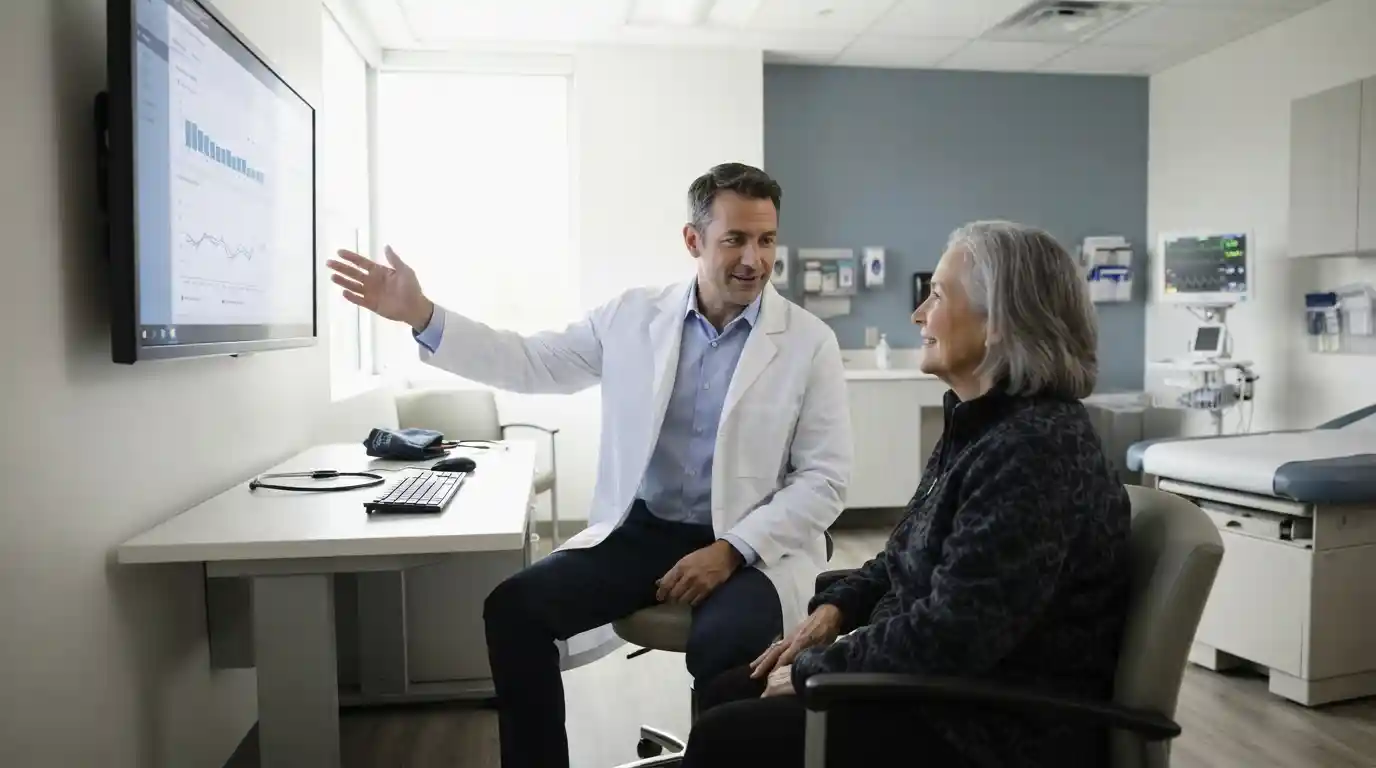
Dr. Peter McQuiller is presented as an example of this modern approach to healthcare, bringing together clinical expertise, technology adoption, multidisciplinary collaboration, medical education, and a strong emphasis on empathy. His approach reflects a broader transformation taking place across the healthcare sector.
Healthcare is no longer defined only by diagnosis and treatment. It increasingly involves digital systems, coordinated care, preventive strategies, communication, data management, and a deeper understanding of individual patient needs.
This article explores the key principles associated with Dr. Peter McQuiller’s healthcare philosophy and explains why these ideas remain relevant to the future of modern medicine.
Clinical Expertise as the Foundation of Modern Healthcare
Strong healthcare begins with sound clinical knowledge. Medical professionals need a combination of education, practical experience, analytical thinking, and the ability to make informed decisions in complex situations.
The profile of Dr. Peter McQuiller emphasizes the importance of combining technical medical knowledge with a genuine understanding of the patient. This approach recognizes that healthcare decisions can affect not only physical health but also emotional wellbeing, family life, work, and long-term quality of life.
Clinical excellence therefore requires more than knowing medical procedures. It involves understanding individual circumstances, communicating effectively, identifying potential risks, and developing appropriate care strategies.
This broader perspective is particularly important as healthcare organizations address increasingly complex patient needs and demand greater coordination between different professionals.
For readers interested in wider healthcare services, home health services and patient support provide another example of how modern care can extend beyond traditional clinical environments.
Technology Is Reshaping Healthcare Delivery
One of the most significant developments in modern medicine is the growing role of technology. Digital records, diagnostic systems, data analysis, telemedicine, and other healthcare technologies can help professionals manage information and improve communication.
The effective use of technology does not mean replacing healthcare professionals. Instead, technology can provide tools that help clinicians make better-informed decisions and spend more time focusing on patients.
Digital Health and Better Information Management
Healthcare generates enormous amounts of information. Medical histories, test results, treatment plans, prescriptions, imaging data, and follow-up records all contribute to a patient’s overall care journey.
Well-designed digital systems can make this information easier to access and organize. They can also support communication between healthcare professionals when patients receive treatment from multiple providers.
This principle connects with the broader discussion around digital transformation in business services, where organizations increasingly use technology to improve workflows and service delivery.
Healthcare institutions can apply similar modernization principles while maintaining the security, privacy, and professional standards required for medical information.
Telemedicine and Accessible Care
Telemedicine has also changed how patients interact with healthcare professionals. Virtual consultations can provide another way for people to access medical advice, particularly when travel, distance, mobility, or other circumstances make traditional appointments difficult.
However, technology works best when it supports rather than complicates the patient experience. A successful digital healthcare model should remain easy to understand, accessible, secure, and focused on genuine clinical needs.
Patient-Centered Care Should Remain at the Core
Technology and clinical innovation are valuable, but healthcare ultimately exists to serve people. Patient-centered care places individual needs, preferences, concerns, and circumstances at the center of medical decision-making.
The approach associated with Dr. Peter McQuiller emphasizes the importance of treating patients as complete individuals rather than simply as medical cases.
Patient-centered healthcare can include clear communication, active listening, shared decision-making, respect for patient preferences, and appropriate follow-up. These elements can help patients better understand their treatment and participate more confidently in their own care.
The importance of communication becomes particularly clear when considering wider discussions about mental health and support for younger patients. Different patient groups can have very different communication needs, making personalized care increasingly important.
Healthcare organizations can also learn from specialized services such as comprehensive healthcare solutions, where accessibility and coordinated support are central considerations.
Multidisciplinary Collaboration Improves Care
Many modern health conditions cannot be addressed effectively by one healthcare professional working alone. Patients may need physicians, nurses, therapists, specialists, pharmacists, technicians, and other professionals to contribute to their care.
Effective collaboration helps ensure that important information moves between members of the care team. It can also reduce unnecessary duplication and make treatment planning more coordinated.
This concept is not unique to medicine. Complex organizations across different industries rely on coordinated systems and clearly defined workflows. The principles discussed in logistics management and supply chain coordination demonstrate how communication and process organization can influence overall performance.
Healthcare requires the same attention to coordination, although medical environments naturally involve much higher considerations around patient safety and professional responsibility.
The Growing Importance of Medical Technology
Modern healthcare increasingly depends on technology for diagnosis, administration, communication, and patient management. As these systems develop, medical professionals need to understand not only clinical practice but also how digital tools affect healthcare workflows.
The relationship between medicine and technology is particularly visible in areas such as electronic health records, remote monitoring, diagnostic imaging, clinical data analysis, and telehealth.
Healthcare organizations exploring technology-driven improvements may also benefit from understanding broader enterprise IT integration strategies. Although healthcare has unique requirements, the underlying challenge of connecting systems and people remains relevant.
Innovation also depends on organizations being willing to evaluate new ideas carefully. Discussions around business innovation and emerging technology illustrate how technological change can influence organizational thinking.
Medical Education and Mentorship
The future of healthcare depends on the professionals entering the field today. Medical education therefore extends beyond textbooks and examinations. Future clinicians need opportunities to develop clinical judgment, communication skills, ethical awareness, and practical experience.
Mentorship can play an important role in this development. Experienced healthcare professionals can help younger clinicians understand how to approach difficult cases, communicate with patients, work within multidisciplinary teams, and continue learning throughout their careers.
Medical careers also continue to diversify. Professionals may move into clinical practice, research, administration, education, diagnostics, public health, or specialized technical roles.
For example, understanding career pathways in healthcare can be supported by exploring topics such as medical scribe experience and clinical careers.
Healthcare education must therefore prepare professionals for a field that continues to evolve rather than simply training them for today’s systems.
Empathy Is an Essential Part of Healthcare
Medical expertise and technology cannot replace human connection. Patients often seek healthcare during some of the most uncertain or vulnerable periods of their lives.
Empathy allows healthcare professionals to understand those concerns and communicate in a way that respects the patient’s circumstances. Listening carefully can also help clinicians identify information that may not be obvious from medical tests alone.
Patient trust is particularly important when discussing complex treatment options, chronic conditions, or emotionally difficult diagnoses.
Healthcare organizations can also learn from specialized mental-health services. Resources such as mental health care and compassionate support demonstrate the importance of combining professional expertise with an understanding of individual experiences.
Similarly, mental health and recovery services highlight how ongoing support can become an important part of a person’s overall healthcare journey.
Preventive Healthcare and Long-Term Wellbeing
Modern medicine is increasingly concerned with prevention as well as treatment. Preventive healthcare focuses on identifying risks early, encouraging healthy behaviors, supporting screening, and helping patients manage conditions before they become more serious.
Everyday habits can influence overall wellbeing. Nutrition, physical activity, sleep, stress management, and access to appropriate healthcare all contribute to a person’s long-term health.
Even seemingly simple lifestyle decisions can become part of a broader health discussion. For example, nutrition and mental wellbeing demonstrate how physical and psychological health can intersect.
A modern healthcare strategy therefore needs to consider the complete patient journey rather than focusing exclusively on isolated appointments or individual symptoms.
Healthcare Requires Continuous Innovation
Healthcare systems operate in an environment where knowledge, technology, demographics, and patient expectations are constantly changing. What works effectively today may need to be improved tomorrow.
Continuous improvement allows medical organizations to identify inefficient processes, evaluate new technologies, improve patient communication, and strengthen professional development.
The same principle appears across technology-focused organizations. Discussions about technology-driven efficiency and innovation show how organizations can use new tools while continuously reviewing how their systems perform.
Healthcare leaders must apply this mindset carefully. Innovation should be evaluated according to clinical value, patient safety, accessibility, cost, usability, and ethical considerations rather than simply adopting technology because it is new.
The Role of Healthcare Leadership
Healthcare leadership involves more than managing people or budgets. Leaders influence organizational culture, professional standards, patient experience, technology adoption, and the direction of future development.
A strong healthcare leader needs to understand the realities faced by clinicians while also considering the expectations of patients, administrators, policymakers, and communities.
This makes leadership especially important as healthcare organizations undergo digital transformation. Strategic planning and operational improvement must work together with clinical priorities.
The broader relationship between technology, organizations, and strategic change can also be seen in industrial innovation and efficiency and the evolution of smart technology.
Healthcare and the Importance of Reliable Services
Patients expect healthcare services to be reliable, understandable, and responsive. Small failures in communication or organization can create unnecessary frustration, especially when people are already dealing with health concerns.
This is why service quality should be considered alongside clinical expertise. A healthcare experience involves appointments, communication, records, follow-up, accessibility, and interactions with multiple members of an organization.
The wider service sector offers useful lessons about reliability and customer trust. For example, service quality and customer trust illustrate how consistency can influence people’s perceptions of an organization.
Healthcare requires an even stronger commitment because the quality of service can directly influence a patient’s experience and ability to engage with care.
The Future of Modern Healthcare
The future of healthcare will likely involve an increasingly connected relationship between clinical expertise, digital systems, personalized care, preventive medicine, and multidisciplinary collaboration.
Artificial intelligence, remote healthcare technologies, advanced diagnostics, digital records, and data-driven decision-making may continue to reshape healthcare operations. At the same time, the importance of human judgment, empathy, ethics, and communication will remain.
Healthcare organizations will need to find the right balance between technological efficiency and human-centered service. The objective should not simply be to digitize existing processes but to use innovation to create better experiences and outcomes for patients.
This broader transformation can be compared with developments in other sectors, including emerging artificial intelligence applications and digital transformation strategies. Healthcare, however, must approach these technologies with additional attention to safety, privacy, professional responsibility, and patient needs.
Frequently Asked Questions
Who is Dr. Peter McQuiller?
Dr. Peter McQuiller is presented in this profile as a healthcare professional whose approach combines clinical expertise, patient-centered care, medical education, technology, and healthcare modernization.
Why is patient-centered care important?
Patient-centered care recognizes that effective healthcare should consider individual needs, communication preferences, circumstances, and treatment goals rather than focusing only on a diagnosis.
How can technology improve healthcare?
Technology can support healthcare through digital records, improved information management, telemedicine, diagnostic tools, remote monitoring, and data-supported decision-making.
Why is medical mentorship valuable?
Mentorship gives developing healthcare professionals opportunities to learn from experienced practitioners, strengthen clinical judgment, improve communication, and understand the broader responsibilities of medical practice.
Will technology replace the human side of healthcare?
Technology can automate and support many processes, but healthcare still depends heavily on human judgment, empathy, communication, ethical reasoning, and professional responsibility.
Conclusion
Dr. Peter McQuiller’s profile reflects a broader transformation taking place across modern healthcare. Clinical expertise remains essential, but today’s healthcare environment also demands technological awareness, coordinated care, effective leadership, continuous education, and genuine empathy.
The strongest healthcare systems will be those that use innovation without losing sight of the people they serve. Technology can improve access and efficiency, while patient-centered communication and professional compassion help ensure that modernization remains meaningful.
As healthcare continues to evolve, the combination of medical expertise, responsible innovation, multidisciplinary collaboration, and human-centered care will remain central to building a more responsive and effective healthcare environment.