Introduction to Sword Canes and Their Intrigue
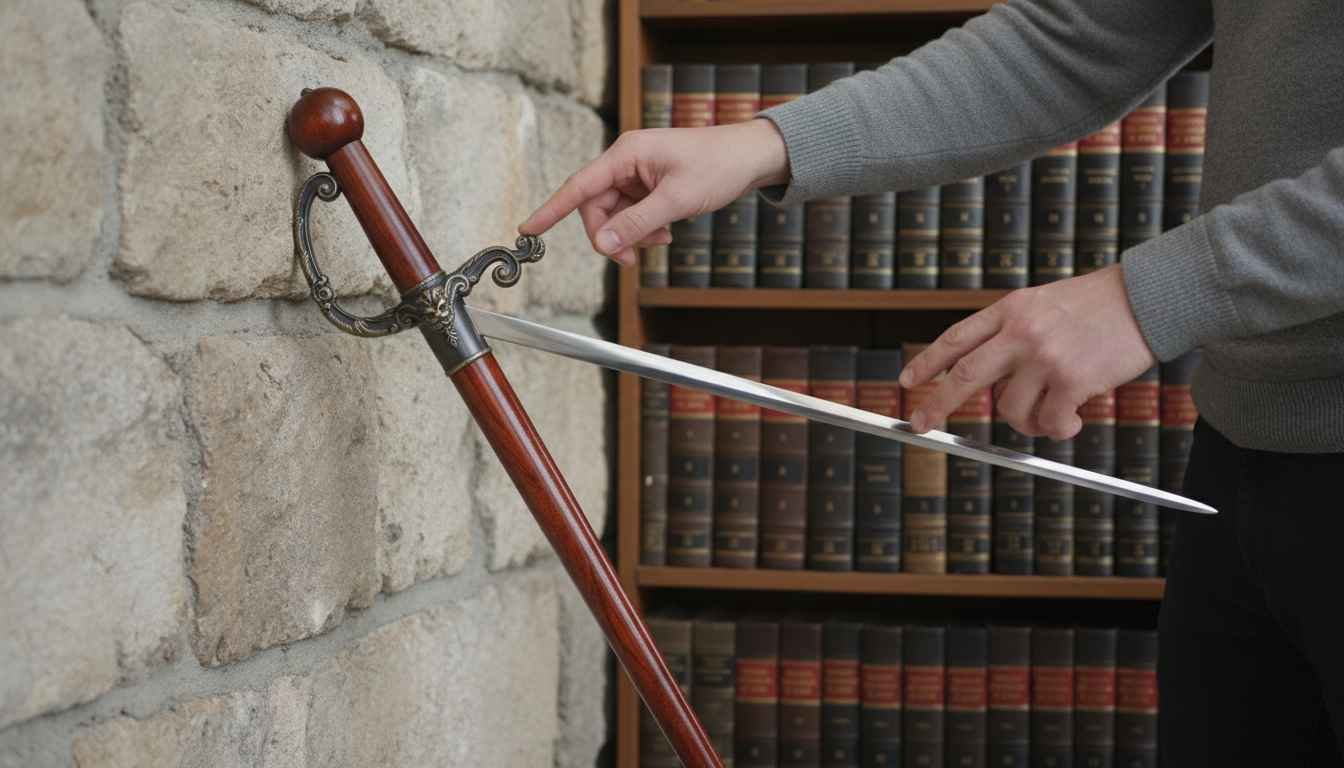
The world of concealed weapons carries an air of mystery and historical fascination, and among these, the sword cane stands out as a uniquely intriguing item. A sword cane is essentially a walking cane with a hidden blade inside, merging elegance, practicality, and latent danger in one object. For centuries, sword canes have symbolized sophistication and subtle power, appearing in Victorian novels, period films, and historical accounts of dueling. However, their allure comes with a cloud of legal uncertainty, as the question “are sword canes legal?” is far from straightforward. Understanding the laws surrounding these concealed blades is crucial for enthusiasts, collectors, and those considering their purchase. The intersection of legality, historical charm, and personal safety creates a complex landscape that requires careful navigation.
The Legal Landscape of Sword Canes
When examining the legality of sword canes, one must consider the patchwork of local, state, and federal laws that govern concealed weapons. In many countries and U.S. states, sword canes fall under the category of prohibited or restricted concealed weapons. The key factor is the intent and concealment: carrying a blade hidden within an everyday object is treated differently than openly carrying a traditional sword. For instance, in states like California and New York, concealed sword canes are often illegal due to their potential use as a weapon, while openly displayed or registered blades may be permissible. Legal experts and law enforcement agencies often warn that ignorance of these regulations is no defense in court. This uncertainty amplifies the urgency for prospective owners to research thoroughly and consult verified sources, licensed retailers, or legal professionals before purchasing a sword cane.
Historical Context and Modern Implications
Sword canes have a storied past, originating as fashionable accessories for gentlemen in the 18th and 19th centuries. They were both a status symbol and a practical tool for self-defense during eras when dueling and personal defense were part of everyday life. Today, while the fashion aspect has largely faded, the legacy of concealment and personal security remains. Modern collectors prize sword canes for their craftsmanship, rarity, and historical authenticity. Yet, the juxtaposition of elegance and danger underscores the need for vigilance. A seemingly innocuous cane can transform into a serious legal liability, especially in public spaces or jurisdictions with strict blade laws. Enthusiasts often share experiences on forums and collector communities, emphasizing the importance of meticulous compliance with local regulations to avoid fines, confiscation, or even criminal charges.
State-by-State Differences in the U.S.
The United States presents a complex and fragmented legal environment regarding sword canes. Some states explicitly ban the possession of any concealed bladed weapon, including sword canes, while others allow them under specific conditions, such as open display, registration, or size limitations. For example, Texas has nuanced regulations where certain types of knives are legal but concealed blades may trigger felony charges. Florida similarly restricts concealed weapons but may permit certain collectibles. This variability creates a minefield for travelers and collectors, who must verify laws in every state they enter. Legal practitioners advise maintaining documentation, including purchase receipts, manufacturer details, and proof of collector intent, as this can demonstrate compliance with lawful ownership and reduce legal risks during inspections or encounters with law enforcement.
Potential Risks of Owning a Sword Cane
Owning a sword cane carries inherent risks beyond legal implications. The very nature of concealment creates liability in situations where self-defense may escalate to criminal investigation. Accidental injuries are another concern; improper handling or mechanical failure of the retractable blade can result in serious harm. Additionally, transporting sword canes through airports, schools, or government buildings is often strictly prohibited and can lead to arrest. The stakes are high, creating a tangible sense of urgency for anyone considering acquisition. Responsible owners mitigate these risks by storing the cane securely, ensuring that only trained individuals handle it, and using professional-grade cases or safes. Trusted vendors and licensed retailers often provide guidance and safety instructions, emphasizing the necessity of informed, deliberate ownership.
Practical Uses Beyond Self-Defense
While sword canes are primarily recognized as weapons, they offer practical applications that extend into fashion, collection, and historical reenactment. For collectors, sword canes represent a tangible connection to history, artistry, and mechanical ingenuity. They are often displayed in glass cases, examined for craftsmanship, and appreciated for their ornate handles, engraved blades, or unique mechanisms. Enthusiasts attending reenactments, theater productions, or ceremonial events use sword canes as authentic props, blending elegance with narrative authenticity. This dual-purpose nature – both functional and decorative – adds to their appeal, but it also reinforces the importance of understanding and respecting legal boundaries. Knowledgeable collectors treat these items with reverence, combining aesthetic appreciation with legal mindfulness.
Verified Sources and Industry Insights
Consulting verified sources is essential for anyone navigating the question “are sword canes legal.” Industry experts, licensed dealers, and reputable online communities provide critical information on local regulations, safe handling, and secure purchasing options. Trusted websites and forums often include links to state statutes, case law, and compliance guides, ensuring that potential buyers have accurate and up-to-date information. Verified user experiences demonstrate both the benefits and pitfalls of sword cane ownership, emphasizing real-world consequences of negligence. Licensed retailers often offer warranties, secure shipping, and responsive customer support, ensuring that buyers receive legal, quality products. By relying on authoritative sources and transparent sellers, collectors and enthusiasts minimize risk and reinforce safe, responsible ownership practices.
Security, Licensing, and Safe Ownership
Proper security and licensing are paramount when owning a sword cane. Many jurisdictions require registration, special permits, or proof of collector status. Even in regions where ownership is legal, transporting the cane without proper precautions can result in confiscation or criminal charges. Owners should invest in locking cases, safe storage, and routine maintenance to prevent accidents. Security measures, such as tamper-proof locks or trigger guards, can reduce the likelihood of injury, theft, or misuse. Additionally, licensed retailers and verified distributors often provide training materials, tutorials, and guidelines for safe usage. Prioritizing security not only ensures legal compliance but also enhances the longevity and integrity of these unique collectibles, transforming potential liability into a responsible hobby or investment.
Real-World Scenarios and FOMO-Driven Urgency
Consider a collector browsing an exclusive auction of antique sword canes. The room is charged with tension, the scent of polished wood and metal mingling in the air. Each item is unique, some dating back centuries, adorned with intricate engravings, and offering a rare opportunity to own a piece of history. The fear of missing out (FOMO) is palpable – wait too long, and the chance disappears, replaced by disappointment. Yet, without understanding the legal implications, this excitement could lead to fines or confiscation. Successful collectors balance the thrill of acquisition with meticulous legal research, ensuring that excitement does not transform into crisis. Verified accounts from enthusiasts illustrate both the rush of acquiring rare pieces and the necessity of due diligence, blending sensory engagement with informed responsibility.
Conclusion and Call-to-Action
In conclusion, the question “are sword canes legal?” demands careful consideration, research, and respect for the law. These elegant, historically rich items offer fascination, practical use, and collectible value but come with significant legal and safety responsibilities. Prospective owners must navigate state laws, secure proper storage, and rely on verified, licensed sources to minimize risks. For collectors, historians, and enthusiasts, this is not merely a purchase but an investment in craftsmanship, legacy, and personal responsibility. Act now to explore licensed dealers, secure rare pieces, and immerse yourself in the rich world of sword canes while staying fully compliant and protected. Your chance to own a rare, historically significant, and meticulously crafted sword cane is fleeting – seize it responsibly today.