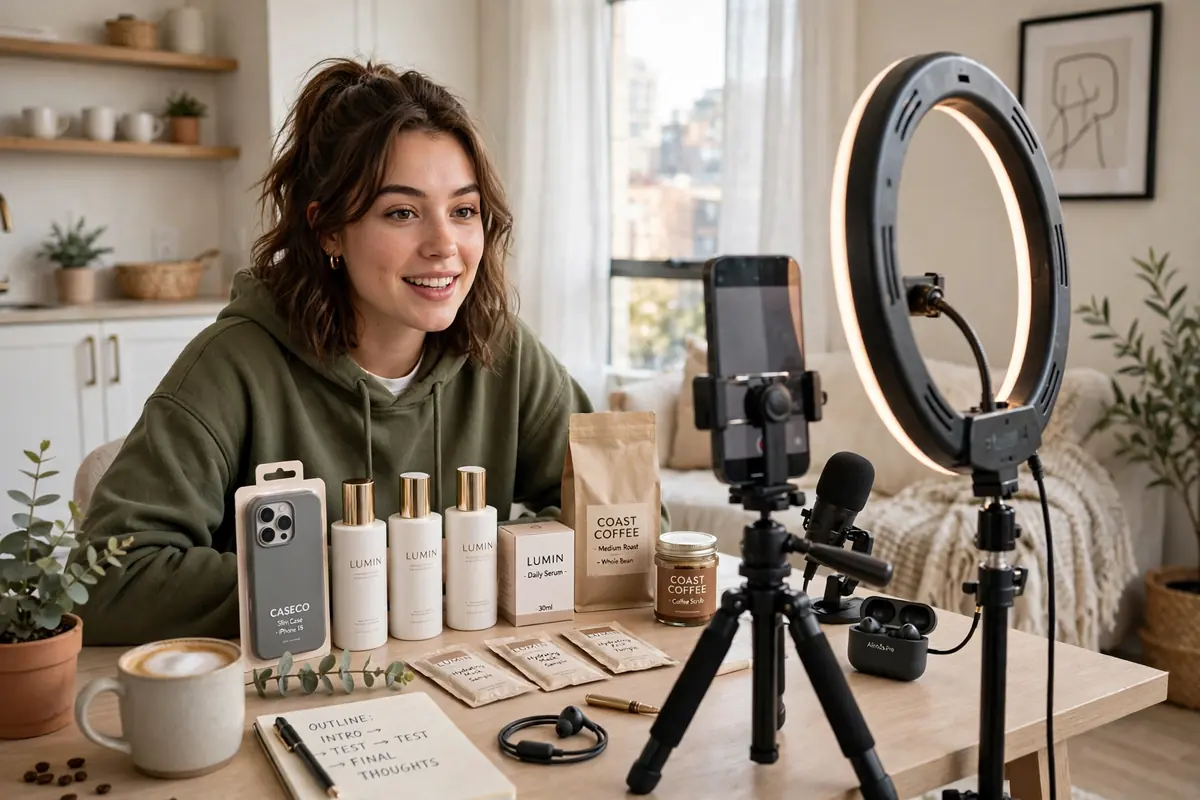
Scroll through any social feed and you will see them: a creator you follow recommends a skincare brand, a gadget, or a meal kit, and it feels more like advice from a friend than an ad. That is influencer marketing at work. If you have wondered what is influencer marketing and what it actually costs, this guide explains the model, the pricing, and how small businesses can use it without wasting money.
What Is Influencer Marketing?
Influencer marketing is a partnership between a brand and a content creator who has an engaged audience in a specific niche. The creator promotes the brand’s product or service in their own voice, through posts, videos, stories, or live sessions, and the brand pays in money, products, commissions, or a mix of all three.
It works because of trust. Followers chose to listen to this person, often for months or years. A recommendation from them carries weight that a banner ad cannot buy, which is why influencer spending keeps growing inside every serious digital marketing strategy for small businesses and large brands alike.
The Main Types of Influencers
- Nano influencers (roughly 1,000–10,000 followers): tiny but tightly connected audiences; often neighbors, hobbyists, and local voices.
- Micro influencers (10,000–100,000): niche experts with strong engagement and affordable rates.
- Mid-tier influencers (100,000–500,000): established creators who run their channels as businesses.
- Macro influencers (500,000–1 million+): broad reach, professional management, and pricing to match.
- Celebrities: famous names whose endorsements function more like traditional advertising.
For most small and mid-sized brands, nano and micro influencers deliver the best value. Their audiences trust them like friends, their content feels genuine, and their fees fit real budgets. This is the same value-first thinking that shapes the playbook for high-growth advertising firms: buy trust and relevance, not just raw reach.
How Much Does Influencer Marketing Cost?
Prices vary widely by platform, niche, audience size, and the work involved, so treat any figures as general ranges rather than quotes. As a rough guide in the US market, a single post from a nano influencer may cost little more than free product, while micro influencers commonly charge from around a hundred dollars to several hundred per post. Mid-tier creators often charge in the low thousands, and macro influencers and celebrities can command five or six figures for a single placement.
Several factors move the price. Video usually costs more than a static post because it takes longer to produce. Usage rights, where the brand reuses the creator’s content in its own ads, add cost, as do exclusivity clauses that block the creator from working with competitors. Smart brands budget for these extras upfront, the way careful owners in studies of digital marketing ROI strategy plan total campaign cost rather than headline price.
Other Ways Influencers Get Paid
Cash fees are only one model. Many brands pay with free products, especially for smaller creators testing a partnership. Affiliate arrangements pay commission on sales tracked through the creator’s link or code, which aligns everyone’s incentives. Long-term ambassador deals pay a retainer for regular content over months, usually at a better rate than one-off posts.
Hybrid deals are common: a modest fee plus commission, for example. For a first collaboration, a hybrid or product-plus-commission arrangement limits your risk while you learn what a creator’s audience is worth to you. This staged approach suits businesses at every size, from local shops to firms managing a global digital marketing strategy.
How to Run Your First Influencer Campaign
Step 1: Define the Goal
Decide what success looks like before contacting anyone: sales of one product, email signups, app downloads, or simple awareness in a new city. Your goal determines which creators you pick and how you measure them. Vague goals produce vague results.
Step 2: Find the Right Creators
Search hashtags and topics in your niche, check who your customers already follow, and look at who promotes complementary, non-competing products. Read comments, not just follower counts; real conversation signals a real audience. Fit matters more than size, a principle running through all of small business excellence in digital marketing.
Step 3: Vet Before You Pay
Check engagement quality, audience location, and past brand work. Sudden follower spikes, generic comments, and audiences in the wrong country are warning signs. Ask for screenshots of audience insights for any serious spend, and start with a small test post before committing to a package.
Step 4: Brief Clearly, Then Let Them Create
Give the creator your key messages, must-mention points, deadlines, and disclosure requirements, then step back. Their voice is what you are buying. Content that sounds like your ad copy will underperform and annoy everyone. This trust-the-creator balance is also what makes marketing automation work in other channels: set the system up well, then let it do its job.
Step 5: Measure and Decide
Track the agreed metrics: reach, engagement, clicks, and sales through codes or links. Compare creators honestly, pay promptly, and move budget toward whoever delivers. Keep the best creators close with regular work; long relationships outperform one-off experiments.
Influencer Marketing for Local Businesses
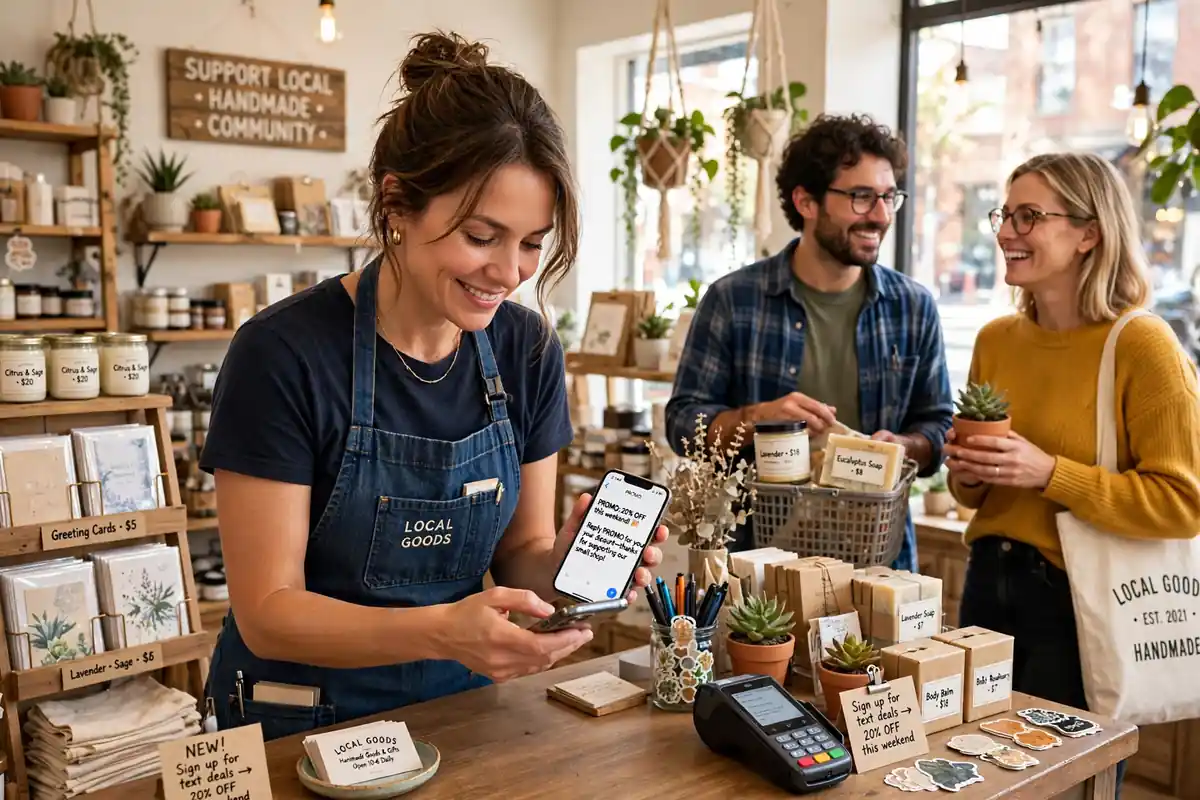
Influencer marketing is not reserved for national brands with big budgets. A neighborhood restaurant can invite a local food creator for a tasting and reach thousands of nearby diners for the cost of a meal. A boutique can partner with a hometown fashion voice whose followers actually drive past the store. Local creators convert because their audience is not an abstract demographic; it is a community that trusts a familiar face.
The mechanics are the same as any campaign: agree on deliverables in writing, require clear disclosure, and track results with a simple code or booking mention. City-level campaigns like this show up repeatedly in research on digital marketing ROI for Atlanta businesses, where local relevance consistently beats generic reach. Even niche industries see it; entertainment and events brands follow the same pattern when scaling arts and entertainment growth in Atlanta through creator partnerships. If you run a local business, start by listing ten creators within twenty miles whose audiences match your customers, and pitch the one you genuinely admire most.
Building Long-Term Creator Partnerships
One-off posts test the waters, but partnerships build businesses. When a creator’s audience sees your product month after month, familiarity turns into trust and trust turns into habit. Ambassador arrangements also simplify your life: predictable content, better rates, and a creator who learns your brand deeply enough to suggest ideas you would never have briefed.
Treat partners well. Pay on time, share results with them, send new products early, and credit their work when you reuse it, with the agreed rights. Creators talk to each other, and a reputation as a fair, organized brand quietly opens doors that cold outreach cannot. This relationship-first mindset is the human side of advanced digital marketing and business transformation: tools change constantly, but trusted relationships keep compounding.
Disclosure Rules You Must Follow
In the United States, paid partnerships must be disclosed clearly. The creator should mark posts as ads or paid partnerships in a way followers cannot miss, and your contract should require it. Disclosure protects the creator, your brand, and the trust that makes the whole model work. Never ask a creator to hide a sponsorship; the short-term gain is not worth the legal and reputational risk.
Common Mistakes to Avoid
- Choosing by follower count alone. Engagement and audience fit decide results.
- No written agreement. Deliverables, dates, rights, and payment terms belong in writing.
- Scripting every word. You are renting trust, not buying an ad read.
- One post and done. Repetition builds the familiarity that drives sales.
- Ignoring the data. Sentiment is not a metric; track links, codes, and sales.
Brands that avoid these errors treat creators as partners in a wider digital transformation of their business services, not as billboards for hire.
Frequently Asked Questions
Is influencer marketing only for big brands?
No. Local restaurants, boutiques, and service businesses work with neighborhood creators every day, often for the cost of a meal or a modest fee. Local trust converts extremely well.
How do I know if an influencer’s audience is real?
Look for steady growth, comments that reference the content, and engagement that matches the follower count. Ask for audience insight screenshots before larger spends, and always run a small test first.
Which platform is best for influencer marketing?
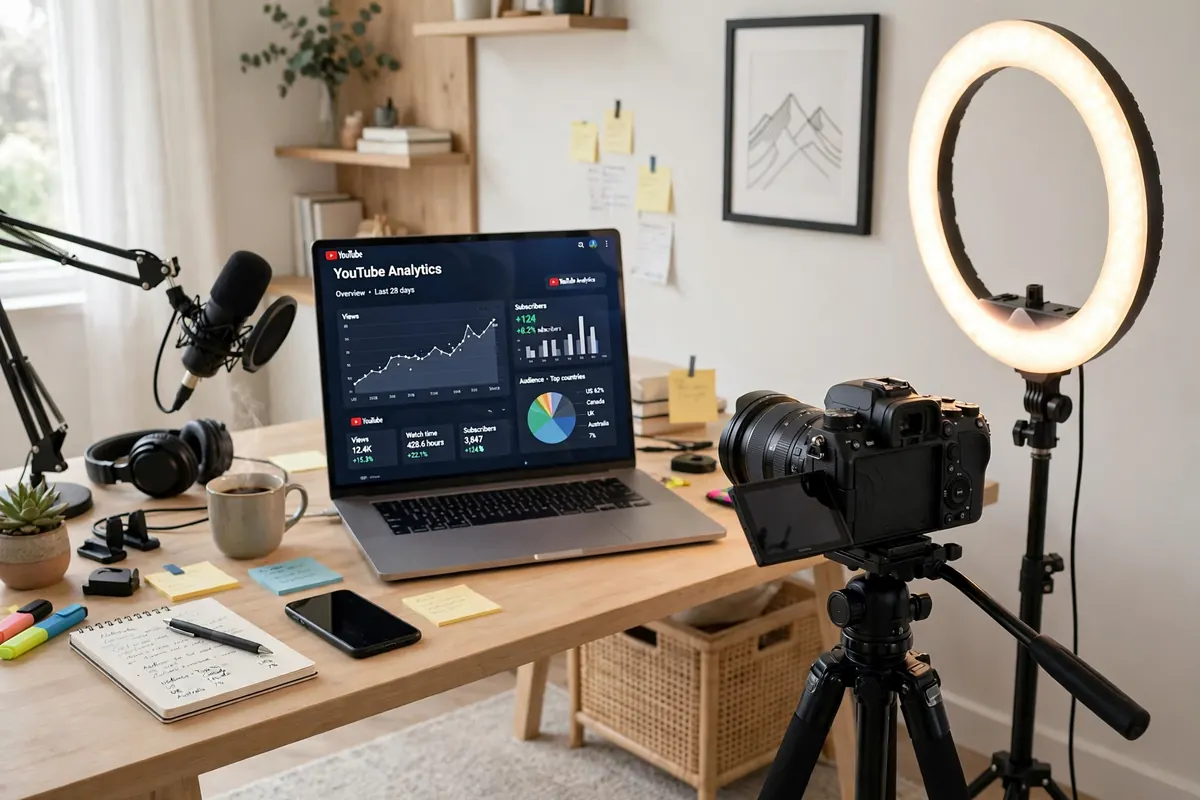
The one where your customers spend time. Short video platforms excel at discovery, image platforms at lifestyle products, and YouTube at detailed reviews and tutorials. Many brands eventually combine channels, similar to how teams master digital marketing across the remote economy.
The Bottom Line
Influencer marketing is paid trust: a creator lends your brand their credibility with an audience that chose to listen. Costs range from free product for tiny creators to six figures for celebrities, but most small businesses succeed in the nano and micro tiers with clear goals, careful vetting, and honest measurement. Start with one small test campaign this month, learn from real numbers, and scale what works. Few channels reward authenticity the way this one does, and fewer still punish faking it so fast.