You can publish a great video and still get almost no views if YouTube cannot figure out who to show it to. That is where YouTube SEO comes in. It is the practice of packaging and describing your videos so YouTube’s search and recommendation systems understand them, trust them, and suggest them to the right viewers.
This guide covers the practical YouTube SEO tips that matter most: keyword research for video, titles and thumbnails that earn clicks, descriptions and chapters that help ranking, and the watch-time habits that keep the algorithm recommending you.
How YouTube Search and Recommendations Work
YouTube is both a search engine and a recommendation engine. Some views come from people typing searches, but a large share comes from suggested videos beside and after whatever someone is watching. Both systems chase the same goal: keep viewers on the platform by showing them videos they will enjoy.
That means your job has two parts. First, make your video easy to classify with clear keywords in your title, description, and spoken words. Second, make it satisfying to watch, because click-through rate and watch time are the signals YouTube trusts most. This pairing of clarity and quality mirrors the logic behind any strong digital marketing strategy for small businesses.
Start With Video Keyword Research
Before filming, find out what people actually search on YouTube. Type your topic into YouTube’s search bar and study the autocomplete suggestions; those are real searches. Note the top videos for each phrase: their titles, view counts, and how old they are. A topic with strong views on small channels is a good sign for a beginner.
Also borrow ideas from Google. Search your topic there and look for video results at the top; those topics have proven video demand. Building a list of twenty to thirty researched video ideas gives your channel a runway, the same planning habit recommended in digital marketing playbooks for high-growth firms.
Write Titles That Earn the Click
Your title must do two jobs: include the search phrase naturally and create curiosity. Lead with the keyword, then add a benefit or a specific promise. “How to Bake Sourdough Bread (Beginner Friendly, No Knead)” beats “My Bread Video #4” in every way.
Keep titles honest. A title that overpromises gets clicks but destroys watch time when viewers feel tricked and leave. YouTube notices that pattern quickly. Honest, specific titles attract the right viewers, who stay, which is exactly the behavior that grows channels and the broader impact of digital marketing strategy on discoverability.
Design Thumbnails People Cannot Ignore
The thumbnail is your video’s billboard. Use a close, expressive image, three to five large words at most, and strong contrast so it reads clearly at small sizes on a phone. Avoid repeating the whole title in the thumbnail; the two should work as a pair, each adding information.
Test your thumbnail by shrinking it. If you cannot tell what the video is about at a glance, simplify it. Consistent colors and style across your channel also help loyal viewers spot your videos instantly in a crowded feed, a branding principle central to advanced digital marketing and business transformation.
Write Descriptions That Help You Rank
The first two or three lines of your description matter most. Summarize the video, include your main keyword naturally, and tell viewers what they will learn. Below that, add helpful detail: chapter timestamps, key points, and links to related videos and resources.
Descriptions also serve viewers, not just search. Timestamps let people jump to the section they need, which improves satisfaction and session time. Think of the description as show notes, written with the same care as the video itself.
Use Tags, Chapters, and Captions Wisely
Tags play a smaller role than they once did, but a handful of accurate tags, including common misspellings of your topic, still helps YouTube understand context. Chapters divide your video into labeled sections, making it easier to watch and easier for Google to feature specific moments in search results.
Captions deserve real attention. Upload or carefully edit your captions so the transcript is accurate. Captions help viewers who watch silently or with hearing difficulties, and they give YouTube a full, reliable record of everything you say, including your keywords. Channels serving international and remote audiences, like those discussed in mastering digital marketing in the remote economy, see particular value in clean captions.
Hook Viewers in the First 30 Seconds
Watch time starts with the opening. Tell viewers exactly what they will get, show a quick glimpse of the result, and get moving. Long channel intros and slow throat-clearing cause the steep early drop-off you can see in your analytics retention graph.
Then keep the promise pace throughout: cut dead air, change visuals regularly, and tease what is coming later in the video. Every open loop you create is a reason to stay. Studying your retention graph after each upload and fixing the biggest dip is a simple, powerful habit, very much in the spirit of data-driven digital marketing.
Keep Viewers Watching With Playlists and End Screens
YouTube loves sessions. If your video leads viewers into another of your videos, the platform notices and recommends you more. Group related videos into playlists with keyword-rich titles, link to the next logical video in your description, and use end screens to suggest the perfect follow-up.
Cards can point to a related video at the exact moment you mention it. Used sparingly, they turn single views into channel subscribers. This ecosystem thinking, where each asset promotes the next, is standard in digital transformation work for business services and content brands alike.
Promote Each Video Like a Launch
The first day matters. Share your video with your email list, your social followers, and any community where it genuinely helps. Early clicks and watch time from the right audience teach YouTube who the video is for.
Reply to comments quickly in those first hours. Engagement signals quality, and real conversations turn viewers into subscribers. Businesses measuring results carefully, as in analyses of digital marketing ROI for Toronto businesses and other markets, treat this launch window as part of the campaign, not an afterthought.
Study Analytics and Improve One Thing at a Time
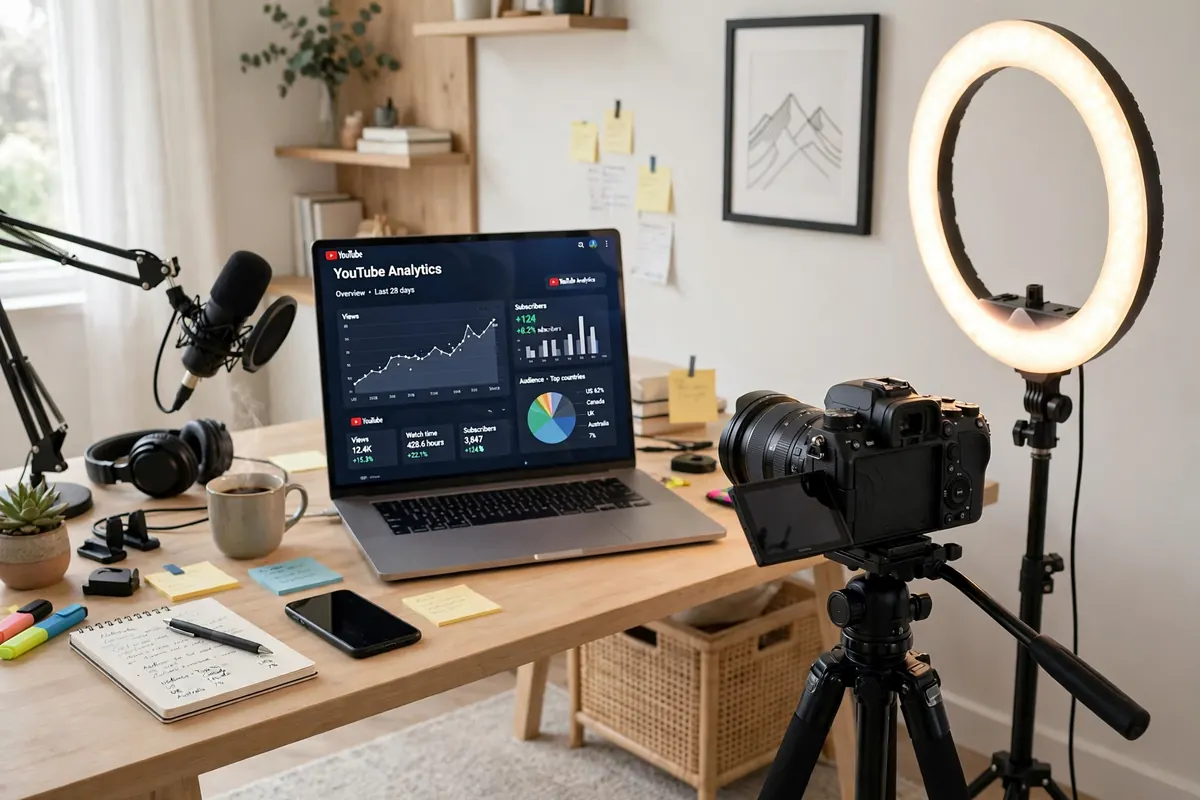
YouTube Studio tells you exactly where you stand: click-through rate shows whether your packaging works, average view duration shows whether the video delivers, and traffic sources show where views originate. Review these after every upload.
Pick one weakness per video to fix next time. Maybe your titles are strong but your openings leak viewers, or your retention is great but nobody clicks. Steady, focused improvement compounds, and it is how small channels quietly outgrow bigger, lazier ones. Even entertainment creators riding trends, like those in viral video coverage of how viral videos shape digital culture, rely on the same feedback loop.
Long-Form Videos, Shorts, and Live Streams
Modern YouTube SEO spans three formats. Long-form videos are where search rankings and deep watch time live; they suit tutorials, reviews, and explanations. Shorts, the platform’s vertical short videos, excel at discovery, introducing your channel to viewers who have never heard of you. Live streams build community and loyalty, and their replays keep collecting views afterward.
Smart channels connect the three. A Short can tease the key moment from a long tutorial and point viewers to the full version. A live Q&A can answer the questions your comments keep asking, then be clipped into Shorts during the week. Each format feeds the others, so one filming session produces a week of content. This repurposing discipline is exactly how lean teams in small business excellence through digital marketing stretch limited production time.
Whatever mix you choose, keep the fundamentals identical across formats: a researched topic, an honest promise, a strong first few seconds, and a reason to watch the next video. Format trends change quickly; those habits do not.
Five YouTube SEO Mistakes That Stall Channels
- Copying big channels’ topics. Their audience carries videos your channel cannot yet support; choose narrower topics you can win.
- Changing titles frantically. Give a video time to find its audience before rewriting its packaging, or you will never learn what worked.
- Ignoring the first 30 seconds. A weak hook quietly caps every video’s ceiling.
- Publishing without a description. You are skipping free context that helps both viewers and search.
- Never reading analytics. The data tells you precisely what to fix next; guessing wastes uploads.
Frequently Asked Questions
How long should a YouTube video be for SEO?
As long as the topic needs and not a minute longer. Tutorials often run eight to fifteen minutes; simple answers can be much shorter. Retention percentage matters more than raw length.
How often should I upload?
Choose a schedule you can keep for a year, even if that is one video a week. Consistency trains both your audience and the algorithm, and protects you from burnout.
Do keywords in the video file name matter?
Only slightly, if at all. Name your file clearly for your own organization, but spend your real effort on the title, thumbnail, opening, and description, which influence viewers and rankings far more. Those priorities hold whether you publish from a studio or a kitchen table while building small business excellence through digital marketing.
The Bottom Line
YouTube SEO is not a trick; it is a partnership with the platform. Research what viewers search, package videos with honest titles and bold thumbnails, open strong, keep people watching, and learn from every upload’s data. Do that consistently and YouTube will do what it is designed to do: put your videos in front of people who will love them. Film your next video with a researched keyword and a planned hook, and let the algorithm finally work for you instead of against you.