
Amazon is where a huge share of American shoppers begin their product searches. For a beginner seller, that traffic is an opportunity and a test at the same time, because the marketplace rewards preparation and punishes guesswork.
This starter guide explains how to sell on Amazon for beginners, step by step. You will learn how accounts work, how to choose products, the difference between fulfillment options, and how to launch a listing that can actually win sales.
No hype and no shortcuts. Just the sequence that gives a new seller a fair chance.
How to Sell on Amazon: How the Marketplace Works
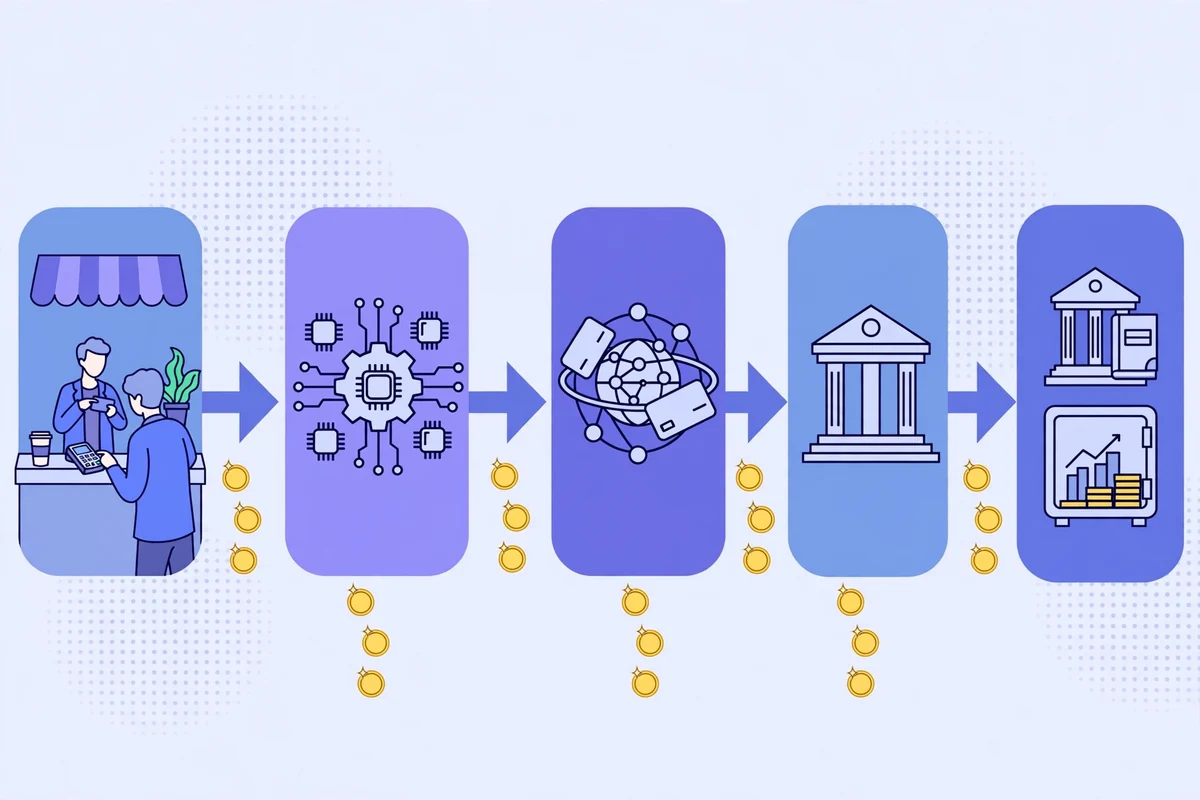
You list products in Amazon’s catalog, customers buy through Amazon’s checkout, and Amazon handles payment. You either ship orders yourself or pay Amazon to store and ship for you through Fulfillment by Amazon, known as FBA.
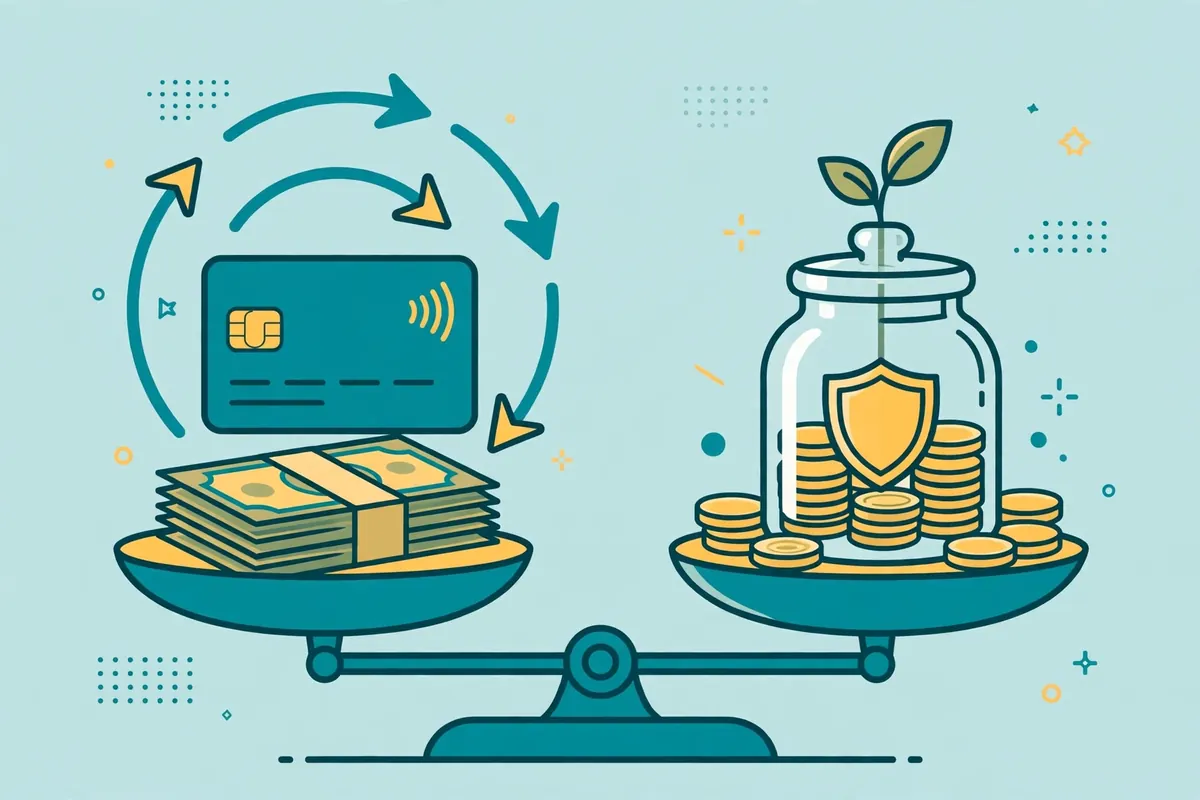
Amazon charges for this access. Expect a selling plan fee or per-item fee, referral fees that vary by category, and fulfillment and storage fees if you use FBA. The current amounts live in Amazon’s pricing pages, so check them while planning, because fees decide whether a product can profit.
Understanding the full cost stack before you buy inventory is the single most important beginner habit, and it mirrors the budgeting discipline in this analysis of how much it costs to start a business.
Step 1: Choose Your Selling Plan and Register
Amazon offers an Individual plan, which charges per sale and suits very low volume, and a Professional plan with a monthly subscription that unlocks advertising, bulk tools, and more categories. Most serious beginners start with Professional once they expect steady sales.
Registration requires your business details, tax information, a bank account, and identity verification. Register as your actual business, whether sole proprietorship or LLC, and keep the names consistent across documents to avoid verification delays.
If you have not formed the business yet, work through the foundations in this complete guide to starting a business in the USA, including this comparison of LLC vs sole proprietorship.
Step 2: Decide What to Sell
Beginners usually take one of three routes. Retail arbitrage means buying discounted products locally and reselling them. Wholesale means buying established brands in bulk from distributors. Private label means creating your own branded product with a manufacturer.
Each route has a different risk profile. Arbitrage starts fast but is hard to scale. Wholesale needs brand approvals and larger orders. Private label offers control and margin but requires product development and marketing.
What makes a good beginner product
Look for steady demand, manageable size and weight, simple function with low return risk, and enough margin after every fee. Avoid fragile, regulated, or heavily brand-restricted items while you learn.
Study the best sellers in your candidate category. Read their negative reviews closely, because recurring complaints reveal exactly how a better product or bundle could win, a research approach similar to the niche work in this guide to starting an ecommerce business.
Step 3: Understand the Rules Before You List
Amazon enforces strict policies on product safety, restricted categories, and listing accuracy. Some categories and brands require approval, called gating, and some products need compliance documents.
Never list counterfeit goods, and never use another brand’s trademark in your title or images to borrow their traffic. Account health is fragile for new sellers, and early violations can end a business before it starts.
Keep invoices from legitimate suppliers for everything you sell. Amazon may ask for them at any time, and organized records, kept with the habits in this bookkeeping guide, turn a stressful request into a quick upload.
Step 4: Create a Listing That Converts
If a product already exists in the catalog, you attach your offer to that listing. If you are creating a new product page, you control the content, and quality matters enormously.
Your title should state the product, its key benefit, and its most important specs in natural language. Bullet points should answer the questions and objections a buyer has, using the negative reviews of competitors as your research.
Images do the heavy lifting. Use a clean main image on a white background that follows Amazon’s requirements, then add lifestyle photos, size references, and simple graphics that explain features. Most beginners underinvest here, and it shows in their conversion rates.
Step 5: Choose FBA or Fulfillment by Merchant
With FBA, you ship inventory to Amazon’s warehouses and Amazon handles storage, packing, delivery, and most returns. Your offers gain the Prime badge, which many shoppers filter for, and you save the daily work of shipping.
With FBM, you store and ship everything yourself. It costs less in fees and suits large, slow, or seasonal items, but you carry the workload and your listings may convert less well.
Many beginners start with FBA for simplicity and speed of learning. Whichever you choose, model the full costs in Amazon’s revenue calculator before committing to inventory, and keep your money organized with the approach in this small business cash flow guide.
Step 6: Price for Profit, Not Just for the Sale
Your price must cover the product cost, inbound shipping, referral fees, fulfillment fees, storage, advertising, and returns, and still leave a margin. If the math only works at a price shoppers will not pay, the product is wrong, not the price.
Watch competitors, but do not chase every price drop. Competing on a slightly better product, clearer images, and stronger reviews is more durable than being the cheapest.
As sales grow, review margins monthly and prune losing products quickly. Sellers who treat pricing as a living system, rather than a one-time guess, survive the fee changes and competition that this marketplace constantly produces.
Step 7: Launch, Advertise, and Earn Reviews
New listings start cold. Amazon’s advertising, especially Sponsored Products, lets you buy targeted visibility while the listing builds organic ranking. Begin with a modest daily budget aimed at your most relevant search terms.
Reviews drive everything on Amazon, but they must be earned honestly. Never buy reviews or offer incentives for positive ratings. Instead, use Amazon’s Request a Review feature, deliver a product that matches its photos, and fix problems fast.
Enrolling a private label brand in Brand Registry unlocks better content tools and protection features. Growing sellers treat these early investments like the staged milestones in this business plan guide, funding each step from proven results.
Step 8: Manage Inventory and Account Health
Running out of stock kills ranking momentum, while overstocking drains cash through storage fees. Track your sell-through rate and reorder with lead times in mind, especially around the holiday season.
Check your account health dashboard regularly. Respond to customer messages within Amazon’s expected window, ship on time if you fulfill yourself, and address performance notifications immediately.
Healthy operations also build a real business behind the store. Consistent records help you build business credit and, when the time comes, qualify for the financing covered in this guide to small business loans.
Common Beginner Mistakes
- Buying inventory before calculating every Amazon fee
- Choosing products only because they are trending this month
- Copying competitor listings, images, or brand names
- Ignoring restricted category rules and missing invoices
- Expecting profit in week one and quitting during the learning phase
Avoiding these errors puts you ahead of most new sellers. For a bigger-picture view of online selling routes, compare this path with the marketplace approach in this look at side hustle ideas that make extra money.
How the Buy Box and Search Ranking Affect Your Sales
When several sellers offer the same product, Amazon chooses one offer to feature in the buy box, where most purchases happen. Price matters, but so do fulfillment method, delivery speed, stock reliability, and seller performance history.
This is one reason FBA offers often win: fast Prime delivery and Amazon-handled service score well in the comparison. Merchant-fulfilled sellers can still compete with sharp pricing, quick dispatch, and excellent metrics.
Search ranking works on a related logic. Amazon promotes listings that convert searches into sales, so relevance, reviews, and a history of satisfied buyers push you upward over time. There is no switch to flip, only consistent performance to build. Beginners who understand this stop chasing tricks and start improving the fundamentals that the system actually rewards.
Frequently Asked Questions
How much money do I need to start selling on Amazon?
Budgets vary by model. Arbitrage can start small, while private label usually needs enough for product samples, a first inventory order, shipping, and advertising tests. Plan your reserve with the same care as any launch, using this startup cost breakdown as a checklist.
Is FBA worth it for beginners?
For many beginners, yes. FBA removes packing and shipping work, adds the Prime badge, and simplifies returns. The fees are real, so confirm the product still earns a margin after them before you commit.
How long does it take to make the first sale?
It depends on the product, price, and visibility. Listings supported by advertising and competitive pricing often see early sales within the first few weeks, while organic growth builds over months of consistent management.
Final Thoughts
Learning how to sell on Amazon for beginners comes down to respecting the system: pick products with real margins, follow the rules, build listings that answer buyer questions, and manage your account health daily. Do that patiently, and Amazon’s traffic becomes a genuine growth engine for your business.