
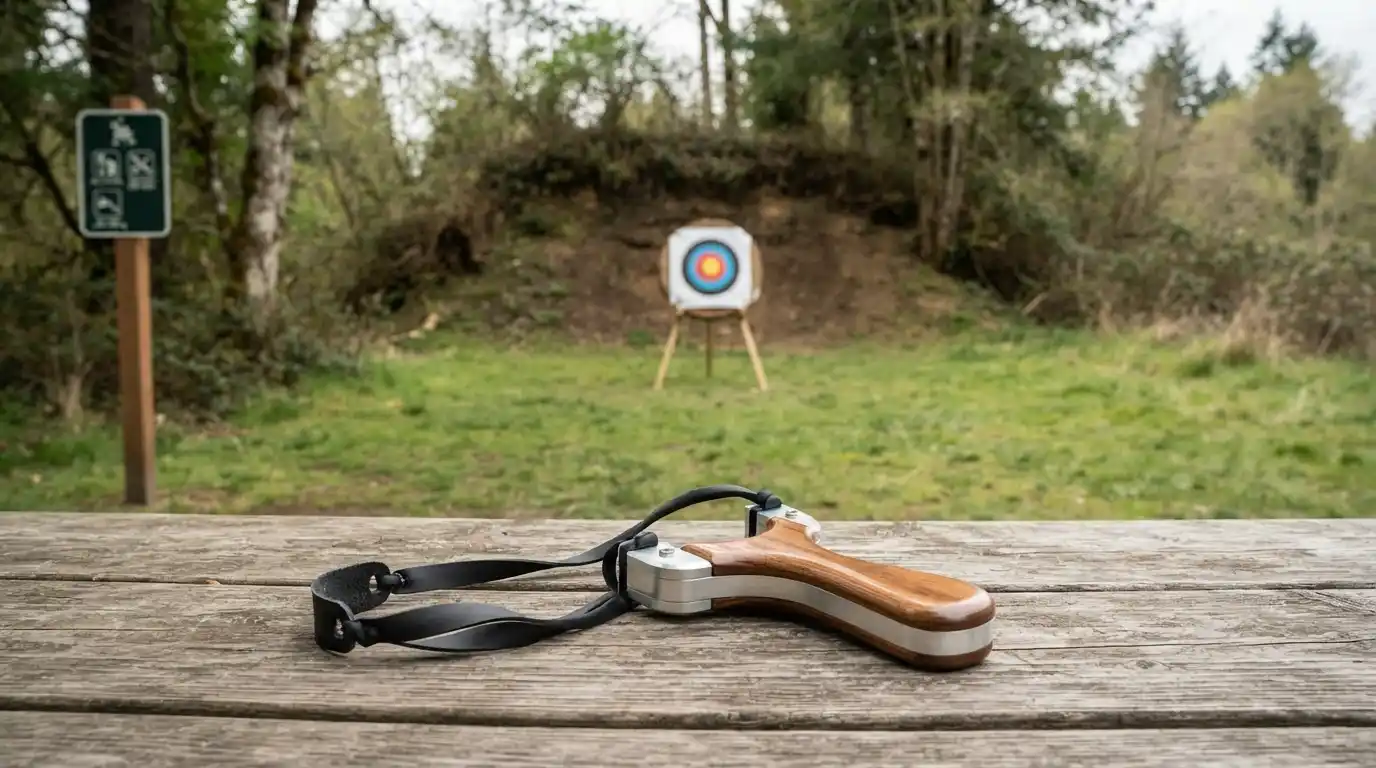
Are Slingshots Street Legal? State Laws, Rules, Risks & Regulations
Are slingshots street legal? The answer depends on where you live, how the slingshot is classified, where you carry or use it, and whether state or local rules impose additional restrictions. A slingshot may be treated as a recreational projectile device in one jurisdiction while another jurisdiction may regulate a particular type of slingshot as a weapon.
That makes a simple nationwide yes-or-no answer unreliable. Before carrying a slingshot in public, using one in a park, transporting it in a vehicle, or using it for hunting, you should check the laws that apply to your specific state and municipality.
This guide explains the major legal issues surrounding slingshots, the difference between possession and use, common restrictions, safety concerns, and practical steps for staying within the rules.
Are Slingshots Legal in the United States?
There is no single nationwide rule that makes every ordinary slingshot legal or illegal in every situation. Regulation can come from state statutes, municipal ordinances, park regulations, hunting rules, school policies, and other local restrictions.
In some places, the law focuses on how a slingshot is carried or used rather than simply banning possession. Other jurisdictions may specifically identify certain slingshot designs or similar projectile devices within their weapons laws.
For example, New York law specifically includes a wrist-brace type slingshot and a slungshot within its definition of weapons covered by its criminal possession statute. This illustrates why the exact design of the device can matter when determining whether a particular slingshot is regulated.
Rules can also change over time. A regulation that applied several years ago may not reflect the current law, so checking the current statute and applicable local ordinance is important.
What Makes Slingshot Laws Complicated?
The word “slingshot” can describe several different devices. A simple recreational slingshot, a hunting-oriented model, and a wrist-braced high-powered design may not receive identical treatment under every law.
There are also several separate legal questions to consider:
- Is possessing the slingshot legal?
- Can you carry it openly in public?
- Can you carry it concealed?
- Can you transport it in a vehicle?
- Can you discharge it inside city limits?
- Can you use it in a public park?
- Are there age restrictions?
- Can it legally be used for hunting?
- Does the local municipality impose additional restrictions?
These questions should not be treated as interchangeable. A person might legally own a slingshot but still violate a local rule by firing it in a public area.
State Laws Can Be Very Different
State-level regulations demonstrate why location matters. Alabama, for example, has a statute addressing concealed carrying of slingshots. New York specifically identifies certain slingshots within its weapon-possession law. Michigan’s natural-resources statutes also address carrying, transporting, possessing, and using slingshots in the context of wildlife-related activities.
These examples do not establish a universal rule for every state. Instead, they show that slingshot regulation can involve different legal concepts, including concealed carry, weapon classification, transportation, hunting, and wildlife management.
If you are researching a particular state, start with that state’s current statutes rather than relying on a nationwide list copied from an older website.
Are Slingshots Legal to Carry in Public?
Possession at home and carrying a slingshot on a public street are not necessarily the same legal question. Public-carry rules can depend on the jurisdiction, the type of slingshot, whether it is concealed, and the circumstances surrounding possession.
Even where possession is permitted, carrying a slingshot in a way that suggests an intent to threaten or harm another person can create a separate legal problem. Using or displaying it during an argument can escalate a situation and potentially lead to criminal or civil consequences.
A cautious approach is to transport a slingshot safely and avoid displaying or handling it unnecessarily in public spaces.
Can You Carry a Slingshot in Your Car?
Vehicle transportation rules can vary significantly. Some jurisdictions distinguish between an unloaded or secured projectile device and one that is immediately accessible for use.
When transporting a slingshot, keeping it secured and inaccessible to passengers can reduce unnecessary safety concerns. If local law establishes specific transportation requirements, those requirements take priority.
This is particularly important when traveling between states. A device that is lawful where your journey begins may be subject to different restrictions after you cross a state or municipal boundary.
Are Slingshots Legal in Parks?
Public parks can have their own rules even when state law does not completely prohibit slingshots. Park authorities may restrict projectile devices, target shooting, hunting, or activities that could endanger other visitors.
For that reason, do not assume that a slingshot is permitted simply because you can legally own one. Check the rules for the specific park, recreation area, campground, or public property before using it.
If you are planning an outdoor trip, understanding the applicable recreational rules is just as important as choosing the destination. Guides such as best places to visit in the mountains and unique places to visit in North America can help with broader outdoor travel planning, but local property and park rules should always be checked separately.
Slingshots and Hunting Laws
Hunting is one of the areas where slingshot regulations can become especially complicated. Wildlife laws may specify which animals can be hunted, which weapons or devices may be used, what seasons apply, and what licenses are required.
A slingshot being legal to own does not automatically mean it is legal to use for hunting. Wildlife agencies can impose restrictions that are separate from general weapons laws.
For anyone considering hunting or other wildlife activities, education about applicable regulations is essential. The Mississippi hunters education guide is an example of the type of safety and responsibility information that can be useful when researching outdoor activities.
Always consult the current wildlife regulations for the state where the activity will occur before attempting to hunt with any projectile device.
What Are the Risks of Using a Slingshot?
Legal ownership does not eliminate the physical risks associated with a slingshot. A projectile released at high speed can cause serious injury, especially when it strikes an eye, face, or other vulnerable part of the body.
There is also a risk of unintended ricochet. Hard surfaces can redirect projectiles unpredictably, while inadequate backstops can allow a projectile to travel beyond the intended target.
For responsible recreational use, choose an appropriate location, maintain a safe distance from other people, use suitable protective equipment, and make sure the area behind the target is capable of stopping the projectile.
Can a Slingshot Be Considered a Weapon?
The legal classification of a slingshot depends on the applicable law. Some jurisdictions expressly regulate certain slingshots, while others may address dangerous projectile devices through broader legal provisions.
The circumstances of possession can also matter. A recreational device used responsibly in an appropriate setting presents a different situation from a projectile device carried during a confrontation or used to threaten someone.
This is similar to the broader legal questions surrounding other objects that can potentially be used as weapons. For example, readers researching whether sword canes are legal can see why the legal status of an object can depend heavily on its design, intended use, and applicable jurisdiction.
Open Carry vs. Concealed Carry
One of the most important distinctions in weapons law is the difference between openly carrying an item and concealing it. A jurisdiction may regulate these situations differently.
Slingshot owners should therefore avoid assuming that a rule allowing possession automatically allows concealed public carry. The exact wording of the applicable statute matters.
Local legal resources can be useful when a situation is unclear. For broader information about obtaining legal assistance, readers can also explore the Maxwell Street legal clinic guide.
Do Local Cities Have Their Own Slingshot Rules?
Yes, local restrictions can be an important part of the legal picture. Cities and municipalities may regulate the discharge of projectile devices within particular boundaries even when state law does not completely prohibit possession.
Before using a slingshot in a residential neighborhood, public space, recreation area, or other developed location, check local ordinances as well as state law.
This principle applies to many other forms of outdoor activity. Whether you are visiting a destination such as Oklahoma, exploring Tennessee, or traveling through another state, local regulations may differ from the rules you are accustomed to at home.
Age Restrictions and Minors
Parents and guardians should pay particular attention to age-related restrictions. Some jurisdictions have historically regulated the sale, possession, or use of slingshots by minors, while other areas may address dangerous projectile devices through broader youth-safety rules.
Even where there is no specific age prohibition, responsible supervision is important. A child should never use a slingshot toward people, animals, roads, homes, vehicles, or areas where an unintended projectile could cause injury or property damage.
Slingshots, Property Damage, and Liability
A slingshot can create legal problems even when possession itself is lawful. Damaging a window, vehicle, sign, building, or another person’s property can lead to criminal charges or civil liability depending on the circumstances.
Using a slingshot toward a person can create much more serious consequences. What begins as recreational activity can become a legal matter if someone is injured or threatened.
Property owners should also consider general safety rules around outdoor recreational activities. Topics such as quiet outdoor destinations can provide inspiration for recreation, but permission and local rules should always be confirmed before using a projectile device.
How to Check Whether a Slingshot Is Legal in Your Area
If you want a reliable answer for your location, use a step-by-step approach instead of relying on a generic online list.
- Identify your state. Start with the current state statutes governing weapons, dangerous devices, projectile devices, hunting, and public safety.
- Check your city or county. Search for local ordinances concerning weapons, projectile devices, discharge of weapons, and public spaces.
- Check parks and recreation rules. Public land may have additional restrictions.
- Check wildlife regulations. This is particularly important if you intend to use a slingshot for hunting or wildlife-related activities.
- Identify your slingshot type. A basic recreational slingshot may be regulated differently from a wrist-braced or specialized model.
- Check transportation requirements. If you are traveling, determine whether the device must be unloaded, secured, or inaccessible.
- Check current information. Laws can change, so use current statutes and ordinances rather than relying solely on older articles.
Traveling With a Slingshot
Travel creates another layer of complexity because different jurisdictions may have different rules. Crossing a state line can change the legal requirements that apply to possession, transportation, or use.
If your trip includes outdoor recreation, plan around the laws at your destination rather than assuming your home-state rules follow you everywhere.
For example, travelers researching places in the eastern United States, destinations near Denver, or areas near Illinois should treat each destination’s regulations independently.
Common Mistakes Slingshot Owners Should Avoid
Several mistakes can turn an otherwise ordinary recreational activity into a legal or safety issue.
- Assuming every state follows the same rules.
- Confusing ownership with permission to discharge the device.
- Ignoring city or county ordinances.
- Using a slingshot in a public park without checking park rules.
- Carrying a slingshot during an argument or confrontation.
- Using it near roads, buildings, vehicles, or crowds.
- Ignoring hunting and wildlife regulations.
- Relying on an outdated legal article instead of current law.
Responsible outdoor recreation also means understanding the environment in which an activity takes place. Readers interested in broader environmental rules can review the environment protection rules guide for additional context about how regulations can affect activities involving public and natural spaces.
Safety Tips for Responsible Slingshot Use
When slingshot use is lawful, basic safety practices can reduce avoidable risks:
- Use a suitable backstop that can safely stop the projectile.
- Never aim at a person, animal, vehicle, or occupied structure.
- Keep spectators outside the potential projectile path.
- Wear appropriate eye protection.
- Inspect bands and components for damage before use.
- Do not use damaged equipment.
- Avoid hard surfaces that can cause dangerous ricochets.
- Follow all applicable property, park, and local rules.
Outdoor enthusiasts planning trips can also review resources such as backpacking food and outdoor trip planning or North Padre Island travel ideas when organizing recreational activities. The same principle applies: prepare for the location before arriving.
Frequently Asked Questions
Are slingshots legal everywhere in the United States?
No single rule applies everywhere. State statutes, local ordinances, park rules, and hunting regulations can differ.
Can I legally carry a slingshot on the street?
That depends on your jurisdiction and the type of slingshot. Possession and public carry should be checked separately, particularly where concealed weapons laws apply.
Can I use a slingshot in my backyard?
Possibly, but local discharge ordinances, property rules, neighborhood restrictions, and safety considerations can affect whether doing so is lawful.
Can I take a slingshot hunting?
Do not assume that you can. Hunting methods and permitted equipment are controlled by wildlife regulations, which can vary by state and species.
Are wrist-braced slingshots treated differently?
They can be. Some laws specifically identify particular slingshot designs, so the exact construction of the device may matter.
Should I check local laws before traveling with a slingshot?
Yes. When crossing state or municipal boundaries, check the rules that apply at your destination and along your route.
Final Takeaway
So, are slingshots street legal? There is no universal yes-or-no answer for every location in the United States. The legal status of a slingshot can depend on the state, municipality, type of device, method of carry, intended use, and location where it is used.
The safest approach is to verify the current law before carrying or using a slingshot in public. Pay particular attention to concealed-carry rules, local discharge ordinances, park restrictions, transportation requirements, and hunting regulations.
Even where possession is permitted, responsible handling matters. A slingshot should be treated as a projectile device capable of causing injury and property damage. Following the applicable law and using appropriate safety practices can help keep recreational use from becoming a legal or safety problem.
For readers researching other location-specific rules, related guides such as legal window tint requirements in Mississippi, Colorado travel planning, and fall travel destinations provide additional examples of why regulations and practical conditions should be checked for the specific place you plan to visit.



