Hurricane season runs from June through November in the United States, and every year it tests homes from the Gulf Coast to New England. Preparation is not about panic buying the week a storm appears on the map. It is about working through a hurricane home preparation checklist early, while stores are stocked and contractors are available. This guide walks through the steps that protect your house, your belongings, and your family — in the order that matters most.
Start With Your Risk and Your Insurance
First, know your exposure. Check whether your home sits in a flood zone, an evacuation zone, or an area prone to storm surge. Your county emergency management office publishes these maps, and your evacuation route should be familiar to everyone in the household before a storm threatens.
Next, review your insurance while there is still time to change it. Standard homeowners policies generally cover wind damage but not flooding; flood coverage is usually a separate policy, and it commonly has a waiting period before it takes effect, so buying it when a storm is approaching is often too late. Resources like this overview of Vave insurance coverage options, this profile of ARI Mutual Insurance Company, and this explainer on Eidolon Insurance and risk management outline the questions to ask about deductibles — especially hurricane deductibles, which are often calculated as a percentage of the home’s insured value rather than a flat amount.
Finally, photograph or video every room and store the files in the cloud. If you ever file a claim, that record is gold. Keep policy numbers and your insurer’s claim line in your phone, and set aside cash in an emergency fund for deductibles, fuel, and hotel nights.
The Hurricane Home Preparation Checklist: Exterior
Roof, Gutters, and Drainage
Your roof is the first line of defense. Replace missing or loose shingles, check flashing around vents and chimneys, and make sure gutters and downspouts are clear so heavy rain drains away from the foundation. In storm-prone regions, hurricane straps and clips that tie the roof to the walls are one of the most valuable upgrades a home can have.
Windows, Doors, and the Garage
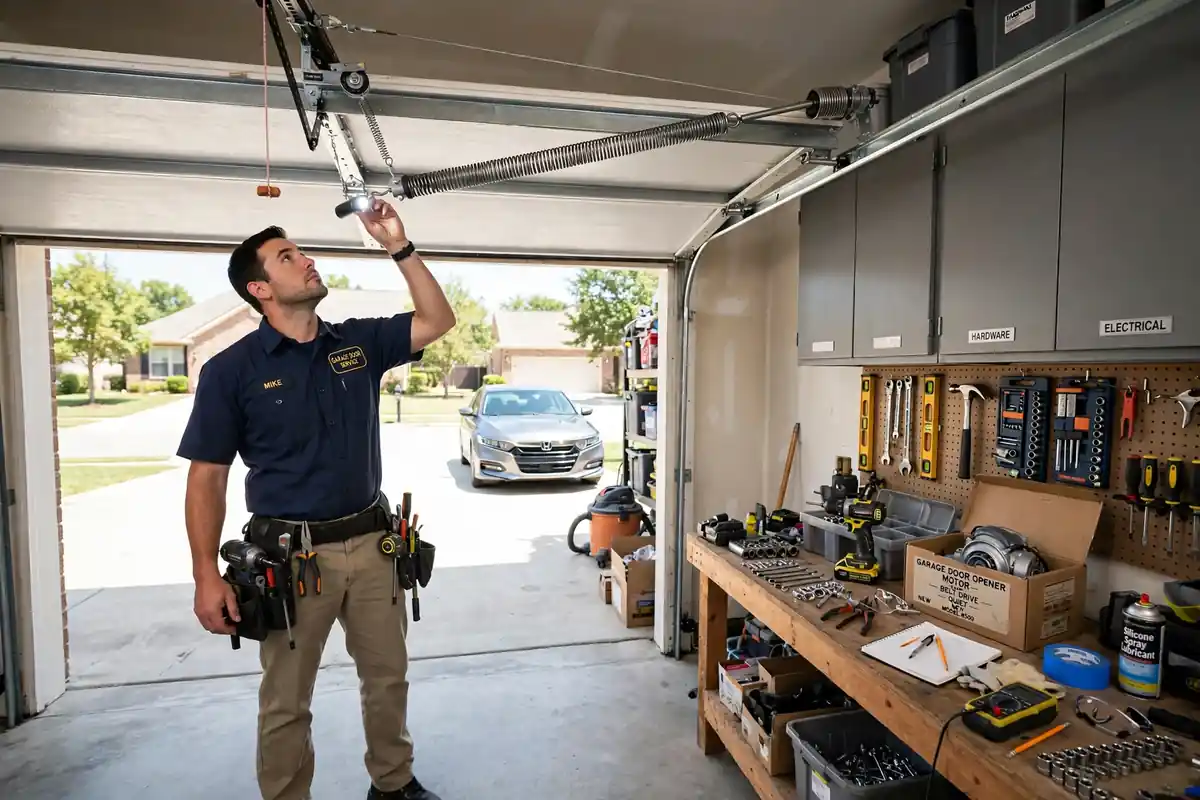
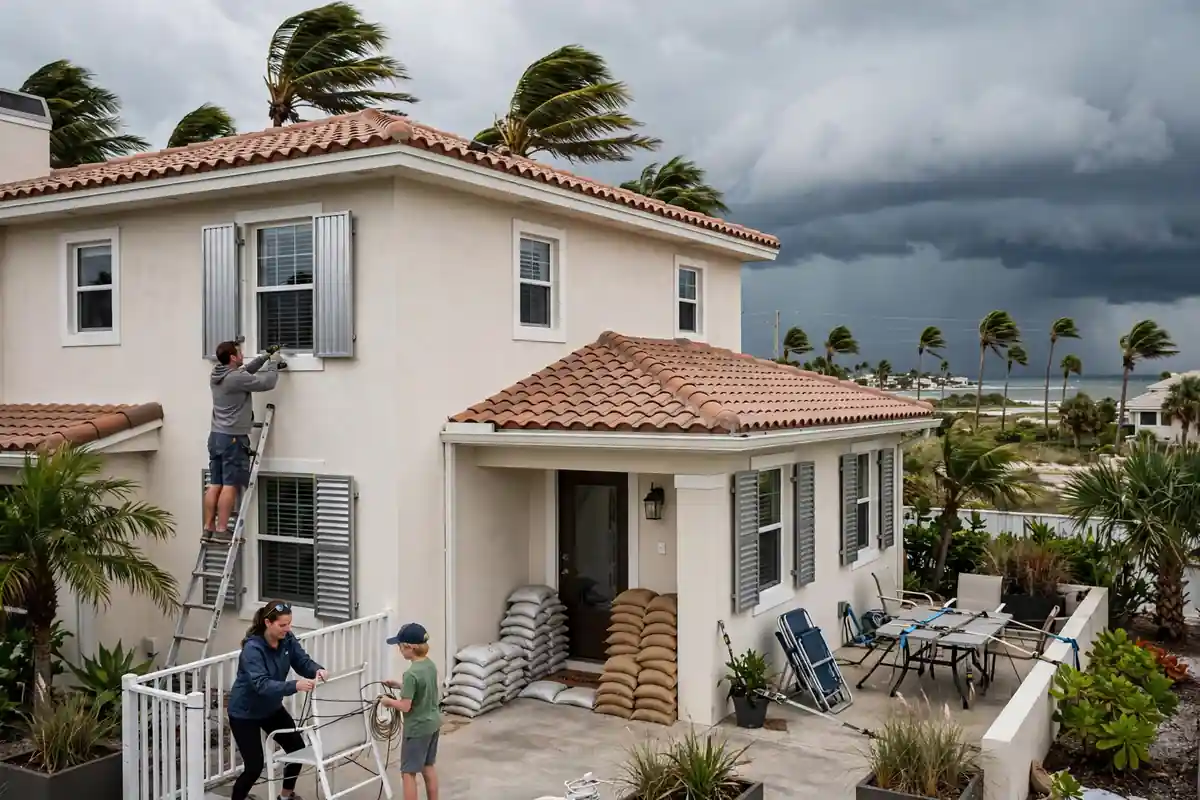
Decide how you will protect glass before the season starts: impact-rated windows, storm shutters, or pre-cut plywood panels stored in the garage. The garage door is often the weakest large opening in the house; if wind gets in there, it can lift the roof from inside. Bracing kits exist for many doors, and a reinforced door is a common requirement in newer coastal building codes. While you inspect entry points, test your locks and alarms as part of your broader home security services routine — after a storm, an unsecured home is a vulnerable one.
Yard and Outdoor Items
Anything outside can become a projectile. Bring in patio furniture, grills, potted plants, and trash bins, or secure them in a shed. Trim weak branches and remove dead trees near the house. Store pool equipment, secure loose fencing panels, and shut off and protect outdoor propane tanks according to local guidance.
Interior Preparations That Pay Off
Inside the home, focus on water and power. Know how to shut off water, gas, and electricity. If flooding is possible, move valuables, documents, and electronics to upper floors or high shelves, and place appliances on blocks where practical. Fill bathtubs and containers with water for flushing and cleaning if supplies are interrupted.
Prepare for several days without power. Charge phones and battery banks, freeze water in containers to keep food cold longer, and set the refrigerator to its coldest setting as the storm approaches. A generator can help, but it must run outdoors, well away from windows, because its exhaust is deadly in enclosed spaces. Homeowners with medical equipment at home should plan especially carefully, coordinating with providers like those described in this overview of Epic Home Health Services so care continues during outages.
Supplies Every Household Should Have Ready
- Water and food: Several days of drinking water and non-perishable food per person, plus a manual can opener.
- Light and communication: Flashlights, extra batteries, a battery or hand-crank radio, and charged power banks.
- Health: A first-aid kit and at least a week’s supply of prescription medications.
- Documents: IDs, insurance policies, and property records in a waterproof container, with digital copies backed up.
- Cash and fuel: Small bills and full tanks in every vehicle, since card systems and pumps fail without power.
- Pets: Food, water, carriers, and vaccination records for every animal.
Households that plan purchases ahead of time spend far less than those shopping in a panic. A simple monthly system like this guide on how to budget in 2026 can build your storm supplies gradually across the spring, and a seasonal service plan — reviewed in this look at Constellation home service plans — can speed up post-storm repairs for covered systems.
When a Storm Is Forecast: The Final 48 Hours
Once a hurricane watch is issued, shift from preparation to execution. Install shutters or plywood, move vehicles to higher ground, and bring in every loose outdoor item. Refill prescriptions and fuel, withdraw cash, and confirm where you will go if officials order an evacuation. If you are staying, choose an interior room away from windows, and keep your supplies there. If you are leaving, shut off utilities as advised locally, lock up, and tell a friend or relative your destination.
Evacuation is always the safer choice when officials recommend it, particularly in surge zones. Property can be repaired; people cannot be replaced. After you return, photograph any damage before cleanup, contact your insurer promptly, and be wary of unlicensed contractors who flood storm-hit areas. Vetting standards matter — homeowner reviews such as these Triumph Home Services reviews show what to look for in a legitimate, accountable provider.
After the Storm: Recovery Basics
Return only when officials say it is safe. Avoid standing water, which may hide downed lines or debris, and do not run generators or grills indoors. Document everything for your claim, make temporary repairs to prevent further damage, and keep every receipt. If your home needs deep cleaning after water intrusion, professional help like Happy Home Cleaning Services can handle the sanitizing work that follows minor flooding. And update your family’s estate planning checklist while the experience is fresh — storms remind everyone how much depends on documents being current and findable.
Special Planning for Children, Seniors, and Pets
Every household member changes the plan slightly. For infants and young children, stock extra formula, diapers, and comfort items, and practice the evacuation routine so it feels like a game rather than a crisis. For seniors and anyone with limited mobility, arrange evacuation help in advance — do not assume you can manage stairs, luggage, and a storm timeline alone. Keep a written list of medications, doctors, and pharmacy numbers in the go bag, and ask your local emergency office about registries for residents who need assistance.
Pets need a parallel plan. Identify pet-friendly hotels or shelters along your evacuation route before the season, because many public shelters still cannot accept animals. Keep carriers accessible, maintain a few days of pet food and water with the family supplies, and make sure microchip details and vet records are current. A calm, prepared household makes calmer decisions at every stage of the storm.
Turn Preparation Into a Financial Safety Net
The homes that recover fastest are rarely the luckiest; they are the ones with documents ready, deductibles saved, and coverage understood. Review your policy’s hurricane deductible in dollars, not just percentages, so the number is real to you. Confirm whether your policy covers additional living expenses if you must evacuate, and for how long. Store digital copies of deeds, policies, and IDs in a secure cloud folder the whole family can reach. Preparation, in the end, is a form of insurance you control — and unlike a policy, it also works on the hundred small storms that never make the news.
A Note for Renters and Landlords
Preparation is not only for homeowners. Renters should assemble the same supply kit, know how to shut off water to a leaking appliance, and carry renters insurance, which is inexpensive and covers belongings even when the building’s policy covers the structure. Ask your landlord before the season who is responsible for shutters, yard items, and evacuation re-entry, so nobody is guessing during a warning. Landlords, in turn, should communicate the plan to tenants early: which protective steps the property includes, what tenants must handle themselves, and how damage should be reported after the storm. A short written checklist exchanged in May prevents most landlord-tenant friction in September.
Frequently Asked Questions
When does hurricane season start in the USA?
The Atlantic hurricane season officially runs from June 1 to November 30, with the most active period typically from mid-August through late October.
How much water should I store?
A widely used guideline is one gallon per person per day, for at least three days, with more in hot climates or for households with medical needs.
Does homeowners insurance cover hurricane flooding?
Generally no. Rising-water flood damage requires a separate flood policy in most cases. Review your coverage long before a storm, because new flood policies usually involve a waiting period.
The Bottom Line
A hurricane home preparation checklist turns a frightening forecast into a manageable project. Review insurance early, harden the roof and openings, prepare for days without power, and know your evacuation plan. Homes that are prepared before June almost always come through the season better than homes that scramble in the final 48 hours.