A new roof is one of the biggest checks a homeowner ever writes, and one of the easiest places to get burned. Every year, storm-chasing crews and outright scammers collect deposits and vanish, or leave behind roofs that leak within a season. Knowing how to choose a roofing contractor the careful way protects both your money and the house under that roof. This guide walks through verification steps, contract essentials, and the warning signs that should end a conversation immediately.
How to Choose a Roofing Contractor: Start With Licensing and Insurance
Requirements vary by state and city, but a legitimate roofing contractor should be able to show a business license and, where required, a roofing or general contractor license. Ask for the license number and verify it through your state or county licensing board’s website. It takes five minutes and eliminates most bad actors.
Insurance matters just as much. The company should carry general liability insurance and workers’ compensation for its crews. If an uninsured worker is hurt on your roof, the financial fallout can land on you. Request certificates and confirm they are current. Our small business insurance guide explains what these coverages mean, which helps you read those certificates with confidence.
Finally, favor companies with a real local address and a history in your area. A contractor who will still be around in five years is the one who will honor a workmanship warranty in five years.
Get at Least Three Written Quotes
Never hire from a single quote on a major job. Three written estimates let you compare not just price but scope: materials, underlayment, flashing, ventilation, tear-off, and disposal should all be itemized. When one bid is dramatically lower than the others, it usually means something is missing, cheaper materials are planned, or the number will grow later through change orders.
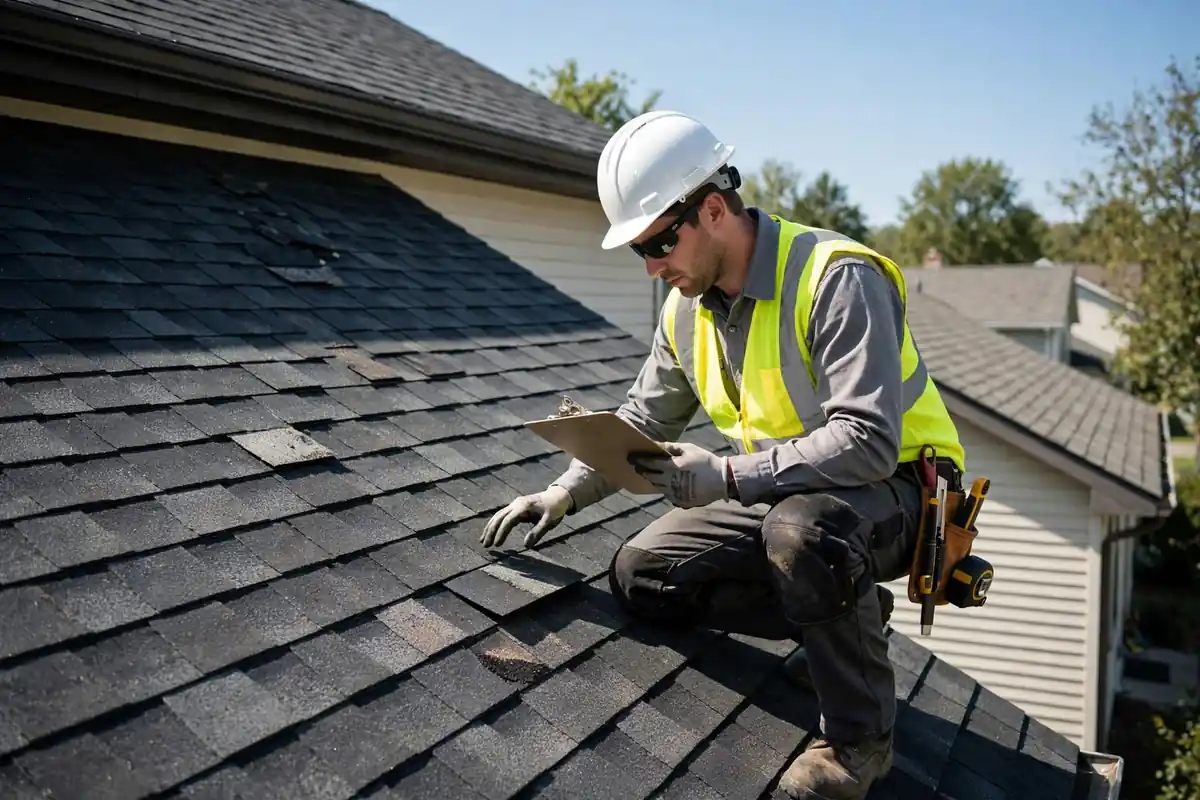
During each visit, notice how the contractor inspects. Thorough roofers check the attic for leaks and ventilation issues, photograph problem areas, and explain options in plain language. That professionalism shows up in customer experiences like those in our Triumph Home Services reviews, where clear communication is the theme homeowners praise most.
What a Proper Roofing Contract Includes
A real contract is detailed and boring, and that is a compliment. It should state:
- The full scope of work, including tear-off, materials by brand and type, and cleanup.
- Start and expected completion dates.
- Total price and a payment schedule tied to milestones.
- Warranty terms for both materials and workmanship.
- Permit responsibilities and who arranges inspections.
- How change orders are priced and approved.
If a dispute arises, clear paperwork is your best protection. Homeowners who need help understanding their options can start with community resources like those in our Maxwell Street Legal Clinic guide. Also confirm whether your homeowner’s insurance is involved after storm damage; the coverage concepts in our insurance protection overview and the Eidolon Insurance guide help you prepare for those conversations.
Payment Rules That Keep You Safe
Payment structure is where scams succeed or fail. Follow these rules:
- Never pay the full amount upfront. A modest deposit or payment for materials on delivery is normal; the balance comes as milestones are met, with final payment after completion and cleanup.
- Never pay in cash without records. Checks or cards create a paper trail.
- Never sign over an insurance check to a contractor. Pay invoices yourself as work progresses.
- Be suspicious of “today only” discounts tied to signing immediately.
Big projects also deserve a place in your wider financial plan. Many homeowners stage savings for a roof years in advance using the approach in our emergency fund guide, and track the spending with the methods in our beginner budgeting guide, rather than scrambling when a leak appears.
Storm Chasers and Other Classic Scams
After hail or wind storms, out-of-town crews flood neighborhoods offering free roof inspections. Some are legitimate temporary operations; many are not. Classic warning signs include finding suspiciously convenient damage during a free inspection, offering to cover your insurance deductible, which can constitute insurance fraud, and asking you to sign an assignment of benefits form that hands them control of your claim.
Other red flags: no local references, a truck with no company markings, pressure to decide before your spouse or family can weigh in, and prices that require no permit. A roof is also a major factor in home value and insurability, as the market analysis in our housing policy explainer shows, so cutting corners here echoes for years.
Materials and Warranties, Briefly
Most homes use asphalt shingles, which balance cost and durability well. Architectural shingles cost more than basic three-tab shingles but last longer and look better. Metal roofing costs significantly more upfront and can last decades longer. Ask each bidder to price the same material class so quotes stay comparable.
Two warranties apply. The manufacturer’s warranty covers material defects and varies by product tier. The workmanship warranty covers installation errors and comes from your contractor, which is another reason the company’s stability matters. Get both in writing, and ask what maintenance, if any, is required to keep them valid. Homeowners comparing protection products generally will also find our look at Constellation home service plans useful context for how coverage terms are usually structured.
Questions to Ask Before You Sign
- Who will actually be on my roof: your employees or subcontractors?
- Who supervises the job, and how do I reach them during the work?
- How will you protect landscaping, siding, and the attic during tear-off?
- How do you handle rotted decking or other surprises discovered mid-job?
- What does cleanup include, especially nail removal from the yard?
- Can I speak with two recent customers in my area?
Strong answers to these questions, combined with verified licensing and a detailed contract, make a contractor a safe bet. A roof also affects how a home shows to buyers, so the investment pairs naturally with the resale thinking in our Aweigh Real Estate guide.
How the Roofing Process Should Unfold
Knowing the normal sequence helps you spot trouble early. After signing, a good contractor confirms material delivery dates, pulls permits, and schedules the crew with a weather eye. On workdays, the crew protects landscaping and siding, tears off the old roof, inspects the decking, installs underlayment and flashing, then lays the new roofing. A magnetic sweep collects stray nails, and a final walkthrough with you confirms the details before the last payment is made.
Communication during those days should be easy: a named supervisor, daily updates, and photos of anything unexpected. If days pass with no word, no permit posted, or materials sitting untouched, raise it immediately and in writing. Most problems are fixable early; they become disputes only when silence stretches. Keep your own simple log of dates, payments, and promises. That habit, borrowed from careful project management in other fields, turns “he said, she said” arguments into quick lookups, and it pairs well with the record-keeping mindset behind the research tools covered in our PropertyRecs real estate tools overview.
Frequently Asked Questions
How long does a roof replacement take?
Most single-family homes take one to three days of active work once materials are on site, weather permitting. Complex roofs and structural repairs take longer.
Should I be home during the work?
You do not need to be, though many homeowners prefer to be reachable. Roofing is loud, so plan for pets and remote work accordingly.
What if a contractor finds extra damage mid-job?
It happens, especially rotted decking under old shingles. Your contract should set unit pricing for common extras, and the contractor should show you photos and get approval before proceeding.
Is the cheapest quote ever the right choice?
Rarely on a roof. Unusually low bids often reappear as change orders or thin materials. Compare itemized scope and reputation, not just totals.
After the Roof Is On: Protect Your Investment
Your responsibilities do not end at the final payment. Keep the contract, warranty documents, and material records together in one folder. Schedule a simple visual check twice a year and after major storms: look for lifted shingles, debris in valleys, and overflowing gutters, which push water where it does not belong. Clear branches that hang over the roof, and address small issues while they are still small. Contractors who did good work usually welcome a paid maintenance visit a few years later, and that relationship becomes valuable all over again if a storm ever tests your roof for real.
The Bottom Line
Choosing a roofing contractor without getting scammed comes down to verification and paper: verify the license and insurance, compare three itemized quotes, insist on a detailed contract, and keep payments tied to progress. Contractors who genuinely welcome each of those verification steps are almost always the ones truly worth hiring. Your roof protects everything beneath it, including the systems maintained by trusted local pros like the Shelby air conditioning team, so it deserves the same careful, unhurried hiring process you would give to any other major investment in your home.