A burst pipe or a toilet that will not stop running turns one question urgent fast: how much does a plumber cost in the USA? Prices vary widely by city, job, and time of day, but the way plumbing bills are built is consistent everywhere. This price guide explains typical ranges homeowners see, what drives the total up or down, and how to get a fair quote without surprises.
Note: ranges below reflect commonly reported U.S. homeowner pricing and are meant as planning guidance. Your local quotes are the final word.
How Much Does a Plumber Cost? The Short Answer
Most plumbers charge in one of two ways: an hourly rate, commonly in the range of $45 to $200 per hour depending on region and experience, or a flat rate for a defined job. Many companies also charge a service or trip fee, often $50 to $150, which may be credited toward the repair if you hire them.
Master plumbers and big-city firms sit at the top of the range; independent licensed plumbers in smaller markets often cost less. Either way, understanding the structure of the bill matters more than any single number, especially when plumbing sits alongside other trades in a broader home maintenance budget like the ones homeowners build with our beginner’s budgeting guide.
What Common Plumbing Jobs Usually Cost
Flat-rate menus for routine work look similar across the country. As planning ranges, homeowners commonly report:
- Unclogging a drain: roughly $100 to $275 for a simple clog, more if a camera inspection or main-line work is needed.
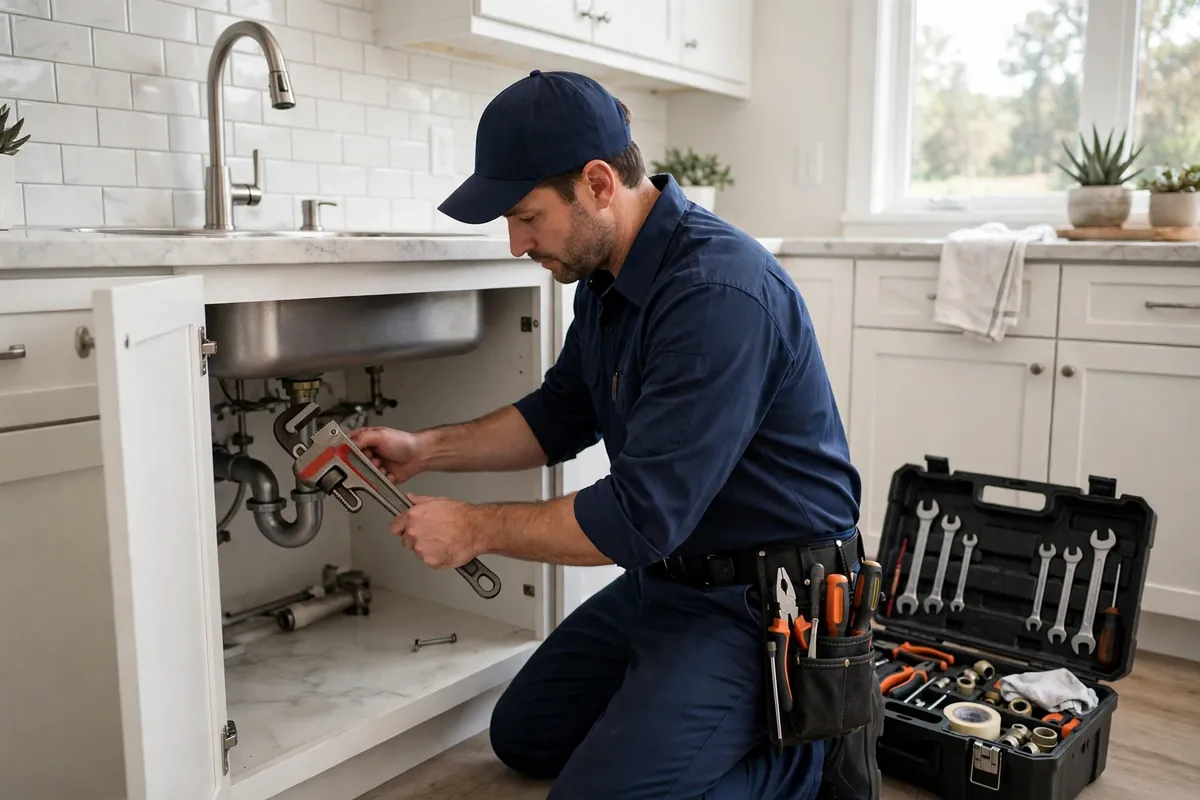
- Fixing a leaking pipe or faucet: often $150 to $450 depending on access and parts.
- Toilet repair or replacement: repairs commonly $150 to $400; replacement adds the cost of the new toilet.
- Water heater installation: frequently $1,000 to $3,000 or more installed, depending on tank size, type, and code upgrades.
- Sump pump or garbage disposal replacement: commonly a few hundred dollars including the unit.
Jobs grow more expensive when walls or floors must be opened, when old piping needs updating to current code, or when the real problem is deeper in the system. That is why a good plumber explains options before starting, the same transparency homeowners value in the companies profiled in our Triumph Home Services reviews.
Emergency and After-Hours Pricing
Plumbing problems rarely respect business hours. Emergency calls at night, on weekends, or on holidays commonly cost 1.5 to 3 times the standard rate, plus a higher trip fee. A burst pipe flooding a room justifies that premium; a slow drip usually does not.
Knowing where your main water shut-off valve is can turn a midnight emergency into a next-morning appointment. Shut the water off, drain the pressure by opening a faucet, and call during regular hours. Keeping a modest reserve for exactly these moments is the point of the emergency fund guide on our site.
What Affects the Final Price?
Location and Labor Market
Labor is the biggest part of most bills, and labor costs differ sharply between major metros and rural areas. Permits and inspection fees, where required, add to the total as well.
Access and Complexity
A pipe under a kitchen sink is quick work. The same pipe inside a finished wall or under a slab is not. Expect quotes to reflect demolition, repair of surfaces afterward, and time.
Parts and Fixtures
Homeowner-supplied fixtures can save money, but many plumbers will not warranty parts they did not provide. Ask about this policy before buying anything. For whole-home service relationships, some households prefer plans like those in our guide to Constellation home service plans, which bundle routine visits and may discount repairs.
Hourly vs. Flat Rate: Which Is Better?
Flat rate is usually better for defined jobs, because you know the total before work starts and the plumber has no reason to slow down. Hourly billing can be fair for troubleshooting mysterious problems, where nobody knows what will be found. In that case, ask for a diagnostic cap: an agreement that work pauses for your approval once a set amount is reached.
Whichever model you choose, get it in writing. A written quote with the scope, parts, and warranty terms protects both sides and is standard practice for reputable firms, from plumbing to the air conditioning repair services in Shelby our readers rely on.
How to Get a Fair Quote
- Describe the problem clearly and send photos or video when you call; better information means tighter quotes.
- Get two or three quotes for anything non-urgent and compare scope, not just price.
- Confirm licensing and insurance; a legitimate plumber provides both without hesitation, a point our small business insurance guide explains from the contractor’s side.
- Ask what is not included, such as wall repair, permits, or haul-away of old fixtures.
- Ask about the warranty on both labor and parts.
DIY vs. Hiring a Plumber
Some jobs are genuinely DIY-friendly: replacing a flapper, tightening a loose faucet handle, or plunging a simple clog. Others are not. Work involving gas lines, main sewer lines, water heaters, or anything behind walls can cause expensive damage or violate local code if done wrong, and unpermitted work can complicate a home sale, as the property research tools in our PropertyRecs real estate tools overview make clear when buyers review a home’s history.
A sensible rule: if a mistake could flood your home, hire the plumber. The call-out fee is cheap insurance compared with water damage repairs. Homeowners who alternate DIY with professional help often keep a regular cleaning and maintenance rhythm too, using services like Happy Home Cleaning Services between bigger projects.
Red Flags and Common Scams
Be cautious with anyone who demands full payment in cash before starting, refuses to provide a written quote, or pressures you to decide on the doorstep. Vague “whole system” upsells after a simple call-out are another warning sign. Legitimate plumbers explain the problem, show you the failed part when possible, and let you approve the price before work begins.
Seasonal scams appear after storms and cold snaps, when demand spikes. Slow down, verify the company, and remember that related trades follow the same patterns, including the air conditioning services in Somerset that warn customers about too-good-to-be-true offers. Protecting your home’s systems and data go together, which is why many owners pair physical security, as in our home security services guide, with careful contractor vetting.
How Plumbing Quotes Are Built, Line by Line
Understanding a written quote helps you compare bids fairly. Most quotes combine a labor estimate, parts at a marked-up price, any permit or disposal fees, and tax. Parts markups are normal in the trades; the plumber sources, transports, and warranties the components, which is worth something compared with the shelf price at a hardware store. What you want to see is clarity: each line explained in plain language, with the total matching what you approved.
If two quotes differ wildly, the cheaper one usually excludes something, such as patching the wall afterward, hauling away the old water heater, or bringing adjacent piping up to code. Ask each bidder to walk you through what happens after the repair itself. Homeowners comparing major home expenses often set these quotes beside other planned projects, such as checking hidden property opportunities with research habits from our Aweigh Real Estate guide, so the whole year’s spending stays realistic.
Finally, keep your paperwork. Invoices and permits document that work was done professionally, which supports insurance claims and reassures future buyers. It takes a minute to file them and can save real money later.
Frequently Asked Questions
Do plumbers charge just to come out?
Many charge a trip or diagnostic fee, often credited toward the repair if you proceed. Ask about the policy when you book so there are no surprises.
Is it cheaper to hire a handyman instead?
For very minor tasks, sometimes. But plumbing work often requires a license by law, and unlicensed work can void insurance coverage and warranties. For anything involving water supply, drains, or gas, a licensed plumber is the safer choice.
How can I lower my plumbing bill?
Bundle small jobs into one visit, clear access to the work area in advance, choose standard fixtures, and schedule non-urgent work during regular hours. Prevention helps too: fixing small drips early is always cheaper.
Should I tip my plumber?
Tipping is not expected for licensed tradespeople, though it is appreciated for exceptional emergency help. A positive review helps a good local business just as much.
The Bottom Line
So, how much does a plumber cost? Most homeowners pay an hourly rate of roughly $45 to $200 or a flat fee scaled to the job, with emergencies costing more. The exact total depends on your city, the complexity, and the parts involved. Get written quotes, verify licensing, and shut off the water fast when trouble starts, and you will keep both the damage and the bill under control. For a wider view of housing costs, our explainer on the policy shift that could change the U.S. housing crisis shows why home maintenance budgets matter more than ever.