The first hard freeze of the year catches thousands of American homeowners off guard every winter. A burst pipe can flood a kitchen in minutes and leave a repair bill that runs into the thousands. The good news is that most cold-weather damage is preventable. If you learn how to winterize your home before temperatures drop, you protect your plumbing, cut your heating bills, and sleep better on the coldest nights of the year.
Why Winterizing Your Home Matters
When water freezes, it expands. Inside a pipe, that expansion creates pressure that can split copper, crack fittings, and soak drywall, flooring, and furniture. Beyond plumbing, a poorly sealed home leaks heat all winter long, forcing your furnace to run longer and driving up utility costs. Winterizing is simply the process of closing those gaps before the cold arrives.
There is also a safety side. Heating equipment works hardest in winter, and neglected furnaces, fireplaces, and space heaters raise the risk of fire and carbon monoxide problems. A weekend of preparation in the fall addresses all three concerns at once: water, warmth, and safety. Homeowners who keep an emergency fund for unexpected repairs know that prevention is always cheaper than cleanup.
Step-by-Step: How to Winterize Your Home
1. Protect Your Pipes First
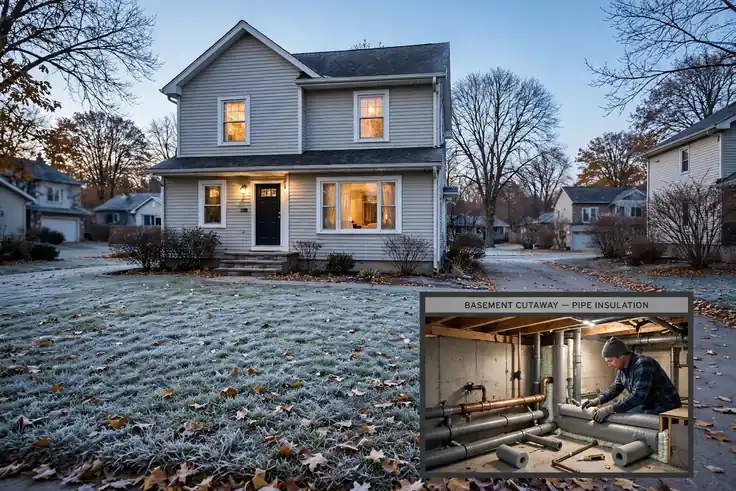
Start with the plumbing, because frozen pipes cause the most expensive damage. Insulate exposed pipes in basements, crawl spaces, attics, and garages with foam sleeves or heat tape. Disconnect garden hoses, drain outdoor faucets, and shut off their interior valves. If your home has a sprinkler system, have it blown out before the first freeze.
Inside the house, know where your main water shut-off valve is. If a pipe does burst, closing that valve quickly can save you from serious water damage. On the coldest nights, let faucets drip slightly and open cabinet doors under sinks so warm air reaches the pipes. These small habits cost almost nothing and prevent most freeze damage.
2. Seal Drafts and Add Insulation
Next, hunt for air leaks. Check around windows, doors, and the places where pipes and wires enter the house. Replace worn weatherstripping, add door sweeps, and seal gaps with caulk or expanding foam. Then look at your attic insulation. Heat rises, and an under-insulated attic lets it escape straight through the roof.
Homeowners who recently followed seasonal advice like these Somerset home comfort tips will recognize the pattern: the same sealing work that keeps cool air in during summer keeps warm air in during winter.
3. Service Your Heating System
Schedule a furnace or heat pump tune-up before the season starts. A technician will clean burners, check the heat exchanger, test safety controls, and replace filters. A maintained system runs more efficiently and is far less likely to fail on the coldest night of the year. The service mindset is the same one behind scheduling air conditioning repair services in Shelby before summer: fix small issues early, on your terms.
Do not forget the fireplace. Have the chimney inspected and swept if you burn wood, and confirm the damper closes tightly when the fireplace is not in use. An open damper is like a window left open all winter.
4. Prepare the Exterior
Clean gutters and downspouts so melting snow can drain away from the foundation instead of forming ice dams. Trim tree branches that hang over the roof, since ice-loaded limbs can fall and cause serious damage. Drain and store garden hoses, cover outdoor furniture, and shut off and drain exterior faucets. Finally, check the roof for loose or missing shingles and repair them before snow piles up.
5. Test Safety Devices
Test every smoke alarm and carbon monoxide detector, and replace batteries even if they still seem fine. Keep a fire extinguisher in the kitchen and another near the furnace. If you use space heaters, give them at least three feet of clearance from anything that can burn, and never leave them running unattended. Reviewing your home security services setup at the same time is smart, because many modern systems also monitor for smoke, freezing temperatures, and water leaks.
A Simple Winterizing Budget and Timeline
Most of this work is inexpensive. Foam pipe insulation, caulk, and weatherstripping together usually cost less than a single service call. The bigger-ticket items are a furnace tune-up, a chimney sweep, and added attic insulation. Spread across a fall weekend or two, the whole project fits comfortably into a normal household schedule, especially if you plan purchases with a simple system like the one in this guide to budgeting for home projects.
Start six to eight weeks before your area’s typical first freeze. Northern states should begin in early fall, while southern homeowners have a little more time but should not skip the work entirely. A single surprise cold snap can burst pipes in Texas or Georgia just as easily as in Minnesota, because southern plumbing is often less protected.
Extra Steps for Vacant Homes and Snowbirds
If you will be away for weeks at a time, winterizing goes further. Shut off the water at the main valve and drain the pipes, or keep the heat set no lower than the mid-50s and ask a neighbor to check in. Pour non-toxic antifreeze made for plumbing into drain traps. Unplug electronics, empty the refrigerator if the power might be cut, and arrange for snow removal so the home looks occupied. A home service plan can also give you one number to call if a covered system fails while you are away.
Before you leave, review your insurance coverage for water damage and frozen pipes. Policies differ, and some require you to maintain heat in the home. This overview of Vave insurance coverage options explains the kinds of questions to ask your insurer before winter, not after a claim.
Common Winterizing Mistakes to Avoid
- Forgetting outdoor faucets: A hose left connected can freeze and burst the pipe inside the wall.
- Closing vents in unused rooms: This can raise pressure in ductwork and does not save as much energy as people think.
- Skipping the furnace filter: A clogged filter strains the system and raises bills.
- Ignoring the water heater: Sediment builds up faster in winter demand; a quick flush helps, a topic also covered when comparing providers in these Triumph Home Services reviews.
- Waiting for the first freeze warning: Stores sell out of insulation and space heaters the moment a cold snap is forecast.
A Room-by-Room Winterizing Checklist
If a long list feels overwhelming, work through the house one space at a time. In the kitchen, insulate the pipes under the sink if it sits on an exterior wall, and know how to open those cabinet doors quickly on frigid nights. In bathrooms, seal gaps around tub and toilet supply lines and check that exhaust fans vent outside, not into the attic, where moist air can condense and freeze. In the basement, insulate exposed pipes and the rim joist, verify the sump pump works before the ground freezes, and store anything valuable off the floor in case of a leak.
Upstairs, check that attic insulation is even and deep enough, and that the attic hatch seals tightly. In bedrooms, test window latches and add shrink-film insulation kits to the draftiest windows. In the garage, drain and store hoses, protect any plumbing in shared walls, and keep bags of ice melt and a working snow shovel within reach of the door. Walking the house with a notepad in October, room by room, catches the small items that a general checklist misses.
Planning Ahead: Make Winterizing an Annual System
The households that handle winter best treat preparation as a recurring appointment, not a scramble. Put the main tasks on your calendar for the same weekend each fall. Keep a simple home log — when the furnace was serviced, when the chimney was swept, when the water heater was flushed — so nothing silently slips for years. Pair the outdoor work with an indoor reset: clear gutters, then clear closets. Even details like washing blankets and rotating seasonal gear make the first cold week calmer. Preparation is cumulative; a home that gets a little attention every fall rarely faces a winter emergency at all.
Frequently Asked Questions
When should I winterize my home?
Aim to finish four to six weeks before your region’s average first freeze. When in doubt, complete the plumbing steps first, because they protect against the most expensive damage.
How cold does it need to be for pipes to freeze?
Pipes in unheated areas can freeze when outdoor temperatures drop to around 20 degrees Fahrenheit, especially with wind chill or poor insulation. Pipes inside exterior walls are at risk even in moderately cold weather.
Does winterizing really lower heating bills?
Yes. Sealing drafts and adding insulation reduce the heat your home loses, so your furnace runs less. The savings vary by home, but the comfort improvement is noticeable immediately.
The Bottom Line
Learning how to winterize your home is one of the highest-value weekends a homeowner can spend. Insulate pipes, seal drafts, service the furnace, and test your safety devices before the first freeze arrives. A deep seasonal clean from a service like Happy Home Cleaning Services can round out the routine, leaving your home sealed, safe, and ready for winter. Industry coverage of the economic impact of digital marketing on San Jose’s HVAC industry even shows how seasonal demand shapes service pricing — another reason to book your tune-up early, before every technician in town is busy.