Electric vehicles have moved from science fair curiosity to the car your neighbor just bought. If you are new to them, this electric vehicles explained beginners guide covers the three things every first-time shopper asks about: how far they go, how charging works, and what they really cost to own. No hype, no jargon, just the practical picture.
An electric vehicle, or EV, replaces the gasoline engine with one or more electric motors powered by a large rechargeable battery. That single change removes oil changes, spark plugs, and exhaust systems, while adding new habits around charging and range. Understanding those habits is most of what electric vehicles explained beginners guides are really about.
Electric Vehicles Explained for Beginners: Range and Distance
Most new EVs sold in the US offer roughly 200 to 350 miles of range on a full charge, with some models going further. Your real range will vary with speed, weather, terrain, and how hard the heating or air conditioning works. Highway driving at high speed uses energy fastest, while city driving is surprisingly efficient because EVs recover energy when braking.
The key mindset shift: most people drive far less each day than they imagine, often under 40 miles. A car that charges at home overnight covers that pattern effortlessly. Range anxiety is real on the first road trip and mostly gone by the third, once you know your car and the charging map along your routes. The broader effects of this shift are explored in how EVs are shaping the future of urban commutes.
Charging: The New Fueling Habit
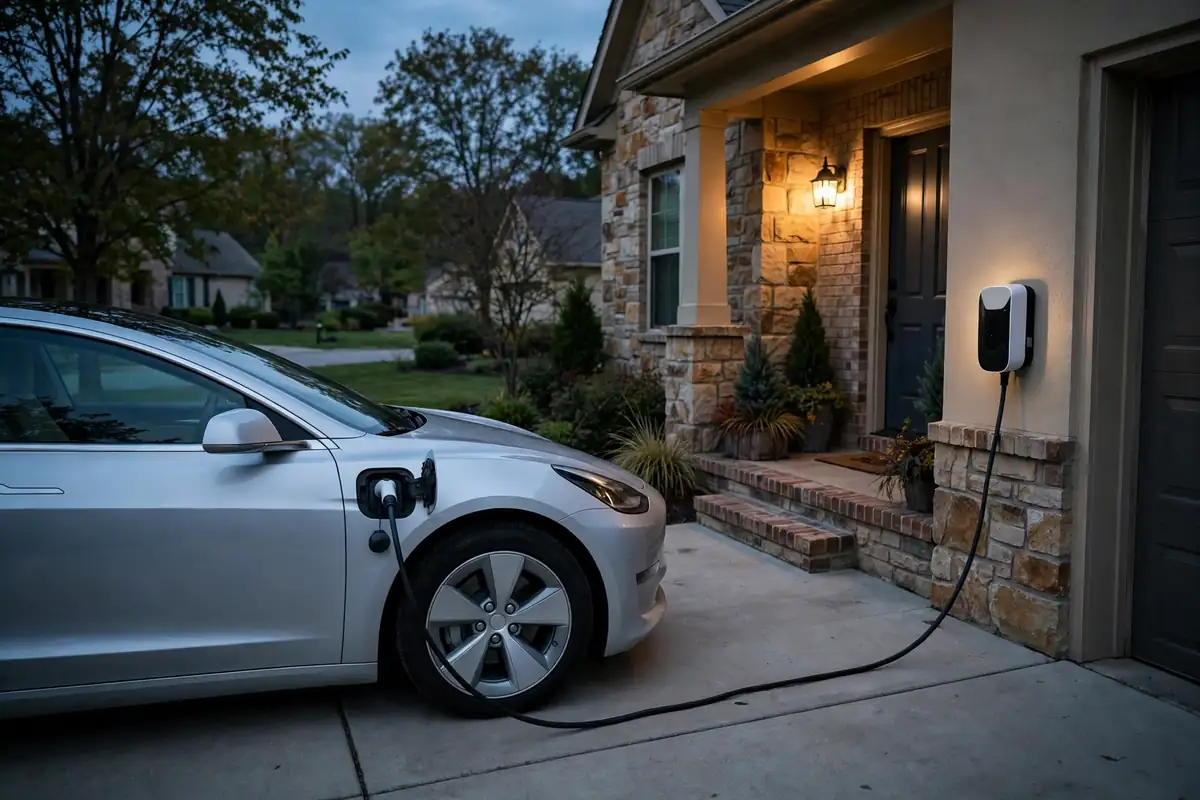
Charging comes in three levels. Level 1 uses a normal household outlet: slow, but enough for light daily driving. Level 2 uses a 240-volt circuit, like an electric dryer, installed at home or found at workplaces and public stations; it refills most EVs overnight. DC fast charging, the roadside kind, adds a large amount of range in roughly 20 to 40 minutes depending on the car, and is built for road trips rather than daily use.
Home charging is the whole game
Owners consistently say home charging is the feature they would never give up. You leave each morning with a full battery, never visit a gas station, and pay residential electricity rates that usually work out far cheaper per mile than gasoline. Renters and condo owners have a harder path, which is why workplace and public Level 2 charging matter so much for wider adoption, much like the access systems in RFID automated parking technology quietly decide who gets to use shared infrastructure smoothly.
Costs: Purchase Price vs Running Costs
EVs historically cost more upfront than comparable gasoline cars, though the gap keeps shrinking and incentives change the math by state and year, so check current federal and state programs before assuming a price. Where EVs reliably win is running costs: electricity per mile is usually much cheaper than gasoline, and maintenance is lighter because there are fewer moving parts, no oil, and brakes last longer thanks to regenerative braking.
Ownership math is changing across the car world generally. The rise of car subscription services shows how many drivers now think in monthly total cost rather than sticker price, and by that measure EVs often look better than their sticker suggests. Financing and digital buying tools, part of the shift in how fintech is changing business, also make comparing the total cost of EV versus gasoline easier than it used to be.
Batteries: Lifespan and Replacement Fears
The battery is the most expensive part of an EV, so fears about replacing it are understandable. In practice, modern EV batteries are engineered to last the life of the car, and manufacturers selling in the US provide long battery warranties, commonly eight years or 100,000 miles at minimum by regulation for the battery’s capacity. Real-world data from early EVs shows gradual capacity loss, not sudden death: a car might keep 85 to 90 percent of its original range after many years of use.
Simple habits help batteries age gracefully. Avoid leaving the car at a full charge or near empty for long stretches, favor Level 2 charging over constant fast charging, and do not stress about the rest. The battery management system does quiet, sophisticated work in the background, similar in spirit to the automation behind smart ceiling fan technology, optimizing conditions you never have to think about.
Driving an EV: What Surprises Beginners
First-time drivers notice three things immediately: the silence, the instant acceleration, and one-pedal driving. Because electric motors deliver power instantly, even modest EVs feel quick in city traffic. One-pedal driving, where lifting off the accelerator slows the car through regenerative braking, sounds strange and feels natural within a day. Add the low center of gravity from the floor-mounted battery, and most EVs handle with a planted calm that surprises people.
The technology story is bigger than any single car. The same electrification and software wave runs through SpaceX and xAI’s technology ambitions and the analysis in technology’s expanding role in finance: vehicles are becoming software platforms that improve with updates. That is why coverage of AI apps as personal assistants increasingly overlaps with car coverage, and why a beginner learning EVs today is really learning the direction of all personal transport.
EV Myths, Busted Kindly
Three myths follow EVs everywhere. The first says the grid cannot handle them; in reality, most charging happens overnight when demand is low, and utilities actively plan for EV growth because cars are flexible load. The second says EVs are worse for the environment once batteries are counted; lifecycle studies consistently find EVs cleaner than comparable gasoline cars over their lifetime, and they get cleaner as grids add renewables. The third says they are all luxury toys; the market now includes practical hatchbacks and crossovers aimed squarely at commuters and families.
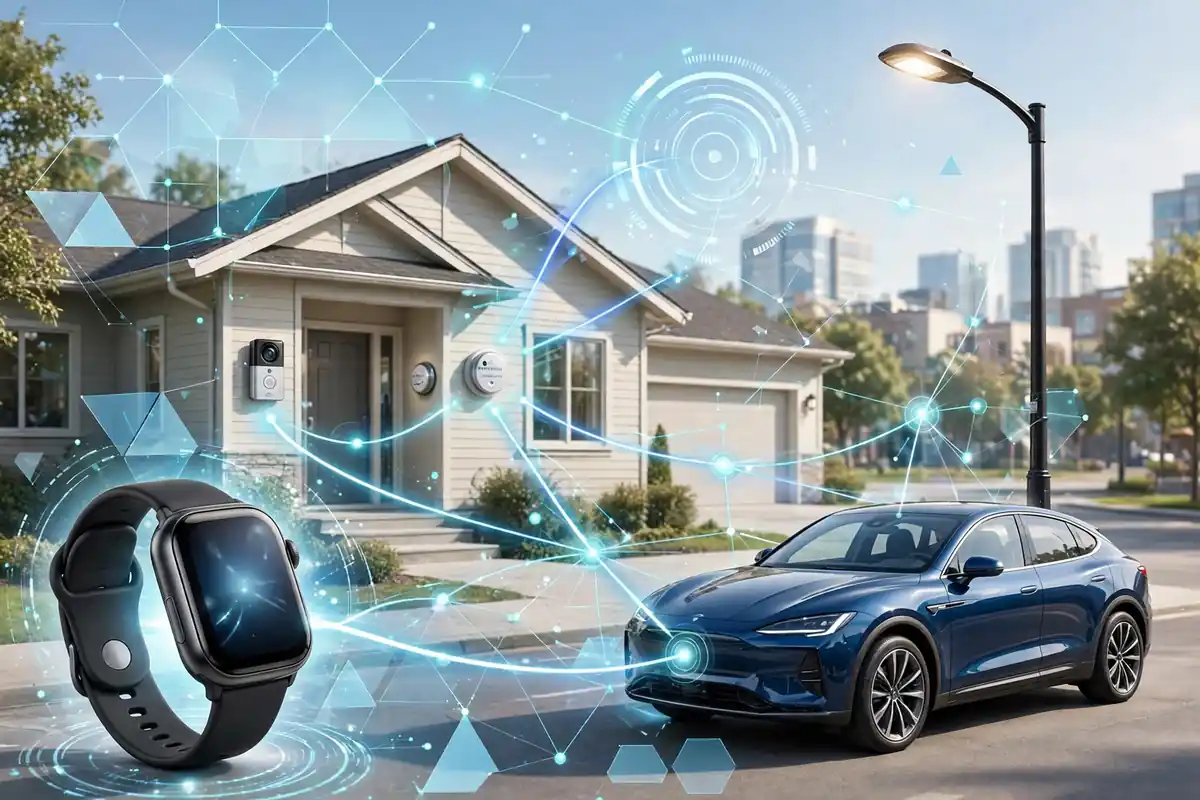
Smart charging ties the car into the wider home, too. Chargers increasingly coordinate with devices from the world of innovative smart home devices, scheduling sessions for the cheapest, cleanest hours automatically.
Should Your First EV Be New or Used?
Used EVs are one of the market’s quiet bargains. Because technology improves quickly and early fears linger, depreciation hits EVs harder than gasoline cars, which is bad for sellers and excellent for buyers. A three-year-old EV with a healthy battery report can deliver most of the modern experience for a fraction of the new price. Ask for a battery health check, confirm the warranty status, and test that the car fast-charges properly before buying.
New buyers get the latest range, charging speed, and warranty coverage, plus any current purchase incentives. Whichever route you take, plan the road trips as carefully as the commute: good audio and comfort gear, like the picks in the best noise-canceling headphones under $200 for your passengers, turn charging stops from dead time into a genuine break in the journey.
EVs for Apartments and Rural Drivers
Two groups face real homework before buying. Apartment and condo residents depend on shared or public charging, so the honest first step is mapping the chargers near home and work and testing whether that routine fits your week. Many newer complexes are adding shared Level 2 stations, and some states now require landlords to allow installations under certain conditions, so ask before assuming it is impossible.
Rural drivers actually suit EVs better than their reputation suggests: daily distances are predictable, homes usually have space for a charger, and electricity is often cheap. The homework is road trips, where fast chargers are thinner on the ground. A route planner and one test trip will tell you more than a month of worrying.
One last encouragement: take a test drive before forming a final opinion. Ten minutes behind the wheel answers questions about comfort, visibility, and charging-port placement that no amount of reading can settle, and most dealers now keep EVs ready for exactly that purpose.
Frequently Asked Questions
How long does it take to charge an EV?
Overnight at home on Level 2 for a full charge, or roughly 20 to 40 minutes at a DC fast charger for a large top-up on a road trip. A household outlet works but adds only a few miles per hour.
Are EVs good in cold weather?
They work fine, but range drops in serious cold because batteries are chemistry and cabins need heat. Preconditioning the car while it is plugged in is the standard trick, and drivers in cold states manage winters successfully every year.
Can I take an EV on a long road trip?
Yes. Fast-charging networks now cover major US highway corridors, and route-planning apps built into most EVs schedule charging stops automatically. Trips take a little more planning than gasoline, less every year.
Key Takeaways
With electric vehicles explained beginners style, the picture is simple: range fits daily life easily, home charging is the killer feature, running costs are lower, and batteries last far longer than the myths suggest. If your driving matches the typical pattern of short days and occasional trips, an EV is not an experiment anymore. It is just a car, a quieter and cheaper-to-run one.